Is Tap Water Safe to Drink in Japan? Yes: What the Rules Say, Hotel Taps, Taste, and Where Not to Drink
Quick answer
- Yes: tap water from Japan's public water supply must meet national standards with 52 items, so you can drink it straight from the tap, including at your hotel.
- A slight chlorine smell is normal; boiling the water and letting it cool reduces it.
- Don't drink from taps marked 飲用不可, hot spring baths, or streams and wells.
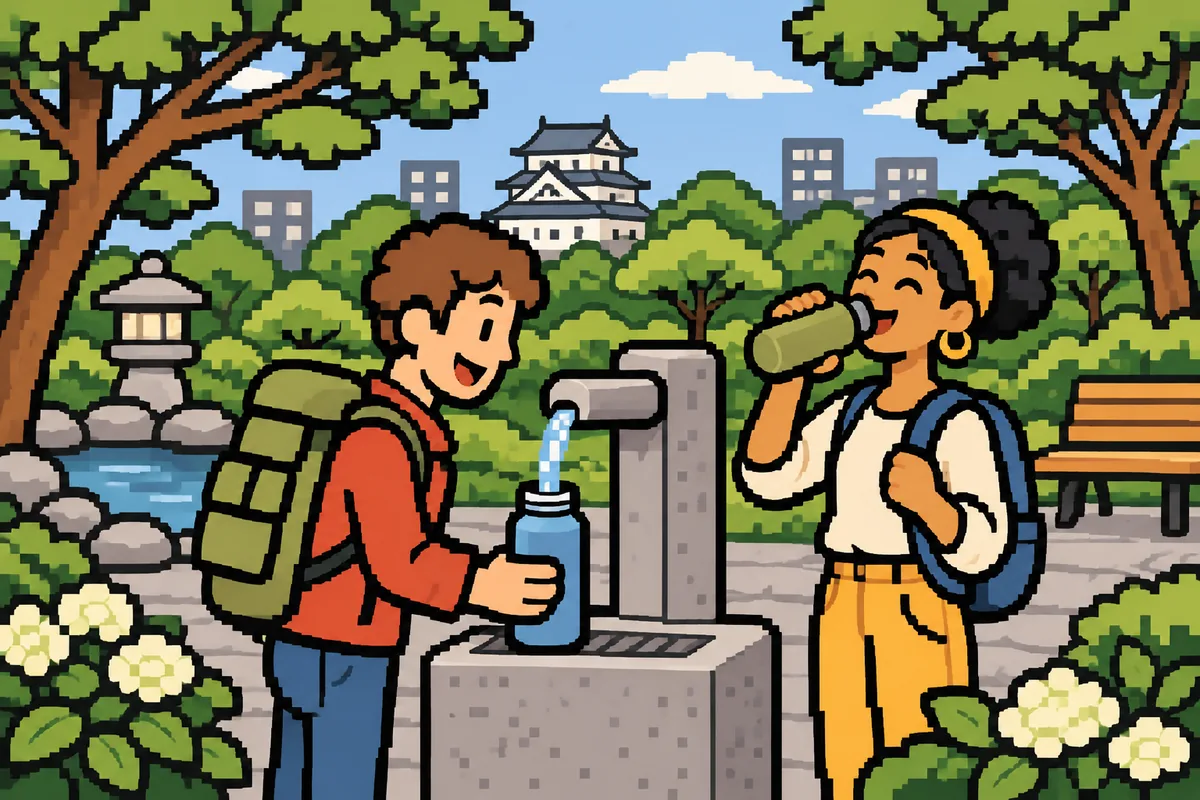
Yes. Tap water from Japan's public water supply has to meet national drinking water standards, so you can drink it straight from the tap, including at your hotel. The exceptions are taps marked as not for drinking, hot spring water, and water from streams, springs or wells.
If you come from a place where tap water isn't safe, it's natural to hesitate the first time. This guide explains, from official sources, why the water is safe, what to do if it tastes of chlorine, and where you shouldn't drink.
- Tap water must meet national standards with 52 items, including PFOS and PFOA
- Hotel taps are fine; tanks in buildings are the building owner's job to manage
- A slight chlorine taste is normal and can be reduced
- Japan's tap water is soft, so it tastes light
- Don't drink from taps marked 飲用不可, hot spring baths or mountain streams
- Refill your bottle at drinking fountains and restaurants instead of buying plastic
Why it's safe: the national standards
Under Article 4 of Japan's Waterworks Act, tap water must meet the standards set by a government ordinance. Japan's Ministry of the Environment lists 52 items in the standards that took effect on April 1, 2026, including bacteria, metals and chemicals. PFOS and PFOA, the "forever chemicals" many travelers ask about, are among them, with a limit of 0.00005 mg/L.
Water suppliers also test far more than the minimum. Tokyo's Bureau of Waterworks says in its water quality testing plan for fiscal 2026 that it tests 301 items in all, and that the testing is done, in principle, at the tap. Asked whether a water filter is needed, the bureau answers that tap water meets the standards under the Waterworks Act, so you can drink it as it is.
Your hotel tap is fine
In many hotels and apartment buildings, tap water first goes into a storage tank in the building. Tokyo's Bureau of Waterworks explains that these tanks are set up by the building's owner, who is responsible for managing them, with health centers carrying out inspections and guidance. Tanks larger than 10 cubic meters fall under the Waterworks Act, which requires regular cleaning and inspection by an approved organization.
So you can drink from the tap in your room. If the hotel puts up a notice about its water, for example during maintenance, follow the notice.
If it smells, looks white or looks rusty
- A chlorine smell is normal. Chlorine is added to keep the water clean all the way to the tap; Tokyo sets its own target of 0.1 to 0.4 mg/L. The bureau says you can reduce the smell by boiling the water, then keeping it on low heat for 5 to 10 minutes with the lid half open, and letting it cool. Water without chlorine spoils more easily, so drink it soon.
- White, cloudy water is usually tiny air bubbles from a strong flow. If it clears from the bottom of the glass up, it's only air.
- Reddish water when you first turn on the tap can come from rust in the pipes. Let the water run for a while before you drink.
Japan's tap water is soft
Hardness means how much calcium and magnesium is in the water. Tokyo's Bureau of Waterworks says the average hardness at taps in Tokyo is about 60 mg/L, ranging from 25.3 to 87.6 mg/L across the city in fiscal 2023. The legal limit is 300 mg/L. The bureau explains that water flowing for a long time through limestone areas in Europe and the Americas is harder, while in Japan, water spends less time underground and rivers are shorter, so it tends to be softer.
If you're used to hard water, Japanese tap water may taste light. Soft water is also less likely to leave white marks on kettles; the bureau notes that scale can form when hardness goes above about 200 mg/L.
Where not to drink
- Taps marked 飲用不可 (inyō fuka, not for drinking). Whatever the reason, follow the sign.
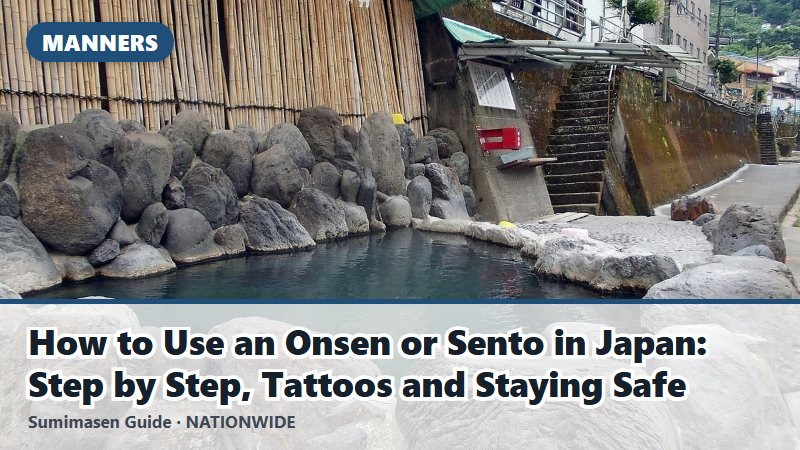
- Hot spring water. Under Japan's Hot Springs Act, offering hot spring water for public drinking needs a permit from the prefecture. Don't drink the bath water; only drink at a spot that the hot spring marks for drinking. For bathing rules, see onsen and sento manners.
- Streams, springs and wells. The national standards are for the public water supply. Water from a mountain stream or a well isn't covered by them, so don't treat it like tap water.
Refill instead of buying bottles
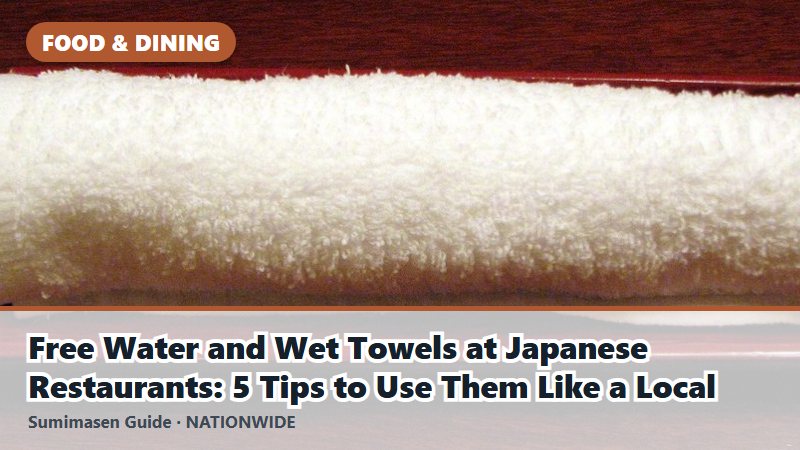
Tokyo's Bureau of Waterworks runs Tokyowater Drinking Stations, drinking fountains in public places, with more than 900 locations listed in English. Some are bottle-dispenser types, and the bureau publishes lists of locations by ward and city. Restaurants usually bring water free when you sit down; see free water and wet towels at Japanese restaurants.
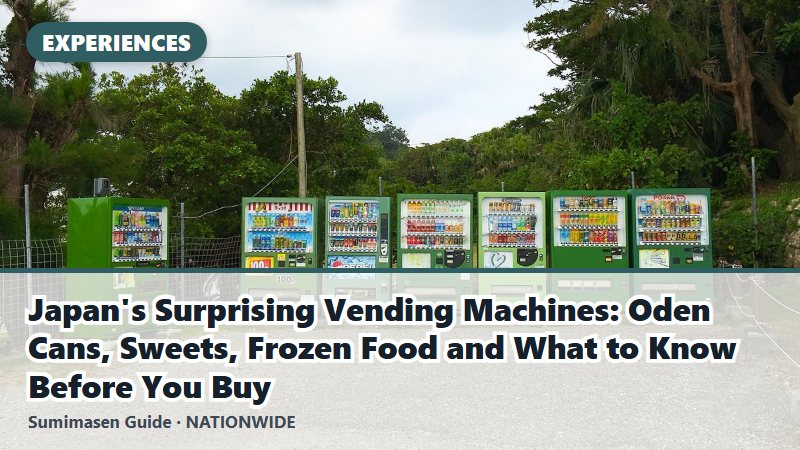
If you prefer bottled water, JNTO, Japan's national tourism organization, notes that all convenience stores stock it in various sizes, and that you should keep some water with you, especially in summer. Vending machines are another easy option; see vending machines in Japan.
Quick checklist
- Drink from ordinary taps, including in your hotel room.
- Chlorine smell? Boil it for a while and let it cool.
- Rusty at first? Let the tap run.
- Skip taps marked 飲用不可, bath water and stream water.
- Refill your bottle at drinking fountains and restaurants.
Last reviewed: November 16, 2026. If a sign or the staff tell you not to drink a particular tap, follow them.
References
- Ministry of the Environment: Drinking water quality standards, 52 items, effective April 1, 2026 (Japanese)
- Tokyo Metropolitan Government Bureau of Waterworks: Water quality testing plan for fiscal 2026, chapter 1 (Japanese, PDF)
- Tokyo Bureau of Waterworks FAQ: Safety of tap water and water filters (Japanese)
- Tokyo Bureau of Waterworks FAQ: Water storage tanks in buildings (Japanese)
- Tokyo Bureau of Waterworks FAQ: When tap water smells or looks different (Japanese)
- Tokyo Bureau of Waterworks: Reducing residual chlorine (Japanese)
- Tokyo Bureau of Waterworks: Water hardness (Japanese)
- Ministry of the Environment: Outline of the Hot Springs Act (Japanese)
- Tokyo Bureau of Waterworks: Tokyowater Drinking Station (Japanese and English)
- JNTO: Safe Drinking Water (English)