Japanese Drugstore Medicine by Symptom: What to Buy and What to Tell the Pharmacist
Quick answer
- Find the shelf for your symptom, then check 3 lines on the box: the risk class (第1類 to 第3類), the age line (15才以上 means ages 15 and over) and the dose.
- Class 1 medicines such as Loxonin S can be sold only by a pharmacist, while Class 2 and Class 3 medicines can also be sold by a registered seller.
- Don't combine cold, pain, allergy and motion-sickness medicines, and ask a pharmacist or doctor if symptoms are severe, you are pregnant or the medicine is for a child.
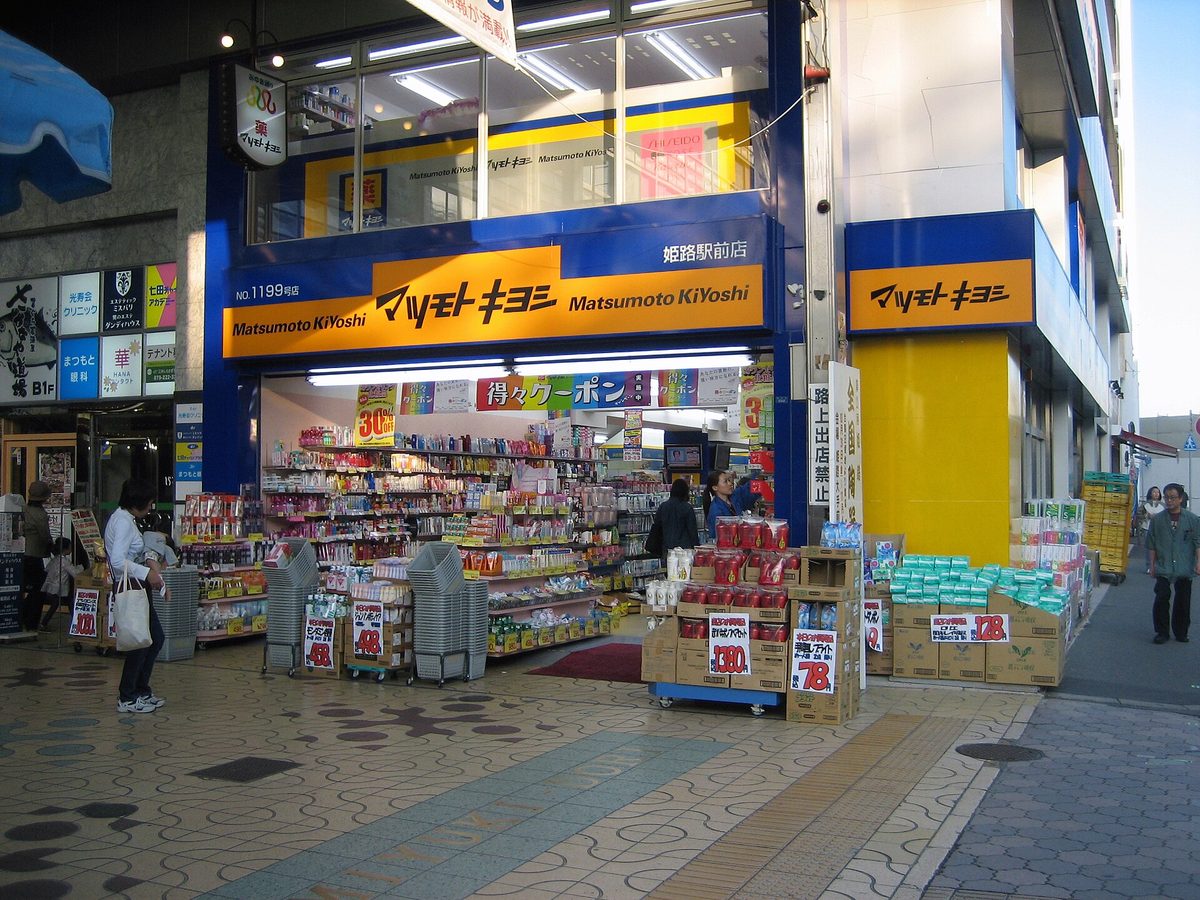
Feeling unwell on a trip to Japan? Find the shelf for your symptom, then check 3 lines on the box: the risk class, the age limit and the dose. Japanese drugstores sell cold, pain, stomach, allergy and motion-sickness medicines without a prescription, but many adult products are only for ages 15 and over, and some can be sold only while a pharmacist is on duty. This guide gives well-known examples for 8 common symptoms, with ingredients, ages and doses taken from the makers' pages and the official package inserts, plus short Japanese phrases for the pharmacist.
- 5 quick tricks for choosing the right box
- Examples for colds, headaches and fever, stomach trouble, eyes, hay fever, motion sickness, itchy bites and sore throats
- Which medicines need a pharmacist, and what to say in Japanese
- What to check before you take medicine home
Please read this first. This page is general information, not medical advice. If your symptoms are severe or don't get better, or if you have a long-term illness, take other medicines, are pregnant or breastfeeding, or are buying for a child, ask a pharmacist or see a doctor. The Japan Visitor Hotline (050-3816-2787, from overseas +81-50-3816-2787) helps with illness 24 hours a day in English, Chinese and Korean. In an emergency, call 119 for an ambulance.
5 tricks for picking the right medicine
- Look for the symptom word, not the brand. Boxes and shelf signs name the symptom in Japanese, such as かぜ (cold), 頭痛 (headache), 胃腸 (stomach), 鼻炎 (nose allergy), 目薬 (eye drops), 酔い止め (motion sickness), かゆみ (itch) and のど (throat). The chart below matches each one to an example.
- Find the age line. 15才以上 means "ages 15 and over," and 15才未満 服用しないこと means "under 15, do not take." Most adult medicines in this guide follow that rule, so for a child, ask for a children's product (子ども用, kodomo-yo).
- Check the class before you queue. Class 1 (第1類) medicines, such as Loxonin S, are sold only by a pharmacist. JNTO (Japan's national tourism organization) notes that some medicines can't be bought when the pharmacist isn't there, so go earlier in the day if you can.
- Don't double up. The labels of the cold, pain, allergy and motion-sickness medicines in this guide all say not to combine them with other cold medicines or similar products, because many contain overlapping ingredients such as antihistamines.
- Read it in your language. Several makers publish product information in other languages: Taisho (Pabron) in English, Korean and Chinese, Santen and Eisai on foreign-language product pages, and Ryukakusan with an English package insert. JNTO's guide for travelers who feel ill also links to an English search for OTC medicines.
Medicine classes in 30 seconds
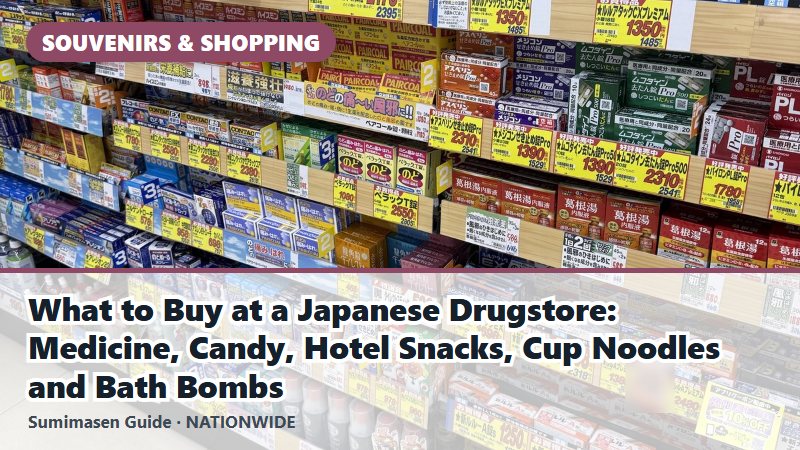
Japan's Ministry of Health, Labour and Welfare (MHLW) explains that over-the-counter (OTC) medicines are split into "guidance-required" medicines (要指導医薬品, yo-shido iyakuhin), often products recently switched from prescription use, which a pharmacist must explain to you face to face, and general OTC medicines in Classes 1 to 3. Class 1 needs information from a pharmacist; Class 2 and Class 3 can also be sold by a registered seller (toroku hanbaisha). For the "designated Class 2" mark (第②類) and how the shelves work, see what to buy at a Japanese drugstore.
The ministry also lists some cold and cough ingredients, including dihydrocodeine and methylephedrine, as "designated abuse-prevention medicines" (指定濫用防止医薬品). For these, the staff must check with you, ask whether you've bought them elsewhere, and ask why if you want several packs or a large pack; younger buyers can buy only one small pack.
Colds: Pabron Gold A
Pabron Gold A (パブロンゴールドA) from Taisho is a multi-symptom cold medicine for cough, phlegm, sore throat, sneezing, runny or stuffy nose, chills, fever, headache and aches. The tablet version is a designated Class 2 medicine on its PMDA listing (PMDA is Japan's medicines agency). Taisho's product page lists 7 active ingredients in 3 tablets, including guaifenesin, acetaminophen 300 mg, dihydrocodeine phosphate 8 mg, dl-methylephedrine hydrochloride 20 mg and chlorpheniramine maleate 2.5 mg.
- Dose: ages 15 and over take 3 tablets, 3 times a day, ideally within 30 minutes after meals; ages 12 to 14 take 2 tablets; under 12, do not take.
- Label warnings: don't take it with other cold medicines, pain relievers or antihistamine medicines, don't drive after taking it, and avoid alcohol. If you're not better after 5 to 6 doses, stop and ask a pharmacist or doctor.
- At the register: because it contains dihydrocodeine and methylephedrine, expect the staff to ask you a few questions.
Headache, fever and period pain: EVE A and Loxonin S
EVE A (イブA錠) from SS Pharmaceutical is a designated Class 2 pain reliever. The maker's page lists ibuprofen 150 mg, allylisopropylacetylurea 60 mg and anhydrous caffeine 80 mg in 2 tablets, for headache, period pain, toothache, sore throat, muscle and joint pain, and fever. Ages 15 and over take 2 tablets, up to 3 times a day, at least 4 hours apart and preferably not on an empty stomach; under 15, do not take.
Loxonin S (ロキソニンS) from Daiichi Sankyo Healthcare is a Class 1 medicine, so only a pharmacist can sell it. Its product page lists loxoprofen sodium hydrate equal to 60 mg of loxoprofen sodium in each tablet. Ages 15 and over take 1 tablet, up to twice a day, with a third dose only if the symptoms come back, at least 4 hours apart; under 15, do not take.
Both labels say not to take them if you have ever had asthma from a pain reliever or cold medicine, or within 12 weeks of your due date, and not to drink alcohol around them. For a child, ask the pharmacist for a children's product.
Upset stomach: Ohta Isan S
Ohta Isan S (太田胃散S) is a Class 2 stomach powder for overeating, too much drink, heartburn, a heavy or upset stomach and nausea. The maker says the long-selling Ohta Isan became Ohta Isan S in September 2025. It combines 7 herbal ingredients, 3 antacids and a digestive enzyme. Ages 15 and over take 1.3 g, 3 times a day after meals or between meals (2 to 3 hours after eating); ages 8 to 14 take half that amount; under 8, do not take. A box of single-dose sachets (太田胃散〈分包〉S) is easier to carry.
For diarrhea, see the Seirogan section in what to buy at a Japanese drugstore. If diarrhea comes with a high fever or blood, or lasts a long time, see a doctor.
Tired, red or itchy eyes: Sante FX Neo and Rohto Alguard
Sante FX Neo (サンテFXネオ) from Santen is a Class 2 eye drop for tired eyes, red eyes, itchy eyes and blurry vision from discharge. Santen's page lists neostigmine methylsulfate, taurine, potassium L-aspartate, tetrahydrozoline hydrochloride, chlorpheniramine maleate and epsilon-aminocaproic acid, with a dose of 2 to 3 drops, 5 to 6 times a day. The maker describes it as having a cooling feel.
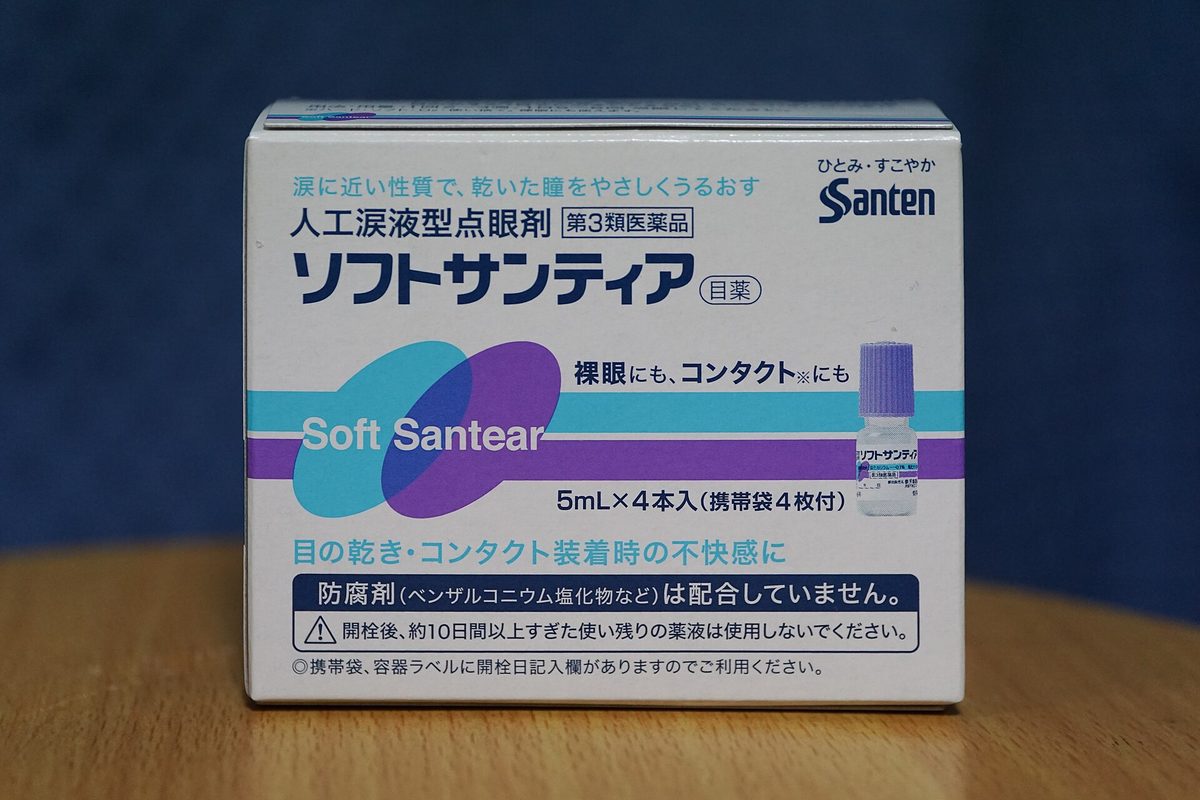
Rohto Alguard (ロートアルガード) from Rohto is a Class 2 eye drop for itchy and red eyes from pollen and house dust. Rohto's page lists chlorpheniramine maleate, dipotassium glycyrrhizinate, tetrahydrozoline hydrochloride and vitamin B6, with a dose of 1 to 2 drops, 3 to 6 times a day, and says it contains no benzalkonium chloride or paraben preservatives.
Both list relief for discomfort while wearing hard contact lenses; if you wear soft lenses, check the box or ask. Both labels say to ask first if you have glaucoma or severe eye pain.
Hay fever and dust allergy: Allegra FX and Alesion 20
Allegra FX (アレグラFX) is a Class 2 allergy medicine for sneezing, runny nose and stuffy nose from pollen and house dust. Its package insert, now issued by SS Pharmaceutical, lists fexofenadine hydrochloride 120 mg in the daily dose of 2 tablets: ages 15 and over take 1 tablet in the morning and 1 in the evening; under 15, do not take. The insert says not to take it with other allergy medicines, antihistamine-containing cold or motion-sickness medicines, or antacids containing aluminum or magnesium hydroxide.
Alesion 20 (アレジオン20), also from SS Pharmaceutical, is a Class 2 allergy medicine with epinastine hydrochloride 20 mg in each tablet. The maker's page says ages 15 and over take 1 tablet once a day at bedtime; under 15, do not take. Its label says not to drive after taking it.
For seasonal pollen allergies, both labels say it works better to start when the pollen forecast says pollen is coming, or as soon as symptoms begin.
Motion sickness: Travelmin 1
Travelmin 1 (トラベルミン1) from Eisai is a Class 2 tablet for preventing and easing dizziness, nausea and headache from motion sickness. Eisai's page lists meclizine hydrochloride 50 mg and scopolamine hydrobromide hydrate 0.25 mg in each tablet. Ages 15 and over take 1 tablet once a day, chewed or dissolved in the mouth, so no water is needed; to prevent motion sickness, take it 30 minutes before you board. Under 15, do not take. It can cause drowsiness and blurred vision, so the label says not to drive afterward.
Mosquito bites and itchy skin: Muhi S and Liquid Muhi S2a
Muhi S (ムヒS) from Ikeda Mohando is a Class 3 itch cream with diphenhydramine, for itching, insect bites, rashes, hives, heat rash and more. The maker gives 3 months old as the guide age to start using it, and says to apply it several times a day.
Liquid Muhi S2a (液体ムヒS2a) is a designated Class 2 liquid with a sponge tip that adds a steroid, dexamethasone acetate, to diphenhydramine. The maker gives 6 months old as the guide age to start. Its label says not to use it around the eyes or on wounds, and to ask first if you are pregnant or the area is large.
Sore throat: Pelack T and Ryukakusan Direct
Pelack T (ペラックT錠) from Daiichi Sankyo Healthcare is a Class 3 tablet for sore, swollen throats (pharyngitis and tonsillitis) and mouth ulcers. Its PMDA listing shows tranexamic acid 750 mg in the daily dose of 6 tablets. Ages 15 and over take 2 tablets, 3 times a day; ages 7 to 14 take 1 tablet; under 7, do not take.
Ryukakusan Direct Stick Mint (龍角散ダイレクトスティックミント) is a Class 3 herbal granule for phlegm, cough, and a hoarse or irritated throat. You take it without water, letting it dissolve on your tongue. Ryukakusan's page says ages 15 and over take 1 stick up to 6 times a day, at least 2 hours apart, with smaller amounts for ages 3 to 14; under 3, do not take. The maker also publishes the package insert in English.
What to say to the pharmacist
Show this list on your phone, or point to a line. The romanized reading and the meaning follow each phrase.
- 薬剤師さんはいますか? (Yakuzaishi-san wa imasu ka?) Is a pharmacist here?
- この症状に合う薬はありますか? (Kono shojo ni au kusuri wa arimasu ka?) Do you have medicine for this symptom?
- 頭痛/熱/下痢/鼻水/のどの痛みがあります。 (Zutsu / netsu / geri / hanamizu / nodo no itami ga arimasu.) I have a headache / a fever / diarrhea / a runny nose / a sore throat.
- ほかの薬を飲んでいます。 (Hoka no kusuri o nonde imasu.) I'm taking other medicine.
- アレルギーがあります。 (Arerugii ga arimasu.) I have an allergy.
- 妊娠しています。 (Ninshin shite imasu.) I'm pregnant.
- 子ども用はありますか? (Kodomo-yo wa arimasu ka?) Do you have one for children?
- 眠くなりますか? (Nemuku narimasu ka?) Will it make me drowsy?
Bring the box of any medicine you already take, or a photo of its ingredient list. Brand names differ between countries, but ingredient names are shared, so the staff can compare them.
Taking Japanese medicine home
The rules depend on the country you return to, and some ingredients found in Japanese cold medicines are restricted elsewhere. Two examples from official sources:
- Taiwan: the Taiwan Food and Drug Administration (June 25, 2025) says travelers may bring non-prescription medicines for personal use, up to 12 bottles or boxes of each kind and 36 in total, and advises against bringing back medicines that contain ingredients controlled in Taiwan. They are for your own use only, not for resale.
- Singapore: the Health Sciences Authority says medicines containing controlled substances on its list need approval before you bring them in, and asks you to apply at least 2 weeks before arrival.
Wherever you live, keep medicines in their original boxes with the insert, check your own country's customs or health authority before you fly, and see what to buy at a Japanese drugstore for the cold-medicine ingredients that are often restricted. For bringing medicine into Japan, see medicines you can't bring into Japan.
When to skip the drugstore
Drugstore medicine is for mild, short-lived symptoms. If you aren't better within the time the label gives, or you have a high fever, trouble breathing, severe pain or blood in your stool, see a doctor. JNTO's guide for when you feel ill helps you find a clinic and explains how hospital visits work. Check what your insurance covers too: see travel insurance and medical costs in Japan.
Last reviewed: November 2, 2026. Product details are from the makers' pages and PMDA package inserts at the time of writing. Products and labels change, so always follow the label on the box you buy.
References
- Ministry of Health, Labour and Welfare: OTC medicine types and the 2026 changes (Japanese)
- JNTO: Guide for when you are feeling ill
- JNTO: Japan Visitor Hotline
- Taisho Pharmaceutical: Pabron Gold A tablets (Japanese)
- PMDA: Pabron Gold A tablets, package insert information (Japanese)
- SS Pharmaceutical: EVE A (Japanese)
- Daiichi Sankyo Healthcare: Loxonin S (Japanese)
- Ohta Isan: Ohta Isan S (Japanese)
- Santen: Sante FX Neo (Japanese)
- Rohto Pharmaceutical: Rohto Alguard (Japanese)
- Allegra FX package insert, via PMDA (Japanese, PDF)
- SS Pharmaceutical: Alesion 20 (Japanese)
- Eisai: Travelmin 1 (Japanese)
- Ikeda Mohando: Muhi S (Japanese)
- Ikeda Mohando: Liquid Muhi S2a (Japanese)
- PMDA: Pelack T tablets, package insert information (Japanese)
- Ryukakusan: Ryukakusan Direct Stick Mint (Japanese)
- Taiwan Food and Drug Administration: Bringing food, medicine and cosmetics into Taiwan, June 25, 2025 (Chinese)
- Health Sciences Authority (Singapore): Travelling with medications