Pokémon Cards in Japan: Card Shops, Single Cards, Oripa and Bringing Them Home
Hunting for Japanese Pokémon cards is a fun part of a trip to Japan, and you don't need to be a tournament player to enjoy them. This guide explains, for visitors, how Japanese cards differ from English cards, where to buy Pokémon cards in Japan, how buying single cards from a shop's glass case works, what the "oripa" lucky packs on shop signs are, how to avoid fakes, and how to get your cards home in good shape. The facts come from official Pokémon pages, checked October 17, 2026. The photos were taken by the site owner, a Pikachu fan, at card shops in Osu, Nagoya (Aichi).
This page may contain affiliate links. If you buy through them, we may earn a commission at no extra cost to you.
- Japanese cards vs English cards: what to know before you buy
- Where to buy: card shops, Pokémon Centers and the official store search
- Single cards in the glass case, and oripa lucky packs
- Lines before opening, fakes, tax-free and packing your cards
Checked October 17, 2026. Card prices, stock and each shop's rules change from day to day. Prices and shop details in the photos are what the signs showed when the site owner visited. Always follow the signs and staff in the shop.
Quick questions about Pokémon cards in Japan
Can I use Japanese Pokémon cards back home?
For collecting and friendly games, yes. For official tournaments outside Japan, no: the Play! Pokémon TCG Tournament Handbook says Japanese cards have different card backs from all other Pokémon cards, so they count as "marked" cards at Play! Pokémon events. If you play in tournaments, build that deck from cards in your own region's language.
How do I find card shops?
The official Pokémon Card Game store search (in Japanese) lists shops that carry the cards, by prefecture or from your current location. It notes that not every shop is listed, and that a listed shop may be sold out.
Can I buy the newest sets easily?
Not always. Popular new products sell out, and the official online shop, Pokémon Center Online, sells some of them by lottery and delivers only within Japan. For most visitors, shops you can walk into are the realistic choice.
What is oripa?
"Oripa" (short for "original pack") is a lucky pack that a shop puts together itself. It is not an official Pokémon Card Game product. See the oripa section below before you try one.
Japanese cards and English cards
Japanese Pokémon cards are printed in Japanese for sale in Japan. The Play! Pokémon TCG Tournament Handbook (last revised September 1, 2026) says Japanese cards are treated as "marked" at its events, because their card backs are different from the card backs of all other Pokémon cards.
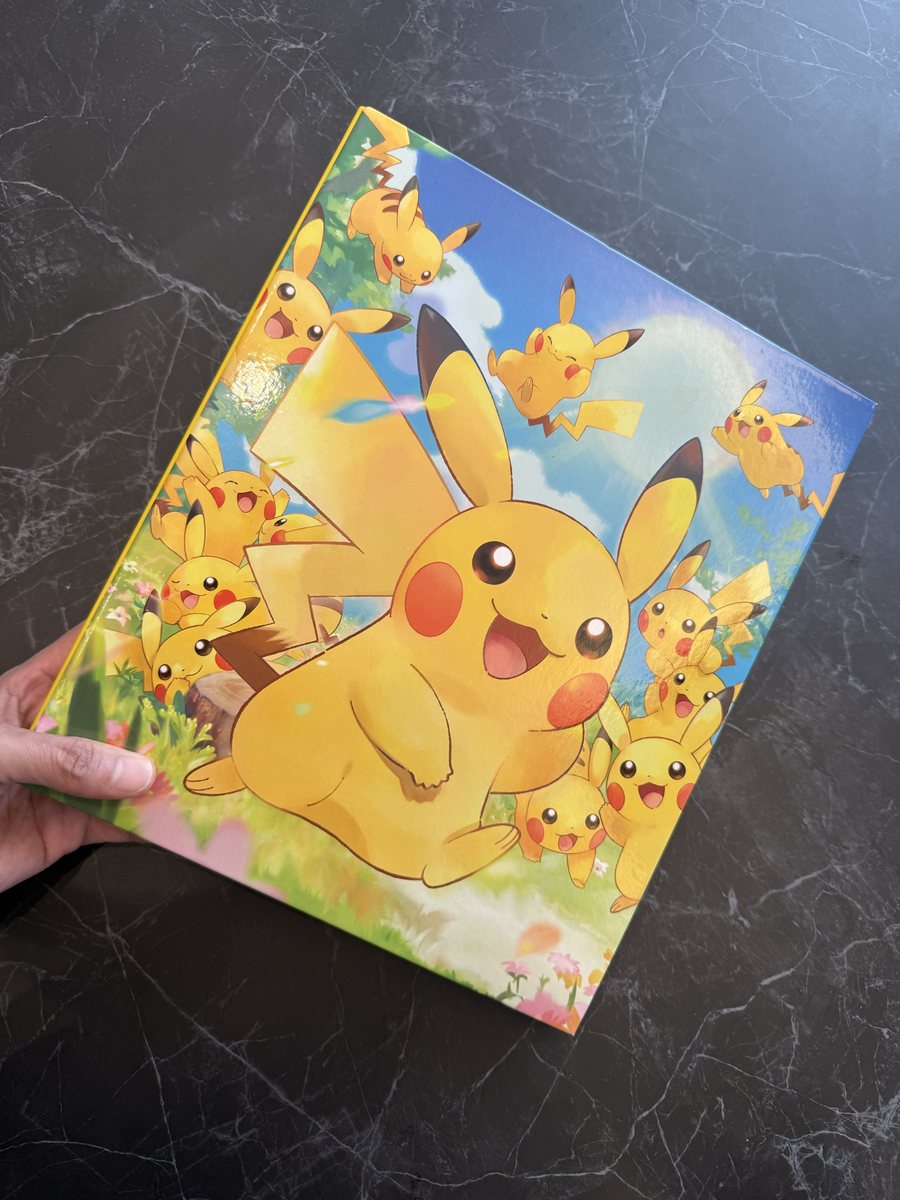
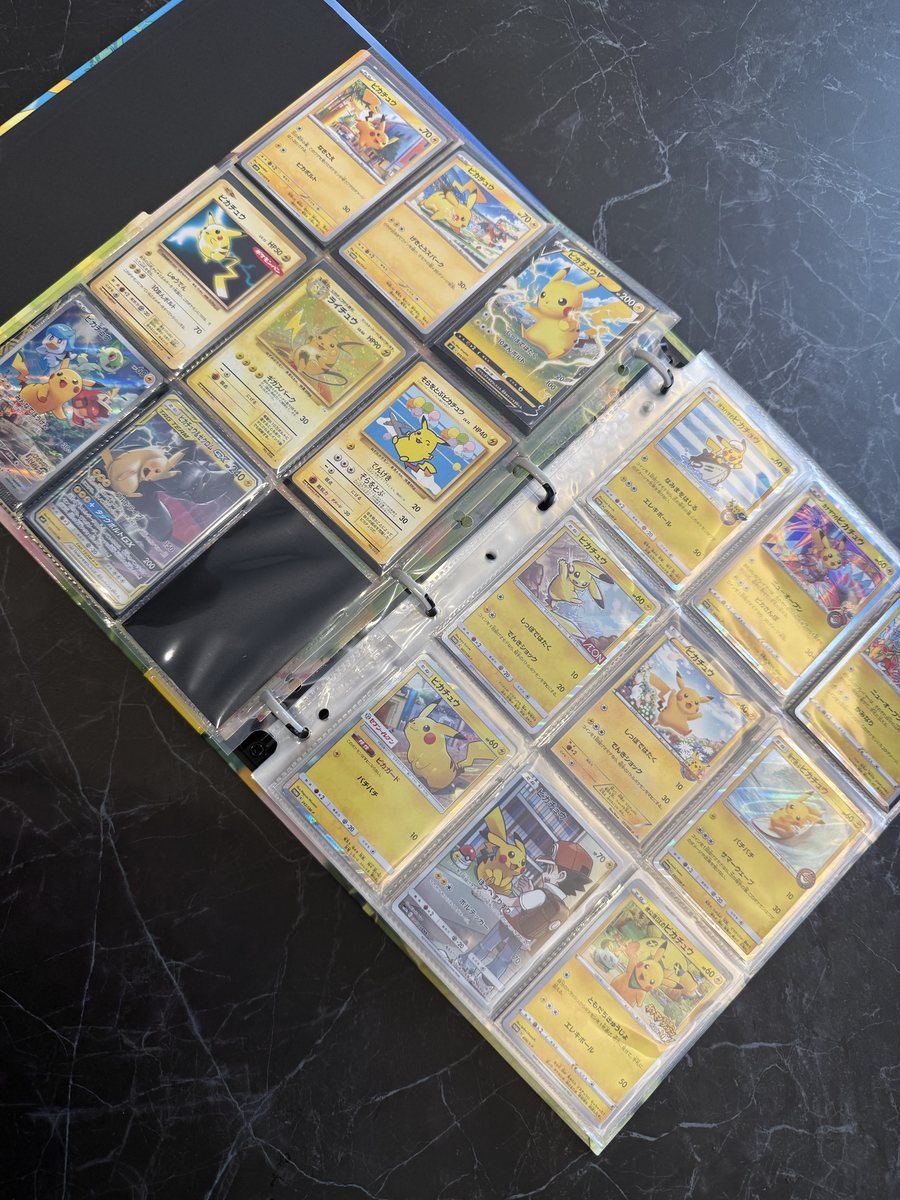
- Collecting and a binder at home: Japanese cards are fine, and they make a lovely collection, as the site owner's Pikachu binder shows.
- Casual games with friends: agree with your friends first, since the text is in Japanese.
- Official tournaments outside Japan: use cards in the language allowed in your region. Check the handbook or ask the event organizer.
To read a Japanese card, you can look it up in the official card search (in Japanese), or point a translation app's camera at the card.
Where to buy Pokémon cards in Japan
There are three main places to look, and they suit different shoppers.
- Trading-card shops: specialist shops that sell packs, boxes and single cards, and often oripa. Use the official store search to find shops near you. The search page itself says that, because of product shortages, some shops are not shown, and that listed shops may be out of stock.
- Pokémon Center stores: The Pokémon Company's official stores in major cities. See our list of Pokémon Center stores in Japan with the nearest stations, and check each store page before you go.
- Pokémon Center Online: the official online shop sells card products, but popular items are sold by lottery, and it delivers only within Japan. For the 30th anniversary card products, the official notice said most winning places go to people who verified their identity with Japan's My Number card (an ID card for residents of Japan).
In Nagoya (Aichi), the Osu shopping streets have several trading-card shops, and the site owner's photos on this page were taken there. The area also has arcades and capsule toys; see arcades, claw machines and gacha in Japan.
Buying single cards from the glass case
Many card shops keep single cards in a locked glass case, each card in a plastic sleeve with a price tag. You choose the card, and staff take it out for you.
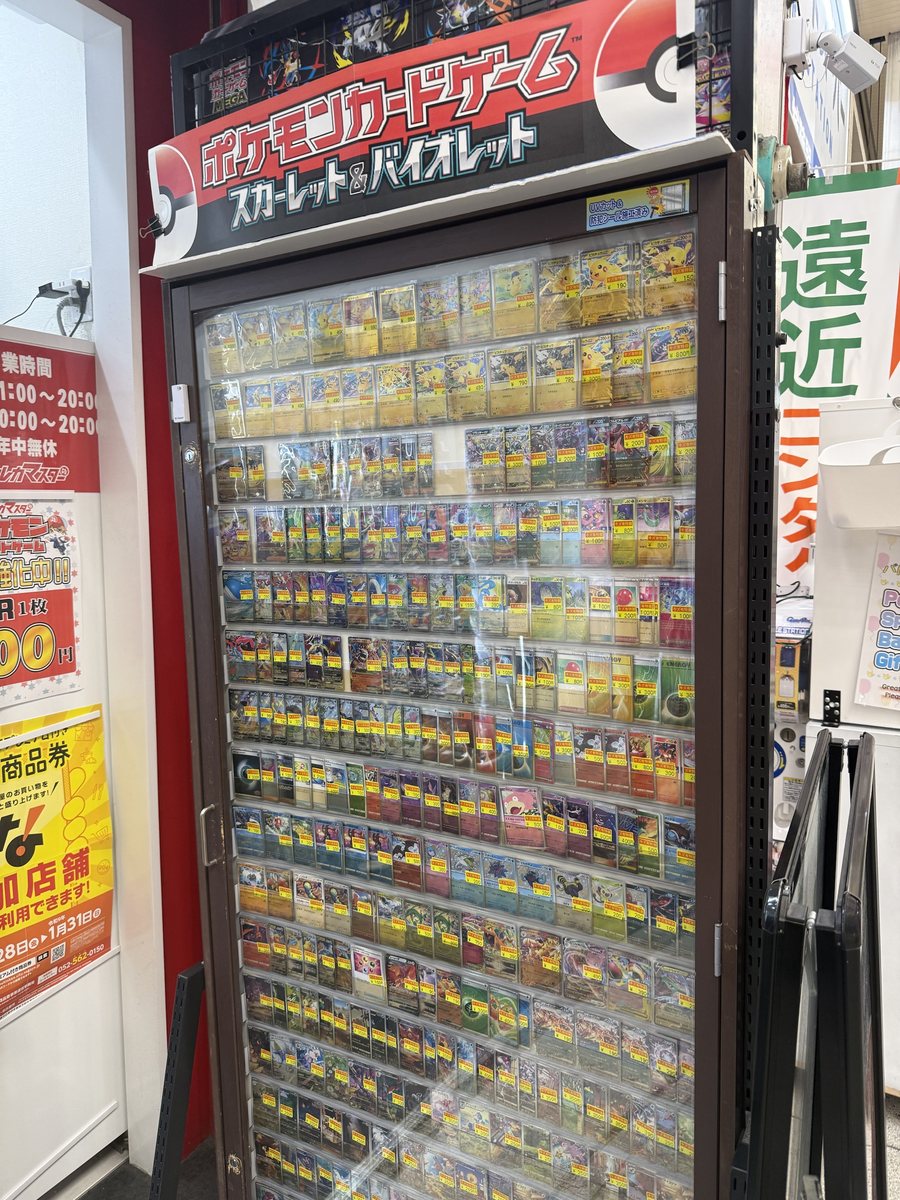
- Read the tag: the price on the tag is for that one card. In the case in the photo, many tags showed prices from 100 to 800 yen.
- Ask staff to take it out: remember where the card is (the row, or take a photo of it if the shop allows), then show the staff. "Kore o kudasai" means "This one, please."
- Look before you pay: check the card's condition when staff hand it to you.
- Decide what you want before you go: the site owner's tip is that cards of the same Pokémon, or by the same illustrator, are often displayed side by side in the case, so a favorite character or illustrator makes the case easy to scan.
Packs, boxes and sold-out sets
Packs and boxes are sealed products of The Pokémon Company. New and popular sets can be hard to find: the official store search warns that listed shops may be out of stock. A shop may also set its own limit per person, so follow the sign at the register.
If a set you want is sold out everywhere, single cards from the glass case are often the easier way to get the exact card you want.
Oripa: lucky packs made by the shop
Outside many card shops you will see signs for "oripa" (オリパ). An oripa is a pack the shop puts together itself, so it is not one of the official products on the Pokémon Card Game product page. Each try works like a lottery: the big cards on the poster are the top prizes, and most tries give cheaper cards.
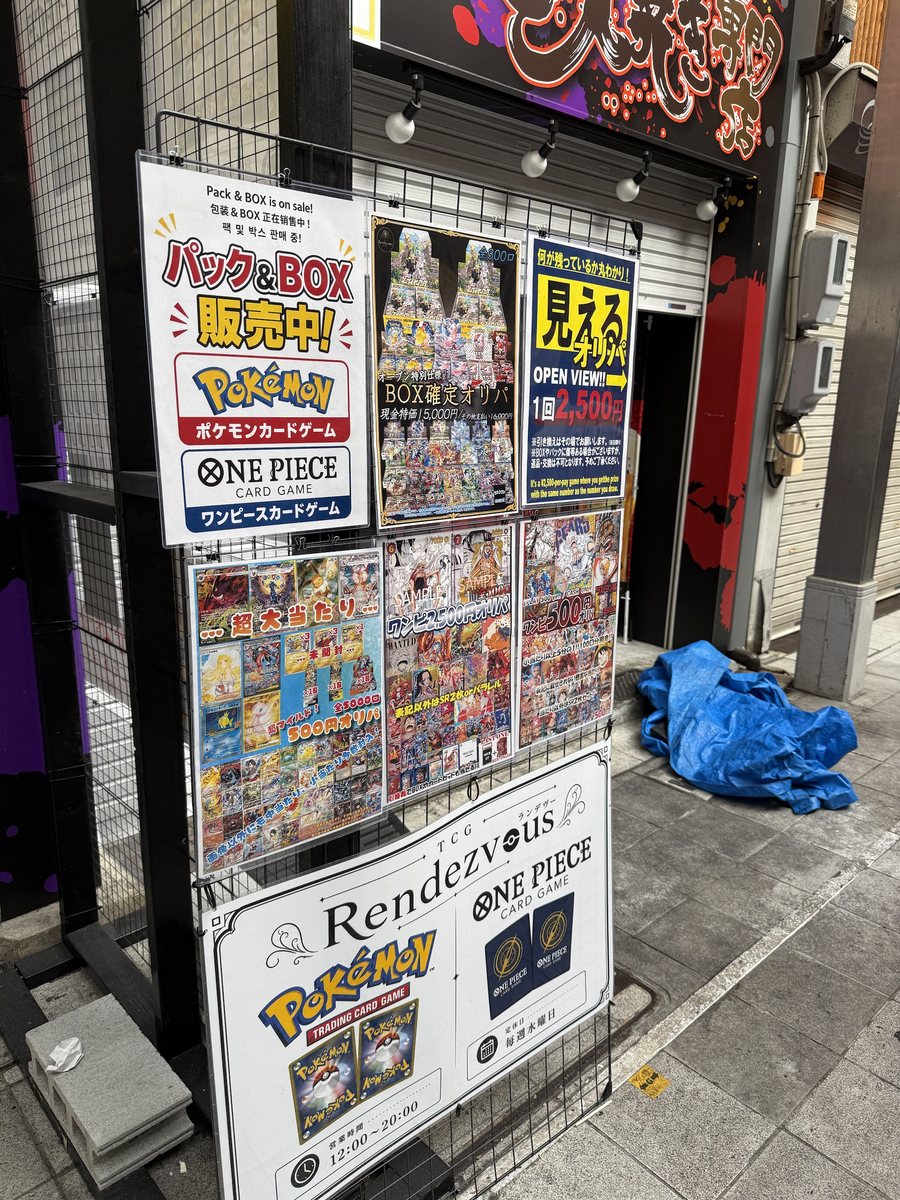
At the shop in the photo, the signs showed oripa at 500 yen and 2,500 yen a try, and a "BOX-guaranteed" oripa at 15,000 yen in cash (16,000 yen with other payment), as posted when the site owner visited. The 2,500 yen sign also said that prizes must be exchanged on the spot, and that returns and exchanges are not accepted.
- Treat it as a game: decide how much you are happy to spend for fun before you start.
- Read the shop's rules first: how prizes are given, and what happens if a box or pack is damaged. If the sign is only in Japanese, ask staff or use a translation app.
- Want one specific card? Buying it as a single card is the sure way.
Lines before opening time
The site owner says that at popular trading-card shops, people line up before opening time to buy oripa. On weekends and long holidays, such as Golden Week (a run of national holidays from late April to the start of May), Obon (the mid-August holiday when many people return home) and the New Year holidays, shops often release limited-edition oripa, so lines before opening are common.
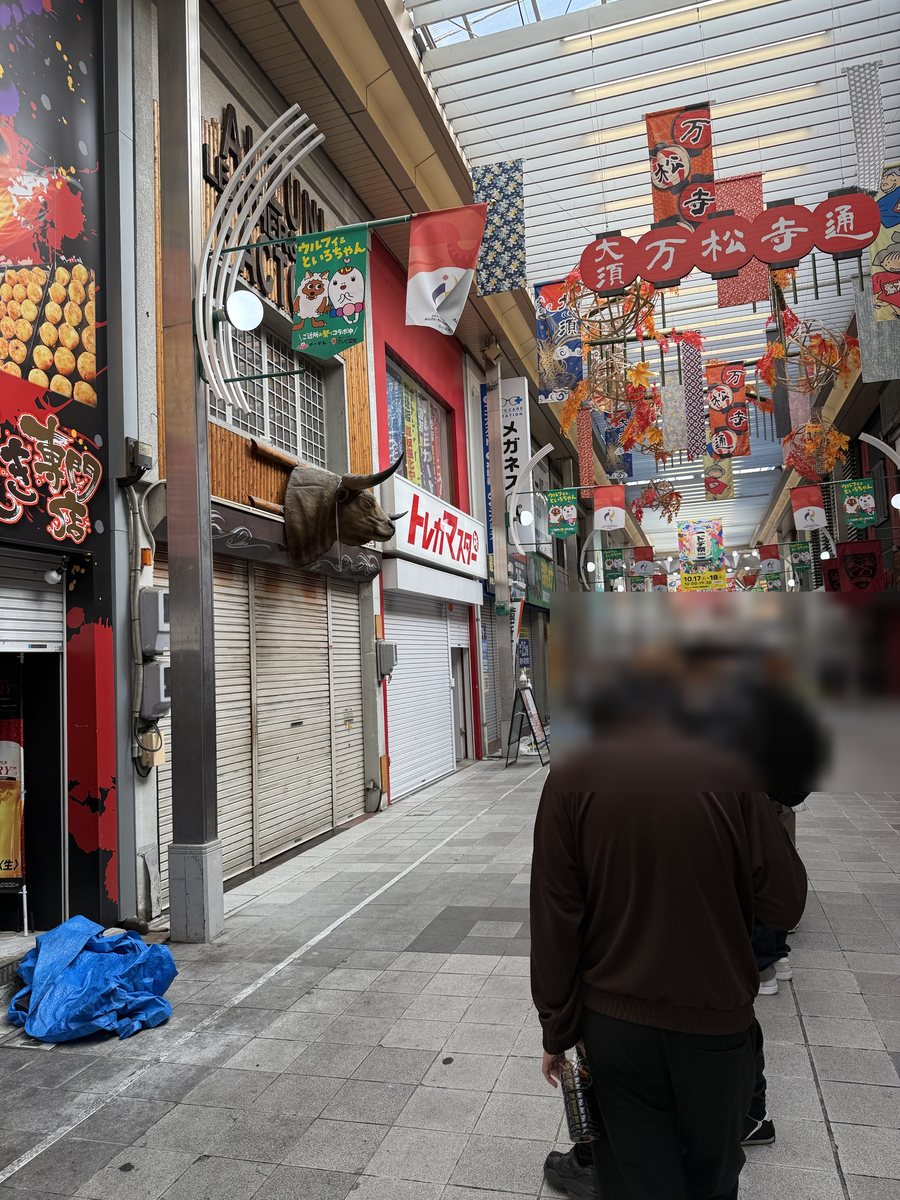
- If you want oripa or a sought-after item: it's worth arriving before the shop opens.
- If you only want single cards from the glass case: you might come a little later in the day and skip the line.
- In the line: join at the end, and leave room for people walking past and for the entrances of other shops. See lining up in Japan.
Avoiding fakes
The Pokémon Card Game official site posted a notice on counterfeit products (September 19, 2023): products that use Pokémon Card Game material without permission have been sold under names such as "replica" and "metal card", and the company asks customers not to buy them by mistake.
- Buy at Pokémon Center stores or at card shops with a real store front.
- Be careful with items labeled "replica" or "metal card", and with prices that look far too low at street stalls or on the internet.
- For an expensive card, take your time and check it in the shop before you pay.
Tax-free shopping
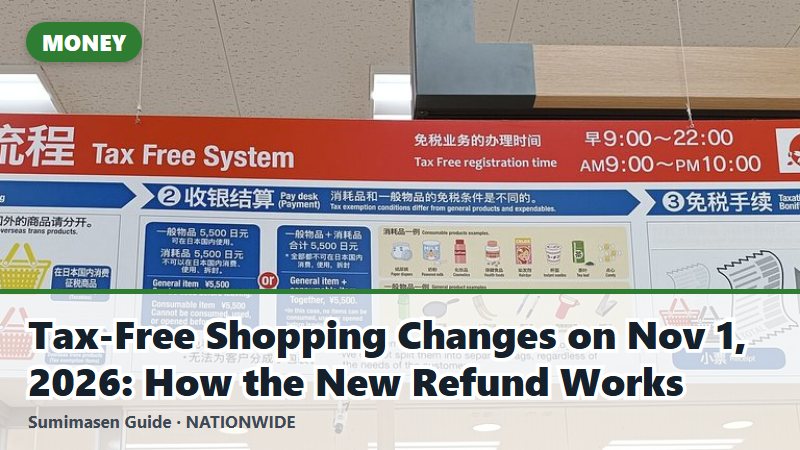
Not every card shop is a tax-free shop, so ask at the register before you pay. From November 1, 2026, tax-free shops charge the full price including tax, and the tax comes back after a customs check when you leave Japan. The minimum is 5,000 yen (before tax) per store per day. Keep your tax-free purchases with you until you finish the airport step. The details are in the new tax-free refund from November 1, 2026.
Protecting your cards and taking them home
Cards bend and scratch easily in a suitcase. A little protection keeps them looking the way they did in the shop.
- Sleeves: put each card you care about in a soft plastic sleeve.
- Top loaders: put valuable cards, already in a sleeve, in a hard plastic holder.
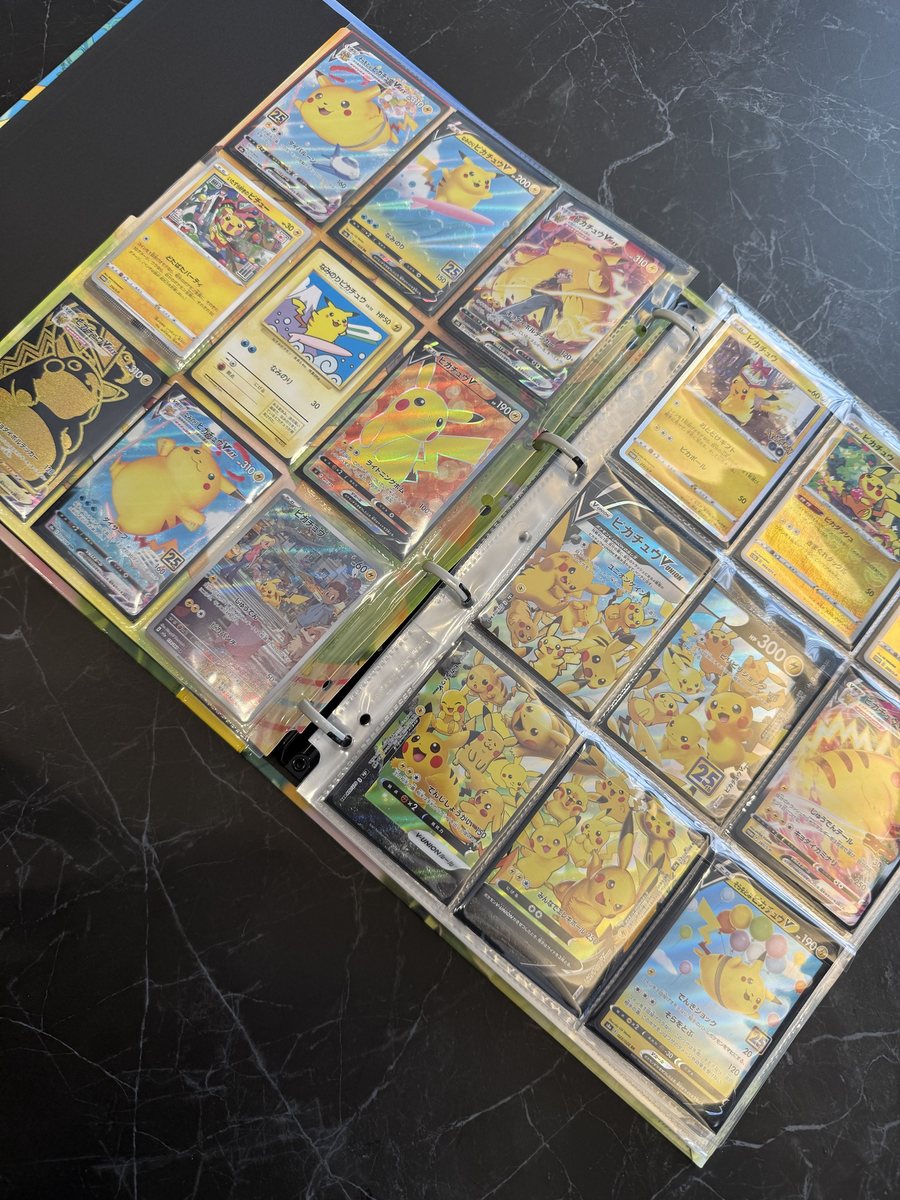
- A binder or a card box: keep the rest in a binder with clear pocket pages, or in a storage box, like the site owner's binder in the photo.
- Carry-on bag: pack your cards in your carry-on, so they are not crushed or lost with checked luggage.
The site owner says sleeves that keep cards clean and boxes for storing cards are also sold at 100-yen shops. See 100-yen shops in Japan.
My visit
I like Pikachu, so I collect Pikachu cards. If you go round the trading-card shops efficiently, they're easy to collect. If you have a favorite character or illustrator, the cards are often lined up by character or by artist in the cases, so decide what you want to buy before you go. At popular card shops, people line up before opening time to buy oripa, and on weekends and long holidays the shops often have limited-edition oripa, so there's often a line before they open.
Last reviewed: October 17, 2026. Card prices, stock, lotteries and shop rules change often; please check the official pages below and the signs in each shop.
References
- Play! Pokémon: TCG Tournament Handbook (English)
- Pokémon Card Game: Store search (Japanese)
- Pokémon Card Game: Products (Japanese)
- Pokémon Card Game: Card search (Japanese)
- Pokémon Card Game: My Number card identity check for the 30th anniversary products (Japanese)
- Pokémon Card Game: Notice on counterfeit products (Japanese)
- The Pokémon Company: Store pages (English)
- Pokémon Center Online: Delivery guide (Japanese)