Sumimasen Guide
🌐 Language

Machine translations are made by Google Translate and may contain mistakes. Please check laws and prices (yen amounts) on the English page.

기계 번역은 틀릴 수 있습니다. 법률과 금액은 영어판에서 확인하세요.

홈 › 전국 공통 규칙 › 음식

전국 공통 규칙 · 음식

이 글은 AI의 도움을 받아 영어판을 번역했습니다. 영어판 원문 보기

향수와 일본 식당: 스시와 가이세키 카운터가 향을 자제해 달라고 하는 이유
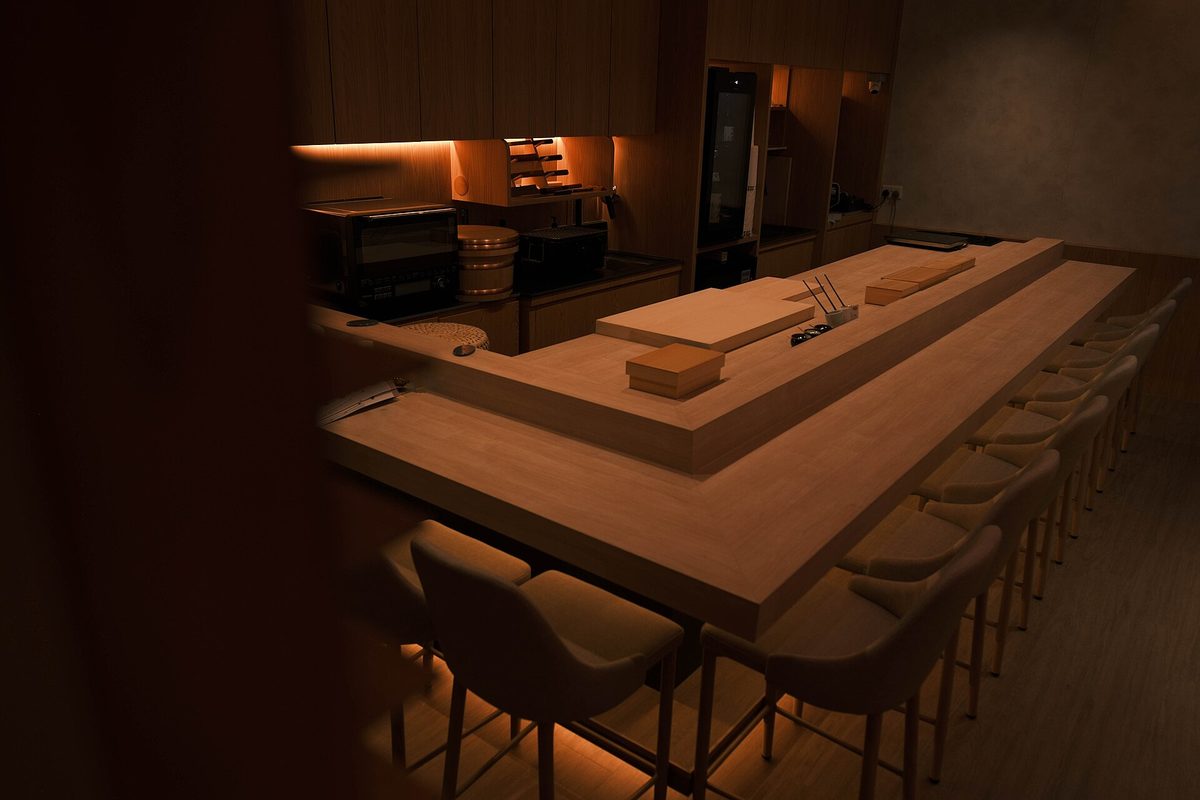
좌석이 가까이 붙어 있는 빈 나무 스시 카운터
스시 카운터. 좌석이 가까이 있고 셰프가 바로 앞에서 일합니다.Photo: Bobby.Creations, CC BY 4.0, via Wikimedia Commons

특별한 저녁을 위해 스시 카운터나 가이세키 식당을 예약했고, 최고의 모습과 향을 내고 싶을 것입니다. 큰 차이를 만드는 작은 것이 하나 있습니다. 이런 종류의 일본 식당은 많은 경우 손님에게 강한 향수를 쓰지 말아 달라고 부탁합니다. 당신 때문이 아니라 음식과, 모두가 가까이 앉기 때문입니다. 이 짧은 안내에서는 그 이유를 설명하고, 식당이 어떻게 부탁하는지 보여주고, 걱정 없이 저녁을 즐기는 쉬운 방법을 제안합니다.

이 페이지에는 제휴 링크가 포함될 수 있습니다. 링크를 통해 구매하시면 추가 비용 없이 저희가 수수료를 받을 수 있습니다.

  • 두 가지 이유: 음식의 향, 그리고 가까운 좌석
  • 식당이 예약 안내에 실제로 쓰는 표현
  • 대신 할 수 있는 간단한 일
  • 어디서 조심해야 하는지 한눈에
식당이 부탁하는 두 가지 이유 일본 식당이 향수 자제를 부탁하는 이유 이유 하나: 향은 요리의 일부입니다. 예를 들어 다시, 유자 껍질, 기노메 잎, 산초. 이유 둘: 카운터는 좌석이 가까워 향이 모두에게 닿고, 강한 향으로 불편해하는 사람도 있습니다. 1. 음식 향은 요리의일부입니다다시 육수유자 껍질기노메 잎산초 2. 좌석 카운터에나란히 앉음향이 모두에게닿음어떤 사람은두통을 겪음
농림수산성, 식당 예약 안내, 소비자청(2026년 10월 확인)을 바탕으로 합니다.

이유 1: 일본 요리에서 향은 요리의 일부입니다

일본 요리는 혀만이 아니라 코로도 즐깁니다. 일본 농림수산성은 일본 음식 문화가 와사비, 겨자, 생강, 산초 같은 양념을 더해 독특한 풍미와 계절감을 즐긴다고 설명하며, 산초는 감귤 같은 향이 나고 어린잎은 장식으로 쓴다고 합니다. 많은 요리의 기본인 다시도 향이 중요합니다. 맑은국에서는 향만을 위해 작은 유자 껍질이나 기노메(산초 잎) 가지를 넣기도 하는데, 뚜껑을 여는 순간 바로 느껴집니다. 옆에서 강한 향수가 나면 이 모든 것이 당신과 옆 사람 모두에게 가려집니다.

이유 2: 가까이 앉습니다

스시 바와 가이세키 식당은 흔히 작고, 손님이 셰프 앞 카운터에 나란히 앉습니다. 당신에게는 은은하게 느껴지는 향도 카운터 전체에 닿을 수 있습니다. 일본 소비자청은 다른 부처와 함께 "그 향: 불편해하는 사람이 있습니다"라는 포스터 캠페인을 진행하며, 섬유 유연제 같은 향 제품으로 인한 두통과 메스꺼움 신고가 소비자 센터에 접수되고, 사람마다 향을 느끼는 정도가 다르므로 향 제품을 쓸 때 주변을 배려해 달라고 합니다.

식당이 쓰는 표현

실제 식당이 어떻게 표현하는지 소개합니다(식당 이름은 밝히지 않으며, 표현은 2026년 10월 4일에 확인했습니다).

예약할 때 안내를 읽으세요. 예약 사이트와 식당 페이지는 이를 "손님에게 부탁"이나 복장 규정 항목에 쓰는 경우가 많습니다.

향: 어디서 자제할까 향수를 자제할 곳, 가볍게 할 곳, 신경 안 써도 되는 곳 자제: 스시 카운터, 가이세키 식당, 예약 안내가 부탁하는 식당. 가볍게: 카운터나 작은 방이 있는 다른 일본 식당, 다도 체험, 료칸 저녁. 적당히면 보통 괜찮음: 캐주얼 식당, 카페, 쇼핑, 야외 관광. 이는 규칙이 아니라 안내이며, 식당의 자체 안내가 우선입니다. 향수 자제 스시 카운터가이세키 식당예약 안내가 부탁하는 곳 아주 가볍게 카운터나 작은 방이 있는 다른 일본 식당다도, 료칸 저녁 적당하면 보통 괜찮음 캐주얼 식당, 카페, 쇼핑 규칙이 아니라 안내입니다. 식당의 자체 안내가 우선.
2026년 10월 4일에 확인한 식당 예약 안내와 소비자청의 향 캠페인을 바탕으로 한 저희 요약입니다. 다도와 료칸은 일반적인 예의이며 공식 규칙은 찾지 못했습니다.

대신 할 수 있는 일

  1. 스시나 가이세키 저녁 당일에는 향수와 코롱을 자제하세요. 저녁 후에는 다시 뿌려도 됩니다.
  2. 향을 약간 원한다면 아주 가볍게, 몸의 낮은 부위에. 한 향수 브랜드의 공식 안내는 은은한 향은 발목, 허리, 무릎 뒤, 강한 향은 손목을 권합니다.
  3. 다른 향도 기억하세요: 헤어 제품, 바디 크림, 향이 강한 섬유 유연제.
  4. 예약 안내를 읽고 일행 모두와 공유하세요.

향과 정적이 경험의 일부인 다도, 료칸 저녁, 사찰 숙박에서도 같은 배려가 좋게 받아들여집니다. 이 경우 공식 규칙은 찾지 못했으므로 좋은 예의로 여기세요.
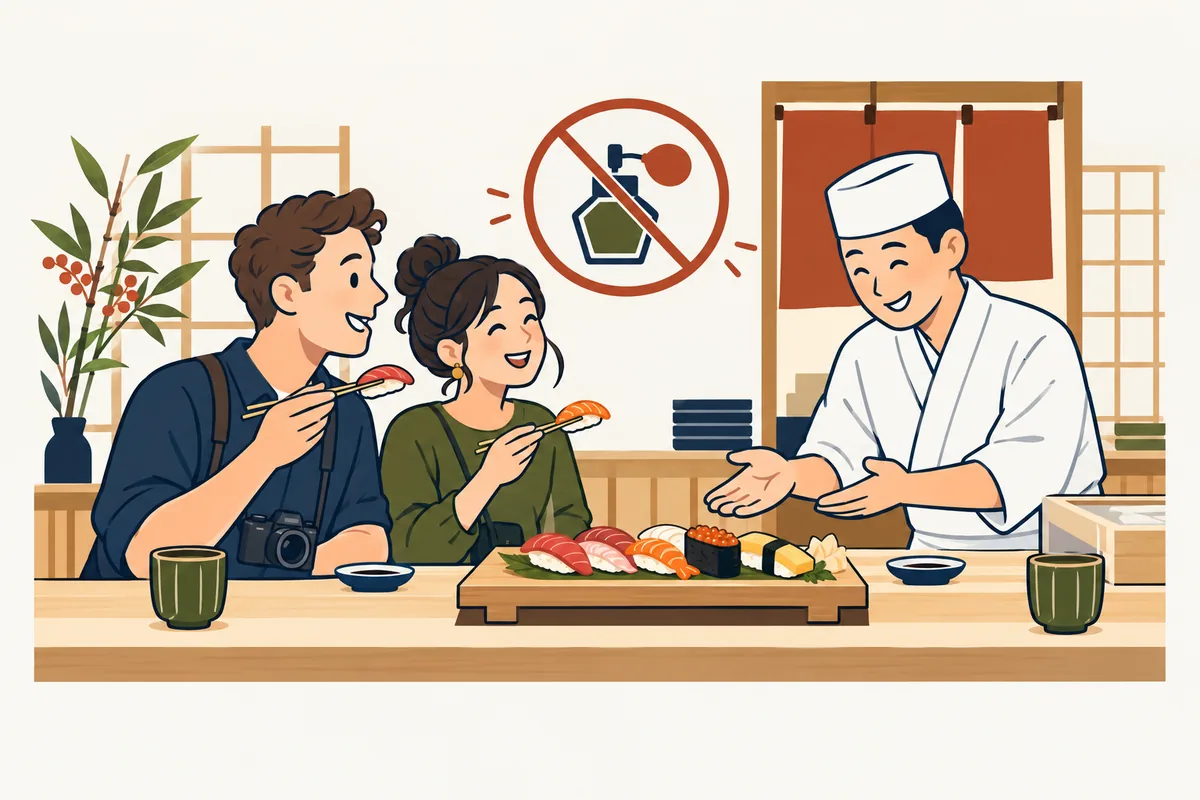
Illustration: travelers enjoying sushi at a counter served by a smiling chef, with a crossed-out perfume bottle symbol on the wall
At a sushi counter, the aroma of the food is part of the meal.일러스트 (AI 생성)

외식에 대해 더: 회전초밥은 어떻게 작동하는지와 일본의 음식 알레르기.

최종 확인: 2026년 10월 4일. 각 식당이 자체 부탁을 정합니다. 예약 안내를 읽어 주세요.
참고 자료

함께 보면 좋은 가이드

전국 공통 · 음식 더 보기

Photo credits

  1. An empty wooden sushi counter with seats close together. Photo: Bobby.Creations, CC BY 4.0, via Wikimedia Commons
  2. Plates of sushi in different colors moving along a conveyor belt. Photo: JIP, CC BY-SA 4.0, via Wikimedia Commons (title text added)
  3. A restaurant window display of plastic food samples with price labels. Photo: Lombroso, Public domain, via Wikimedia Commons (title text added)
  4. A bowl of creamy pork-bone ramen with sliced pork, egg and greens. Photo: Alasdair at en.wikipedia, CC BY 2.5, via Wikimedia Commons (title text added)
  5. A red lacquer bowl of miso soup with tofu, wakame seaweed and mitsuba leaves, seen from above. Photo: Douglas Perkins, CC0, via Wikimedia Commons (title text added)
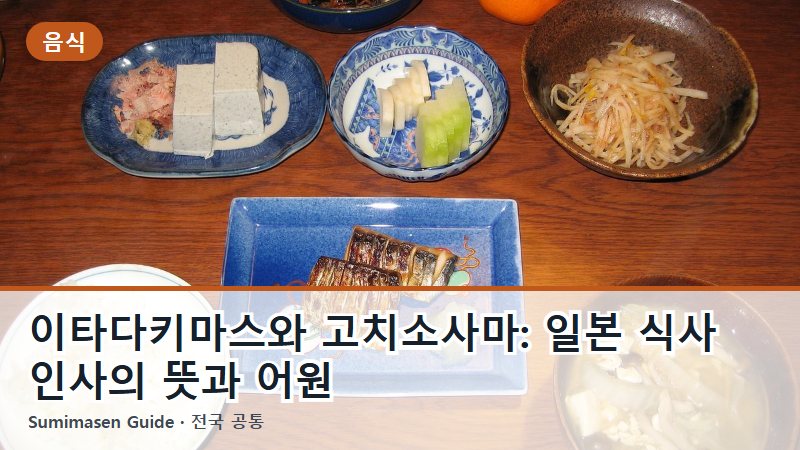
  6. A home dinner on a wooden table: a bowl of white rice, miso soup with tofu and mushrooms, grilled fish and small side dishes. Photo: サフィル, CC BY-SA 4.0, via Wikimedia Commons (title text added)
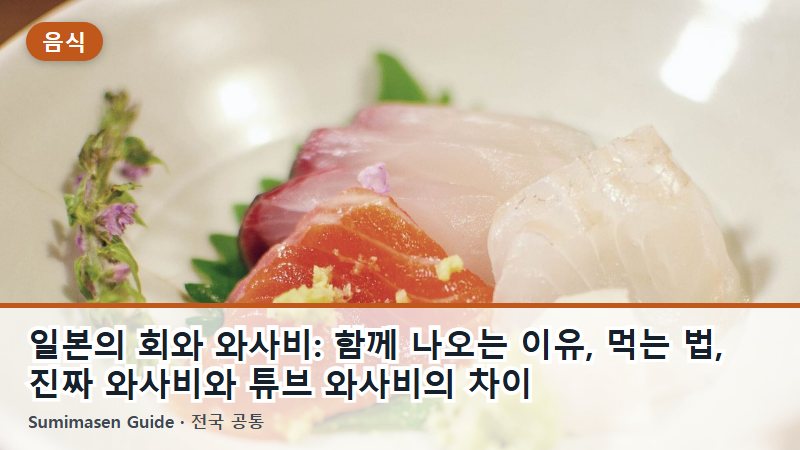
  7. A plate of sashimi: slices of salmon and white fish on green leaves, a small mound of grated wasabi, a little wasabi on the salmon, and a sprig of shiso flowers. Photo: Ikusuki, CC BY 2.0, via Wikimedia Commons (title text added)
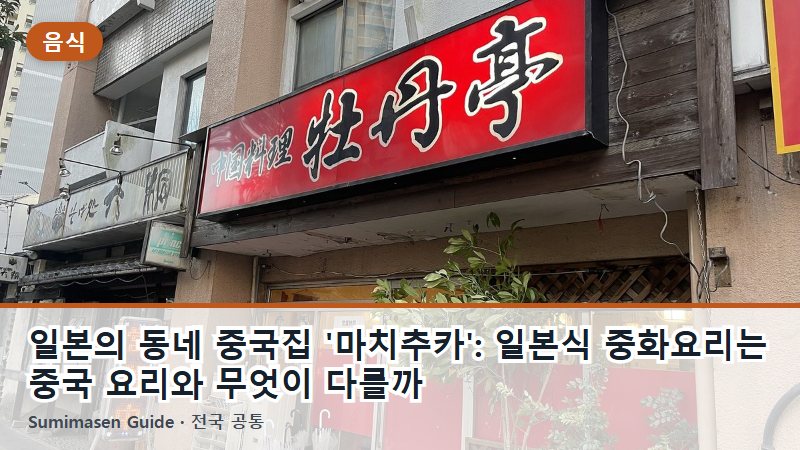
  8. The front of a small Chinese restaurant with a big red sign and a lit "open" sign on a street in Nagoya (Aichi). Photo: Eugene Ormandy, CC BY-SA 4.0, via Wikimedia Commons (title text added)
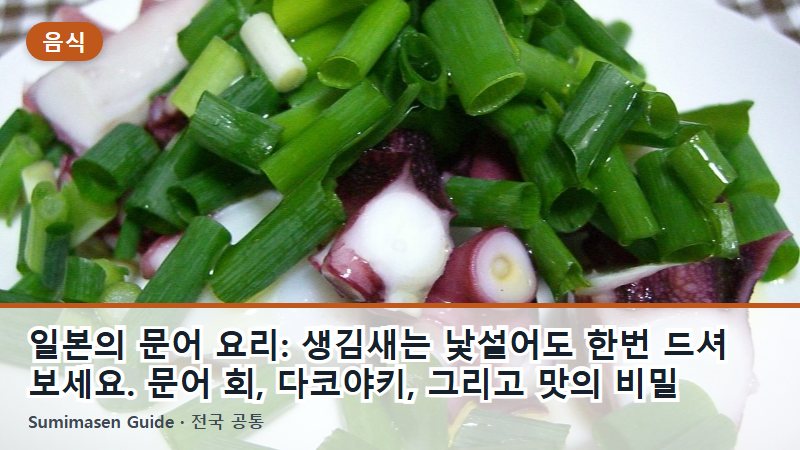
  9. Bite-size pieces of boiled octopus with purple-red skin and white flesh, topped with lots of chopped green onion. Photo: jim212jim, CC BY 2.0, via Wikimedia Commons (title text added)
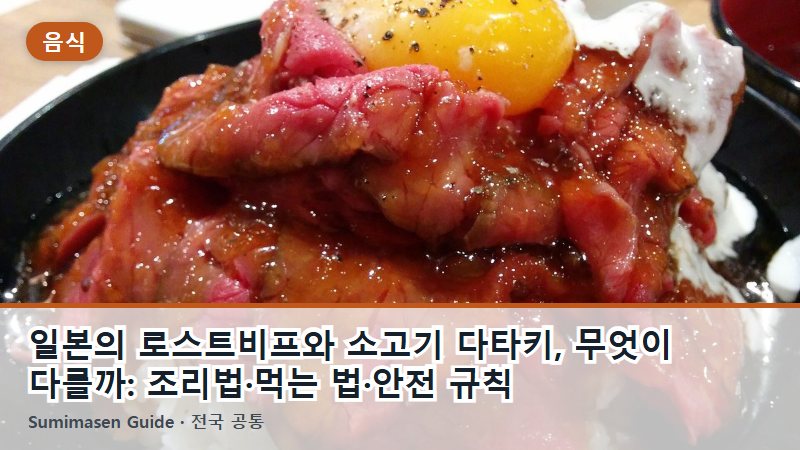
  10. A Japanese roast beef bowl: thin pink slices of beef piled over rice, topped with a raw egg yolk. Photo: Pocsywe, CC0, via Wikimedia Commons (title text added)
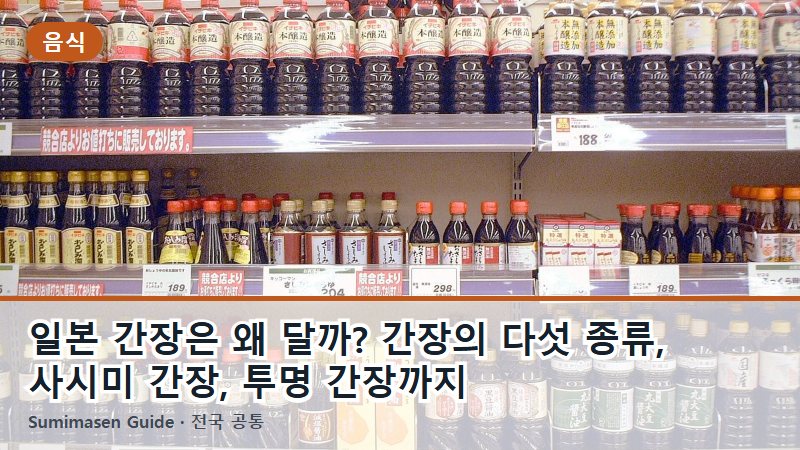
  11. A Japanese supermarket shelf lined with rows of soy sauce bottles in many sizes and label colors. Photo: Kanesue, Public domain, via Wikimedia Commons (title text added)
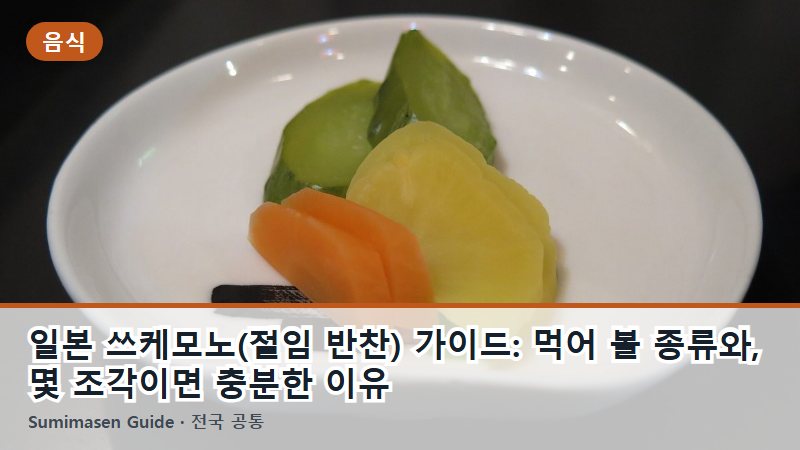
  12. A small white dish of Japanese pickles: yellow takuan, orange carrot and green cucumber slices. Photo: Douglas Perkins, CC0, via Wikimedia Commons (title text added)
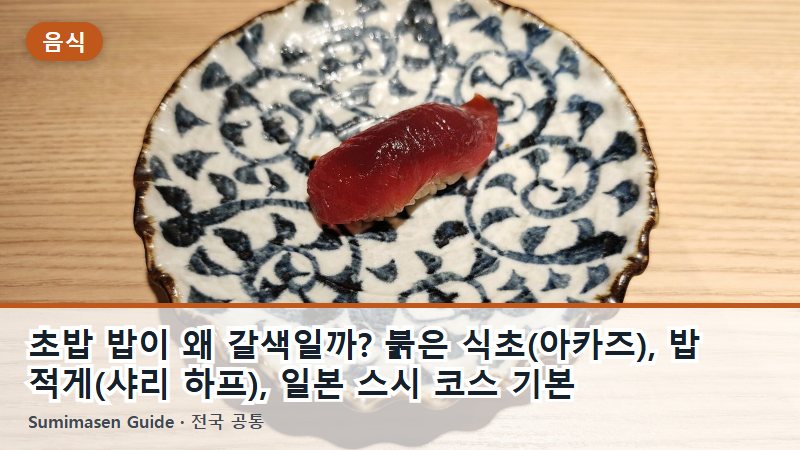
  13. A piece of tuna nigiri on a blue and white patterned plate. Photo: RuinDig/Yuki Uchida, CC BY 4.0, via Wikimedia Commons (title text added)
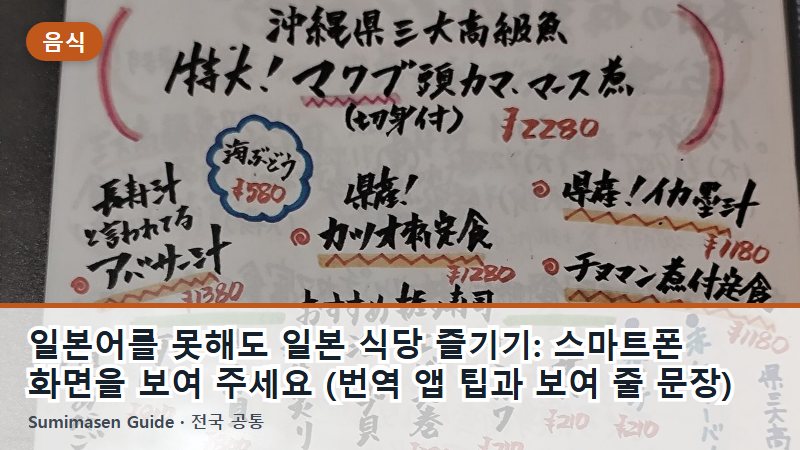
  14. A handwritten Japanese lunch menu with dish names and prices in black and red ink. Photo: NORTLAUKAU 26088 JP, CC0, via Wikimedia Commons (cropped, title text added)
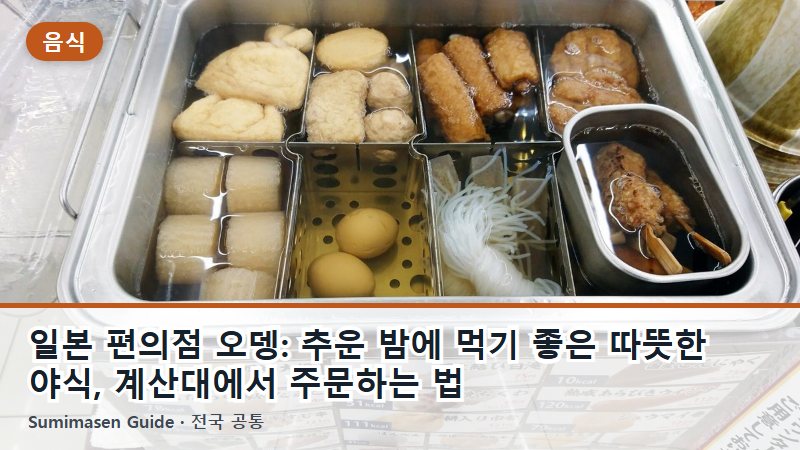
  15. A metal oden pot at a convenience store counter in Japan, with daikon, eggs, shirataki noodles, fried tofu and skewered beef tendon simmering in separate sections. Photo: Ocr7041r38, CC BY-SA 4.0, via Wikimedia Commons (title text added)
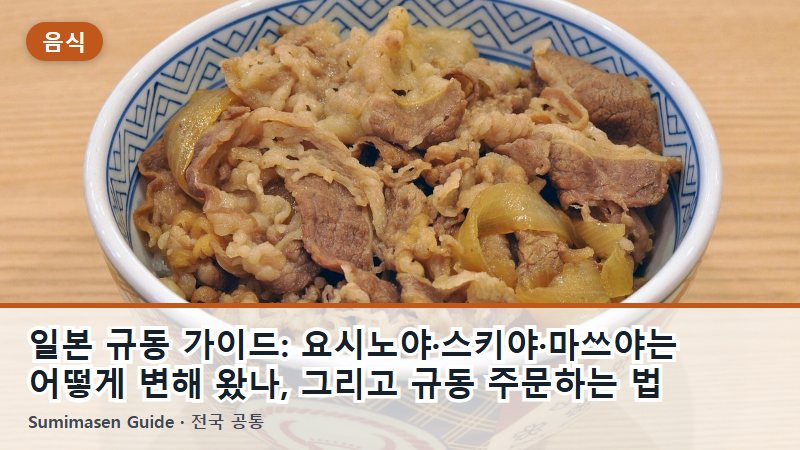
  16. A bowl of gyudon: thinly sliced simmered beef and onion over rice, in a patterned bowl on a wooden table. Photo: Ocdp, CC0, via Wikimedia Commons (title text added)
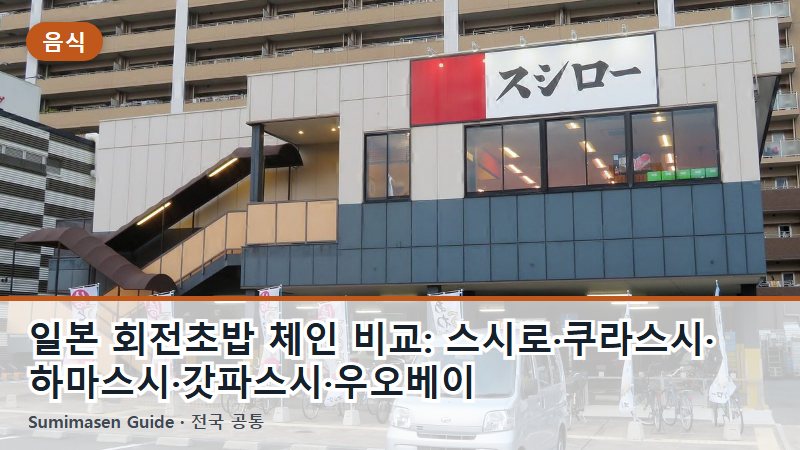
  17. A Sushiro conveyor-belt sushi restaurant on the upper floor of a building, with a red and white sign, banners and a parking area with a van and bicycles below. Photo: Tokumeigakarinoaoshima, CC BY-SA 4.0, via Wikimedia Commons (title text added)
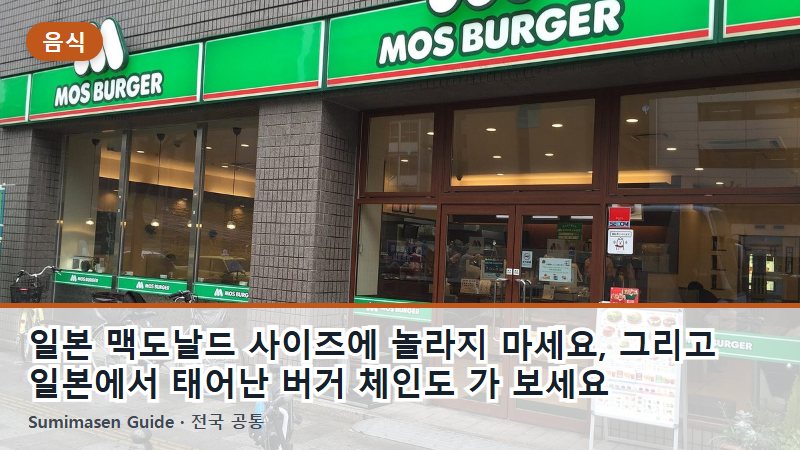
  18. The front of a MOS Burger shop with green signs and big windows, with bicycles parked outside and a menu board by the door. Photo: Tjeerd Wiersma, CC BY 2.0, via Wikimedia Commons (title text added)
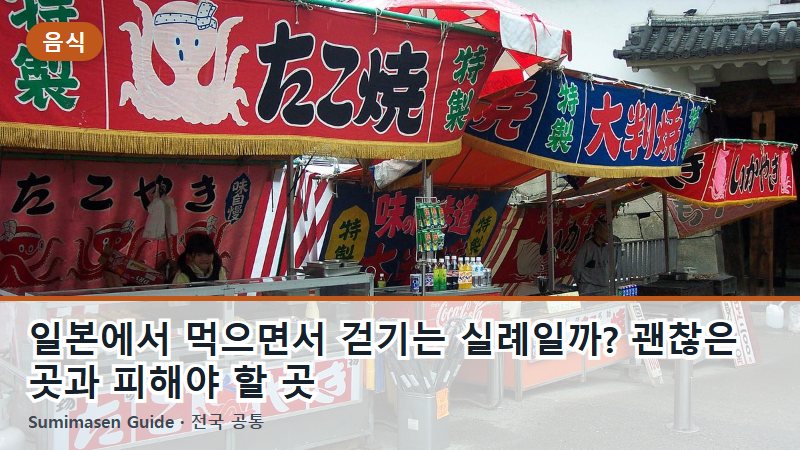
  19. A takoyaki food stall with a bright octopus banner. Photo: whalt, CC BY 2.0, via Wikimedia Commons (title text added)
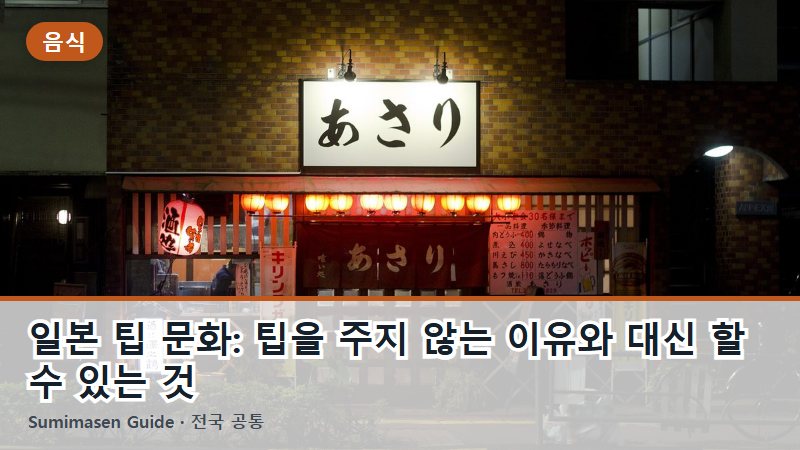
  20. The lit entrance of a small izakaya with a white sign. Photo: Japanexperterna.se, CC BY-SA 3.0, via Wikimedia Commons (title text added)
  21. Japanese yen banknotes and coins. Photo: ASTELUS, CC BY-SA 4.0, via Wikimedia Commons (title text added)
  22. A set restaurant table with a reserved sign. Photo: David Baron, CC BY-SA 2.0, via Wikimedia Commons (title text added)
  23. A plate of sashimi with wasabi and soy sauce. Photo: Douglas Perkins, CC BY 4.0, via Wikimedia Commons (title text added)

Card images combine these photos with the page title. Photos are used under their licenses (public domain, CC0, CC BY or CC BY-SA); adapted images are shared under the same license as the original.

일러스트

이 페이지의 일부 카드 이미지는 사진이 아니라 일러스트(AI 생성)입니다.