Best Time to Visit Japan, Month by Month: Japan in November, December and Winter, Then the Rest of the Year
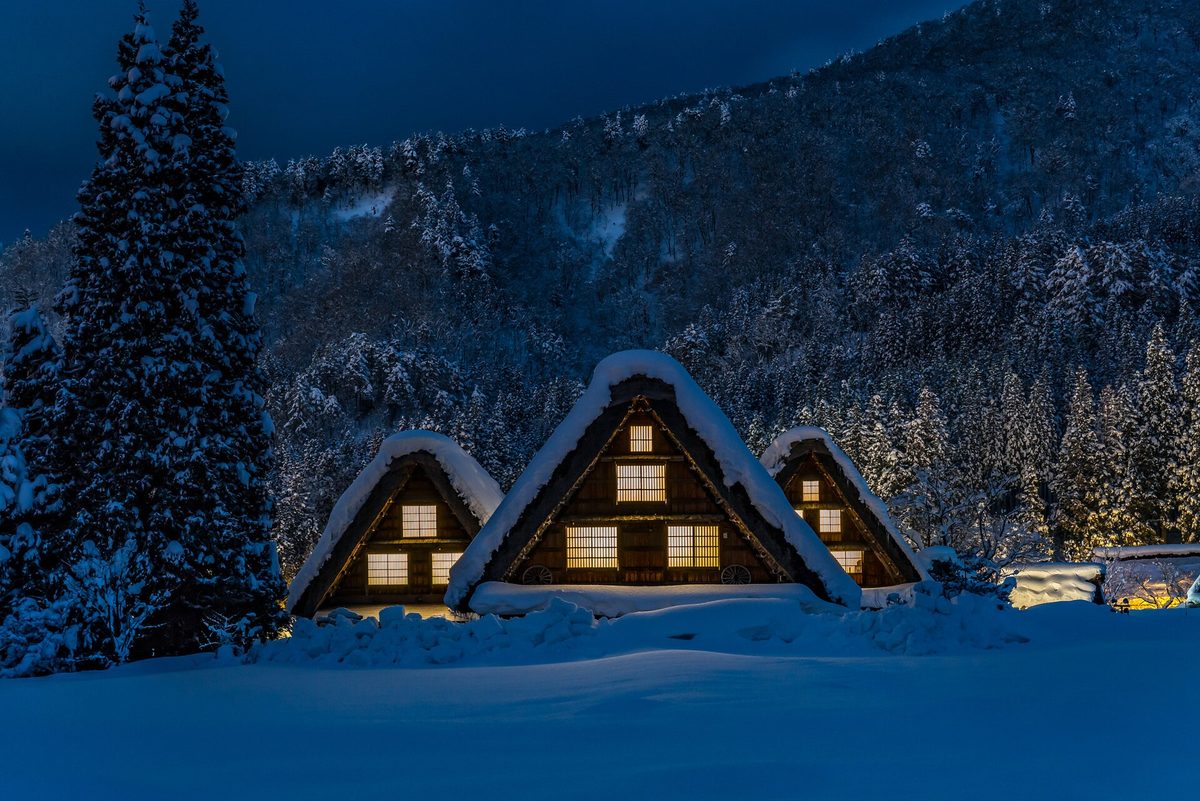
There is no single best month to visit Japan. The right time depends on what you want to see, how much heat, rain or cold you are happy with, and whether you can avoid Japan's own holiday rush. This guide starts with the months many people are planning right now, November, December and winter, then walks through the rest of the year. Every temperature and rainfall figure is a 30-year average (1991 to 2020) from the Japan Meteorological Agency (JMA), Japan's national weather service.
Choosing dates for a long trip can feel like a big decision. The good news: every season has something worth the journey, and a few simple facts make the choice much easier.
This page may contain affiliate links. If you buy through them, we may earn a commission at no extra cost to you.
- November: about 12.5°C on average in Tokyo and Kyoto, much less rain than October, and autumn leaves in the cities from mid-November
- December: cold and dry in Tokyo (57.9 mm of rain), winter lights everywhere, and the New Year holiday from about December 29 to January 3
- January and February: Tokyo averages 5.4°C and 6.1°C; Sapporo (Hokkaido) is below freezing with deep snow; Naha (Okinawa) stays around 17°C
- Spring brings cherry blossoms (late March to early April in Tokyo and Kyoto); June and July bring the rainy season; August and September are the peak typhoon months
- Japan's busiest travel times are Golden Week, Obon and the New Year
The short answer: which month for what
- Mild weather and autumn color: November.
- Clear skies, winter lights and fewer rainy days in Tokyo: December to February.
- Snow, skiing and the Snow Festival in Sapporo (Hokkaido): January and February.
- Cherry blossoms: late March to early April in Tokyo and Kyoto.
- Beaches and festivals: July and August, if you are fine with heat.
- Lower risk of trains stopping for storms: avoid relying on tight plans in August and September.
Japan in November: mild days and autumn leaves
November is one of the easiest months to travel. In Tokyo the average temperature is 12.5°C (daily high 16.7°C, low 8.8°C), and Kyoto is almost the same (12.5°C, high 17.3°C, low 8.4°C). After a wet October (234.8 mm of rain in Tokyo), November drops to 96.3 mm.
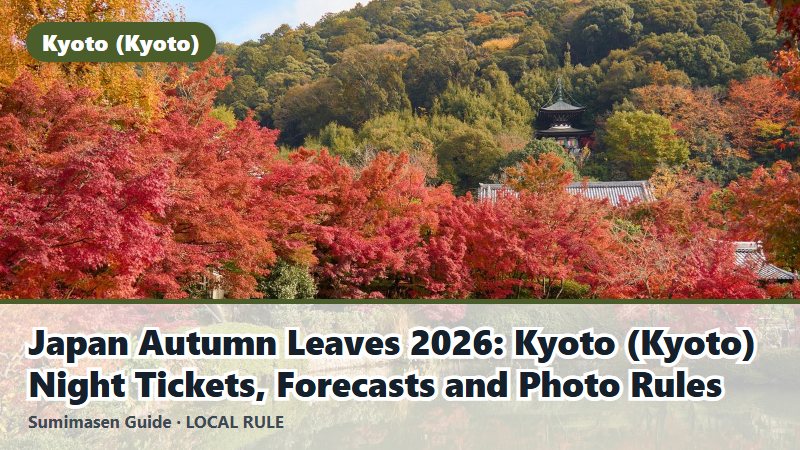
The big draw is autumn color. JNTO, Japan's national tourism organization, says the leaves turn from Hokkaido southward between late September and early December. In the cities, JMA's records give a feel for the timing: its reference maple tree turns red on average around November 28 in Tokyo, December 1 in Osaka and December 5 in Kyoto, and around October 28 in Sapporo (Hokkaido). Famous gardens and mountain temples can be earlier or later than the single tree JMA watches, so use these dates as a guide. Our autumn leaves guide (affiliate link) covers night illuminations, forecasts and photo rules in Kyoto and Tokyo.
Two practical notes. Days are short: in Tokyo the sun sets at 16:46 on November 1 and 16:35 on November 15 (National Astronomical Observatory of Japan), so plan outdoor sightseeing for the morning and early afternoon. And if you plan to shop, Japan's tax-free system changes on November 1, 2026; see how the new refund works.
Japan in December: dry, cold and full of lights
December in Tokyo averages 7.7°C (high 12.0°C, low 3.8°C) with only 57.9 mm of rain and about 174 hours of sunshine, so clear, crisp days are common. Osaka is similar at 8.7°C. A warm coat is enough for the big cities; you won't usually need snow boots there.
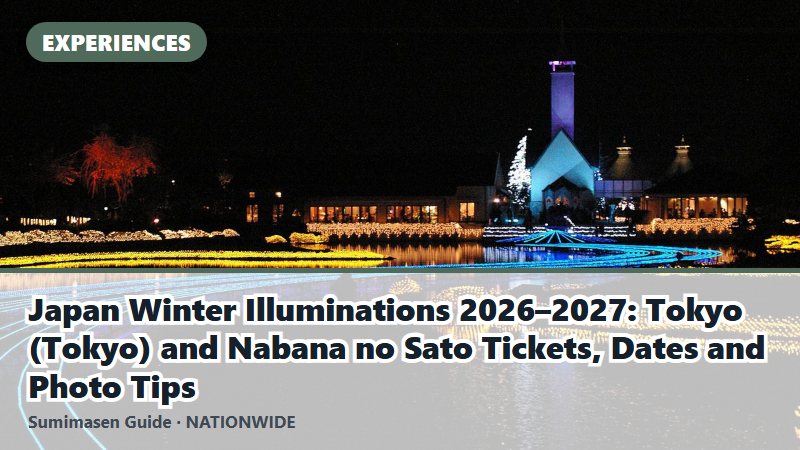
- Winter illuminations: many light displays run through December; Tokyo Dome City's, for example, runs from November 19, 2026 to February 28, 2027. See Japan's winter illuminations for dates and tickets, including Nabana no Sato near Nagoya (Aichi).
- Sunset around 16:30: in Tokyo the sun sets at 16:28 on December 1 and 16:29 on December 15, which is good news for light displays.
- The New Year holiday: JNTO describes it as roughly December 29 to January 3, when many offices and businesses close for part of the period. Trains run, but they are busy: JR Central and JR West made all Nozomi Shinkansen seats reserved-only from December 25, 2026 to January 5, 2027. Our New Year closures guide explains what stays open, and the tradition of hatsumode (the first shrine or temple visit of the year).
Want the lights without planning the trip there? Klook sells a Nabana no Sato and Nagashima Outlet day tour from Nagoya (Aichi) (affiliate link). Its winter session departs at 10:00 from December 15 to January 31, and you can choose a package with or without Nabana no Sato admission (checked October 17, 2026). December 23 to 25 needs the venue's special Christmas ticket, so confirm your date with the tour.
Japan in winter (January and February): snow in the north, sun in Tokyo
Winter is not the same everywhere. These are January averages:
- Tokyo: 5.4°C (high 9.8°C, low 1.2°C). February averages 6.1°C. JMA records snowfall on about 3 days in an average January, and it rarely settles.
- Sapporo (Hokkaido): -3.2°C (high -0.4°C, low -6.4°C), with about 137 cm of snowfall in January and 116 cm in February. Pack proper winter boots and read our guide to icy sidewalks in Sapporo (Hokkaido).
- Naha (Okinawa): 17.3°C (high 19.8°C, low 14.9°C). Okinawa's early cherry blossoms (hikanzakura) bloom around January 16 on average.
The Snow Festival in Sapporo (Hokkaido) runs from February 4 to 11, 2027. Winter is also a good time to see Mt. Fuji from Tokyo: the Tokyo Metropolitan Government says that from its free observation deck, December to February, when the air is cold and clear, offers many days with a view of the mountain.
Spring (March to May): cherry blossoms and Golden Week
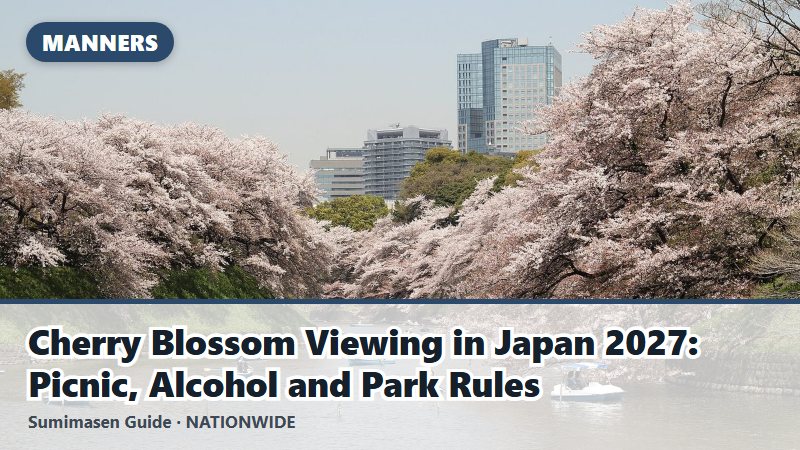
JMA's average dates for the first cherry blossoms are March 24 in Tokyo and March 26 in Kyoto, with full bloom around March 31 in Tokyo and April 4 in Kyoto. In Sapporo (Hokkaido) the blossoms come about a month later, around May 1. Real dates move from year to year: in 2026, Tokyo's first blossoms opened on March 19. See our hanami guide for park rules on picnics and alcohol.
Spring weather is comfortable: Tokyo averages 14.3°C in April and 18.8°C in May. The catch is Golden Week, a run of Japanese public holidays from late April to the beginning of May, when trains, hotels and popular sights fill up.
Summer (June to August): rain, then heat
The rainy season (tsuyu) comes first. JMA's average dates are about June 7 to July 19 for the Tokyo area, June 6 to July 19 for the Kansai area around Kyoto and Osaka, and May 10 to June 21 for Okinawa. JMA does not list a rainy season for Hokkaido.
After the rains, it gets hot and humid. August averages are 26.9°C in Tokyo (daily high 31.3°C) and 28.5°C in Kyoto (high 33.7°C). JNTO notes that summer is the season of beaches, fireworks and street festivals. Drink water often and plan indoor breaks in the afternoon. Mid-August is also Obon, a Buddhist holiday for honoring ancestors when many people travel to their hometowns.
Autumn (September and October): typhoons, then clear days
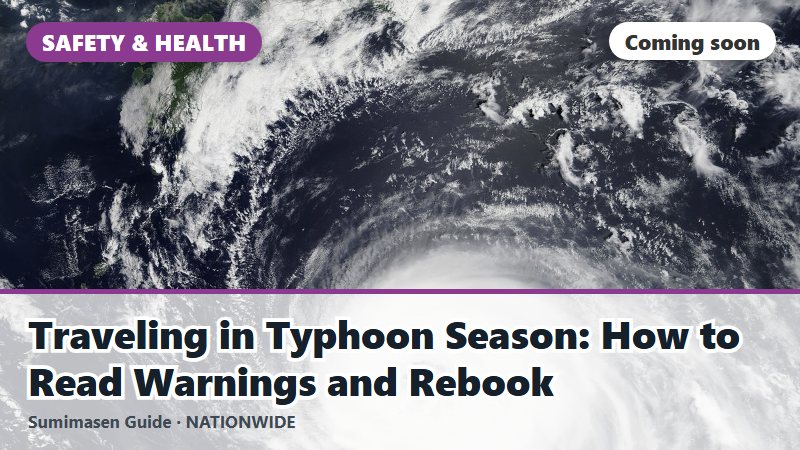
JMA's statistics show an average of 3.3 typhoons coming close to Japan in August and 3.3 in September, falling to 1.7 in October. September (224.9 mm) and October (234.8 mm) are also Tokyo's wettest months. A storm can stop trains and flights for a day, so leave some slack in your plans and read our guide to traveling in typhoon season. By late October the weather usually settles into the clear, mild days that make November so popular.
Month by month at a glance
| Month | Tokyo average | Good for | Keep in mind |
|---|---|---|---|
| January | 5.4°C (42°F) | Snow in Hokkaido, clear skies in Tokyo | New Year closures in the first days |
| February | 6.1°C (43°F) | Snow Festival in Sapporo (Hokkaido), onsen | Cold in the north |
| March | 9.4°C (49°F) | Cherry blossoms from late March | Blossom dates move every year |
| April | 14.3°C (58°F) | Cherry blossoms, mild weather | Golden Week crowds at the end |
| May | 18.8°C (66°F) | Green gardens, comfortable walking | Golden Week at the start |
| June | 21.9°C (71°F) | Hokkaido | Rainy season in most of Japan |
| July | 25.7°C (78°F) | Festivals, beaches | Heat after the rainy season ends |
| August | 26.9°C (80°F) | Fireworks, beaches | Heat, Obon, typhoons |
| September | 23.3°C (74°F) | Fewer crowds | Typhoons, heavy rain |
| October | 18.0°C (64°F) | Leaves in Hokkaido, clear days late in the month | Some typhoons, rain |
| November | 12.5°C (55°F) | Autumn leaves, mild weather | Short days, busy leaf spots |
| December | 7.7°C (46°F) | Winter lights, dry and sunny days | New Year closures from about December 29 |
Busy times to plan around
Japan's own holidays matter as much as the weather. During Golden Week (late April to the beginning of May), Obon (mid-August) and the New Year (about December 29 to January 3), many people in Japan travel at the same time. If your dates fall in these periods, book trains and hotels early. Our guide to Shinkansen tickets and the JR Pass explains how to reserve seats, and the trip checklist covers what to arrange before you fly.
Already thinking about spring 2027? Cherry blossom season is short, so good options go early. Klook lists an English-guided street food and cherry blossom walk in Yanaka, Tokyo (affiliate link), about 2.5 hours with a hanami bento, available from March 22 to April 8, 2027, for groups of at least 2 (checked October 17, 2026). Pick your month, then lock in the one experience you'd be sad to miss.
Last reviewed: October 17, 2026. Weather figures are long-term averages; actual weather, bloom dates and event dates change every year.
References
- Japan Meteorological Agency: Climate normals, Tokyo, 1991–2020 (Japanese)
- Japan Meteorological Agency: Climate normals, Kyoto, 1991–2020 (Japanese)
- Japan Meteorological Agency: Climate normals, Osaka, 1991–2020 (Japanese)
- Japan Meteorological Agency: Climate normals, Sapporo (Hokkaido), 1991–2020 (Japanese)
- Japan Meteorological Agency: Climate normals, Naha (Okinawa), 1991–2020 (Japanese)
- Japan Meteorological Agency: Cherry blossom first-bloom dates and averages (Japanese)
- Japan Meteorological Agency: Cherry blossom full-bloom dates and averages (Japanese)
- Japan Meteorological Agency: Maple leaf color dates (Japanese)
- Japan Meteorological Agency: Rainy season start and end, with averages (Japanese)
- Japan Meteorological Agency: Tropical cyclone information for tourists
- National Astronomical Observatory of Japan: Sunrise and sunset in Tokyo, November 2026 (Japanese)
- National Astronomical Observatory of Japan: Sunrise and sunset in Tokyo, December 2026 (Japanese)
- JNTO: Weather and geography
- Tokyo Metropolitan Government: Observation decks (Japanese)
- JR Central and JR West: Nozomi reserved-seat periods, May 21, 2026 (Japanese, PDF)