Bonsai: Japan's Living Art of a Landscape in a Pot, the Classic Shapes, Where to See It, and Why You Usually Can't Fly One Home
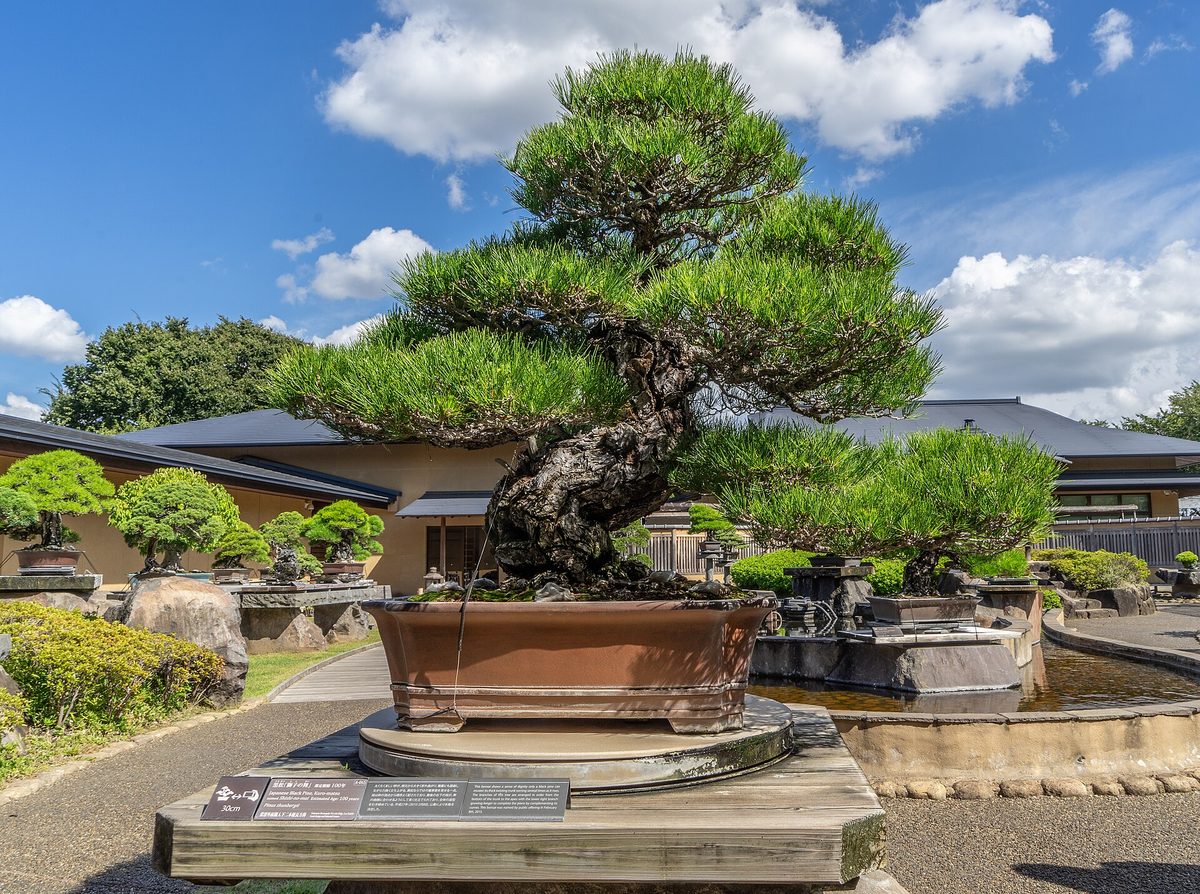
A bonsai can look like a small plant in a dish, but stand in front of a good one in Japan and it starts to look like an old tree on a windy cliff or a forest seen from far away. Bonsai is a living art that Japan has refined over centuries, and some trees in Japanese collections have been cared for by one generation after another for hundreds of years. This column explains what bonsai is, how a tree is kept small and beautiful, the classic shapes, where you can see masterpieces in Japan, and what to know before you think about taking one home.
The short answer
- What it is: a tree grown in a shallow pot and shaped so that it shows a grand natural landscape in a small space. It is alive, so the work never ends.
- Passed down: the oldest tree at the Omiya Bonsai Art Museum, an Ezo spruce called Todoroki, is estimated to be 1,000 years old.
- Where to see it: Omiya Bonsai Village and the Omiya Bonsai Art Museum in Saitama City (Saitama), Shunkaen BONSAI Museum in Tokyo, and the Kokufu Bonsai Exhibition in Tokyo every February.
- Taking one home: most countries set plant quarantine rules for bonsai, and many ban soil on the roots. Check your country's rules first; often a bonsai can't simply go in your suitcase.
What bonsai is: a landscape in a pot
The word is written with two characters: bon, a tray or dish, and sai, a planted tree. A Japan Tourism Agency text translates it as "tree planted in a shallow pot," but adds that this doesn't capture its cultural and spiritual meaning. Its aim is to condense nature into a small form that, through careful cultivation, shows the sensibility of the artist while keeping the tree alive and natural.
The Omiya Bonsai Art Museum puts it simply: when you look at a bonsai, imagine a grand natural landscape compressed into a pot. Look at the whole shape, and then at each part:
- Roots (nebari): thick roots that spread out in all directions and grip the soil show the tree's strength.
- Lower trunk (tachi-agari): the part from the roots to the first branch, which gives the feeling of a full-sized tree. Old pines build up layers of bark over many years.
- Branches (edaburi): they form the outline, and a fine bonsai has them in a pleasing balance. Bare branches in winter are a highlight of their own.
- Leaves: maples turn red in autumn; other trees are grown for their flowers or fruit.
- Deadwood (jin and shari): on pines and junipers, parts of a branch or trunk can die over time and turn white while keeping their shape, a striking contrast with the green leaves.
Where bonsai came from
The same Japan Tourism Agency text says the word "bonsai" itself is only about two centuries old, but old paintings and scrolls show that the art has roots in Chinese gardening practices of some 1,300 years ago. It says the art came to Japan in 1185–1333 (the Kamakura period) together with Zen Buddhism, when it was called bonsan: the "san" refers to mountain-shaped stones set with small trees to make a scene to reflect on nature and life. Accounts of exactly when it first reached Japan differ, so treat any single date as one view.
How a tree is kept small and beautiful
The museum describes the beauty of bonsai as a conversation between the art of the grower and the life of the tree. The basic work is:
- Watering, the daily task that matters most. The grower checks the soil every day, because too much water can rot the roots of a weak tree.
- Pruning unwanted and overgrown branches. A cut branch can never be put back, so the grower decides the future shape before cutting.
- Wiring branches into the shape the grower wants, which takes great skill so as not to harm the tree.
- Repotting: from time to time the tree is lifted out, its roots are trimmed, and it goes back into fresh soil.
Because the tree keeps growing, this work never stops, and a bonsai can outlive the person who started it. That is how a tree comes to be handed down. At the Omiya Bonsai Art Museum, Todoroki, an Ezo spruce estimated at 1,000 years old, was collected from the wild in the early Showa period (from 1926) and shaped by a master of a bonsai garden in the village; the museum calls it the oldest bonsai in its collection. A Chinese quince there, about 150 years old, passed through several famous owners and was named the first "important bonsai" by the Nippon Bonsai Association in the 1980s. In Tokyo, Edogawa City introduces works from 350 to 500 years old at Shunkaen BONSAI Museum.
One pine went the other way. At Ritsurin Garden in Takamatsu (Kagawa), a Japanese white pine next to the Kikugetsutei teahouse began as a bonsai given to the local lord by the shogun Tokugawa Ienari in 1833. The lord planted it in his garden, and it is now about 8 meters tall.
The classic shapes
The museum's guide to tree types and shapes divides bonsai into shohaku (pines, junipers and other evergreens, the classic bonsai) and zoki (deciduous trees, which change through the seasons, including flowering and fruiting trees). Each tree is then named by its shape:
Chokkan, with one straight trunk, and moyogi, with a trunk that curves, are the most typical shapes. Fukinagashi and kengai show a tree holding on against harsh nature: one blown by strong wind, one hanging from a cliff. Yose-ue, several trees in one pot, shows a whole forest. The museum also lists twin and triple trunks and several trunks rising from one root.
Where to see bonsai in Japan
Omiya Bonsai Village, in the north of Saitama City (Saitama), is the best-known place. The museum's page on the village explains that gardeners in Tokyo's Bunkyo area once looked after the gardens of feudal lords and samurai, that some began to specialize in bonsai in the Meiji period, and that after the Great Kanto Earthquake of 1923 a group of them moved here looking for good land. The village was set up in 1925 as a self-governed community of bonsai gardeners. A Japan Tourism Agency text adds that the district was officially named Bonsai-cho ("Bonsai Town") in 1942. Today six gardens remain: Kyuka-en, Seiko-en, Toju-en, Fuyo-en, Mansei-en and Shosetsu-en.
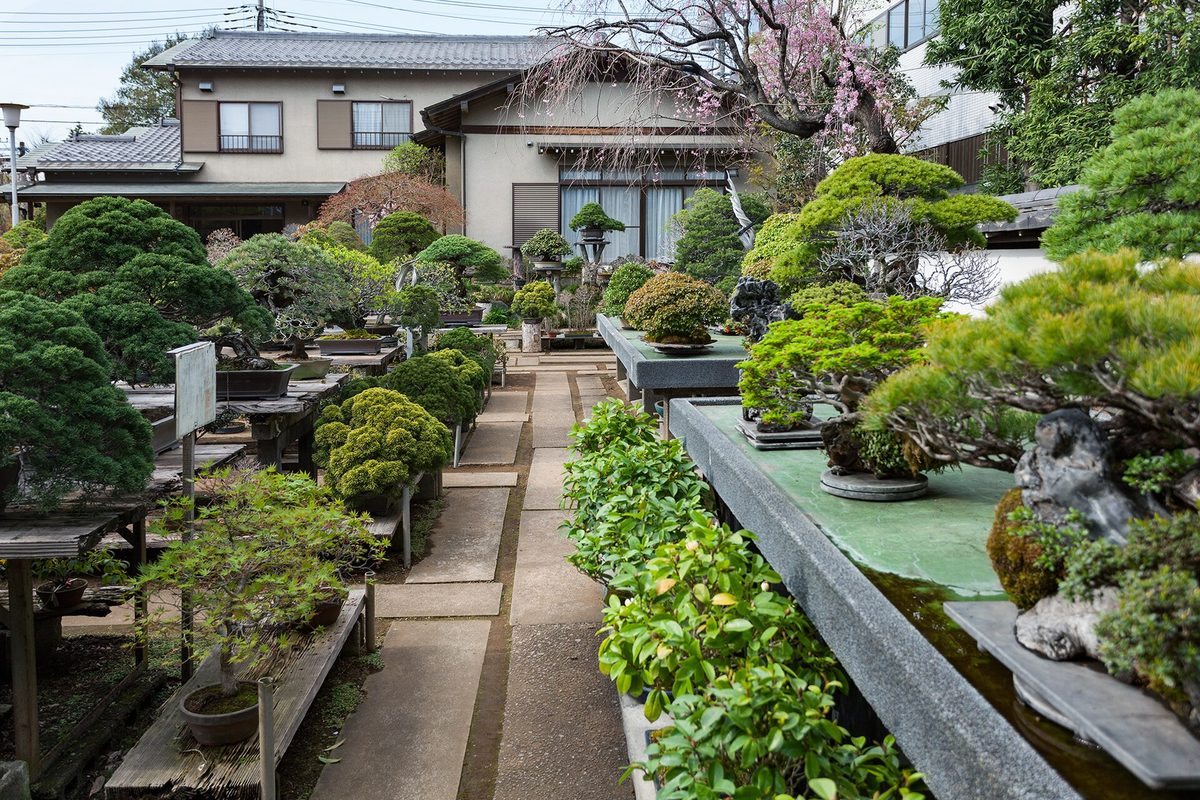
- Omiya Bonsai Art Museum (Saitama City). A city-run museum a few minutes' walk from the village and about 5 minutes on foot from the East Exit of Toro Station on the JR Utsunomiya Line (access). Its garden always has around 60 bonsai on display, and the indoor gallery changes every week, including seasonal bonsai displayed in traditional Japanese rooms (zashiki-kazari). The museum also runs a free English gallery guide on set days (entry ticket needed); see its event page for the schedule.
- The gardens of the village. Each garden grows its own trees in its own style. The museum notes that its own bonsai-making workshops are for elementary school children and in Japanese only, and points international visitors to Seiko-en and Toju-en, which have bonsai classes in English; contact the gardens directly.
- Shunkaen BONSAI Museum (Edogawa, Tokyo). Opened in 2002 by the bonsai artist Kunio Kobayashi, according to Edogawa City. Its bonsai experience class starts with a short lecture on the basics and then you make your own bonsai; the page asks you to book at least 4 days ahead.
- Kokufu Bonsai Exhibition (Tokyo). The Nippon Bonsai Association holds its 101st exhibition at the Tokyo Metropolitan Art Museum in Ueno, with a first part from February 8 to 11, 2027 and a second part from February 13 to 17, 2027.
Manners when you visit
Since September 4, 2026, the Omiya Bonsai Art Museum has allowed photos throughout the museum, with a few rules that are good manners at any bonsai garden:
- No tripods, selfie sticks or flash.
- Stand at least 30 cm away from the bonsai.
- Stay on the walkways.
- Some exhibits may not allow photos, and please keep other visitors' privacy in mind.
The trees are living works that took decades of daily care, so please don't touch the branches or the pots.
Taking a bonsai home: plant quarantine
This is the part that surprises many visitors. Japan's Plant Protection Station explains that plant quarantine inspections are needed not only when plants come into Japan but also when they leave, and that it inspects exports based on the rules of the destination country. Its guide to exporting bonsai (Yokohama Plant Protection Station, February 2026) says:
- Almost every importing country sets quarantine conditions for bonsai, such as an import permit, inspections where the tree is grown, disinfection, a visual inspection and a phytosanitary certificate. This applies to personal items in your baggage and to mail as well.
- Many countries don't accept soil. China, Hong Kong and Vietnam require no soil on the plant unless an import permit allows it, and Thailand requires no soil or organic fertilizer.
- For the United States, a bonsai must have been grown for at least 2 years in a greenhouse registered with the Plant Protection Station, and all growing media, including soil, must be removed before export. For the EU and the UK, pines and junipers are among the trees that can't be imported as ordinary bonsai.
- Taking out plants that don't meet the importing country's rules can be punished with up to 3 years in prison or a fine of up to 3,000,000 yen under the Plant Protection Act.
In practice, a bonsai bought on a short trip usually doesn't meet these conditions, because many of them need years of registered growing before export. The Plant Protection Station's page for travelers notes that export inspection counters are set up in the passenger terminals of major airports, and suggests calling ahead to check. If the tree can't travel, pots, tools and bonsai books are a good way to bring the art home; for other ideas, see souvenirs from Japan. Don't forget your own country's customs rules when you land.
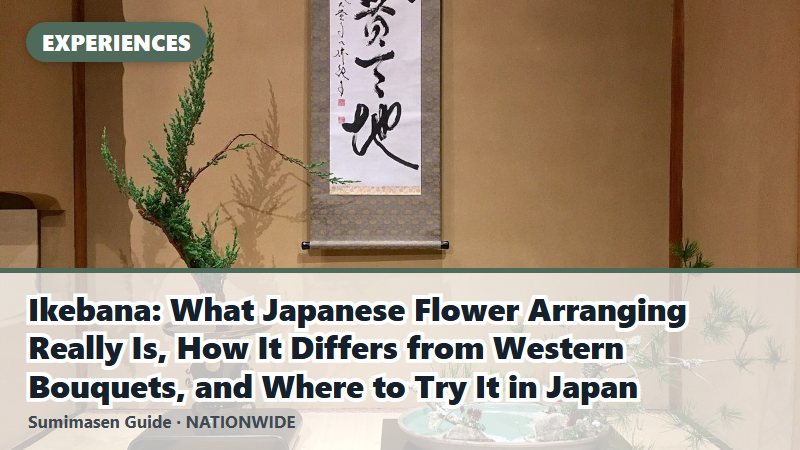
Bonsai shares a lot with ikebana: both show a big natural scene in a small space, and both can be displayed in the tokonoma alcove of a Japanese room. At Mansei-en in the village, for example, a Japan Tourism Agency text notes that you can see bonsai displayed in the tokonoma of its tea-house-style building.
Last reviewed: October 18, 2026. Exhibition dates, classes and quarantine rules can change. Please check the official sites before you go.
References
- Japan Tourism Agency, multilingual explanation database: Definition of Bonsai (English, PDF)
- Japan Tourism Agency, multilingual explanation database: History of Omiya Bonsai Village (English, Word file)
- Japan Tourism Agency, multilingual explanation database: Famous Bonsai Not to Be Missed (English)
- Japan Tourism Agency, multilingual explanation database: Ritsurin Garden, Preeminent Pines (English)
- Japan Tourism Agency, multilingual explanation database: Mansei-en (Japanese, Word file)
- Omiya Bonsai Art Museum: Appreciating Bonsai (English)
- Omiya Bonsai Art Museum: The Art of Bonsai (English)
- Omiya Bonsai Art Museum: Tree Types and Shapes (English)
- Omiya Bonsai Art Museum: About the Omiya Bonsai Village (English)
- Omiya Bonsai Art Museum: Collection, Todoroki (English)
- Omiya Bonsai Art Museum: Newsletter Jinshari, on Todoroki (English)
- Omiya Bonsai Art Museum: Facilities (English)
- Omiya Bonsai Art Museum: Access and admission (English)
- Omiya Bonsai Art Museum: Photography now allowed throughout the museum (English)
- Omiya Bonsai Art Museum: For international guests who want to join a bonsai workshop (English)
- Edogawa City: Shunkaen BONSAI Museum (Japanese)
- Shunkaen BONSAI Museum: Bonsai experience class (English)
- Nippon Bonsai Association: Kokufu Bonsai Exhibition (Japanese, with an English summary)
- Plant Protection Station, Ministry of Agriculture, Forestry and Fisheries: Plant quarantine (English)
- Plant Protection Station (Yokohama office): Export quarantine for bonsai and garden trees, February 2026 (Japanese, PDF)
- Plant Protection Station: Taking plants out of Japan (Japanese)