Shichi-Go-San in Japan: Why Children in Kimono Visit Shrines in November, and How to Take Photos Politely
Short answer: Shichi-Go-San (literally "seven-five-three") is a family custom held on or around November 15. Parents take children aged three, five or seven to a shrine to give thanks and pray that they grow up healthy. That's why, in autumn, you may see small children in kimono walking through shrine grounds with their families. If you'd like a photo of them, ask the parents first.
For many families it's one of the big days of early childhood, often with a formal prayer at the shrine and photos to remember it. Here is what the custom means, what the long bag of candy is, and how to be a welcome guest at a shrine in November.
- What Shichi-Go-San is and which ages are celebrated
- The "thousand-year candy", chitose-ame
- When and where you're likely to see it
- Photo etiquette and shrine manners in November
What Shichi-Go-San is
Meiji Jingu in Tokyo describes Shichi-Go-San as a rite to pray for the healthy growth of children, held on or around November 15. The ages are odd numbers, and the exact custom differs by shrine and region:
- Many shrines, such as Miyajidake Shrine in Fukutsu (Fukuoka), celebrate boys at three and five and girls at three and seven.
- Meiji Jingu lists the rite for boys at five and for girls at three and seven.
Why these ages and this date? Explanations differ. Miyajidake Shrine explains that in the past, children up to the age of seven were raised with special care, as lives given by the gods, and that a ceremony to pray for their safe growth was held every year on November 15, which it describes as the start of Shichi-Go-San. Other shrines and books tell the history in other ways, so treat any single story as one explanation among several.
The "thousand-year candy": chitose-ame
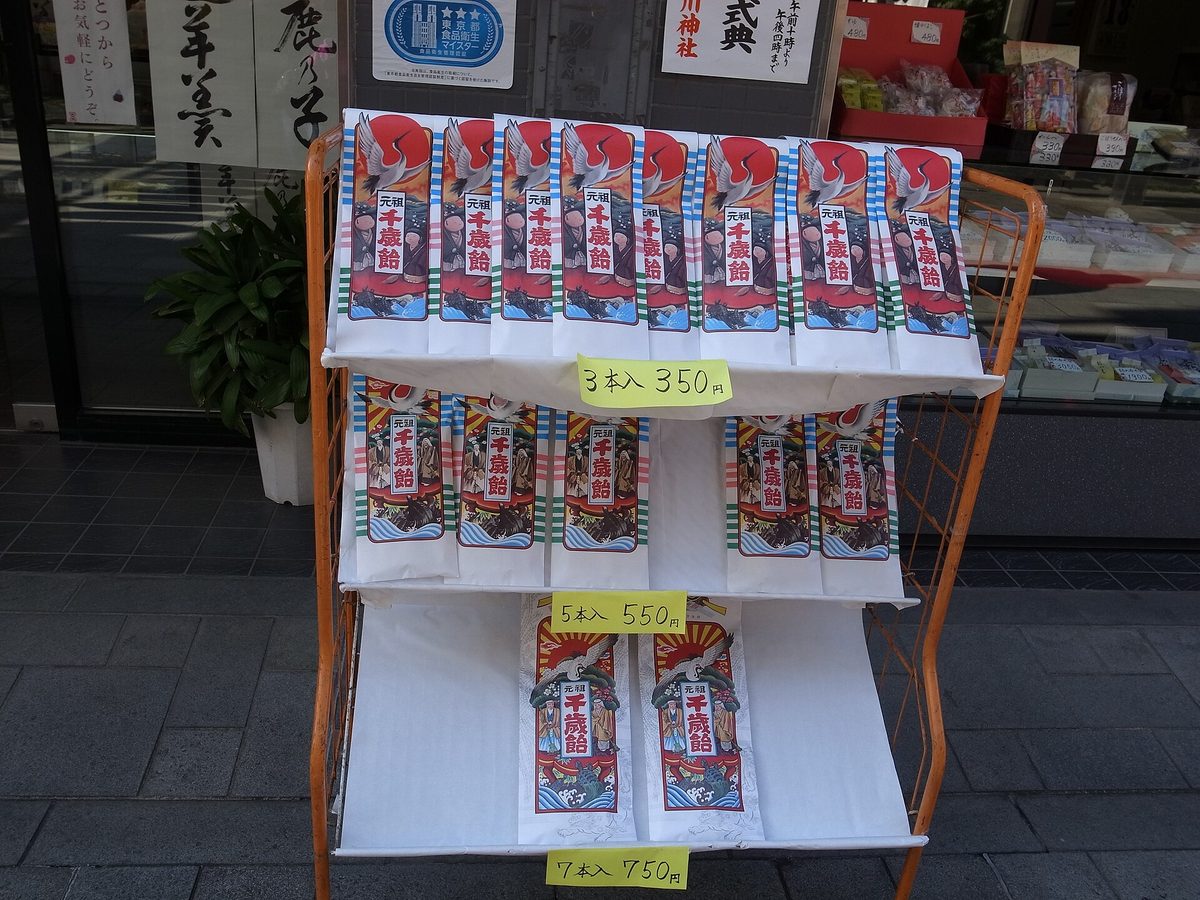
The long, thin paper bag the children carry holds chitose-ame, a stick candy whose name means "thousand-year candy". Miyajidake Shrine gives it to children after the prayer, with the wish that they stay well and grow older for a thousand, even ten thousand years. Japan's Ministry of Agriculture, Forestry and Fisheries also lists chitose-ame as the food of Shichi-Go-San. You'll see it for sale at shrine stalls and shops in the season.
When and where you might see it
November 15 is not a national holiday; the November holidays are Culture Day on November 3 and Labor Thanksgiving Day on November 23. Because shrines offer Shichi-Go-San prayers on and around November 15, you may see families on many days in autumn, and especially at weekends and on those holidays.
If you're in Japan in November
November is a beautiful month at shrines, with autumn colors and families in their best clothes. A few things make the visit smoother for everyone:
- Ask before photographing children. Children in kimono are adorable, but they are private people on a family day. A smile and a gesture toward your camera is usually enough to ask. If the parents shake their heads, put the camera away.
- Don't walk into ceremonies. Families may be waiting for, or taking part in, a formal prayer inside the shrine building. Don't enter the prayer area unless you are invited, and don't photograph the ceremony.
- Give way on narrow paths. Small children in kimono and sandals walk slowly. Let families pass, and keep your bag and selfie stick close.
- Expect more people at weekends. Popular shrines are busier at weekends and on November holidays. If you want a quiet visit, go on a weekday morning.
- Follow the usual shrine manners: bow at the gate, rinse your hands at the water basin and keep to the side of the path. Our guide to shrine and temple etiquette walks you through each step.
You may also see families at the shrine for other milestones, such as a baby's first shrine visit. The same manners apply.
Last reviewed: October 18, 2026. Ages, prayer times and photo rules differ by shrine. Please check the official pages below, and the shrine you plan to visit, before you go.