Hinamatsuri (Girls' Day) on March 3: What the Hina Dolls Mean, the Festival Food, and Where Visitors Can See Displays
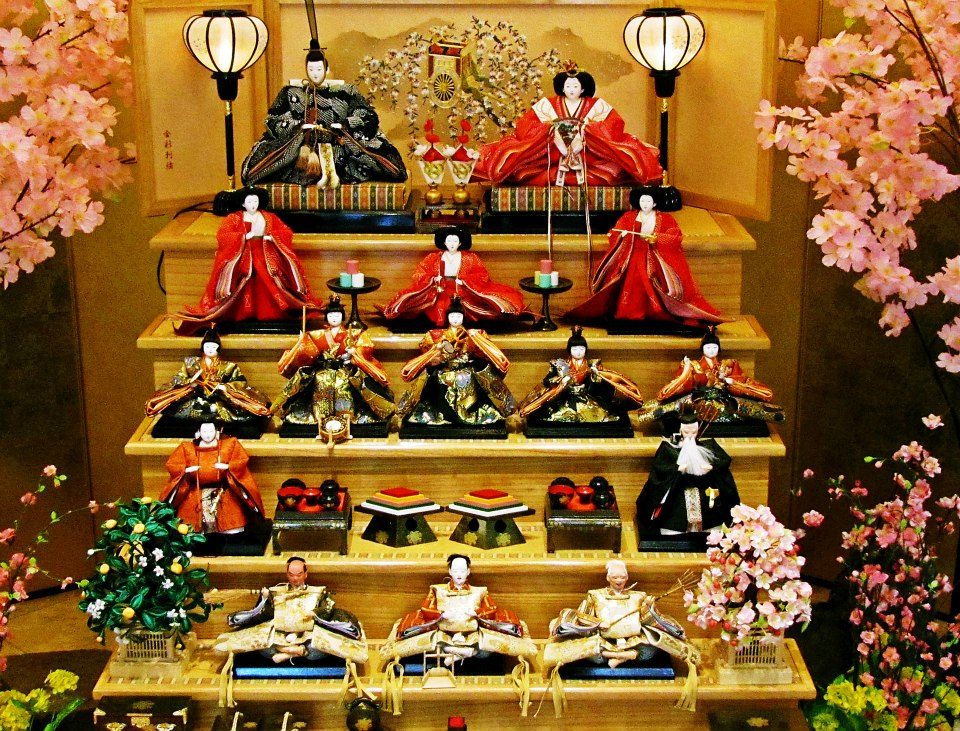
Short answer: Hinamatsuri (the Doll Festival, also called the Peach Festival) is on March 3. Families with daughters set up hina dolls, dolls in old court costume, to pray that the girls grow up healthy and happy and that misfortune passes them by. It isn't a public holiday, but in February and early March you'll see dolls on display, pink-and-white sweets in shops, and special dishes such as chirashi-zushi and clam soup.
The dolls can look grand, with many figures arranged on red tiers, and they come with stories and some old sayings. Here is what they mean, what people eat, and where travelers can see a big display.
- Why families display hina dolls
- When the dolls go up and come down, and an old saying about it
- Hinamatsuri food and what each dish wishes for
- Where to see displays, and manners around them
What the hina dolls mean
The Japan Doll Association explains that March 3 is properly called Joshi no Sekku, one of the seasonal festivals, and is also called the Peach Festival because it falls in peach blossom season. It grew from two older customs:
- Dolls that carry away bad luck: people transferred their misfortune to simple dolls made of plants, paper or straw and floated them away on rivers or the sea. This is the origin of nagashi-bina, "floating dolls".
- Hiina asobi: a doll game played by children of the court, which began in the Heian period, about a thousand years ago.
Today the hina dolls stand in for the child, so that misfortune falls on the dolls rather than on her. They also carry the parents' wish that the girl grows up healthy and kind.
When the dolls go up and come down
According to the Japan Doll Association, many families put the dolls up around Risshun, the traditional start of spring around February 4, and ideally at least a week before March 3. For a girl's first Hinamatsuri, some families set them up from early January, and the association says both are fine. The dolls are put away between March 3 and early April, on a fine, dry day.
You may hear a popular saying that if the dolls are left out too long after March 3, the daughter will marry late. It's an old folk belief rather than a rule, and the Japan Doll Association's own advice is simply to choose a sunny, dry day so the dolls are stored without damp.
Hinamatsuri food and what it wishes for
Japan's Ministry of Agriculture, Forestry and Fisheries (MAFF) names three traditional Hinamatsuri dishes, and Setagaya City in Tokyo adds hina arare and white sake to the list:
- Hishi mochi (diamond-shaped rice cakes): green with mugwort for health, white for purity, and pink for warding off evil. Stacked in that order from the bottom, the colors are said to stand for the earth, snow and peach blossoms.
- Clam soup (hamaguri no ushiojiru): a clam's two shells only fit their own partner, so the soup carries the wish that the girl will meet a good partner one day.
- Chirashi-zushi (sushi rice with toppings scattered on top): MAFF notes the dish itself has no special link to Hinamatsuri, but its toppings do: shrimp for a long life, lotus root for "seeing ahead", and beans for health and hard work.
- Hina arare (small sweet rice crackers) and shirozake (a sweet, cloudy white sake drink): also listed by Setagaya City among the festival foods.
Where visitors can see hina displays
Most hina dolls are displayed at home, but some towns hold large public displays in February and March. One of the best known near Tokyo is the Katsuura Big Hina Matsuri in Katsuura (Chiba). According to JR East's guide, the 2026 festival ran from February 21 to March 3:
- Tomisaki Shrine: about 1,800 dolls on 60 stone steps, about 10 minutes' walk from JR Katsuura Station, with lights in the evening. Displays can change or be cancelled in bad weather.
- Küste (Katsuura's arts and culture center): about 10,000 dolls indoors, so it works on rainy days. Entry was 500 yen, and free for junior high school students and younger.
The dates change every year, so check the latest details before you plan a day trip. From early January, shops that sell dolls also set out full displays, which you can look at from the front.
If you're in Japan in February or early March
- No holiday rush: March 3 isn't a public holiday, so trains and shops run as normal.
- Look, don't touch: hina dolls are delicate and can be family heirlooms or shop stock. Don't touch them, and keep bags and coats away from low tiers.
- Ask before photos: in shops, restaurants and homes, ask the staff or owner before you take pictures of a display. At public festivals, follow the signs.
- Try the food: Hinamatsuri sweets such as hina arare are a seasonal treat you'll mostly find around this time.
Coming in May instead? The boys' side of the festival calendar is Children's Day and the carp streamers. For weather and crowds in each month, see the best time to visit Japan.
Last reviewed: October 18, 2026. Customs vary by family and region, and festival dates, hours and fees change every year. Please check the official pages below before you go.
References
- Japan Doll Association: The Peach Festival and hina dolls (Japanese)
- Japan Doll Association: Frequently asked questions (Japanese)
- Ministry of Agriculture, Forestry and Fisheries: Hinamatsuri food (Japanese)
- Setagaya City: Seasonal festival food, Hinamatsuri (Japanese, PDF)
- JR East (official travel media): Katsuura Big Hina Matsuri 2026 (Japanese)
- Cabinet Office: National holidays (Japanese)