Itadakimasu and Gochisosama: What Japan's Mealtime Words Mean and Where They Come From
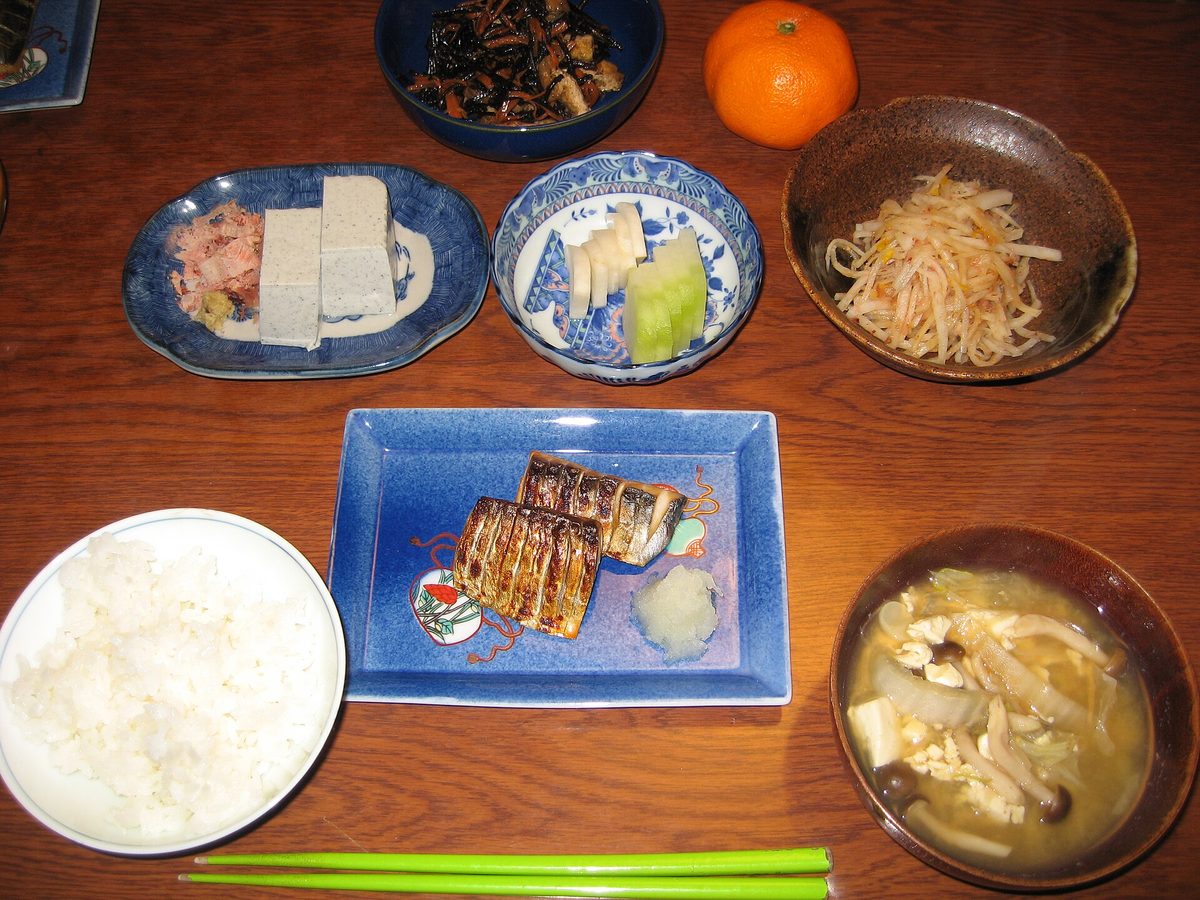
Sit down to eat in Japan and you'll hear two short phrases again and again: itadakimasu before the first bite and gochisosama deshita after the last. Visitors often wonder what exactly they mean, who they are said to, and whether they are a kind of prayer. This column looks at what the words say, where they come from, how their meaning has changed, and how you can use them yourself, if you'd like to.
This page may contain affiliate links. If you buy through them, we may earn a commission at no extra cost to you.
- Itadakimasu: from "the top of the head" to "I humbly receive"
- Gochisosama: thanks for the trouble someone took to feed you
- Who the thanks are for, and how that has changed
- When to say each one, and how to pronounce them
Two short words, said at almost every meal
JNTO, Japan's national tourism organization, calls them two essential phrases for dining in Japan: itadakimasu, said before eating and meaning something like "I am glad to receive this meal", and gochisosama deshita, said after finishing, loosely "thanks for the food". Neither has an exact English match. "Let's eat" and "bon appétit" miss the humble, thankful feeling, and in Japan you say itadakimasu about your own meal, not as a wish for others.
The words are old, but the habit of saying them at every meal spread through teaching. A 2025 study by the researcher Tomohiro Suzuki, which traced how the greetings were described from the Meiji era onward, found them listed in a 1917 etiquette textbook for primary schools as the greetings to say at the start and end of a meal.
Itadakimasu: "I humbly receive"
Itadakimasu is the polite form of the verb itadaku, written 頂く or 戴く (and often just in kana). The dictionary Digital Daijisen lists, among its meanings: to put something on your head; to raise something high above your head as a sign of respect; the humble word for "receive"; and the humble word for "eat" or "drink". The character 頂 itself means the top, as in the top of a mountain or of your head.
The link between these meanings is commonly explained like this, for example by the Japanese etymology dictionary Gogen Yurai Jiten: when people received something from a person of higher rank, they lifted it toward the top of their head, so itadaku came to mean "receive" humbly; when they ate food received from a superior, or food that had been offered to the gods, they made the same gesture, so the word also came to mean "eat". A Japanese food-education foundation adds a related explanation: food offered to the gods was taken down afterward and eaten by people, and thanks for food "received" this way is said to be where the phrase began. These are traditional explanations rather than a settled history, so read them as the story most Japanese people learn.
Because itadaku simply means "receive", you'll also hear itadakimasu when someone accepts a gift or a free sample, not only at meals.
Gochisosama: thanks for all the running around
Gochisosama is built on chiso (馳走). Both characters mean running: 馳 is to gallop and 走 is to run. Digital Daijisen explains that chiso came to mean entertaining a guest with a meal, and the food served, "from the idea of running around to prepare it"; its older meaning, simply running about, is still listed. The picture usually given is of a host going out to gather fish, vegetables and sake to feed a guest.
Add the polite prefix go (御) and you get gochiso, today's everyday word for a treat or a feast. The Nihon Kokugo Daijiten, Japan's largest dictionary, notes that in the Edo period the original sense of running about was probably still alive, so gochiso meant hospitality more often than food. Add sama (様), the respectful ending also used after people's names, and you have gochisosama. The same dictionary defines it as the words of thanks said by someone who has been treated, usually after a meal, and gives its earliest example from a comic novel of the early 1800s.
So gochisosama deshita ("it was a feast") thanks the people who went to the trouble of feeding you. Fun fact: the dictionary also lists a teasing use. When friends hear a couple gushing about each other, they may say "gochisosama", meaning roughly "thanks, that's quite enough sweetness for me".
Who are you thanking? The answer has changed
Ask people in Japan today and the most common answer is: the plants and animals whose lives became your meal, and everyone who brought it to you, from farmers and fishers to the cook. This view has official backing. Japan's Basic Act on Food Education of 2005 asks that food education build gratitude for the blessings of nature and for the people who support our food, as the Ministry of Agriculture (MAFF) white paper explains, and the government's Fourth Basic Program for Food Education adds that eating itself means taking on the lives of precious plants and animals. A Japan Tourism Agency explanation of washoku puts it more broadly still: itadakimasu thanks nature, the ancestors who protected it and the gods, along with everyone who produced the food, while gochisosama thanks the hard work that went into each dish.
Suzuki's 2025 study shows the focus has shifted over time. Before the war, writings tied the greeting to thanks for the food itself, parents, the gods and farmers. During the war, school records show children thanking soldiers. Thanks to "the life of the food" was stressed in schools mainly from the 1970s and 1980s, and became the standard explanation after the 2005 food education law. In other words, there is no single "original" meaning, and Japanese people themselves don't all have the same people or things in mind when they say it.
When and how to say them
- Before eating: say itadakimasu once your food is in front of you. When eating with others, people usually wait until everyone has been served, as JNTO notes, and often say it together.
- Hands together, or not: many people press their palms together and bow slightly, a gesture Japan Airlines' dining guide describes for both phrases, adding that many do it even when eating alone. Others just nod or say the words quietly. Suzuki's study notes that a 1941 etiquette guide already allowed either a silent bow or the spoken greeting, so any of these is fine.
- After eating: say gochisosama deshita, or the casual gochisosama at home and with friends. Say it to the person who cooked, your host, or the person who paid for the meal.
- Leaving a restaurant: a gochisosama deshita to the staff at the counter or door is a kind way to say thank you. The travel site japan-guide.com suggests it in place of a tip, since tipping isn't customary. More on that: tipping in Japan.
- It's manners, not a test: although the gesture looks like prayer, in daily life the words work as ordinary table manners that children learn at home and at school. You don't need to share any belief to say them, and nobody expects a visitor to. If you do, it is usually met with a smile.
How to say it
Japanese syllables get roughly equal weight, so say each one evenly. In itadakimasu the final "u" is soft, so it often sounds like "itadakimas". In gochisosama, the "so" is a long vowel (ごちそう, "so-o"), so hold it for a moment.
| Japanese | Reading | When |
|---|---|---|
| いただきます | i-ta-da-ki-ma-su | Before eating; also when accepting something |
| ごちそうさまでした | go-chi-so-o-sa-ma de-shi-ta | After eating; to the cook, host or staff |
| ごちそうさま | go-chi-so-o-sa-ma | Casual: at home or with friends |
| おいしかったです | o-i-shi-kat-ta de-su | "It was delicious", a nice extra |
More on eating out: how to eat miso soup and conveyor-belt sushi.
Last reviewed: October 4, 2026. Families, schools and regions have their own habits; there is no single correct way.
References
- JNTO: Understanding and mastering Japanese manners and etiquette
- Tomohiro Suzuki (2025): Who or what is thanked in "itadakimasu" and "gochisousama"? (Japanese, J-STAGE)
- Kotobank: Itadaku (Digital Daijisen, Nihon Kokugo Daijiten) (Japanese)
- Gogen Yurai Jiten: Itadakimasu (Japanese)
- Educe Food Education Institute: Itadakimasu and gochisosama (Japanese)
- Kotobank: Chiso (Digital Daijisen, Nihon Kokugo Daijiten) (Japanese)
- Kotobank: Gochiso (Digital Daijisen, Nihon Kokugo Daijiten) (Japanese)
- Kotobank: Gochisosama (Digital Daijisen, Nihon Kokugo Daijiten) (Japanese)
- MAFF White Paper on Food Education: Gratitude for food and the food cycle (Japanese)
- Fourth Basic Program for Food Education (Japanese, PDF)
- Japan Tourism Agency multilingual database: Special characteristics of Japanese food
- Japan Airlines: Manners and etiquette, a guide to dining in Japan
- japan-guide.com: Eating at a Japanese restaurant