Otoshi: The Small Dish and Table Charge at an Izakaya
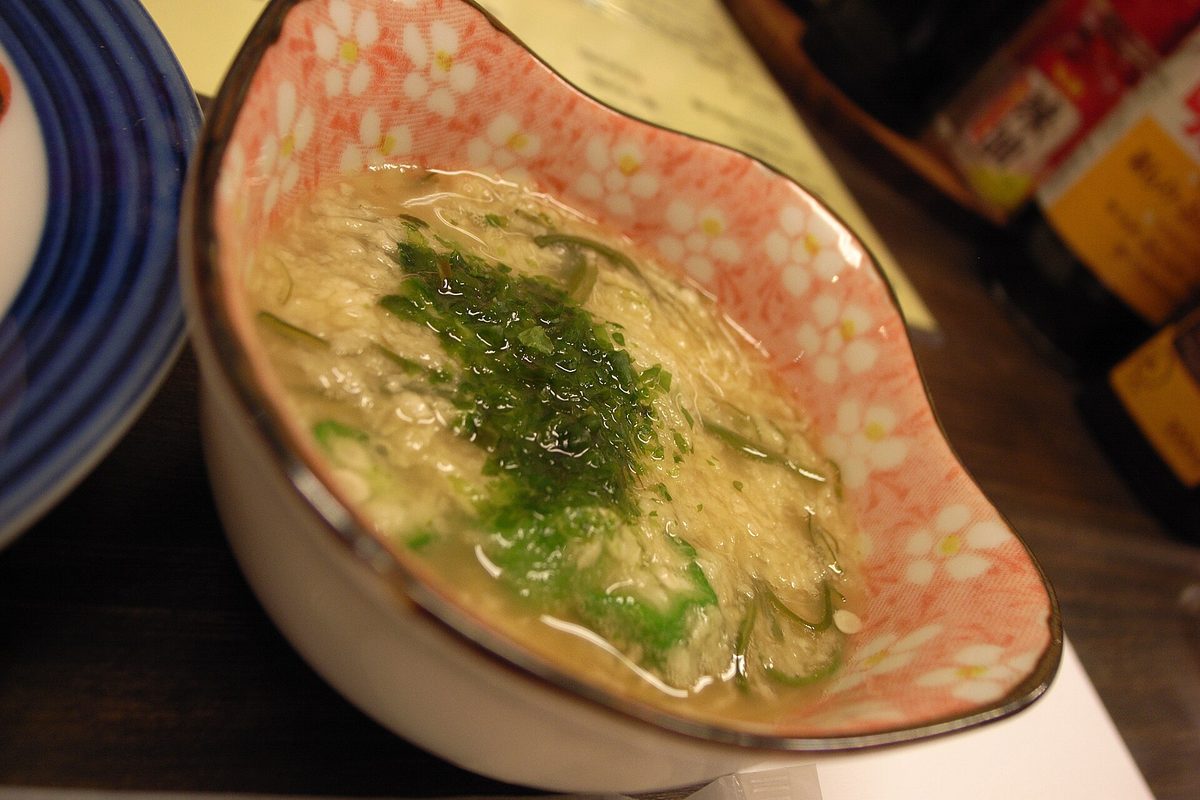
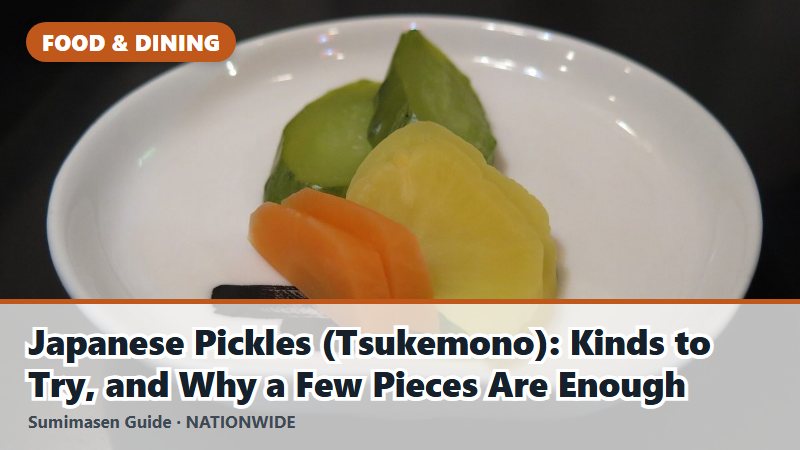
You sit down at an izakaya, a Japanese pub, and before you've ordered anything a small dish appears: a few bites of simmered vegetables, pickles or something seasonal. Then, at the end of the night, there's a charge for it on the bill. That dish is called otoshi, and it is not a mistake and not a scam. It is a long-standing izakaya custom that works as a table charge. This guide explains what otoshi is, why it exists, how to ask about it before you sit down, and what to do if you have allergies or dietary needs.
This page may contain affiliate links. If you buy through them, we may earn a commission at no extra cost to you.
- What otoshi is, and why it's on your bill
- How an izakaya visit usually goes
- Asking before you sit: two easy phrases
- Allergies, vegetarian and religious diets
What otoshi is
The government-run Consumer Hotline for Tourists explains it simply: at many izakaya, as soon as you are shown to your seats and before you order anything, you may be served a small dish. This is otoshi. It is part of izakaya culture and can be considered a table charge that you pay at the end. The hotline also explains the idea behind it: most izakaya take drink orders first and food orders after the drinks arrive, so rather than leave hungry guests waiting, they bring each person a little something to nibble on right away.
JNTO's etiquette guide says the same: especially at izakaya, a small appetizer is often served automatically; it is not complimentary and is considered a table charge, and table charges are usually made clear on menus and signs. The official travel guide for Tokyo (Tokyo), GO TOKYO, calls the charge otoshidai and says the dish can be anything from stewed vegetables to fresh fish, so keep an open mind and give it a try.
Is it a scam?
No. Otoshi is a normal custom, and Japanese customers pay it too. It works like a cover charge, and there is no tip to add on top (see tipping in Japan). A few things are worth knowing, though:
- Each shop sets its own price and dish. Some izakaya have no otoshi at all.
- There may be other charges. The Consumer Hotline for Tourists notes that sometimes there is a separate seating charge in addition to the otoshi, and JNTO mentions that some izakaya add a surcharge for late-night customers. If you want to know what the charges are, ask the staff to explain before you pay.
- In a group, order something each. The Tokyo Metropolitan Government's manners handbook notes that when dining in a group, you are usually expected to order at least one item per person.
How to ask before you sit down
If you'd like to know about the otoshi before you commit, ask at the entrance or when you're seated. The Tokyo Metropolitan Government's handbook suggests checking with the restaurant when you book a table or place your order. Two short phrases do the job:
If the answer doesn't suit you, it's fine to thank them and choose another place before you order. Once you've sat down and ordered, treat the otoshi as part of the evening and enjoy it; it's often a small taste of what the kitchen does well.
Allergies, vegetarian and religious diets
Because otoshi arrives without being ordered, tell the staff early. The Consumer Hotline for Tourists asks guests who are vegetarian, who can't eat certain foods for religious reasons, or who are served something they're allergic to, to tell the restaurant staff. Saying it when you sit down gives the kitchen time to help. Our guide to food allergies in Japan has phrases and tips.
Trying an izakaya for the first time, and would rather have someone explain the menu, the charges and the customs as you go? A guided evening such as this guided izakaya and bar tour in Shinjuku (Tokyo) (affiliate link) can take the guesswork out of the first night; read what's included before you book.
If a bill doesn't look right
Otoshi is a small, ordinary charge. If you're ever charged a large amount you don't understand, ask the staff to explain each line before paying. For advice on problems with restaurants and bars, the Consumer Hotline for Tourists takes calls at 03-5449-0906 (Monday to Friday, 10:00 a.m. to 12:00 p.m. and 1:00 p.m. to 4:00 p.m., except national holidays and December 29 to January 3).
Quick checklist
- A small dish you didn't order at an izakaya is probably otoshi, a table charge.
- Want to know first? Ask "Otoshi wa arimasu ka?" and "Ikura desu ka?"
- Tell the staff about allergies or dietary needs when you sit down.
- In a group, order at least one item each.
- Unsure about a charge? Ask before you pay.
Last reviewed: October 4, 2026. Each izakaya sets its own charges; please ask if you're unsure.
References
- Consumer Hotline for Tourists (National Consumer Affairs Center of Japan): Japanese izakaya restaurants have a culture of otoshi
- JNTO: Japanese Customs and Etiquette
- JNTO: Japanese Etiquette, 10 Things to Keep in Mind
- GO TOKYO: Izakaya, Japan's unique take on the pub
- Tokyo Metropolitan Government: Manners & Customs Handbook for visitors (PDF)