Japanese Pickles (Tsukemono): Kinds to Try, and Why a Few Pieces Are Enough
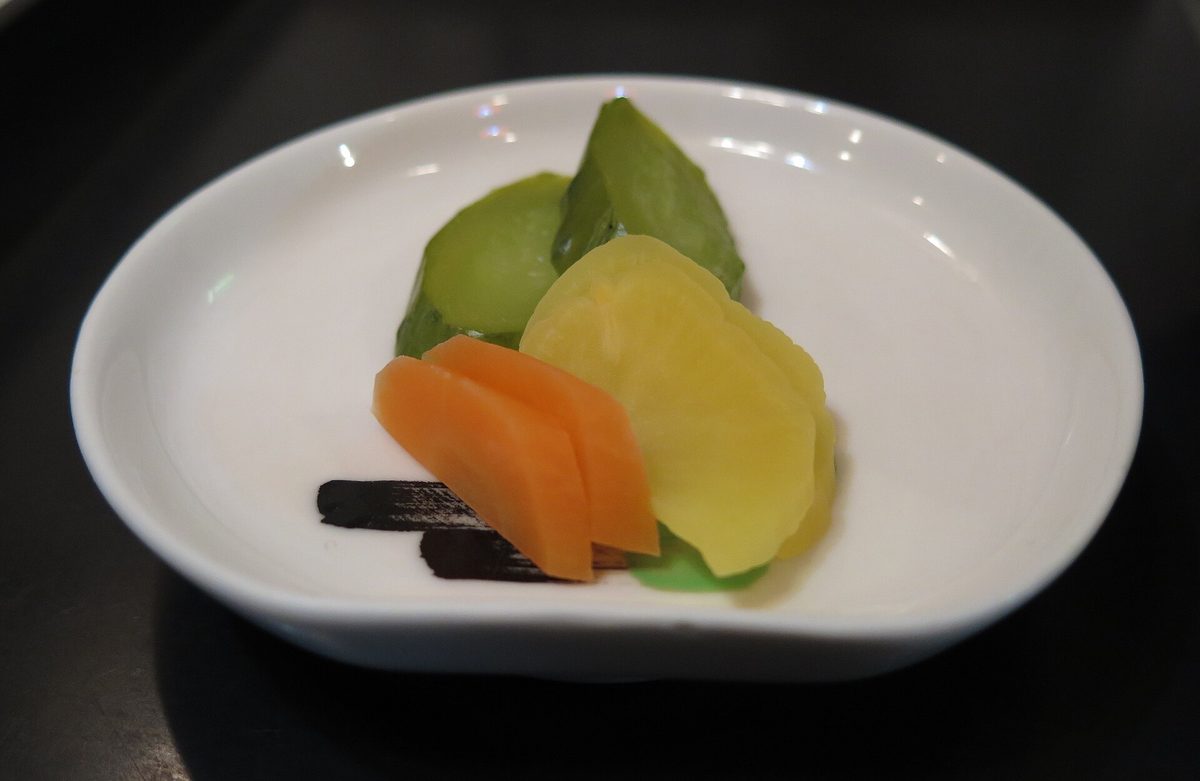
Order almost any set meal in Japan and a tiny dish of pickles comes with it: a few yellow slices of radish, a sour red plum, some green leaves. These are tsukemono, and they are part of how Japanese meals are built. They're also salty, and at gyudon and ramen shops they sit on the table for you to add yourself, which makes it easy to eat more than you meant to. This column introduces the pickles you're likely to meet, the famous ones from Kyoto (Kyoto) and other regions, how much salt they contain according to official figures, and a few kind tips for enjoying them.
This page may contain affiliate links. If you buy through them, we may earn a commission at no extra cost to you.
- Why rice, soup and pickles go together
- Umeboshi, takuan, nukazuke, the three famous pickles of Kyoto (Kyoto) and more
- Salt per 100 g from Japan's official food tables, and daily targets
- Free pickles at gyudon and ramen shops: take what you'll eat
Why pickles come with your meal
In Japanese home cooking, the basic meal is often described as ichiju sansai, "one soup, three dishes". A food-education leaflet from Japan's Ministry of Agriculture (MAFF) describes it as rice, soup and pickles (ko-no-mono) with three side dishes, and shows the pickles placed in the middle of the tray. At a 2023 MAFF online symposium on pickles, food scientist Shigeo Miyao explained why the pickles aren't counted in the name: rice and pickles are the starting point of a Japanese meal, so they are simply taken for granted. He also noted that pickles have been made in Japan for more than 1,300 years.
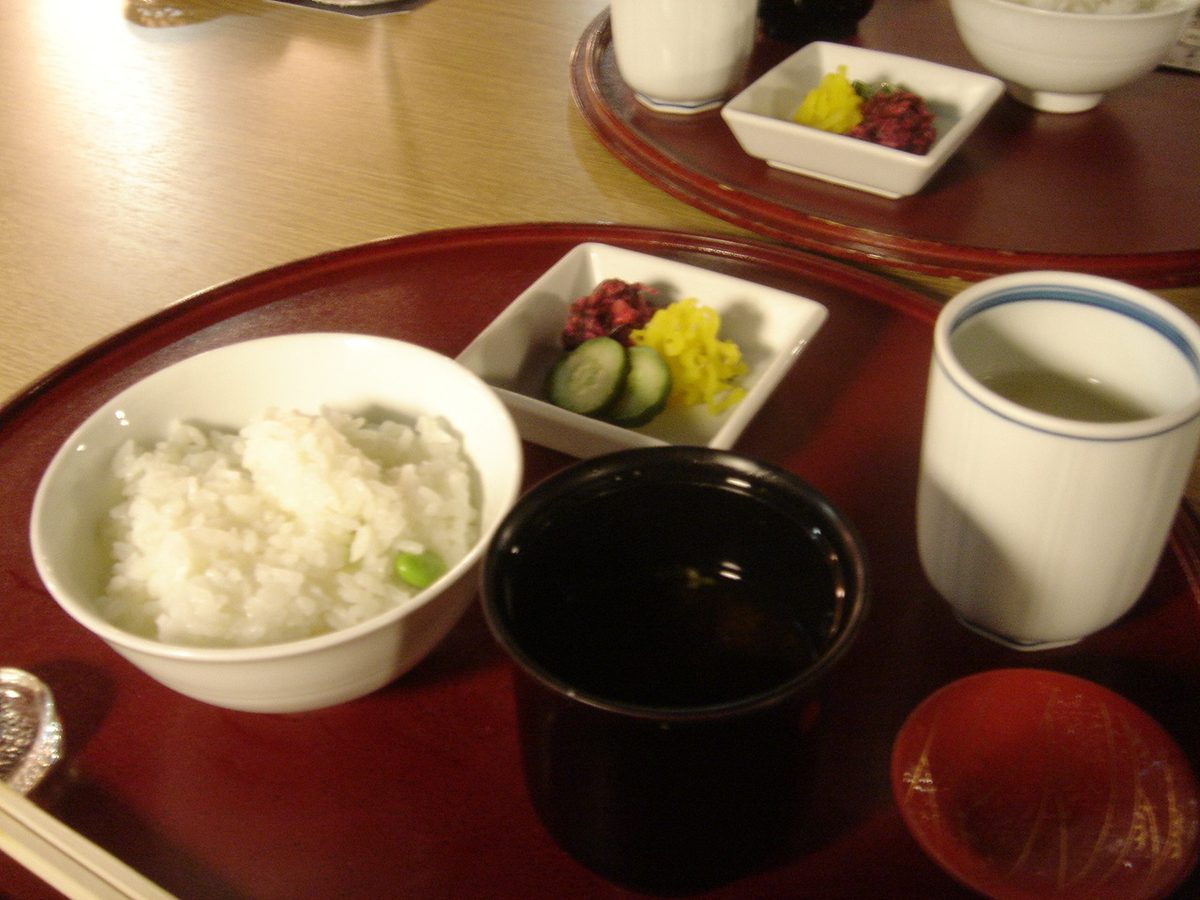
So a small dish of pickles is meant to go with rice: a bite of pickle, then a bite of rice. That's the best way to think about them, as a seasoning for your rice rather than a dish to eat on its own.
Pickles you're likely to meet
- Umeboshi (pickled plum): Wakayama Prefecture grows about 60% of Japan's ume plums, says MAFF's traditional foods guide. The plums are salted for about 30 days and dried in the summer sun for 3 to 4 days. Traditional umeboshi are very salty and sour; MAFF notes that many today are sweeter, with 10% salt or less. Eaten with rice, inside onigiri, or with tea. Watch out for the pit.
- Takuan (yellow pickled daikon): daikon radish pickled in rice bran and salt, crunchy and fairly salty. MAFF says the name is linked to the monk Takuan, and the traditional way ferments dried daikon for 6 to 12 months.
- Nukazuke (rice-bran pickles): vegetables such as cucumber, eggplant and daikon kept in a fermenting rice-bran paste. At the symposium above, Miyao said rice-bran pickles have 5 to 10 times more vitamin B1 than the raw vegetable.
- Beni-shoga and gari (pickled ginger): Japan's official food composition table lists two kinds. Ginger pickled in vinegar is also called beni-shoga, the red ginger you see on gyudon and ramen; ginger pickled in sweet vinegar, made from young ginger, is also called gari, the pale ginger served with sushi.
- Fukujinzuke and rakkyo (with curry): MAFF describes fukujinzuke as seven vegetables, including daikon, eggplant and lotus root, pickled in soy sauce, created by a pickle shop in Ueno, Tokyo (Tokyo), and named after the Seven Lucky Gods. It's best known as the side for Japanese curry rice, though no one is sure how that pairing began. Rakkyo, small bulbs pickled in sweet vinegar, is another curry favorite; Tottori Prefecture's sand dunes are a famous growing area.
Three famous pickles of Kyoto (Kyoto), and other local favorites
Kyoto (Kyoto) is famous for pickles. MAFF's regional cuisine database calls these "the three great pickles of Kyoto (Kyoto)":
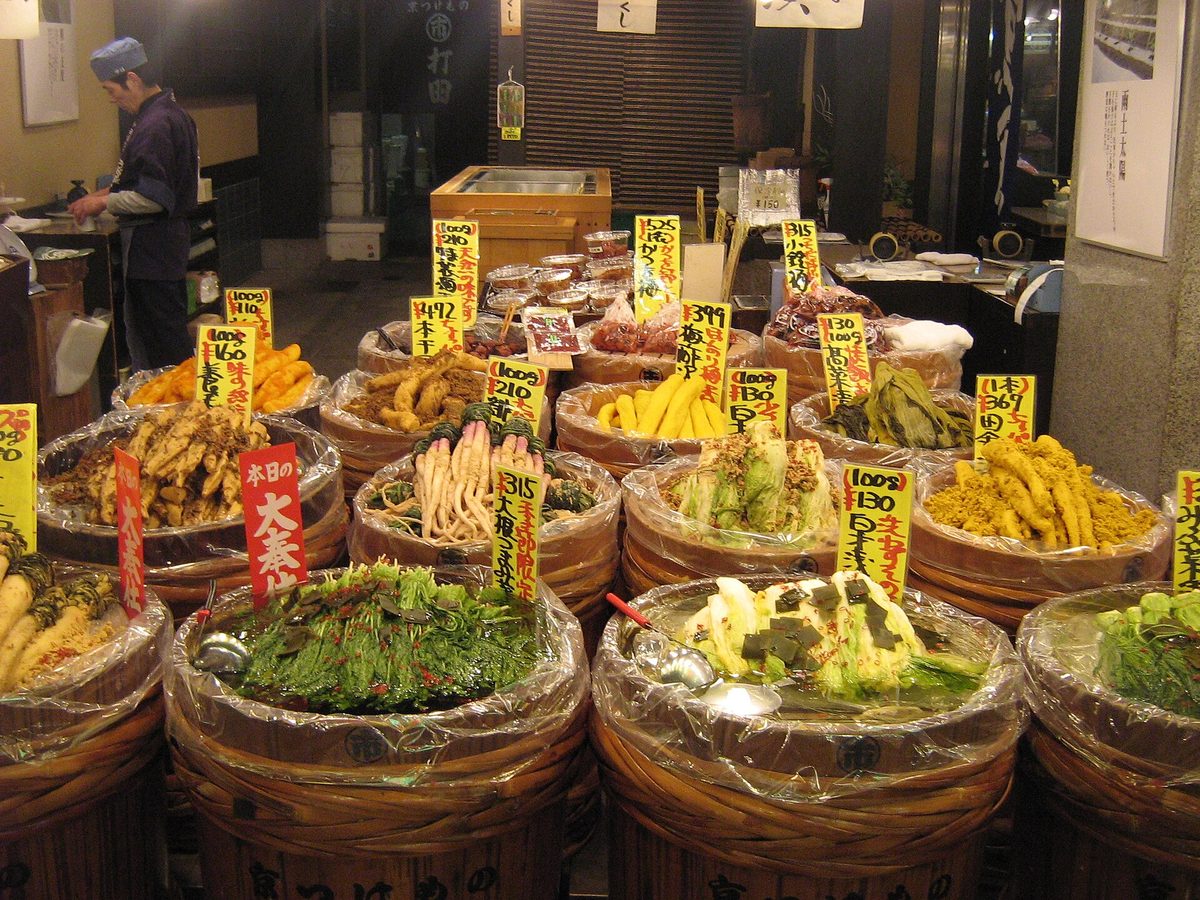
- Senmaizuke: thin slices of the large Shogoin turnip pickled with kelp. MAFF says it's made from around November, when the turnips start to ship, and that it is pickled delicately rather than for long keeping.
- Suguki: a turnip from the Kamigamo area of Kyoto (Kyoto), pickled with salt alone, with a distinctive sour taste. MAFF notes it was once made only by families serving Kamigamo Shrine.
- Shibazuke: eggplant, cucumber and myoga salted with red shiso leaves, which give it its purple color. MAFF notes that the Ohara area of Kyoto (Kyoto) is known for red shiso.
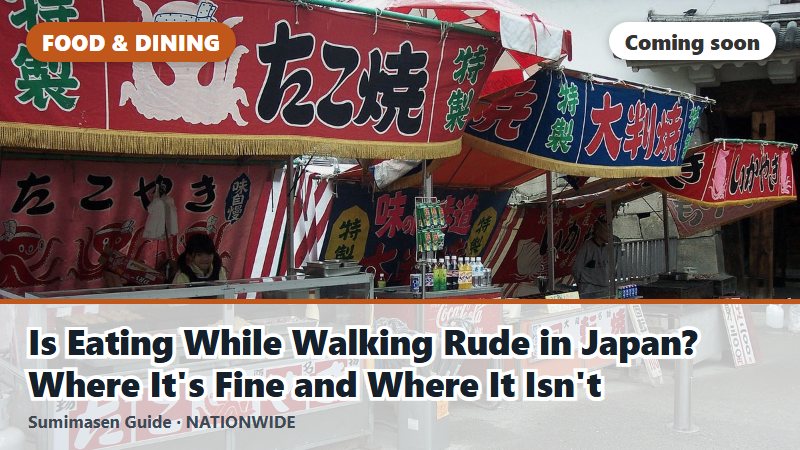
Nishiki Market in Kyoto (Kyoto) has pickle shops among its many food stalls. If you buy a snack there, eat it at the shop rather than while walking: see eating while walking at Nishiki Market and Kyoto (Kyoto).
Two leafy pickles are worth knowing too:
- Nozawana-zuke (Nagano): MAFF says it began in 1756, when a priest in Nozawa Onsen village (Nagano) brought turnip seeds back from Kyoto (Kyoto). It's eaten as a snack with tea, with sake, in onigiri and in oyaki dumplings. See Matsumoto (Nagano).
- Takana-zuke (Fukuoka): fermented mustard greens with a peppery bite. MAFF says the Chikugo area of Fukuoka Prefecture is a major producer and that it's known as a topping for Hakata ramen. See Fukuoka (Fukuoka).
Tasty, but salty: how much salt is in pickles
Salt is what turns vegetables into pickles, so most tsukemono are salty. The Standard Tables of Food Composition in Japan, published by Japan's education ministry (MEXT), give the salt in 100 g of each pickle. You can look up any item in its online database.
You don't eat 100 g of pickles at once, of course. In the symposium, Miyao pointed out that a usual serving, about 30 g of takuan or a single umeboshi, contains less than 1 g of salt, and that many pickles are now made with less salt than before. In the national figures he showed, pickles supplied only 0.4 g of an average 10.1 g of salt a day; most salt comes from seasonings such as soy sauce and miso. So a few slices with your rice are part of a normal Japanese meal.
Now compare that with daily targets. Japan's health ministry (MHLW) sets a target of less than 7.5 g of salt a day for men and less than 6.5 g for women (adults, Dietary Reference Intakes for Japanese, 2025 edition). MAFF adds that people being treated for high blood pressure are advised to keep below 6.0 g. The World Health Organization recommends less than 5 g of salt a day for adults (2,000 mg of sodium).
A few pieces are fine; a big pile adds up. Some kind tips:
- Eat pickles with rice, a bite at a time. They're a side, not a snack to eat by the handful, and not a salad.
- Count the extras. A meal may already include miso soup, soy sauce and a salty main dish. If you add free pickles on top, take a small amount.
- Choose milder ones if you're watching salt: in the table, gari and rakkyo have about a tenth of the salt of traditional umeboshi.
- If you're on a low-salt diet or take blood pressure medicine, follow your doctor's advice and go easy on pickles and soup. It's fine to leave the pickles; just set the dish aside neatly.
Free pickles on the table: gyudon and ramen shops
At many casual restaurants, pickles are self-service:
- Gyudon (beef bowl) shops: Yoshinoya says it has served red ginger with its beef bowls since it opened in 1899, using ginger pickled in its own plum vinegar. In a February 2026 article, the chain explained that the ginger is free with your order and is usually on the table in the restaurant, so you take the amount you like; for takeout, up to 3 packets per meal. Asked about customers who pile it high, Yoshinoya told Shukan Josei PRIME it hopes people enjoy the amount they like without leaving any uneaten.
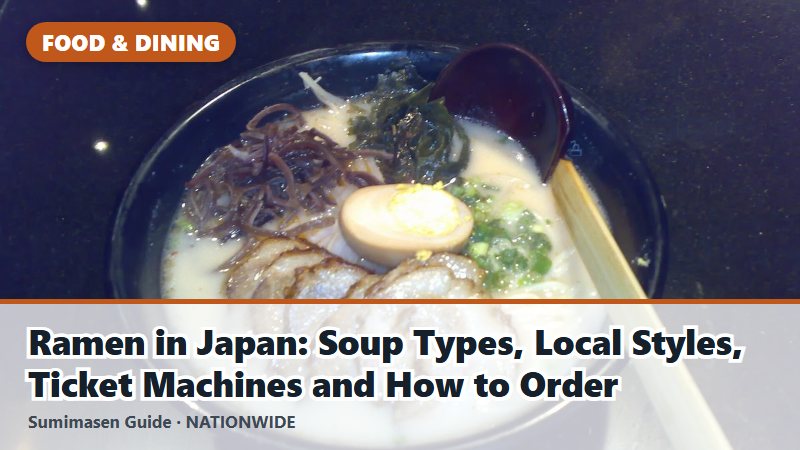
- Hakata-style ramen shops: in Fukuoka (Fukuoka), spicy takana is often on the table at pork-bone ramen shops and eaten as a topping, as JAF Mate, the Japan Automobile Federation's magazine, notes. More about ramen styles and ordering: ramen in Japan.
House rules differ from shop to shop, but these simple habits keep everyone happy:
- Use the tongs or spoon in the container, not your own chopsticks.
- Take a little at a time. You can always take more; you can't put it back.
- Finish what you take, as Yoshinoya asks.
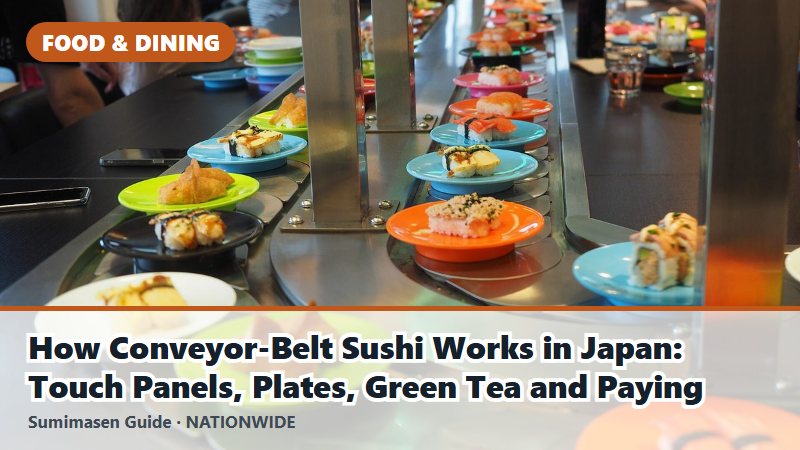
The same habits work for gari at sushi restaurants. See conveyor-belt sushi and how to eat sashimi and wasabi.
Allergies and labels
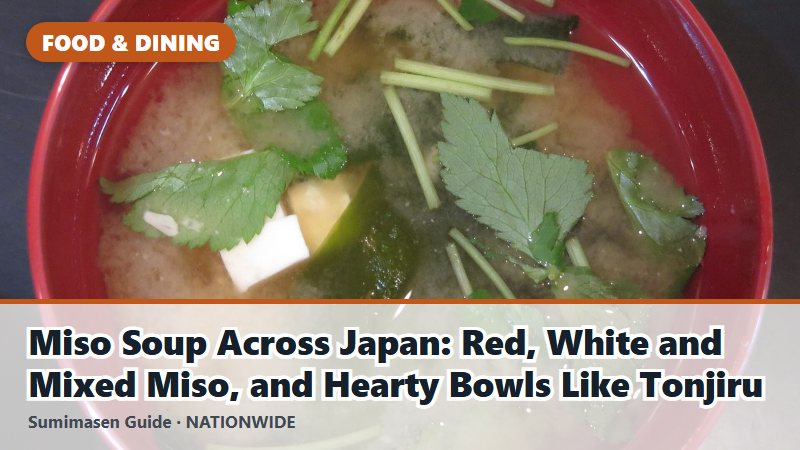
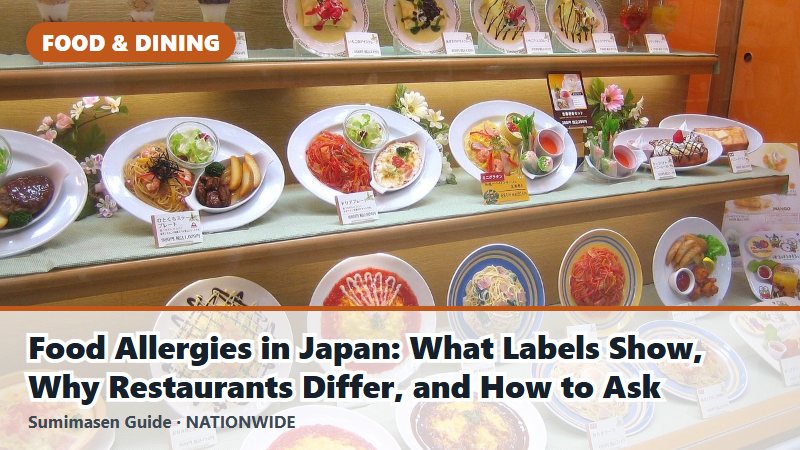
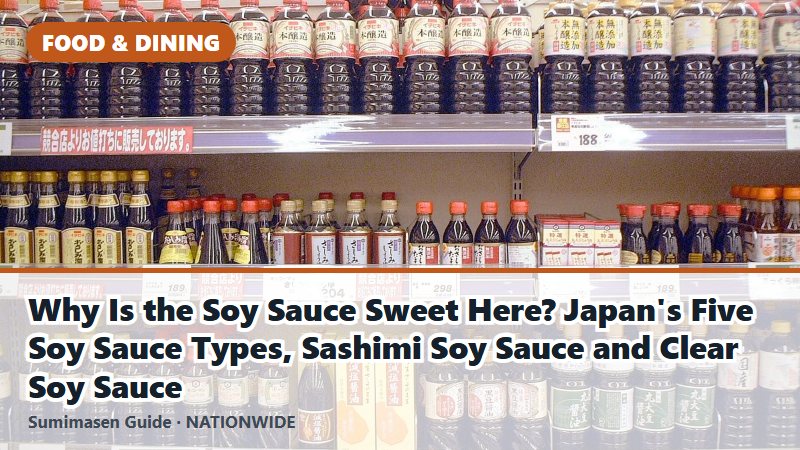
Pickles are seasoned in many ways. Fukujinzuke, for example, is pickled in soy sauce, so look for 大豆 (soybean) and 小麦 (wheat) on the label. On packaged food in Japan, wheat must be shown on the label, while soybean is only a "recommended" label. Restaurant pickles don't have to be labeled at all, so ask if you have an allergy. Details and a free communication sheet: food allergies in Japan. Pickles also often sit next to miso soup, which you can read about in miso soup across Japan. More about soy sauce: Japan's soy sauce types.
| English | Japanese | Reading |
|---|---|---|
| Are the pickles free? | 漬物は無料ですか? | Tsukemono wa muryo desu ka? |
| Does this contain soy sauce? | しょうゆは入っていますか? | Shoyu wa haitte imasu ka? |
| No pickles, please. | 漬物はなしでお願いします。 | Tsukemono wa nashi de onegai shimasu. |
Last reviewed: October 4, 2026. Salt levels differ by brand and shop; check the label when you can.
References
- MAFF Chugoku Shikoku Regional Agricultural Administration Office: Washoku table setting (Japanese, PDF)
- MAFF: 2023 Vegetable Day web symposium, keynote "Tsukemono: their appeal and health" by Shigeo Miyao (Japanese, PDF)
- MAFF Traditional Foods of Japan: Wakayama umeboshi (Japanese)
- MAFF Traditional Foods of Japan: Takuan (Japanese)
- MAFF Traditional Foods of Japan: Fukujinzuke (Japanese)
- MAFF Traditional Foods of Japan: Rakkyo pickles, Tottori Prefecture (Japanese)
- MAFF Our Regional Cuisines: Shibazuke, Kyoto Prefecture (Japanese)
- MAFF Our Regional Cuisines: Senmaizuke, Kyoto Prefecture (Japanese)
- MAFF Our Regional Cuisines: Suguki, Kyoto Prefecture (Japanese)
- MAFF Traditional Foods of Japan: Nozawana-zuke, Nagano Prefecture (Japanese)
- MAFF Traditional Foods of Japan: Takana-zuke, Fukuoka Prefecture (Japanese)
- MEXT: Standard Tables of Food Composition in Japan, 8th revised edition (Japanese)
- MEXT: Food Composition Database (Japanese)
- MHLW e-health net: Sodium (Japanese)
- MAFF: Watch out for too much salt (Japanese)
- WHO: Sodium reduction, fact sheet
- Yoshinoya: Our ginger (Japanese)
- TRILL: Yoshinoya's rules for red ginger, February 2026 (Japanese)
- Shukan Josei PRIME: Yoshinoya on piling up red ginger, February 2026 (Japanese)
- JAF Mate: Karashi takana from Tenjin, Fukuoka (Fukuoka), 2023 (Japanese)