Raw Fish, Raw Egg and More: Eating Raw Food Safely in Japan
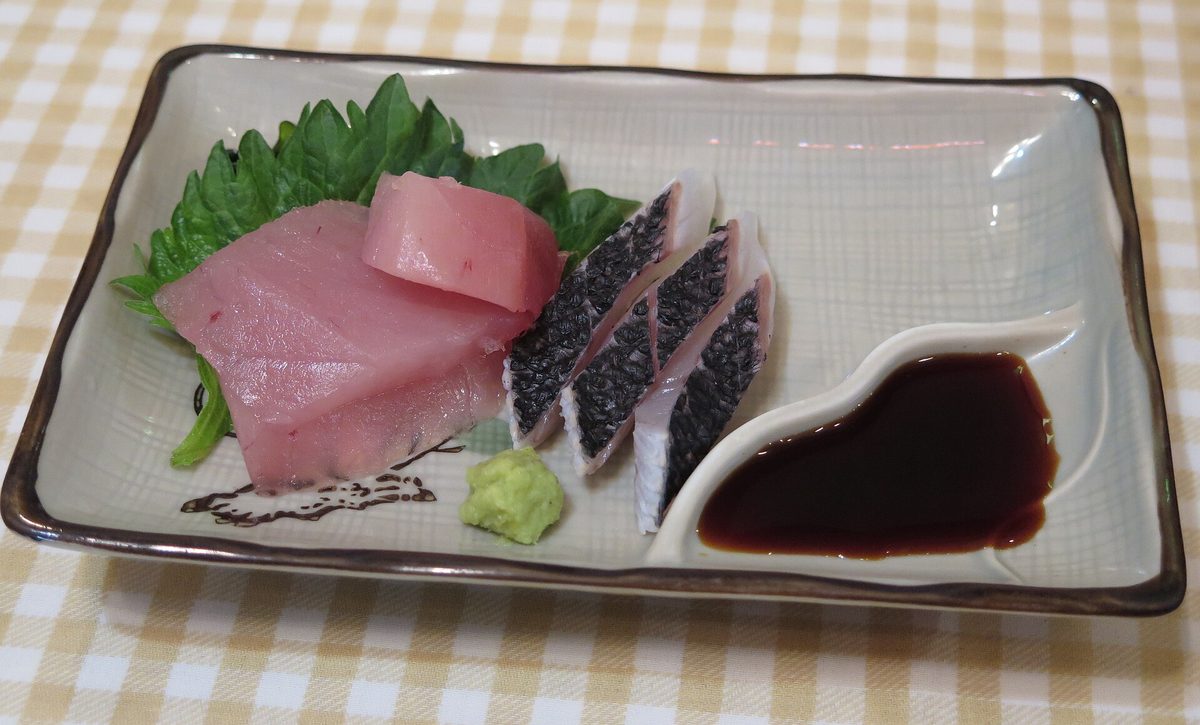
Sashimi, sushi, a raw egg stirred into hot rice: raw food is part of everyday eating in Japan, and restaurants handle it carefully. Still, a few risks are worth knowing, especially if you buy fish at a market or try raw meat dishes. This guide explains what Japan's Ministry of Health, Labour and Welfare (MHLW) and the Food Safety Commission say about raw fish, raw eggs and raw meat, which raw meat dishes are banned, and what to do if you feel unwell.
This page may contain affiliate links. If you buy through them, we may earn a commission at no extra cost to you.
- Raw fish and the anisakis parasite: what kills it and what doesn't
- Why raw eggs are eaten in Japan, and the date on the pack
- Raw meat: what's banned, and why chicken sashimi is a risk
- Who should be extra careful, and what to do if you get sick
Please read this first. This page is general food safety information based on official sources (checked October 2026), not medical advice. If you have severe pain or feel very unwell, see a doctor or call 119 for an ambulance.
Raw fish and anisakis
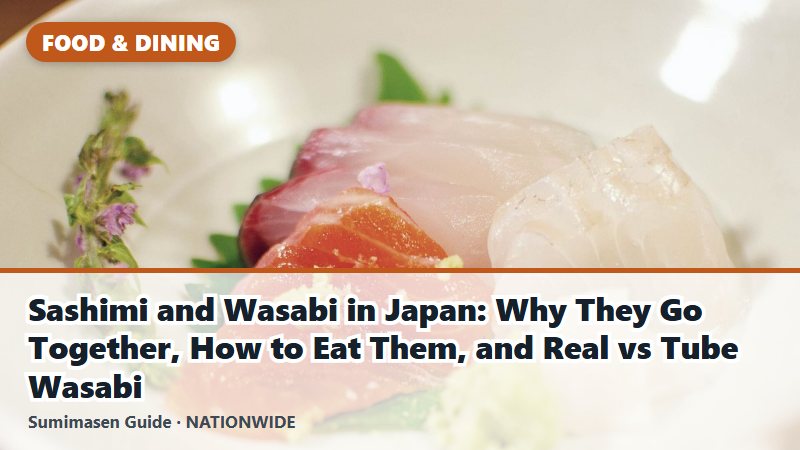
The main thing to know about raw seafood is anisakis, a parasite. The MHLW describes the larvae as white, thread-like worms about 2 to 3 cm long, found in fish and squid such as mackerel (saba), horse mackerel (aji), Pacific saury (sanma), bonito (katsuo) and squid (ika). Eaten alive, they can cause sudden, severe stomach pain, nausea and vomiting, usually from a few hours to a dozen or so hours after the meal.
In other words, wasabi and soy sauce make sashimi taste good, but they don't make it safer. Restaurants and fish shops prevent problems by choosing fresh fish, removing the guts quickly, and checking by eye. The MHLW's public magazine notes that many cases come from people preparing sashimi at home from whole fish they bought or caught, and suggests asking the shop whether a fish is sold for eating raw. If you're staying in an apartment and buying fish at a market, buy sashimi that's sold as sashimi, or cook the fish.
If you get severe stomach pain after eating raw seafood, see a doctor promptly; the MHLW says doctors can remove the larvae, for example with an endoscope.
Raw eggs: the date on the pack
Raw egg on rice (tamago kake gohan) and raw egg as a dip for sukiyaki are common in Japan. The Food Safety Commission explains why: since a 1999 rule change, the best-before date on egg packs in Japan shows how long the eggs can be eaten raw, assuming they're kept in the fridge at 10°C or below.
- After the date, cook eggs thoroughly (the commission says 75°C or more for at least 1 minute). Cook cracked eggs too.
- Crack an egg just before you eat it, and eat it soon.
- Older people, babies and children aged 2 and under, pregnant women and people with weakened immunity are advised to avoid raw eggs and choose well-cooked egg dishes.
Raw meat: what's banned and what's risky
Japan has strict rules for raw meat because of serious outbreaks. According to the MHLW, after an outbreak caused by raw beef in 2011, standards for raw beef were made legally binding in October 2011, and since July 2012 beef liver may not be sold or served for eating raw. Since June 2015, pork, both meat and organs, may not be sold for eating raw either, because of hepatitis E virus, bacteria and parasites.
Raw or lightly seared chicken (torisashi, tori no tataki) is on menus in some places and isn't banned, but the MHLW warns that it's a leading cause of Campylobacter food poisoning: chicken sashimi, seared chicken and undercooked chicken were among the suspected foods in cases in 2025. The ministry's advice is clear: "fresh" doesn't mean "safe", and chicken should be cooked until the center reaches 75°C for at least 1 minute. At a yakiniku (grill-it-yourself) restaurant, cook meat all the way through and use separate tongs for raw meat.
If you feel unwell
- Severe pain, trouble breathing, or someone collapses: call 119 for an ambulance.
- Need help finding a doctor in your language: the Japan Visitor Hotline run by JNTO answers 24 hours a day in English, Chinese, Korean and Japanese at 050-3816-2787.
- Tell the doctor what you ate and when. If you have food allergies, read food allergies in Japan before you go out.
Heading out for sushi? See how conveyor-belt sushi works.
Last reviewed: October 4, 2026. This page is general information; follow the advice of doctors and local health authorities.
References
- Ministry of Health, Labour and Welfare: Let's prevent food poisoning caused by anisakis (Japanese)
- Ministry of Health, Labour and Welfare: "Kosei Rodo" magazine, the parasite anisakis (Japanese)
- Food Safety Commission of Japan: A country where raw eggs can be eaten safely, Q&A (Japanese, February 24, 2017)
- Ministry of Health, Labour and Welfare: Cook meat well and enjoy it safely, including the ban on raw pork (Japanese, PDF)
- Ministry of Health, Labour and Welfare: Food poisoning by enterohemorrhagic E. coli such as O157 (Japanese)
- Ministry of Health, Labour and Welfare: Cook meat well before eating (Japanese)
- Ministry of Health, Labour and Welfare: Preventing Campylobacter food poisoning, Q&A (Japanese)
- Japan Tourism Agency: Information on illnesses, injuries, and disasters (Japan Visitor Hotline)