Why Do Japanese Monks Smell So Good? Zuko, the Incense Powder Rubbed on the Hands, and Where to Buy It in Kyoto
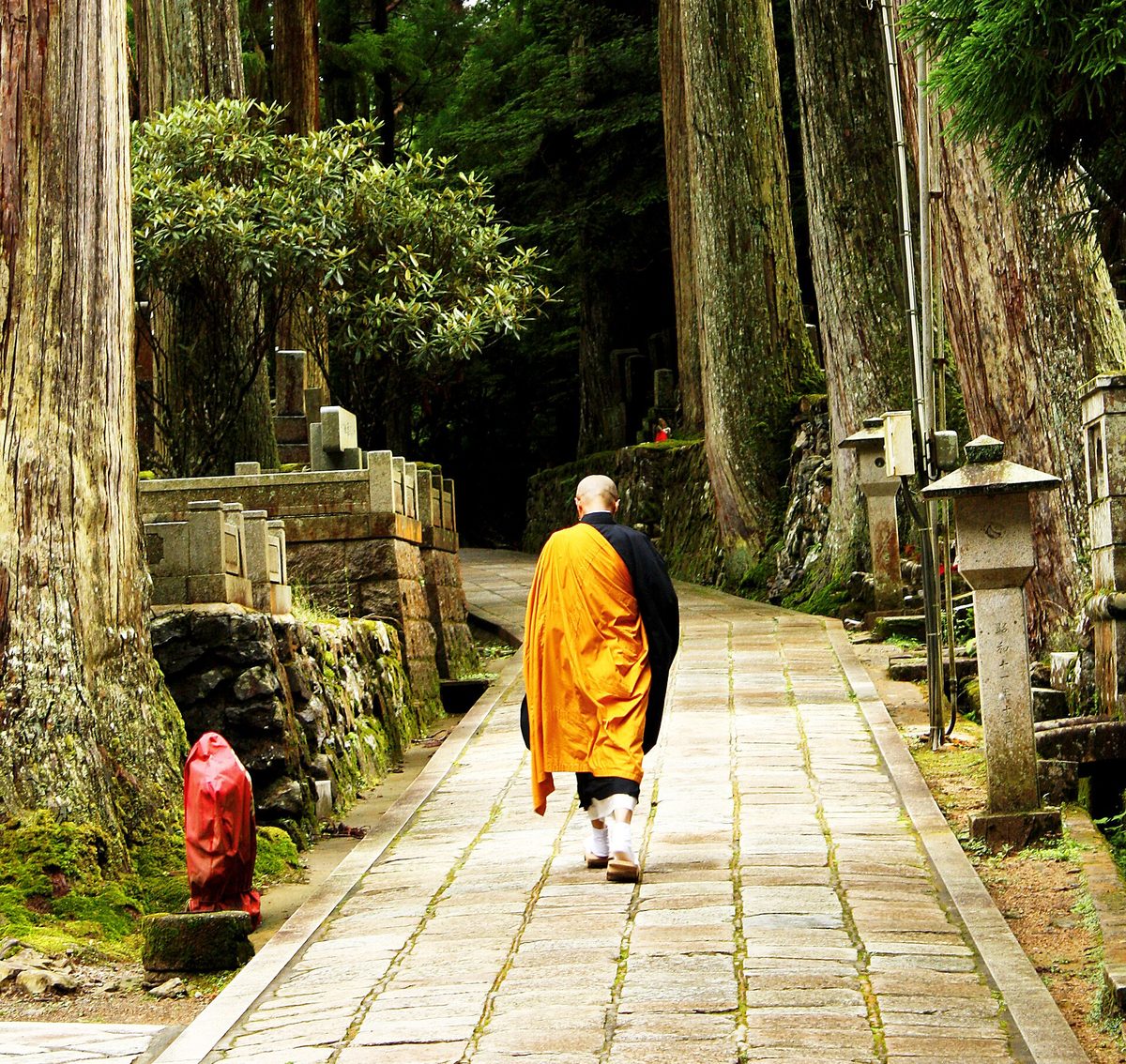
Walk past a Buddhist priest at a temple in Japan and you may catch a soft, woody scent. Many visitors wonder where it comes from. This guide explains the two usual sources, the incense smoke that soaks into robes and zuko, a fine incense powder rubbed on the hands, and shows how to use zuko yourself, where to try it before sutra copying, and where to buy it in Kyoto. It is based on the official pages of the incense makers Shoyeido and Kungyokudo, temples, and Japanese dictionaries.
- The short answer: incense smoke on the robes, and zuko on the hands
- What zuko is, and how it differs from other temple incense
- Zuko before sutra copying at a temple
- How to use zuko
- Where to buy zuko in Kyoto, and taking it home
The short answer
Most often, it is the incense that is part of a priest's daily work. Enryuji, a temple of the Shinshu Koshoha school in Marugame (Kagawa), explains on its own site that the "priest smell" is the smell of incense: during services the smoke reaches the priest before anyone else, so the scent soaks into the robes, and it builds up because they wear the same kind of robes again and again.
A second source is zuko (塗香), a powdered incense that priests rub on their hands and body to purify themselves, according to Shoyeido, an incense maker in Kyoto. Which one you smell depends on the temple, the school and the person, so there is no single answer for every priest. The good news for visitors: zuko is sold in Japan, and you can try it yourself.
What zuko is
The Japanese dictionary Digital Daijisen defines zuko as applying incense to Buddhist statues or to the body of a practitioner to remove impurity, and also the incense used for this. The Shinsan Jodoshu Daijiten, a dictionary of the Jodo school of Buddhism, adds that in esoteric Buddhism zuko is one of the six kinds of offerings placed before the Buddha, and that it stands for keeping the precepts.
- Shoyeido describes zuko as a powdered incense that is offered to the main image of worship, or rubbed on the body by practitioners to purify themselves and keep evil away. It adds that ordinary people also use it when copying sutras.
- Ingredients: Shoyeido's Gokuhin Zuko lists sandalwood, clove, cinnamon bark and borneol as its main ingredients. Each maker has its own recipe.
- No fire: Kungyokudo, an incense maker in Kyoto, calls its zuko an incense you apply to the body without using fire, and suggests it as a Japanese-style fragrance, for example when wearing a kimono.
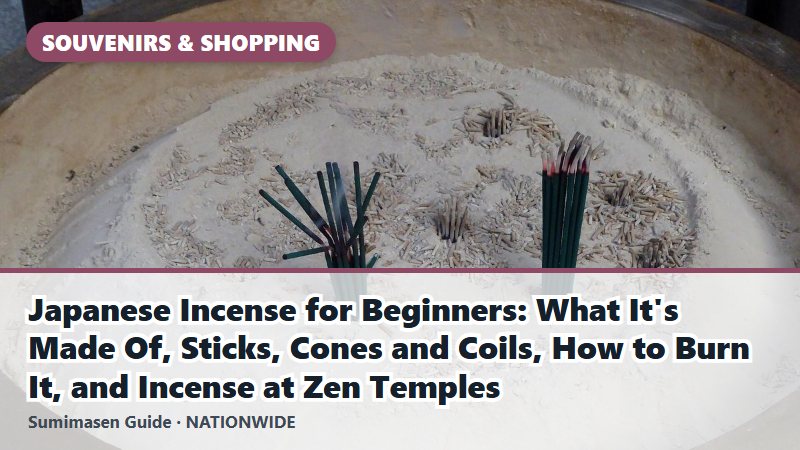
At a funeral or a memorial service in Japan, the incense you pinch and drop into a burner is shoko. According to the encyclopedia Nipponica, mourners step forward in turn, pinch powdered incense and burn it in the censer. Zuko is different: it never touches fire, and it goes on your hands before you pray or write. For incense sticks and cones, see our guide to Japanese incense.
Zuko before sutra copying
Some temples ask visitors to purify themselves with zuko before shakyo, copying a Buddhist sutra by hand. One example in Kyoto is Unryuin, a temple in Higashiyama Ward. Its official page describes three acts of purification before writing:
- Clove: you put a single clove in your mouth, to purify what you say.
- Zuko: you rub zuko on your hands, to purify what you do with your body.
- Water: water blessed with prayers is poured on your head, to purify your mind.
Unryuin's page lists sutra copying for 2,000 yen per person, including admission and a bowl of matcha, with reception from 10:00 to 15:00 (this can change on event days). No reservation is needed, but large groups are asked to book ahead. Sutra copying and the temple visit take about 1 hour 30 minutes together. The address is Sennyuji Yamanouchi-cho 36, Higashiyama-ku, Kyoto, and the phone number is +81-75-541-3916.
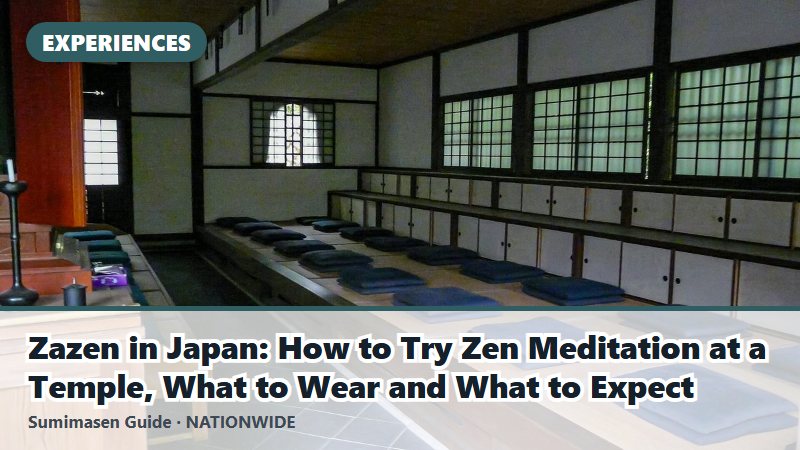
The Jodo school does the same in its own way: its dictionary says that at sutra-copying meetings and other training halls, people receive zuko as they enter the hall. Temple rules differ, so follow the priest's instructions on the day. Our zazen guide lists more temples with sutra copying and meditation, and our shrine and temple etiquette guide covers the basics of a temple visit.
How to use zuko
Kungyokudo's instructions for its zuko holder say to take a suitable amount into the palm of your hand. The Jodo school's dictionary describes its manner in more detail: put a pinch on the left palm, rub it on the backs of both hands, then stroke down from the chest to below the navel.
Our own tips: open the bag over a table, because it is a fine powder; close it tightly after use; and if you have sensitive skin, try a little on the back of one hand first. We make no health claims about zuko.
Where to buy zuko in Kyoto
These two Kyoto incense makers list zuko in their official online shops. Stock differs by store, so if you visit in person, ask the staff for "zuko".
- Shoyeido Kyoto Main Store: on Karasuma-dori north of Nijo, Nakagyo Ward, where the company says it has made incense for more than 300 years. Open 9:00 to 18:00 every day except at New Year, phone +81-75-212-5590. It is a short walk from Marutamachi Station, or about 5 minutes on foot from Karasuma Oike Station, on the subway. The store is listed as tax-free on Shoyeido's English site. Its web shop sells Gokuhin Zuko (in a zip bag) and Tokusen Zuko, and a small ebony zuko holder.
- Kungyokudo main store: in front of Nishi Honganji temple, Shimogyo Ward. The company was founded in 1594. Open 9:00 to 17:30, closed at New Year, phone +81-75-371-0162. It is about 15 minutes on foot from JR Kyoto Station, or take city bus 9 or 28 to Nishihonganji-mae. Its web shop sells sandalwood zuko and Rozan sandalwood zuko (made with sandalwood from Mysore, India), plus holders and cloth pouches.
Kungyokudo also has stores in Tokyo, Yokohama (Kanagawa), Nagoya (Aichi) and Osaka, and Shoyeido has stores in Tokyo, Osaka and other cities; check with each store whether it has zuko that day.
Taking zuko home
- Packing: keep the bag closed and put it inside another bag, so the powder doesn't spill and the scent doesn't spread to your clothes (our own tip).
- Plant materials: zuko is made of woods, spices and herbs. Some countries limit plant products, so check your own country's rules before you fly. More packing ideas are in our souvenirs guide.
- Ordering later: Shoyeido runs a separate web shop for international shipping; check whether zuko is listed for your country.
What to do as a traveler
- If you notice the scent at a temple, enjoy it quietly as part of your visit.
- To try zuko the traditional way, join a sutra-copying session that includes purification, such as Unryuin's in Kyoto.
- To buy it, visit Shoyeido or Kungyokudo in Kyoto and ask for "zuko", or check their online shops before your trip.
- Use only a pinch, and follow the temple's own way when you use it there.
Last reviewed: October 25, 2026. Hours and products can change; check the official pages before you go.
References
- Enryuji: Why do priests smell of incense? (Japanese)
- Shoyeido: Kinds of incense (Japanese)
- Shoyeido web shop: Gokuhin Zuko (Japanese)
- Shoyeido web shop: Zuko (Japanese)
- Shoyeido: Kyoto Main Store (Japanese)
- Shoyeido: Stores (English)
- Kungyokudo online store: Zuko (Japanese)
- Kungyokudo: About and stores (Japanese)
- Unryuin: Sutra copying (Japanese)
- Shinsan Jodoshu Daijiten: Zuko (Japanese)
- Kotobank: Zuko, Digital Daijisen and Nihon Kokugo Daijiten (Japanese)
- Kotobank: Shoko, Nipponica and other dictionaries (Japanese)