What to Wear in Japan in Winter: Packing for December, Tokyo and Kyoto vs Hokkaido, Snow Shoes and Shoe-Off Tips
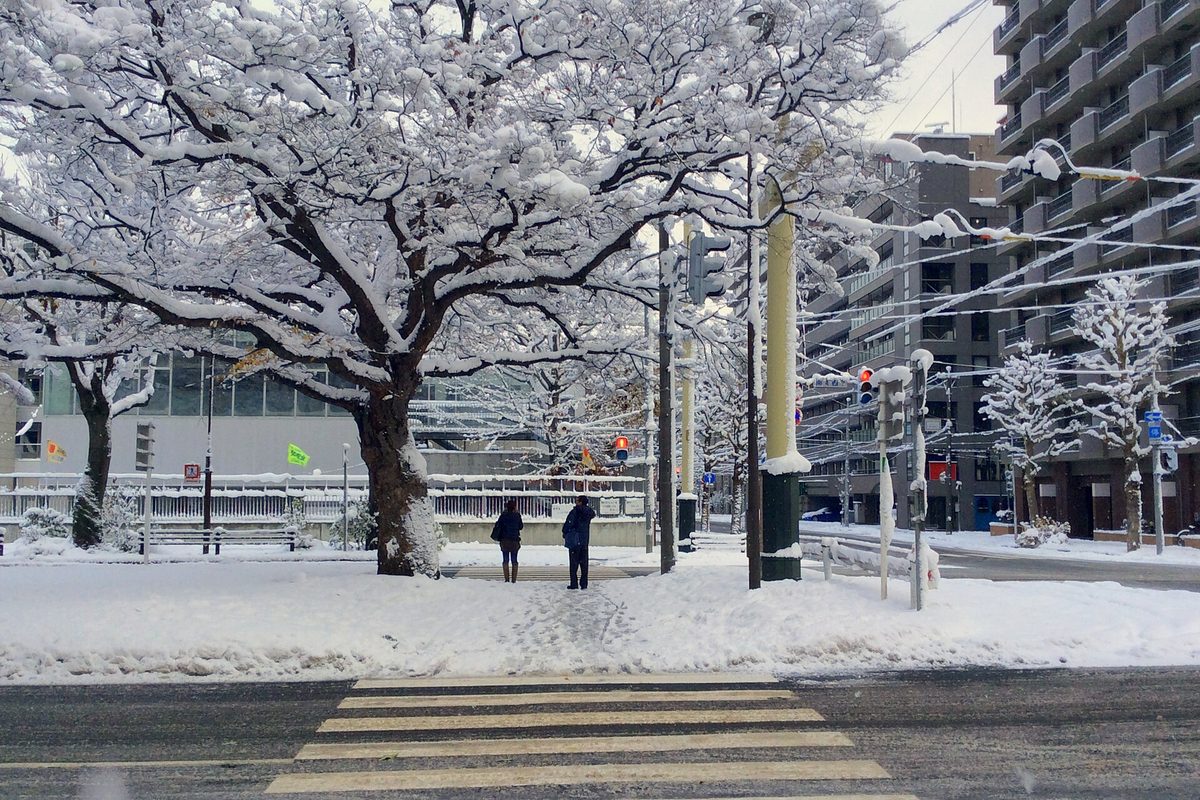
Wondering what to wear in Japan in winter? The honest answer is that it depends on where you go. Tokyo and Kyoto have cold, mostly dry winters where a warm coat is enough, while Sapporo (Hokkaido) and the north of the main island stay around freezing with deep snow. This guide compares the cities with the Japan Meteorological Agency's (JMA) official 30-year averages (1991–2020), then covers what to pack, why you'll want layers you can take off, which shoes work on snow and ice, and how to be ready for the many places where shoes come off.
Packing for a country you've never seen in winter is hard to get right from home. A few numbers and a short checklist make it much easier.
This page may contain affiliate links. If you buy through them, we may earn a commission at no extra cost to you.
- Tokyo and Kyoto in January: daily highs of about 9 to 10°C and lows of about 1 to 2°C, with little snow. A warm coat and layers are enough
- Sapporo (Hokkaido) and Aomori stay near or below freezing all day in January, with 137 cm and 195 cm of snowfall on average. Pack snow boots or non-slip soles, a hat and gloves
- Buildings are well heated, so wear layers you can take off indoors
- Shoes come off at many temples, ryokan (traditional inns) and some restaurants: wear shoes that slip off easily and clean socks
- Use the packing checklist at the end before you close your suitcase
Tokyo and Kyoto vs the snowy north: the numbers
These are JMA's averages for January, usually the coldest month, at the official weather stations in each city:
December and February follow the same pattern. Average temperature and total snowfall for each month:
| City | December | January | February |
|---|---|---|---|
| Tokyo | 7.7°C, 0 cm | 5.4°C, 4 cm | 6.1°C, 4 cm |
| Kyoto | 7.2°C, 2 cm | 4.8°C, 5 cm | 5.4°C, 7 cm |
| Sendai (Miyagi) | 4.5°C, 9 cm | 2.0°C, 21 cm | 2.4°C, 18 cm |
| Aomori | 1.4°C, 143 cm | -0.9°C, 195 cm | -0.4°C, 141 cm |
| Sapporo (Hokkaido) | -0.9°C, 113 cm | -3.2°C, 137 cm | -2.7°C, 116 cm |
- Tokyo and Kyoto: cold but rarely snowy. JMA's normal snowfall is only a few centimeters a month, so snow boots usually aren't needed. Evenings are the cold part: Tokyo's average daily low is 3.8°C in December and 1.2°C in January.
- Sendai (Miyagi): a little colder than Tokyo, with lows just below freezing in January and some snow.
- Sapporo (Hokkaido) and the city of Aomori: real snow country. Snow on the ground builds up through the winter: JMA's average deepest snow cover in February is 95 cm in Sapporo (Hokkaido) and 97 cm in Aomori.
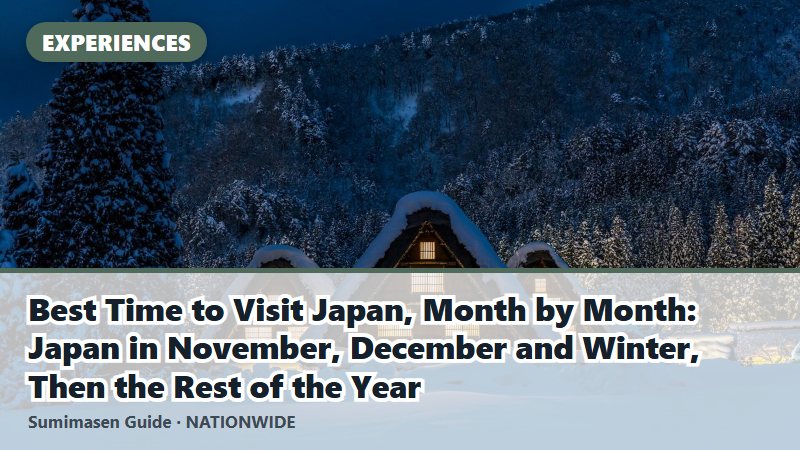
Averages hide cold snaps and warm days, so check the forecast a few days before you leave. For which months suit which trip, see our best time to visit Japan, month by month.
Layers you can take off: why indoors matters
The Sapporo (Hokkaido) Tourist Association puts it simply: buildings are well heated inside, so layers that can be put on and taken off easily are best, but outside you need to dress for temperatures well below freezing. The same idea works in Tokyo and Kyoto, where you move between cold streets and warm shops, museums and restaurants all day.
Trains are heated too. For example, the municipal subway of Yokohama (Kanagawa) explains that its heaters sit under the seats, and that in a crowded car the air conditioning may switch to cooling or fans even in winter. A heavy sweater under a heavy coat can feel very warm on a packed train, so think in thin layers:
- Inner layer: a thin, warm top (and leggings or tights in the north).
- Middle layer: a sweater or fleece you can take off and carry.
- Outer layer: a warm coat. In Sapporo (Hokkaido), the city's tourist association recommends a down jacket or coat made of a material that doesn't soak up water, such as nylon, because falling snow can leave you a little wet.
Shoes for snow and ice
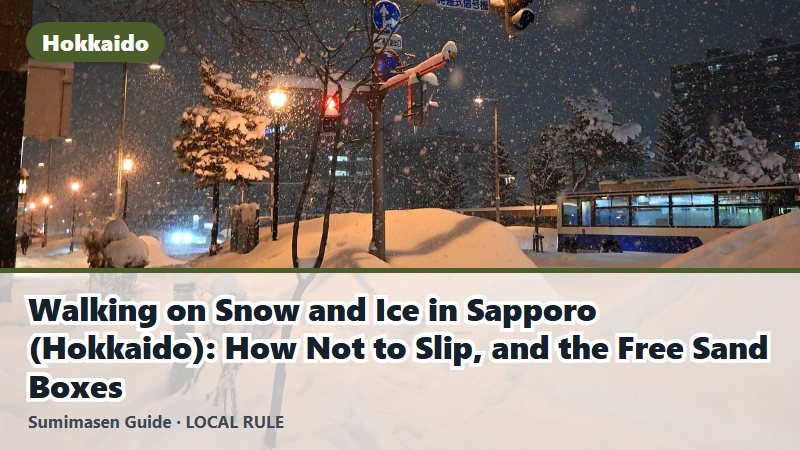
In Tokyo and Kyoto, comfortable walking shoes are fine for most winter days. In Hokkaido and the snowy north, shoes matter more than your coat. The Sapporo (Hokkaido) Tourist Association explains why: snow melts during the day and freezes over the road surface at night, so shoes with good grip are the best choice. In January and February it recommends snow boots or footwear with non-slip soles.
- Add grips if your shoes are smooth: slip-prevention soles that hook or stick onto your shoes are sold at convenience stores and shoe stores in central Sapporo (Hokkaido) for about 1,000 to 2,000 yen. Some shoe repair shops will attach non-slip soles for about 2,000 to 3,000 yen, taking around 40 minutes (Sapporo (Hokkaido) Tourist Association).
- Walk like a penguin: small steps, with the whole sole of your shoe touching the ground. Snow can hide ice underneath. Our guide to walking on snow and ice in Sapporo (Hokkaido) has the city's own tips and the free sand boxes at icy corners.
- Think about taking them off: tall lace-up boots are slow to take off and put on. If your trip includes temples or a ryokan, boots with a side zip or that you can step into save time at every entrance.
Staying in Tokyo but want one snow day? You don't need to pack ski wear for it. The Mount Fuji Yeti ski and strawberry picking day trip on Klook (affiliate link) departs from Shinjuku (Tokyo) with English and Chinese-speaking guides; rental equipment and ski suits are available, and there are winter-limited plans with snow play (checked October 19, 2026). This site doesn't sell tours; check what each plan includes on the booking page.
Shoes off: temples, ryokan and some restaurants
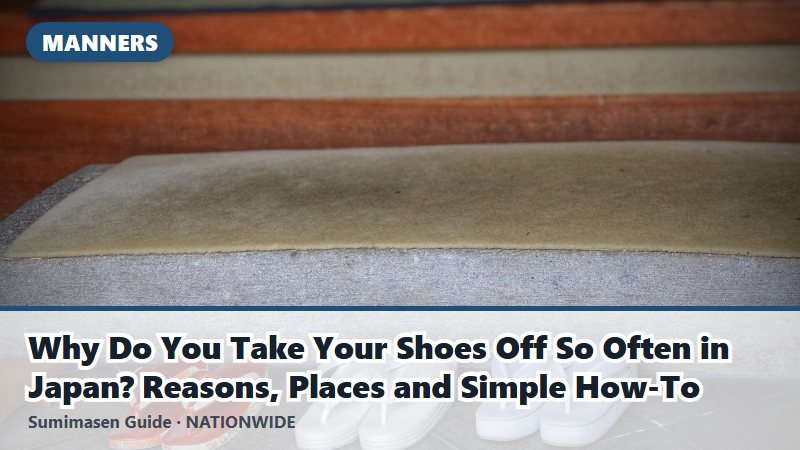
Winter trips often include temples, a night at a ryokan and dinner in a tatami room, and all of these can mean taking your shoes off. JNTO says that at some attractions, restaurants and traditional hotels you'll be asked to take off your shoes before entering, usually with shoe racks and sometimes slippers. Its advice for travelers: having easy-to-slip-on shoes will make life easier.
- Easy shoes: japan-guide.com suggests wearing shoes that can be easily removed when visiting historical buildings, since you may take them off and on several times a day.
- Clean socks: the same guide says to make sure your socks are neat and free of holes. If you wear thick winter tights or leggings, a pair of socks over them works too.
- Slippers and tatami: slippers come off before you step onto tatami mats. Our guide to why you take your shoes off in Japan explains where, why and how.
Onsen in winter
A hot spring after a cold day is one of the joys of a Japanese winter. Getting in and out means changing clothes in a changing room, so easy layers help here too. Japan's Consumer Affairs Agency warns that bathing accidents, especially among older people, happen most from November to April. Its advice is written for baths at home, but it is a good guide at any bath: water of 41°C or below, up to about 10 minutes in the water, no sudden standing up, and no bathing right after a meal, after drinking or after taking medicine. For the step-by-step manners, including tattoos, see how to use an onsen or sento.
Cold evenings at winter illuminations
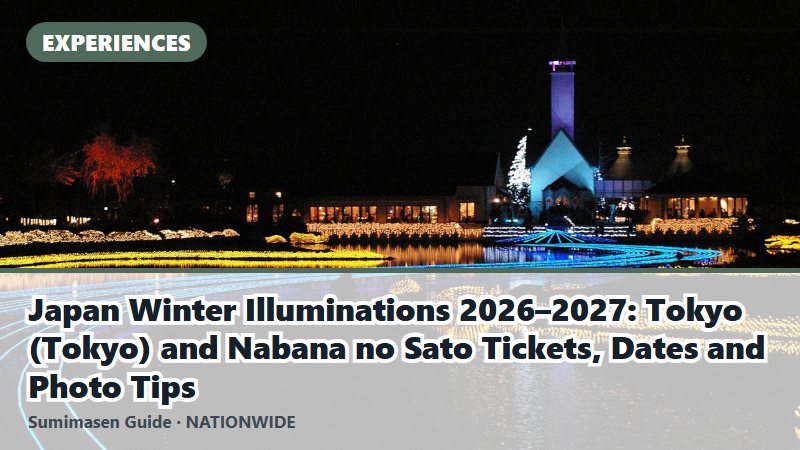
Winter light displays are an evening activity, often enjoyed outdoors after dark. In Tokyo the average daily low is 3.8°C in December and 1.2°C in January (JMA), so bring your warmest layer, a scarf and gloves that let you use your phone. See Japan's winter illuminations for dates and tickets.
Winter packing checklist
- Check the forecast for every city on your route.
- Pack a warm coat you can take off easily; in the snowy north, a water-resistant one.
- Pack thin warm inner layers and a sweater or fleece, not one very thick layer.
- Bring a scarf, gloves and, for the north, a hat.
- Choose shoes that slip off easily; for snow and ice, snow boots or non-slip soles.
- Bring clean socks without holes, plus a spare pair.
- Keep a small bag for carrying your coat and layers indoors.
Last reviewed: October 19, 2026. Temperatures and snowfall are 30-year averages; weather in any one year can be very different, so check the forecast before you go.
References
- Japan Meteorological Agency: Climate normals for Tokyo (Japanese)
- Japan Meteorological Agency: Climate normals for Kyoto (Japanese)
- Japan Meteorological Agency: Climate normals for Sendai (Miyagi) (Japanese)
- Japan Meteorological Agency: Climate normals for Aomori (Japanese)
- Japan Meteorological Agency: Climate normals for Sapporo (Hokkaido) (Japanese)
- Sapporo (Hokkaido) Tourist Association: What to wear in Sapporo (Hokkaido) in winter
- City of Yokohama (Kanagawa): Air conditioning on the municipal subway (Japanese)
- JNTO: Understanding and mastering Japanese manners and etiquette
- JNTO: Japanese customs and etiquette (responsible travel guide)
- japan-guide.com: Indoor etiquette
- Consumer Affairs Agency: Bathing accidents in winter (Japanese)