Can You Flush Toilet Paper in Japan? Yes, and Here's What Goes in the Bin Instead
Quick answer
- Yes: in Japan, used toilet paper goes into the toilet and is flushed, not put in the bin.
- Pocket tissues, wet wipes (even "flushable" ones), paper towels and sanitary products go in the bin, not the toilet.
- On some mountains, or wherever a sign says not to flush paper, follow the sign.
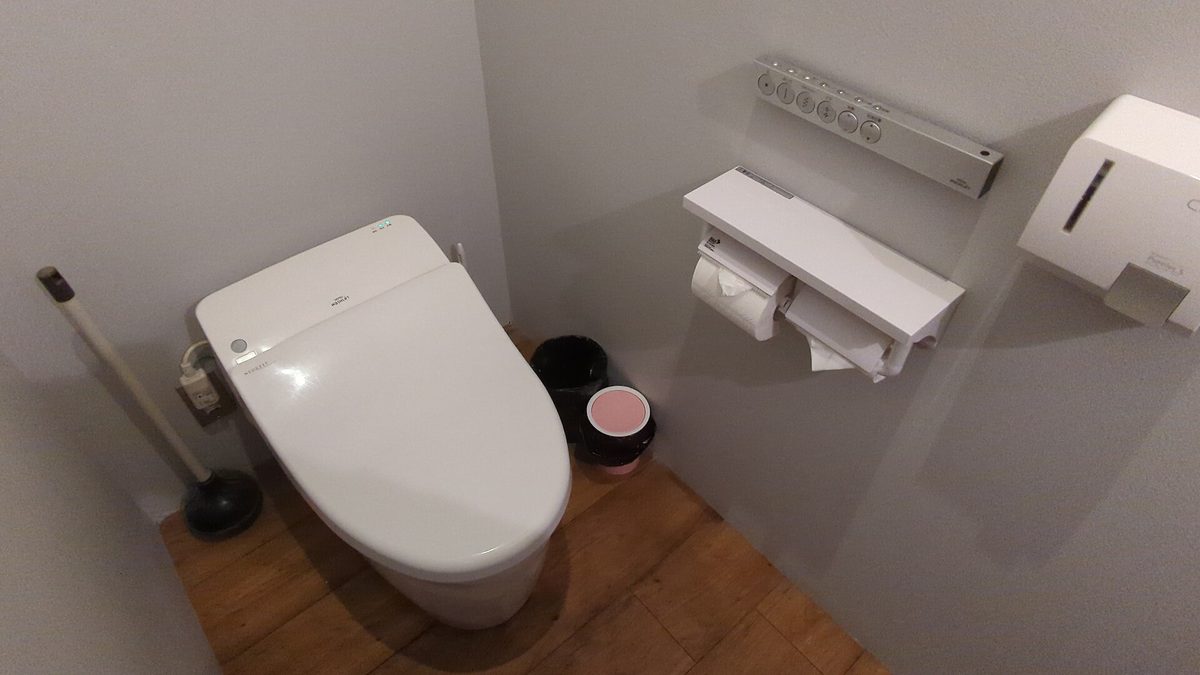
Yes: in Japan, used toilet paper goes into the toilet and is flushed, not put in the bin. Japanese toilet paper is made to break apart in water, so only tissues, wet wipes and sanitary products go in the bin. If you come from a place where paper goes in a basket next to the toilet, flushing it can feel wrong at first. This short guide covers why it's fine, what you shouldn't flush, the few exceptions, and how to read the signs.
- Toilet paper goes in the toilet, then you flush
- Pocket tissues, wet wipes, paper towels and sanitary products go in the bin
- Use only as much paper as you need
- On some mountains, or where a sign says so, the rule changes
Pocket tissues are not toilet paper. If a stall has no paper and you use your own pack of tissues, put the used tissues in the bin, not the toilet. Tissues don't break up in water the way toilet paper does.
Flush the paper: it's made to fall apart in water
Japanese toilet paper is designed to come apart quickly once it's in water. The Japanese Industrial Standard for toilet paper, JIS P 4501, includes a test of how easily it breaks up in water, and Kanagawa Prefecture explains that the standard value is within 100 seconds. The official tourism site of Sapporo (Hokkaido) tells visitors the same thing in plain words: used toilet paper can be flushed down the toilet.
You're far from the only visitor who hesitates. Kyoto City says many visitors use public toilets according to the habits of their own country, for example by putting used toilet paper in the bin. That's why the city made picture stickers for its public toilets, in Japanese, English, Korean and Chinese, asking people to flush the paper instead of throwing it away.
Only toilet paper goes in: everything else goes in the bin
Flush toilet paper and nothing else. The Tokyo Metropolitan Sewerage Bureau says you can't flush anything other than waste and toilet paper, and names diapers, tissues that don't dissolve in water, and plastic. Hiroshima City warns that flushing any paper other than toilet paper can block pipes, and Kashiwa (Chiba) lists tissues, diapers and cotton wool as common causes of blockages.
- Sanitary pads and tampons: Shobara (Hiroshima) explains that they don't dissolve, and neither do their wrappers; they tangle into lumps that break pumps. Wrap them in paper and put them in the small bin in the stall.
- Wet wipes, even "flushable" ones: in a 2019 test published by Kanagawa Prefecture, both toilet papers broke up within 100 seconds, but 5 of the 7 flushable tissue and wipe products did not, at the number of sheets their packages say to use. The prefecture notes that a product labeled flushable may still not break up easily. The simplest choice is the bin.
- Paper towels and pocket tissues: they're paper, but not toilet paper, so they go in the bin.
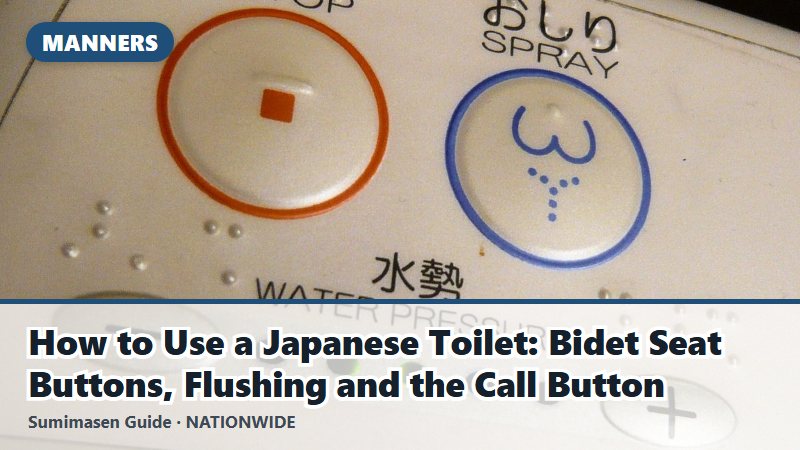
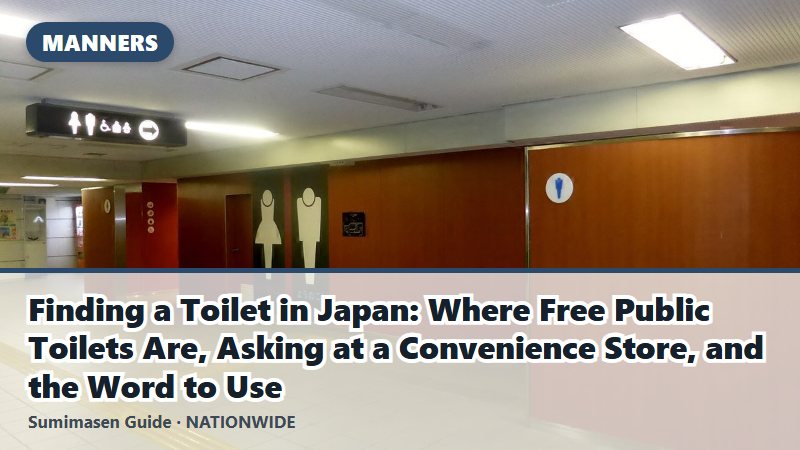
For the rest of the toilet, from the bidet buttons to the flush lever, see how to use a Japanese toilet. To find a toilet in the first place, read finding a toilet in Japan, and for the wrappers and other rubbish you carry, see trash rules in Japan.
Use only as much paper as you need
Japanese toilets handle toilet paper well, but a huge wad can still block one. The Tokyo Metropolitan Sewerage Bureau notes that using more toilet paper than necessary can clog a toilet. If you need a lot, flushing partway through is an easy habit.
Exceptions: some mountains, and any sign that says otherwise
Mountain toilets can work differently from toilets in town, because there may be no sewer and the waste has to be carried away. On Mt Daisen (Tottori), the Japan Tourism Agency's guide says the summit hut's eco-toilet tank has to be brought down the mountain to be emptied, and asks hikers to carry a portable toilet and to take all their trash home, including toilet paper. If you plan to climb Mt Fuji, read the Mt Fuji climbing rules before you go, and read the notices at each toilet on the way.
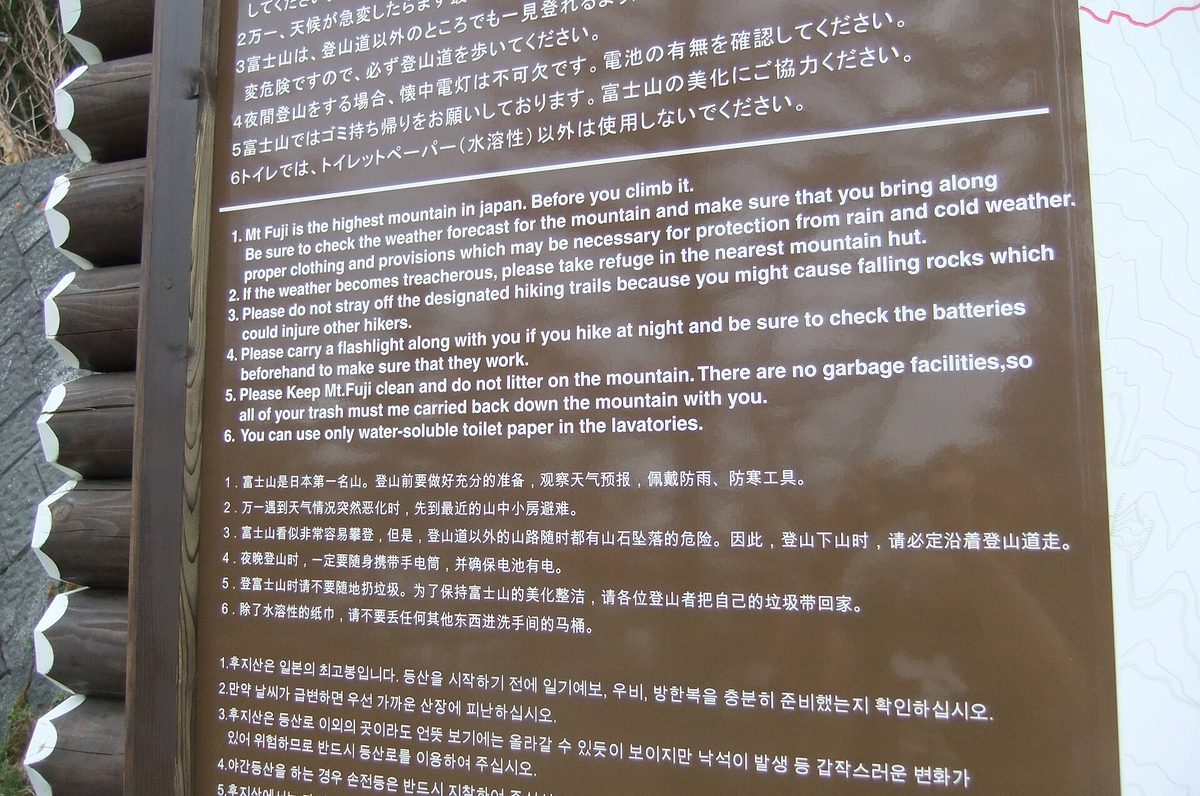
Anywhere else, the rule is simple: if a sign in the stall asks you not to flush paper, follow the sign. If the water stops, for example after a large earthquake, follow the instructions of staff and signs on using toilets; our earthquake guide covers what else to do.
How to read the signs
Not every sign has English, so these are the Japanese words to look for:
Kyoto City's stickers, for example, say Toiretto pepa wa gomiire ni sutezu nagashite kudasai: "Please flush toilet paper instead of throwing it in the bin." If you see 流さないで (nagasanaide, "don't flush") next to the word for paper, that toilet is one of the exceptions.
What to do as a traveler
- Used toilet paper? Into the toilet, then flush.
- Used your own tissues or a wet wipe? Into the bin.
- Period products? Wrap them in paper and use the small bin in the stall.
- Hiking in the mountains? Carry tissues and a bag, and follow the sign at each toilet.
Last reviewed: November 2, 2026. Rules for mountain and temporary toilets differ by place; follow the sign on site.
References
- Kanagawa Prefecture: Test of flushable tissue products (Japanese)
- Sapporo (Hokkaido) official tourism site: How to use toilets (English)
- Kyoto City: Toilet stickers for visitors (Japanese)
- Tokyo Metropolitan Sewerage Bureau: Toilet drainage guide (English, PDF)
- Hiroshima City: What can go into the sewer? (Japanese)
- Kashiwa City: Using the sewer (Japanese)
- Shobara City newsletter: Not everything can be flushed (Japanese, PDF)
- Japan Tourism Agency: Toilets on Mt. Daisen (English)