Sauna Manners in Japan: The Cold Bath, Löyly and What "Totonou" Means
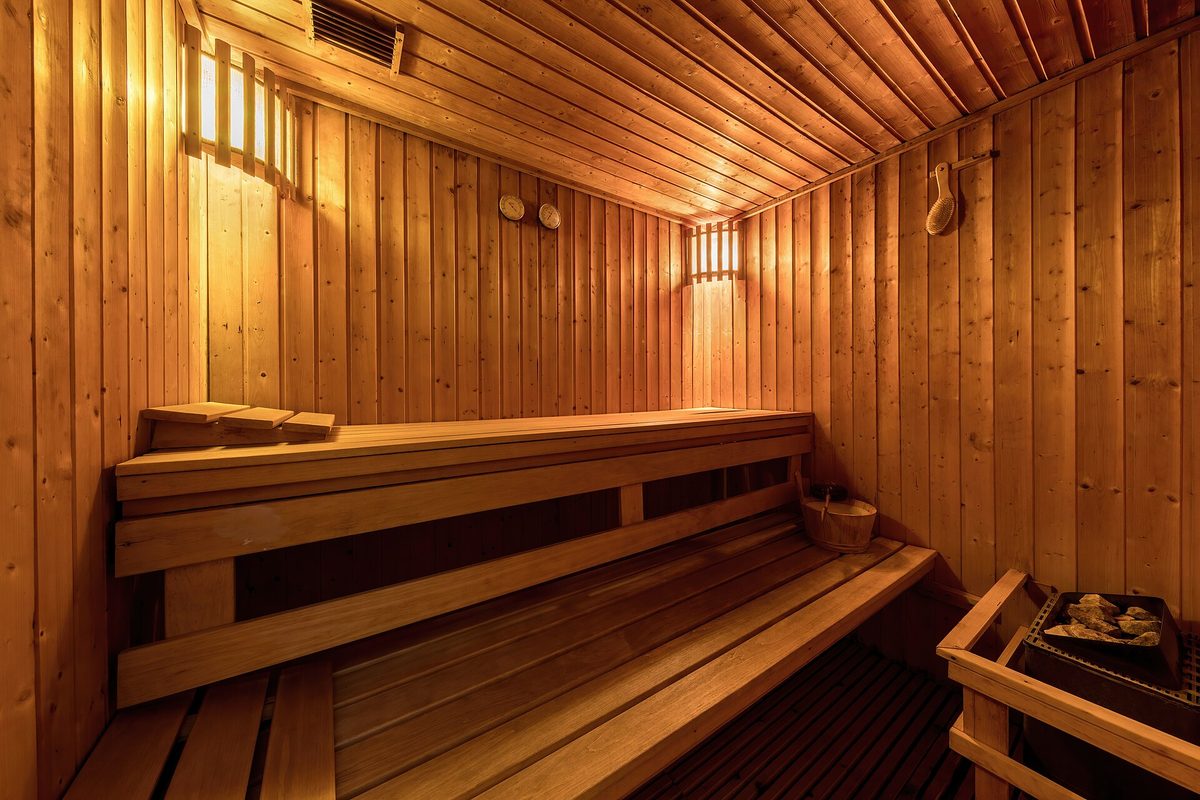
Japan is in the middle of a sauna boom. Many onsen, sento and hotels now have a hot sauna room, a cold plunge bath and an outdoor resting area, and Japanese sauna fans talk about the feeling of totonou afterwards. Using them is simple, but there are a few shared habits that keep the water clean and everyone comfortable, and a few health points that matter more than any manners. This guide uses the Consumer Affairs Agency's safety warning, the Japan Sauna & Spa Association and the official rules of Japanese sauna facilities.
This page may contain affiliate links. If you buy through them, we may earn a commission at no extra cost to you.
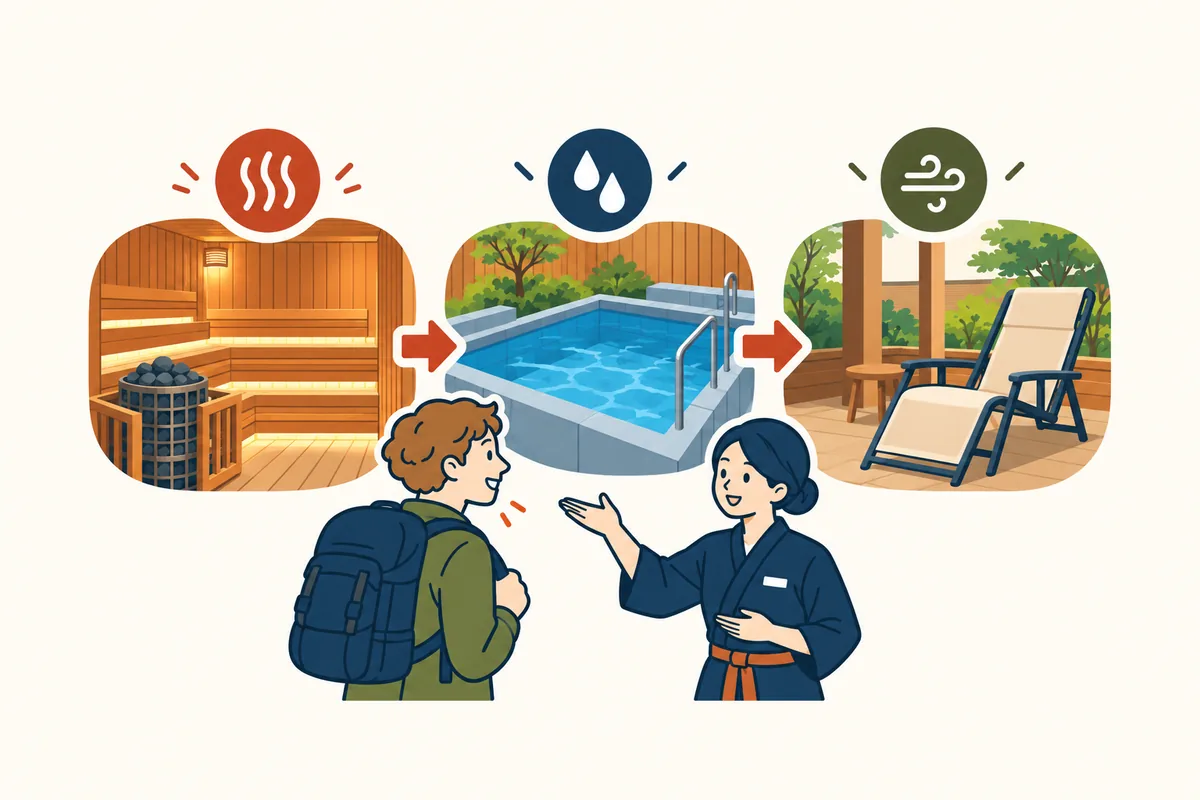
- The sauna → cold bath → rest cycle, with safety notes
- OK and not OK at a glance
- Löyly (pouring water on the stones): follow each facility's rule
- Who should check with a doctor first
Please read this first. This guide is not medical advice. The Consumer Affairs Agency says people being treated for stroke, heart disease or high blood pressure, and pregnant women, should check with their doctor before using a sauna. Facility rules come first.
The cycle, step by step
The Japan Sauna & Spa Association recommends one set as drink water → sauna → cold bath → rest, and about 200 ml of water before and after the sauna. You will hear rules of thumb like "so many minutes, so many sets." There is no official number; the Consumer Affairs Agency's advice is simply to leave when you start sweating, at your own pace, without enduring it.
Manners from Japanese saunas
These come from the published rules of Japanese sauna facilities and the Consumer Affairs Agency:
- Wash and dry before entering. Rinsing keeps the room clean and warms you gradually; wiping off water prevents slips on a wet floor.
- Rinse your sweat off before the cold bath (a quick splash of water is called kakemizu), so the water stays clean for the next person.
- Sit on a towel or mat if the facility provides one. Some saunas offer individual mats.
- Löyly (ロウリュ, pouring water on the hot stones): follow the facility's rule. Some have automatic löyly at set times and ask you not to pour water yourself, because it can break the heater; self-service saunas may limit you to one ladle at a time; others ask you to check with people in the room first. At a staff-led aufguss (towel-waving) session, leave whenever you need to.
- Quiet voices. Loud talking in the sauna room is not allowed at many facilities.
- Don't save seats with towels or mats; take your things when you leave the room.
- In the cold bath: don't put your head under, and don't swim. Facilities call both dangerous.
Health first
- Accidents happen. The Consumer Affairs Agency counted 78 sauna-related accident reports (82 people injured) by the end of April 2024, including burns, cuts and fractures.
- When not to go in: when you feel unwell or have a fever, right after a meal or exercise, and after drinking alcohol, including with a hangover.
- Cold baths are a shock. The agency notes reports of blood pressure rising to about 200 mmHg, and says that even young people can get an irregular heartbeat from sudden cold. If you don't like the cold bath, you don't need to use it; resting in the open air instead is fine.
- Water: about 500 ml of sweat can come out in a 10-minute sauna, so drink a glass or two before and after.
- Burns: take off metal jewelry and keep the metal part of your locker key off your skin.
- If you feel strange, press the emergency button or tell other people or staff.
What does "totonou" mean?
Sauna fans in Japan say totonou (ととのう, roughly "to be in tune") for the deeply relaxed, clear-headed feeling that can come after the sauna, cold bath and rest. There is no official definition. Dr. Takahisa Kato, a physician who heads the Japan Sauna Society, has described it in an interview as a state in which adrenaline from the excitement remains in the blood while the nervous system is in relaxed mode. Treat it as a pleasant bonus, not a goal to push for.
Tattoos
Saunas are usually inside an onsen or sento, so the facility's tattoo rule applies. It differs from place to place; see tattoos at onsen and sento, and how to ask.
Last reviewed: October 4, 2026. Please follow each facility's rules and check the official pages below.
References
- Consumer Affairs Agency: Beware of sauna accidents (Japanese, PDF, June 5, 2024)
- Japan Sauna & Spa Association: Totonou 2.0 routine (Japanese)
- Japan Sauna Society (Japanese)
- Nikkei: Dr. Takahisa Kato on "totonou" (Japanese, May 5, 2022)
- A sauna facility's official manners page: Ozone Onsen Yu no Shiro (Japanese)
- A sauna facility's official page: Spa & Hotel Suisyun Matsuiyamate (Japanese)
- A self-löyly sauna's official rules: Sauna Muchu (Japanese)
- JNTO: How to best enjoy onsen