Conveyor-Belt Sushi Chains in Japan: Sushiro, Kura Sushi, Hama Sushi, Kappa Sushi and Uobei Compared
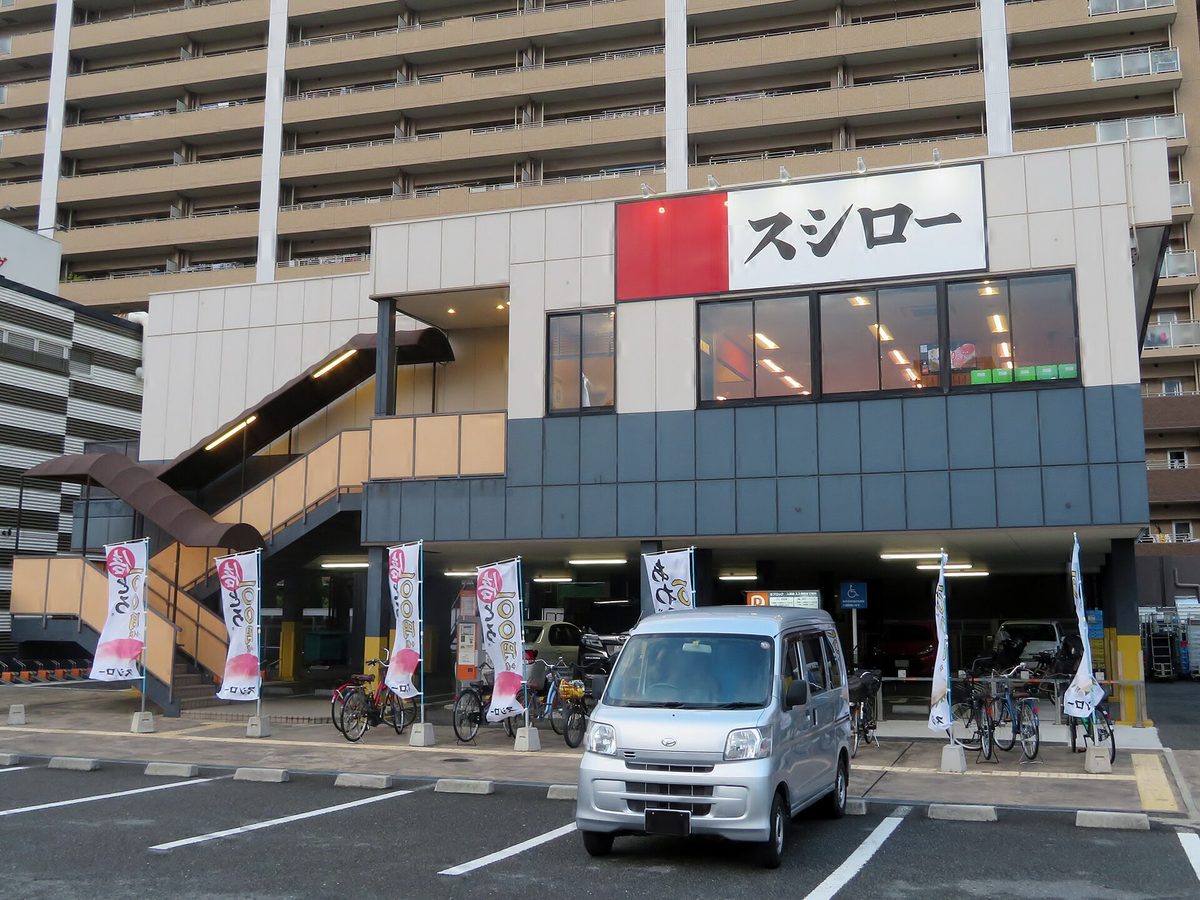
Japan's big conveyor-belt sushi chains have hundreds of restaurants each, many on main roads and in shopping centers, so there is often one near your hotel. They all work in a similar way, but each chain has its own apps, ordering screens, games and side dishes. This guide introduces the major chains one by one, using their official sites and investor pages, and shows how to skip the line with an app, order on the panel and pay at the end.
This page may contain affiliate links. If you buy through them, we may earn a commission at no extra cost to you.
- The major chains, who runs them and roughly how many restaurants they have
- A side-by-side comparison of ordering, languages and apps
- Reserving or checking in with an app so you wait less
- What to order, eating with children, and paying
First, the basics
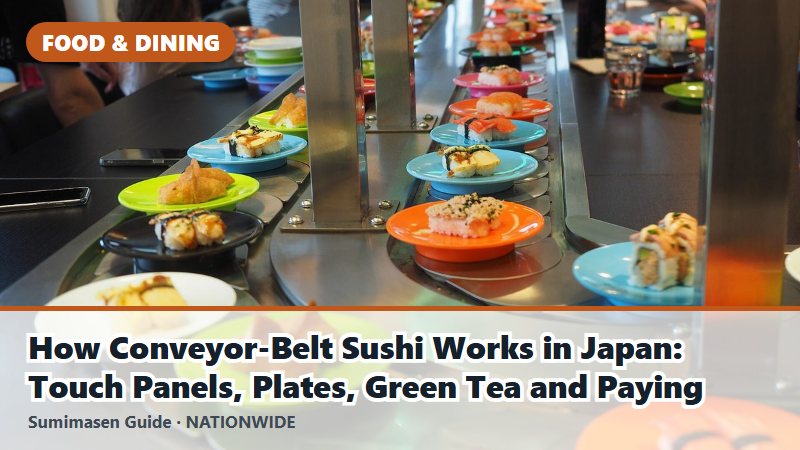
If you've never been to a conveyor-belt sushi restaurant, start with how conveyor-belt sushi works: touch panels, the order lane, making green tea and the one habit everyone should know (never put a plate back on the lane). This page is about the chains themselves: what's different from one to the next, and how to use their apps.
The major chains, one by one
The restaurant numbers below are each company's own figures for Japan, at the dates shown.
- Sushiro (スシロー): run by Akindo Sushiro, part of FOOD & LIFE COMPANIES. It had 667 Sushiro restaurants in Japan at the end of June 2026, according to its results for the nine months to June 2026. Its English site says it has more than 100 kinds of sushi and side dishes, a touch panel in English, Chinese (simplified) and Korean, and plates from 120 yen (tax included) at the time of writing, with items and prices differing at some restaurants.
- Kura Sushi (くら寿司): run by Kura Sushi, Inc. Its monthly report lists 558 restaurants in Japan at the end of August 2026. Its guide for first-time visitors, which is also in English, Chinese and Korean, explains the covered plates, the order lane and Bikkura Pon (ビッくらポン): put five empty plates into the slot at your table and a short game plays on the touch panel, sometimes with a capsule prize.
- Hama Sushi (はま寿司): run by Hama-Sushi, part of Zensho Holdings, which also runs the gyudon chain Sukiya (see gyudon chains). Zensho's monthly figures show 685 restaurants at the end of September 2026 (a preliminary figure). Its site has English and Chinese pages, and its "how to enjoy" page lists more than 100 kinds of sushi plus soups, noodles including ramen, side dishes, drinks and desserts.
- Kappa Sushi (かっぱ寿司): run by Kappa Create. Its results for the year to March 2026 give 299 conveyor-belt sushi restaurants, and list self-checkout and automatic seat guidance among the equipment it has been adding. You can order on your phone at the restaurants listed on its site.
- Uobei (魚べい) and Genki Sushi (元気寿司): run by Genki Global Dining Concepts, which was called Genki Sushi until August 2024. Its press release of August 26, 2026 says it opened its 200th restaurant in Japan (all its brands together) on August 29, 2026. The same release says that in 2012 it opened the first Uobei with no rotating lane at all, in Dogenzaka, Shibuya (Tokyo): you order everything on a touch panel and it arrives on a high-speed lane.
The chains side by side
All five use touch panels, so the biggest differences for a visitor are the languages on offer and the apps. "Languages" above means what each chain says on its official pages; if a chain doesn't say, look for a language button on the panel when you sit down.
Skip the line: reserve or check in with the app
On weekends and at dinner time there can be a long wait. The chains' apps let you book a time or take a place in the queue before you leave your hotel.
- Sushiro: its app's store page says you can find nearby restaurants, take a place in the queue or book a 15-minute time slot, then check in at the reception machine when you arrive. If you don't check in within 30 minutes, the booking is canceled automatically.
- Kura Sushi: book a time in its app, or on the web without the app, then check in at the machine at the entrance, which gives you a slip with your seat number (from its first-time guide).
- Hama Sushi: its FAQ says it doesn't take seat reservations, but the official app lets you book a time or take a place in the queue.
- Kappa Sushi: its app lets you choose a restaurant, date and time, and the number of people and type of seat.
- Uobei and Genki Sushi: the joint app offers a place in the queue, with some restaurants not included.
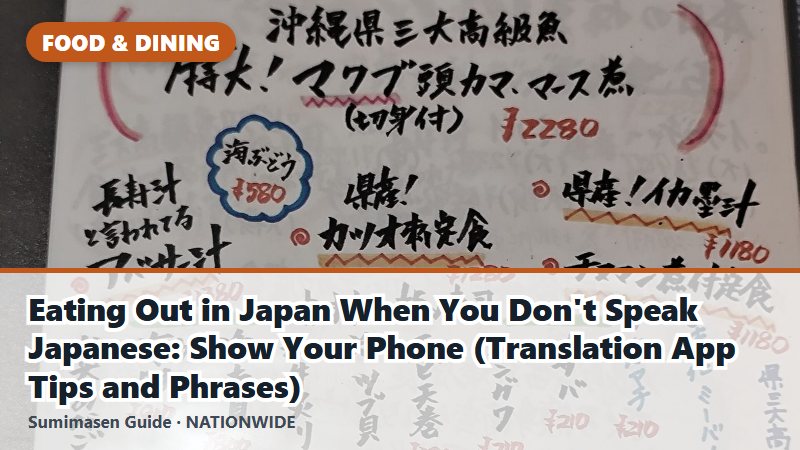
Japan's App Store lists English for the Sushiro, Hama Sushi and Kappa Sushi apps, and only Japanese for the Kura Sushi and Uobei apps (checked October 5, 2026). If an app is hard to read, your phone's translation tools can help; see eating out with a translation app. Some apps ask for details such as a mobile phone number when you book (Kappa Sushi's does, for example). If an app doesn't work for you, just go to the reception machine at the door.
What to order
Salmon is the favorite. In the 2026 survey by the seafood company Umios (formerly Maruha Nichiro), salmon was the topping people said they eat most often at conveyor-belt sushi restaurants for the 15th year in a row, and about three in four said they eat more of what they order than of what goes round on the lane (survey summary). So don't be shy about ordering on the panel.
- Beyond sushi: the chains sell side dishes, desserts and drinks too. Sushiro's English site lists udon, French fries, pudding and ice cream, for example, and Hama Sushi's English site lists egg custard (chawanmushi), udon, ramen, miso soup and fried food.
- Wasabi and soy sauce: at Kura Sushi, its guide says to add wasabi yourself, a pinch to taste, and to put one or two drops of soy sauce directly on the sushi. For how to use both, see sashimi and wasabi and the soy sauces of Japan.
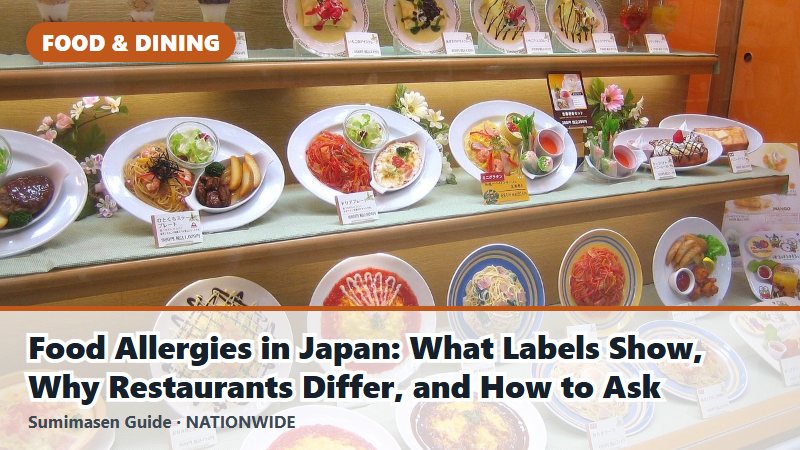
- Allergies: Sushiro's English site and Hama Sushi's Japanese site have allergen information, but menus differ by restaurant, so check before you order; see food allergies in Japan.
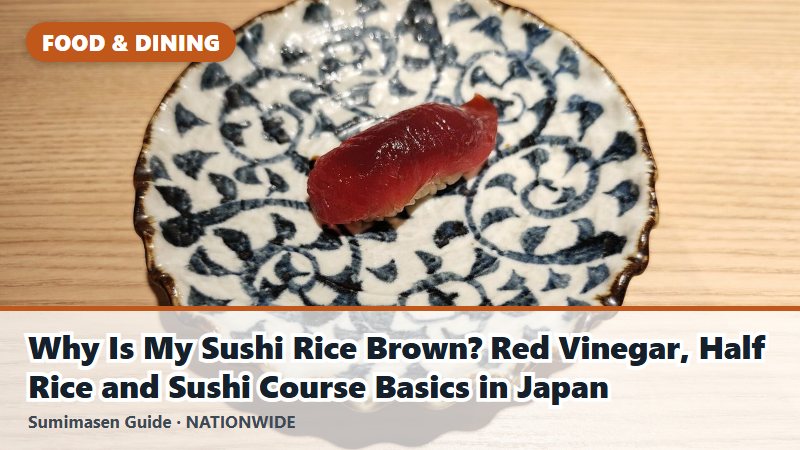
- A sushi counter is different: at a traditional sushi restaurant with a set course, the rice, the order and the manners can be quite different; see red vinegar rice, half rice and course sushi.
With children
- Games and prizes: Kura Sushi's Bikkura Pon plays once for every five plates you put in the slot. Kura's 2019 announcement of phone ordering also said side dishes ordered through the app count toward a game.
- Kids' sets and seats: Hama Sushi's "how to enjoy" page describes its Hamakko set for children, which comes with a coin for a toy capsule machine, and its FAQ says every restaurant has booster seats for small children.
- Wasabi: where wasabi is added at the table, as at Kura Sushi, children's sushi is easy to keep mild. If you're not sure whether a plate has wasabi in it, ask the staff.
Paying
- Sushiro: its English site says all kinds of credit cards and QR code payments are accepted, but not electronic money, and that a few restaurants accept only some QR code services.
- Kura Sushi: a camera counts your plates, then you pay at a self-checkout with your seat slip. Its guide lists credit cards, electronic money and code payments.
- Hama Sushi: its FAQ lists cash, credit cards and some electronic money.
- Kappa Sushi and Uobei: check the stickers at the register; Kappa Sushi has been adding self-checkout to its restaurants.
Payment options differ from restaurant to restaurant, so carry some cash just in case; see how to pay for things in Japan. There is no tipping: tipping in Japan.
Last reviewed: October 5, 2026. Restaurant numbers are the companies' own figures for Japan at the dates shown, and prices, apps and payment options change from time to time.
References
- Sushiro: Official English site
- FOOD & LIFE COMPANIES: Results for the third quarter of the year to September 2026 (Japanese, PDF)
- App Store: Sushiro app (Japanese)
- Kura Sushi: Guide for first-time visitors (Japanese)
- Kura Sushi: Monthly report for August 2026 (Japanese, PDF)
- Kura Sushi: Phone ordering starts, 2019 (Japanese)
- Zensho Holdings: Hama Sushi monthly figures (Japanese)
- Hama Sushi: How to enjoy Hama Sushi (Japanese)
- Hama Sushi: FAQ (Japanese)
- Hama Sushi: Official English site
- Kappa Create: Results presentation for the year to March 2026 (Japanese, PDF)
- Kappa Sushi: The Kappa Sushi app (Japanese)
- Kappa Sushi: Ordering on your phone (Japanese)
- Genki Global Dining Concepts: 200 restaurants in Japan, August 26, 2026 (Japanese)
- App Store: Uobei, Genki Sushi and Senryo app (Japanese)
- Net Asia: Umios survey on conveyor-belt sushi, 2026 (Japanese)