Ryokan With a Private Onsen: How to Book a Private Bath or a Room With Its Own Open-Air Bath in Winter
This page contains affiliate links.
Quick answer
- A kashikiri-buro is a private bath you reserve for a set time; a kyakushitsu rotenburo is an open-air bath that comes with your room.
- The room with its own bath is a room type you choose when you book, and it is usually the most expensive.
- In winter, book early for weekends and the New Year holiday, and ask the ryokan how to reserve its private bath.
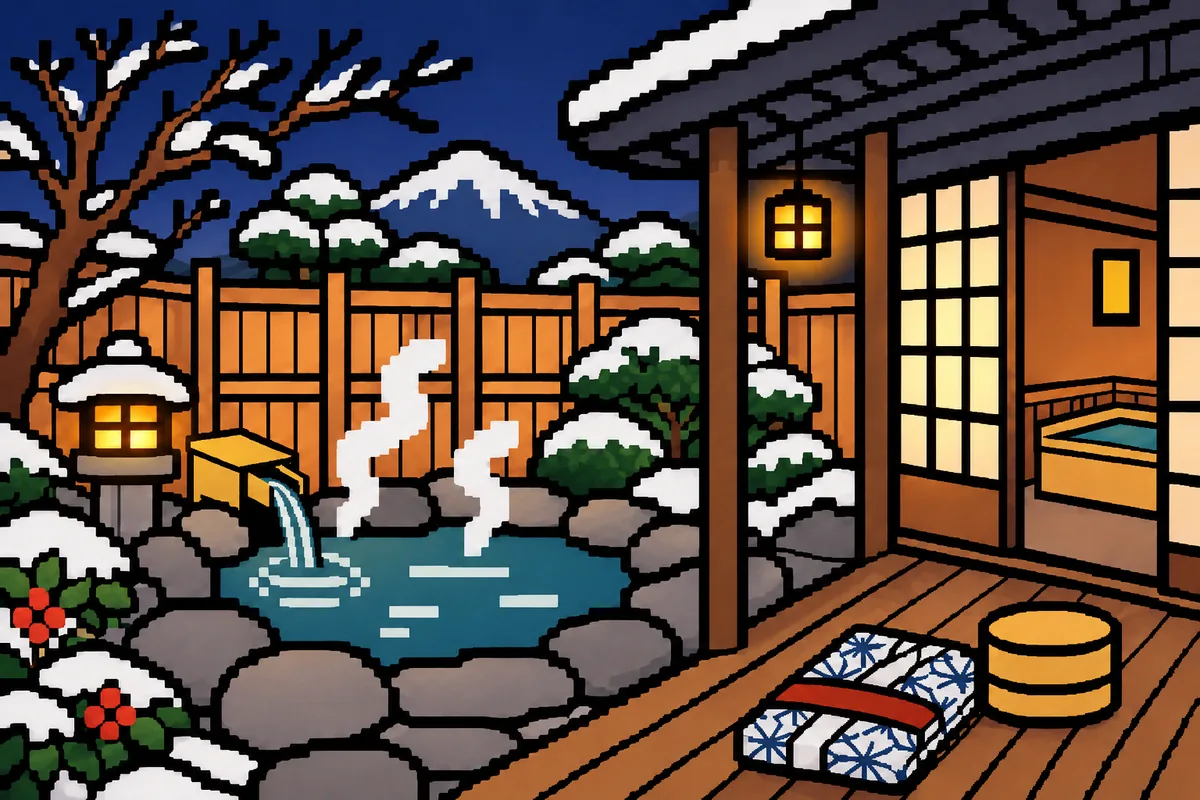
There are two ways to get a hot spring bath to yourself at a ryokan, a traditional Japanese inn: a kashikiri-buro (貸切風呂), a private bath you reserve for a set time, or a room with its own bath, often an open-air one called a kyakushitsu rotenburo (客室露天風呂). The room with its own bath is the one you choose when you book; a private bath you reserve for a time slot is usually booked with the ryokan, sometimes only after you arrive. In winter, book early for weekends and the New Year holiday, when Japanese guests fill the inns.
A hot bath while snow falls on the garden is one of the joys of winter in Japan. With a bath of your own, you can enjoy it at your own pace, without worrying about tattoos or strangers. This guide explains both kinds of private bath, how to find them when you book, and what to ask the ryokan.
- Two kinds of private bath, and how they differ
- How to spot a room with its own bath when you book
- Winter: which dates fill first, and what to ask about snow
- Questions to send the ryokan before you pay
Two kinds of private bath
The Japan Tourism Agency's ryokan Q&A sorts private hot spring baths into two kinds: a bath that comes with your room, which you can use privately at any time, and a bath you have to yourself for a set time, which needs a reservation. The large shared baths, by contrast, can usually be used without booking.
- A private bath you reserve. Go! NAGANO, the official travel guide of Nagano Prefecture, explains that families, couples or single guests can reserve these baths, and that some are free for guests while others cost extra. Ask how to book it: some ryokan take bookings when you make your reservation, others at check-in.
- A room with its own bath. The same guide says that in hot spring areas some rooms have their own hot spring bath, some have an open-air bath connected to the room, and these rooms are typically the most expensive in the ryokan. You get the bath only if you book that room type.
How to find one when you book
On booking sites, the private bath usually belongs to a room type, not to the whole ryokan. One ryokan may have only a few rooms with their own bath, and the rest without. Before you pay:
- Read the room name and the room's facilities. Look for words such as "open-air bath in room", "private open-air bath" or "room with hot spring bath". A ryokan photo of an outdoor bath may show the shared bath, not your room.
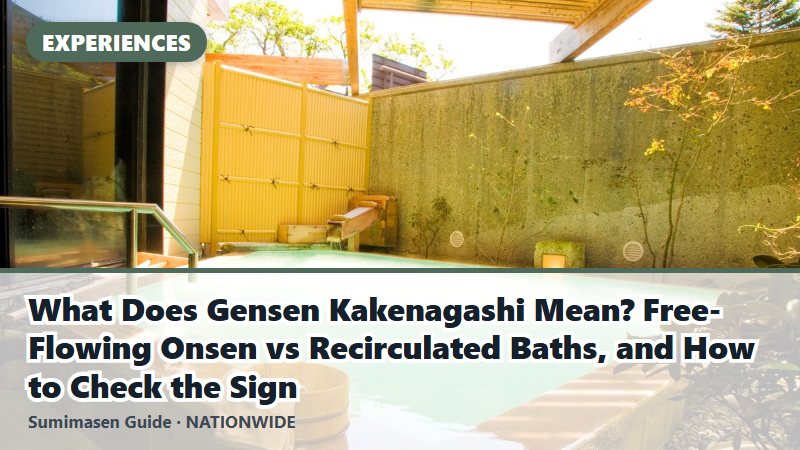
- Check whether it is hot spring water. If that matters to you, look for the word onsen or "hot spring" in the room description, or ask. For what the signs about the water mean, see gensen kakenagashi explained.
- Check the price per person. The Japan Tourism Agency says ryokan often charge per person, and children may pay depending on their age; many ryokan charge the normal rate from age 12.
- Read the cancellation terms. Fees rise as the date gets closer, and a no-show is usually charged at 100%.
Many ryokan are on booking sites with English information, but Go! NAGANO notes that some traditional ryokan have only a Japanese website, or take bookings by phone or fax. If the inn you like isn't on a booking site, an email in simple English, with the questions below, is often the easiest way to start.
Booking a private onsen in winter
- Weekdays are easier. Go! NAGANO says ryokan typically fill up with Japanese guests at weekends, so price and availability are better on weekdays. Rooms with their own bath are few, so they go first.
- The New Year holiday is busy. JNTO describes the New Year holiday as roughly December 29 to January 3. If your dates fall in that window, book as early as you can, and see New Year closures in Japan for trains and shops.
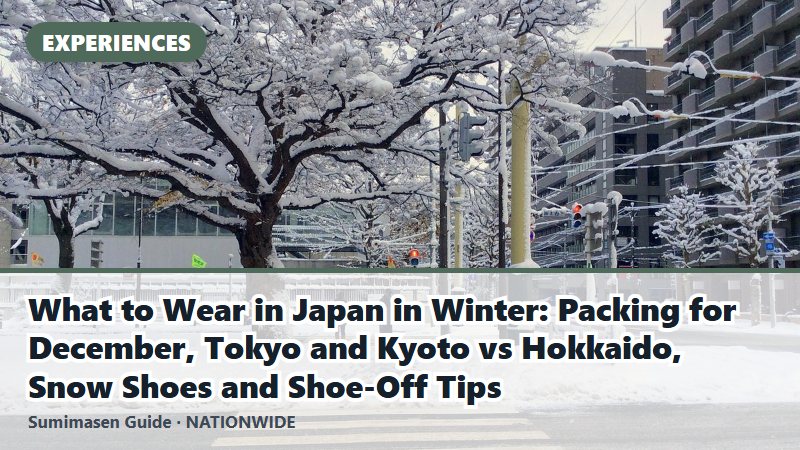
- Ask about snow and access. In snowy areas, ask whether the ryokan has a shuttle from the nearest station, and what time the last one leaves, before you plan to drive. Dress for the walk from the station: see what to wear in Japan in winter.
- Arrive on time. The Japan Tourism Agency says check-in is usually from about 15:00 to 16:00, and that meals are often served at set times, so a late train in the snow can cost you dinner. Tell the ryokan if you'll be late.
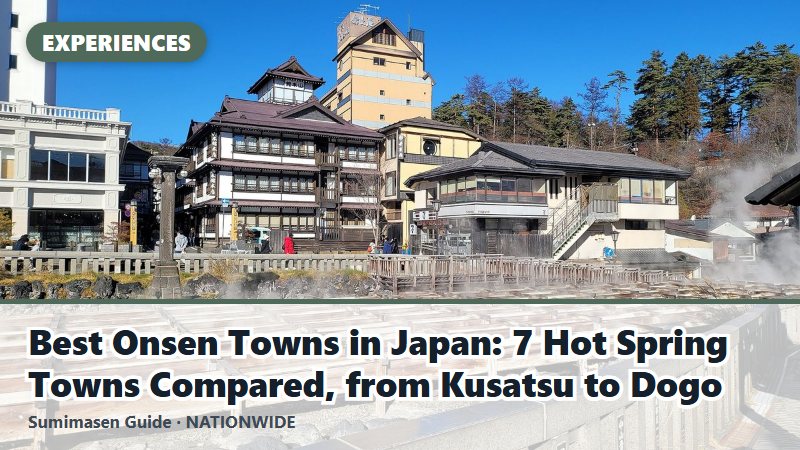
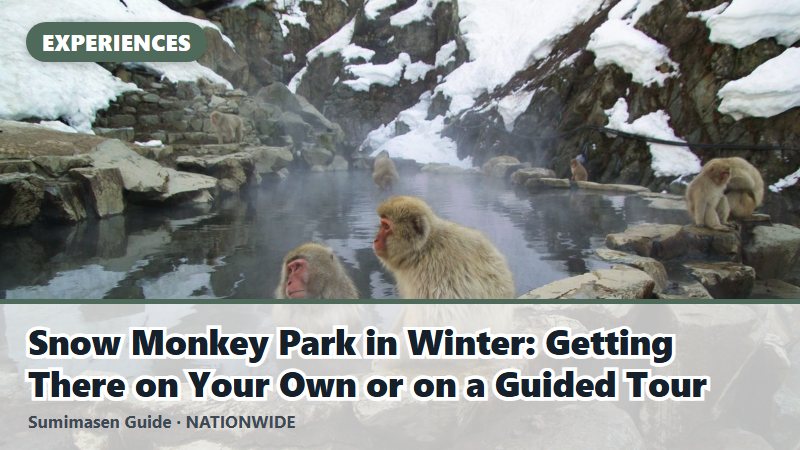
Not sure where to go? Our guide to the best onsen towns in Japan compares seven hot spring towns. If you are heading to Nagano, the snow monkey park in winter is reached by train to Yudanaka (Nagano) and then a bus.
Tattoos and private baths
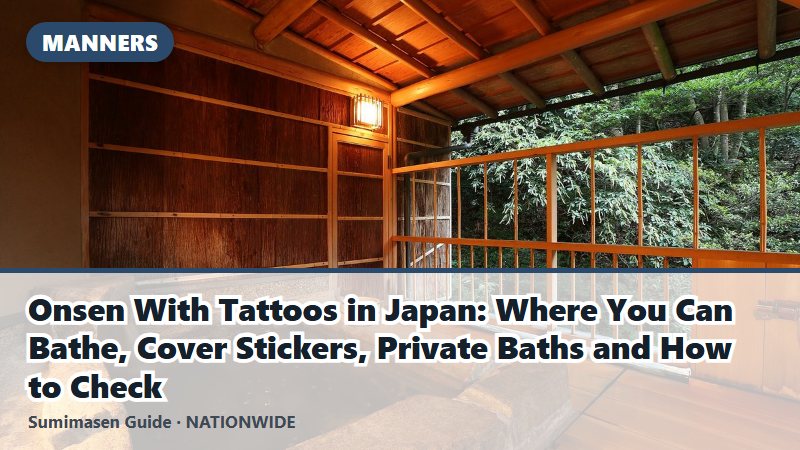
The Japan Tourism Agency says ryokan differ a lot in how they treat guests with tattoos in the large shared bath, and that some ryokan have private baths or in-room baths so that guests with tattoos can still enjoy a bath. A room with its own bath is the surest choice. If you plan to use a private bath you reserve, still ask the ryokan before you book. For the full picture, see onsen with tattoos in Japan.
Questions to ask before you book
You can copy these into an email, or show them at the front desk.
Show this (Japanese):
貸切風呂はありますか。予約は必要ですか。
Do you have a private bath? Do I need to book it?
貸切風呂は無料ですか。
Is the private bath free for guests?
この部屋のお風呂は温泉ですか。
Is the bath in this room hot spring water?
駅から送迎はありますか。
Do you have a shuttle from the station?
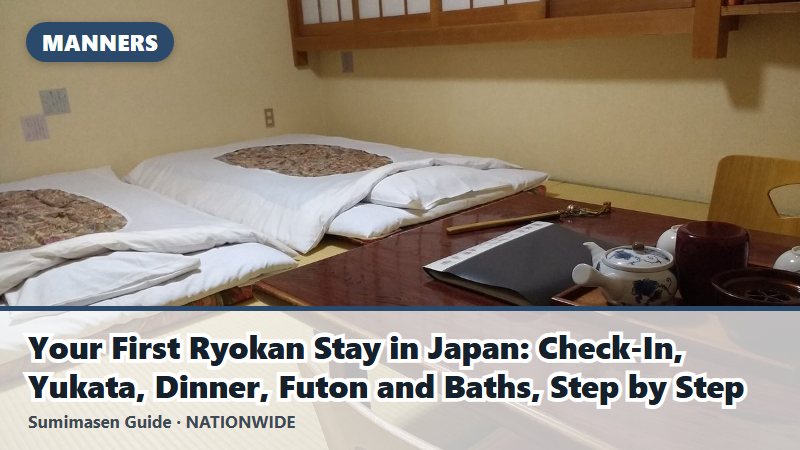
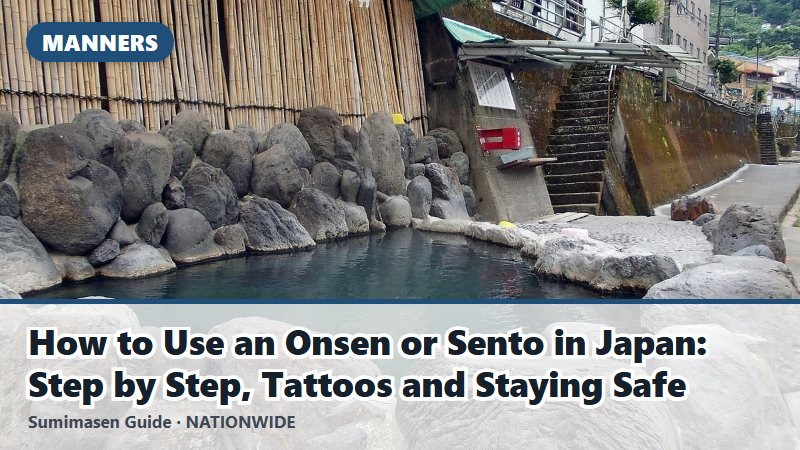
A private bath still follows the usual bath manners: wash before you get in, and keep your towel out of the water. If it's your first ryokan, see your first ryokan stay, step by step, and for bath manners, onsen and sento manners.
Last reviewed: November 9, 2026. Each ryokan sets its own rules for private baths, prices and cancellations. Please check with the ryokan before you book.