Feature
Edo Japan
The Edo period (1603-1868) shaped much of the Japan you see today: castle towns, post towns, sushi and soba, ukiyo-e, kabuki and the samurai. Where to see it, taste it and walk it.
Articles in this feature
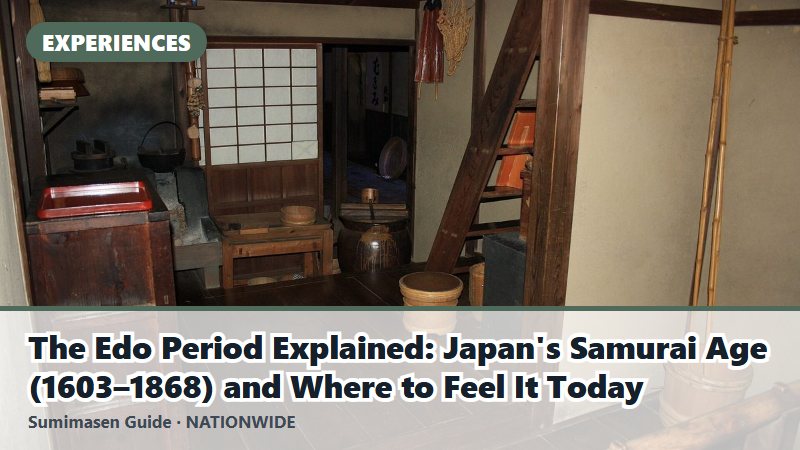 The Edo Period Explained: Japan's Samurai Age (1603–1868) and Where to Feel It TodayCastles, samurai, kabuki, ukiyo-e prints and the post towns on old highways: much of what visitors picture as "traditional Japan" took shape in the Edo…
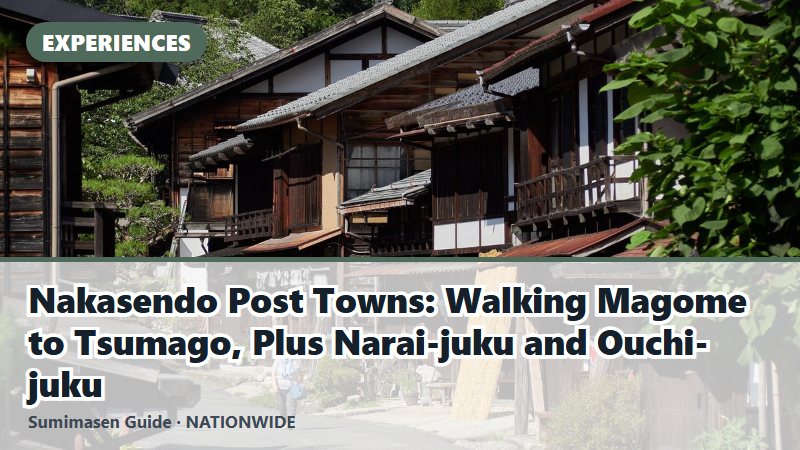 Nakasendo Post Towns: Walking Magome to Tsumago, Plus Narai-juku and Ouchi-jukuIn the Edo period, travelers and lords' processions walked Japan's highways and stopped for the night in post towns, small towns built along the road to…
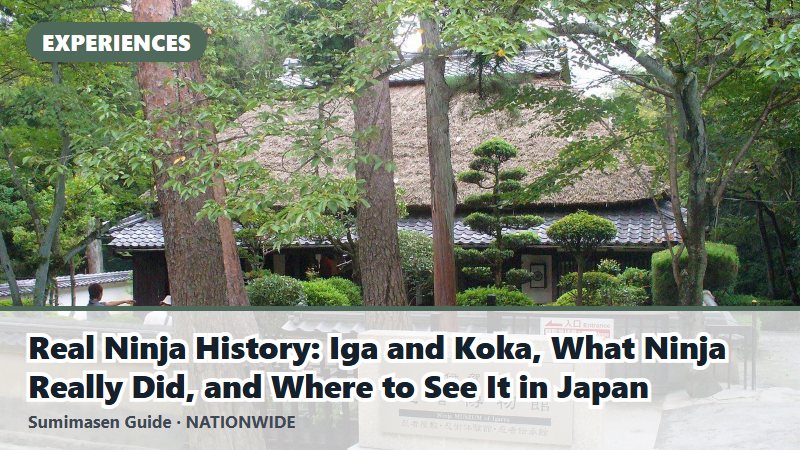 Real Ninja History: Iga and Koka, What Ninja Really Did, and Where to See It in JapanNinja were real, but the black suit, the throwing stars and the superhuman tricks mostly came later, from the stage and the screen.
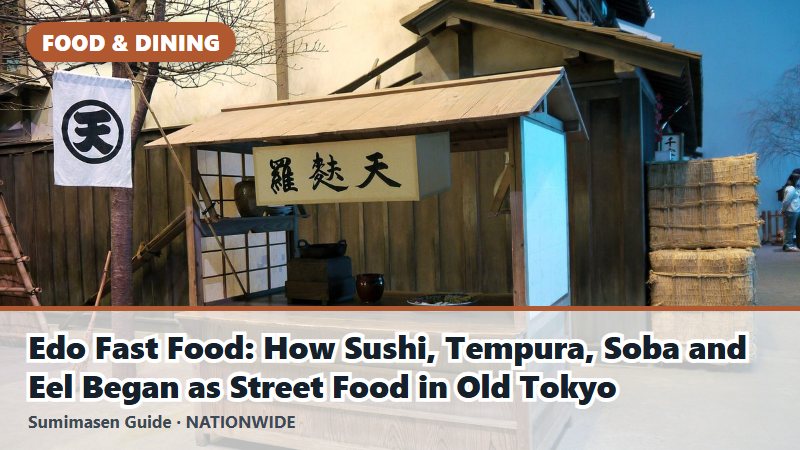 Edo Fast Food: How Sushi, Tempura, Soba and Eel Began as Street Food in Old TokyoNigiri sushi, tempura and soba, three of Japan's best-known dishes, started out as quick, cheap street food in Edo, the city that became Tokyo.
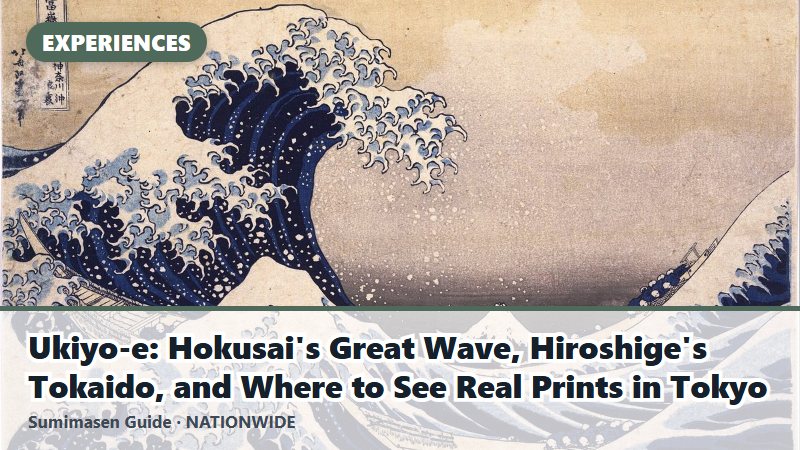 Ukiyo-e: Hokusai's Great Wave, Hiroshige's Tokaido, and Where to See Real Prints in TokyoUkiyo-e are the woodblock prints of the Edo period (1603 to 1868), and the most famous of them, Hokusai's Great Wave, is probably the best-known Japanese…
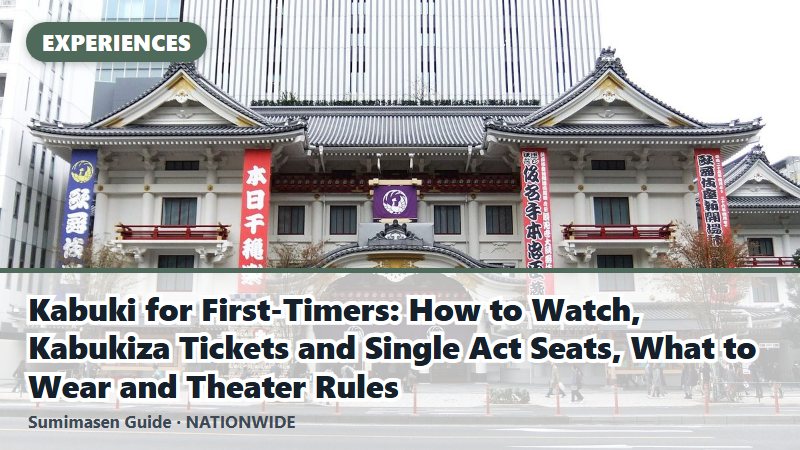 Kabuki for First-Timers: How to Watch, Kabukiza Tickets and Single Act Seats, What to Wear and Theater RulesKabuki is the theater that the townspeople of Edo-period Japan loved, and you can still see it every month at the Kabukiza Theatre in Ginza, Tokyo.
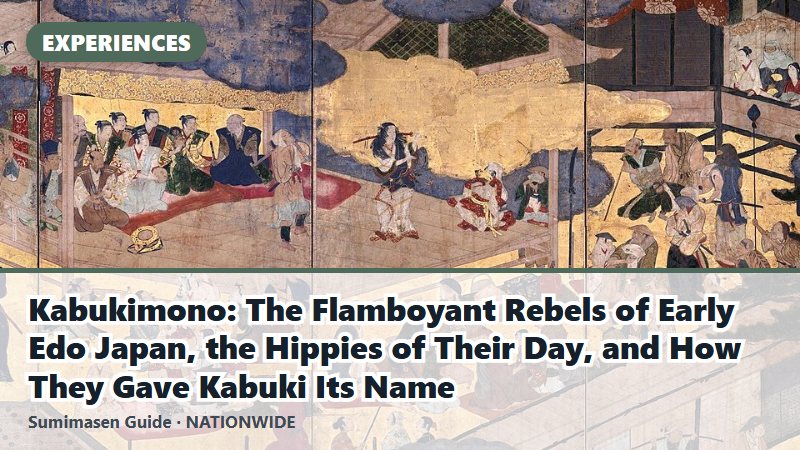 Kabukimono: The Flamboyant Rebels of Early Edo Japan, the Hippies of Their Day, and How They Gave Kabuki Its NameAt the start of the Edo period, young men in loud clothes, huge topknots and long swords swaggered through the streets of Kyoto and Edo (today's Tokyo).
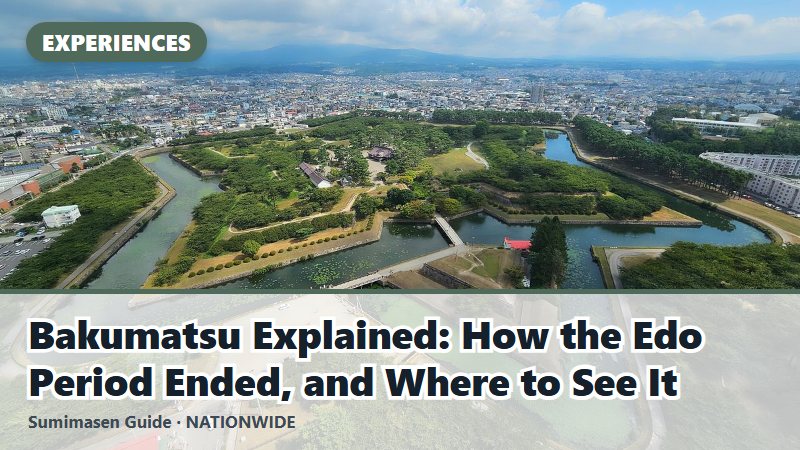 Bakumatsu Explained: How the Edo Period Ended, and Where to See ItThe last years of the Edo period are called bakumatsu , "the end of the shogunate." In about 15 years, Japan went from Perry's black ships to a new…
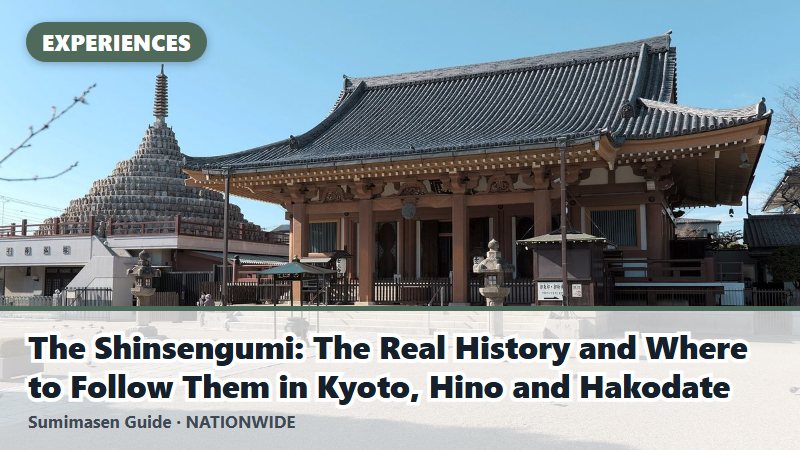 The Shinsengumi: The Real History and Where to Follow Them in Kyoto, Hino and HakodateThe Shinsengumi were a band of swordsmen who policed Kyoto for the shogunate in the 1860s, in the last years of the Edo period.
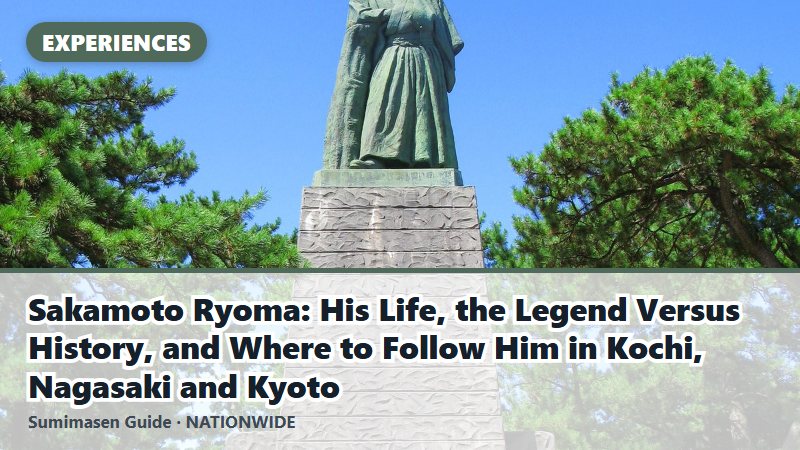 Sakamoto Ryoma: His Life, the Legend Versus History, and Where to Follow Him in Kochi, Nagasaki and KyotoSakamoto Ryoma is one of the most loved figures in Japanese history: a low-ranking samurai from Tosa (now Kochi Prefecture) who left his domain, started a…
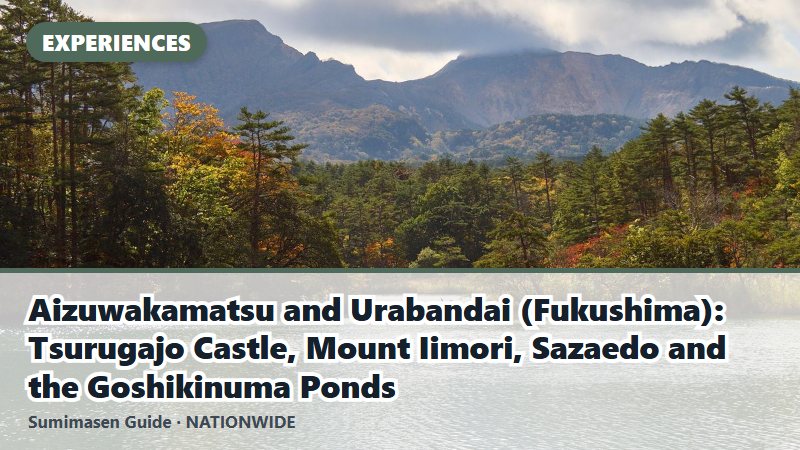 Aizuwakamatsu and Urabandai (Fukushima): Tsurugajo Castle, Mount Iimori, Sazaedo and the Goshikinuma PondsAizuwakamatsu (Fukushima) is an old castle town in Japan's Tohoku region, and Urabandai, on the north side of Mount Bandai, is a land of lakes and forest.
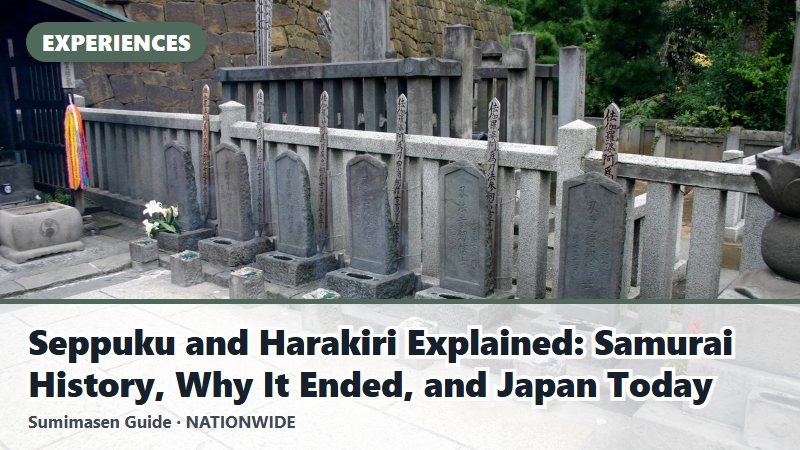 Seppuku and Harakiri Explained: Samurai History, Why It Ended, and Japan TodayVisitors to Japan often ask the same questions about seppuku, the samurai custom known in English as harakiri. Do Japanese people still do it?
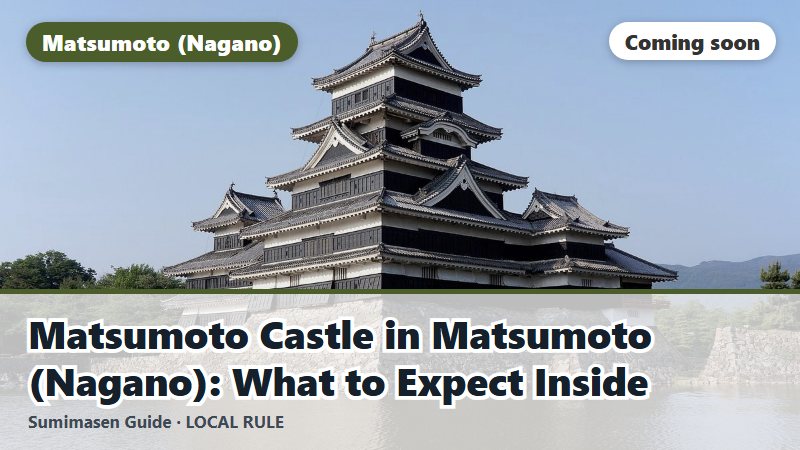 Matsumoto Castle in Matsumoto (Nagano): Timed Tickets, Shoes Off and 61-Degree StairsMatsumoto Castle is one of the few castles in Japan whose original wooden keep still stands, and it is a National Treasure.
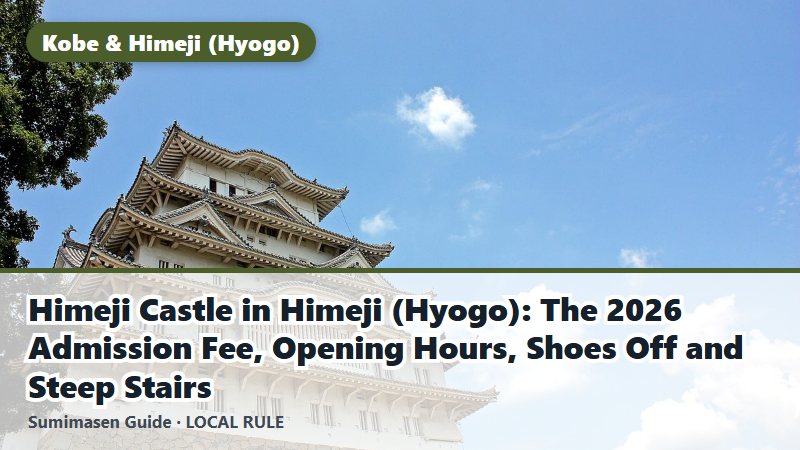 Himeji Castle in Himeji (Hyogo): The 2026 Admission Fee, Opening Hours, Shoes Off and Steep StairsHimeji Castle in Himeji (Hyogo) is a World Heritage Site and a National Treasure, and its white main keep is the real thing, not a modern rebuild.
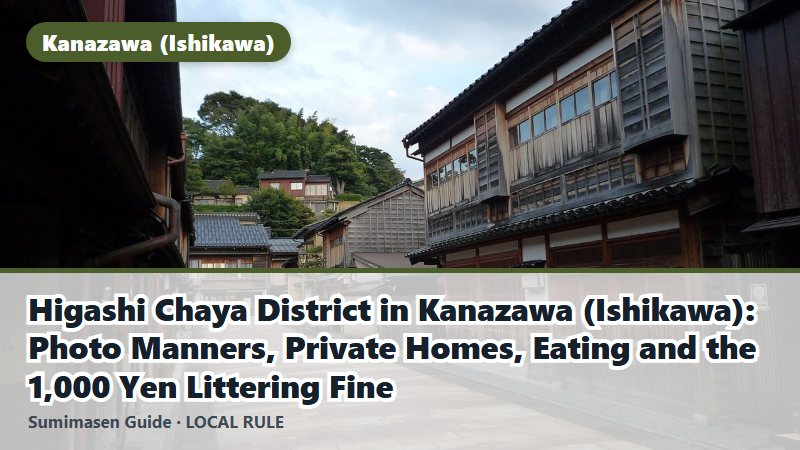 Higashi Chaya District in Kanazawa (Ishikawa): Photo Manners, Private Homes, Eating and the 1,000 Yen Littering FineThe Higashi Chaya District is the old teahouse quarter of Kanazawa (Ishikawa): a stone-paved street of wooden two-story buildings with fine latticework, a…
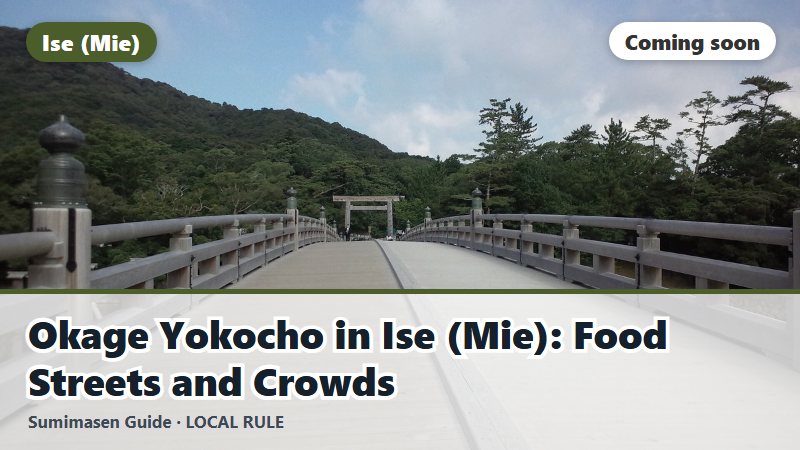 Okage Yokocho in Ise (Mie): Opening Hours, the 1st-of-the-Month Morning Market and Avoiding the CrowdsAfter praying at the Naiku (Inner Shrine) of Ise Jingu , almost everyone walks into Oharai-machi, the old street of shops and restaurants in front of the…
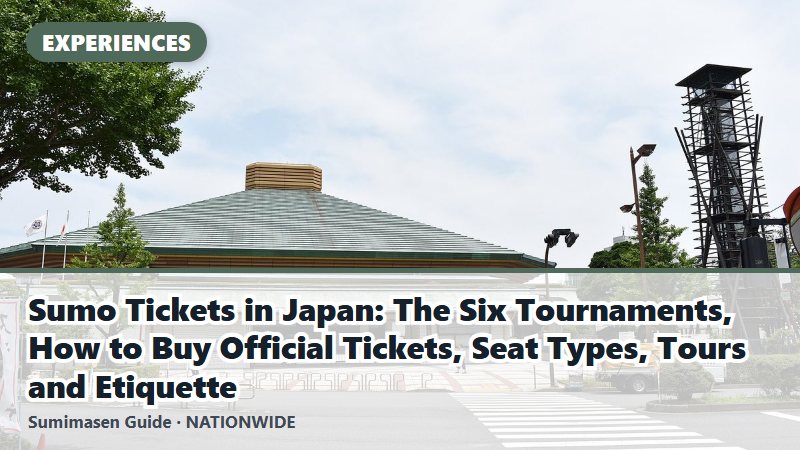 Sumo Tickets in Japan: The Six Tournaments, How to Buy Official Tickets, Seat Types, Tours and EtiquetteWatching a professional sumo tournament live is one of the most memorable things you can do in Japan: the salt throwing, the stare-downs and the few…
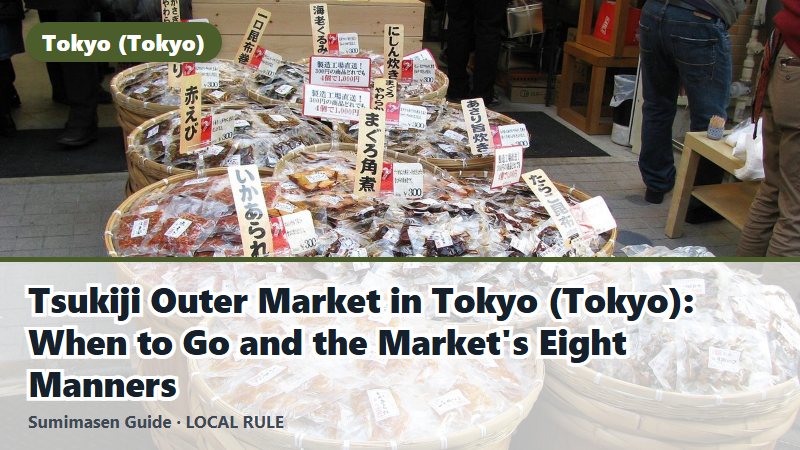 Tsukiji Outer Market in Tokyo: When to Go and the Market's Eight MannersThe Tsukiji Outer Market in Chuo City, Tokyo is a working market: about 460 shops selling fish, produce, meat, dried foods, knives and kitchen tools, plus…