Bakumatsu Explained: How the Edo Period Ended, and Where to See It
This page contains affiliate links.
The last years of the Edo period are called bakumatsu, "the end of the shogunate." In about 15 years, Japan went from Perry's black ships to a new government under the emperor. This guide explains who fought whom and why, in plain words, using Japanese encyclopedias, the National Diet Library, the Japan Tourism Agency and the official pages of the castles and museums (checked October 2026). It ends with four places where you can still stand where it happened: Nijo Castle in Kyoto, Perry Park in Yokosuka (Kanagawa), Tsurugajo Castle in Aizuwakamatsu (Fukushima) and the star-shaped fort of Goryokaku in Hakodate (Hokkaido).
- The short answer: from the black ships to the emperor's government
- A timeline from 1853 to 1869
- Perry, the treaties and "revere the emperor, expel the barbarians"
- Who was against whom: a simple chart
- The shogun gives up power at Nijo Castle
- The Boshin War, from Kyoto to Hakodate
- Where to see it: Nijo Castle, Perry Park, Tsurugajo and Goryokaku
The short answer
The Edo period ended because the shogunate could no longer hold the country together after Japan was forced open to the West. Commodore Perry's American warships arrived in 1853, and the shogunate signed treaties without the emperor's approval. Anger at the foreigners and at the shogunate grew into a movement to "revere the emperor." Two powerful domains in the west, Satsuma and Choshu, became allies in 1866. In 1867, the 15th shogun, Tokugawa Yoshinobu, returned political power to the imperial court, and the decision was announced at Nijo Castle in Kyoto. A short civil war, the Boshin War, followed in 1868 and 1869 and ended at Goryokaku in Hakodate (Hokkaido). The new Meiji government made Edo its capital and renamed it Tokyo. Historians call the whole change the Meiji Restoration.
A timeline from 1853 to 1869
Japan used its own calendar, based on the moon, until 1873, so most dates in Japanese records are not the same as Western dates. In this guide, months and days follow the old Japanese calendar unless we say otherwise; years are the usual Western years.
Perry's black ships open Japan
For more than 200 years, the shogunate had kept contact with the outside world to a few gateways (our guide to the Edo period explains how). That changed on July 8, 1853 (Western calendar), when Commodore Matthew Perry of the United States Navy arrived off Uraga, at the mouth of Edo Bay, with 4 warships, according to Nipponica. He landed at Kurihama nearby and handed over a letter from the American president asking Japan to open its ports. Japanese people called the dark, steam-powered ships the kurofune, the "black ships."
Perry came back the next year with more ships, and in 1854 the shogunate signed the Treaty of Peace and Amity with the United States, which opened the ports of Shimoda and Hakodate to American ships for supplies. In 1858, a trade treaty followed. Nipponica and Heibonsha's encyclopedia explain that the shogunate asked the imperial court to approve it and was refused, and that the shogun's chief minister, Ii Naosuke, signed it anyway. That decision split the country.
"Revere the emperor, expel the barbarians"
The slogan of the angry side was sonno joi: sonno, "revere the emperor," and joi, "drive out the foreigners." Japanese dictionaries describe it as the political idea of the late Edo period, spread by many lower-ranking samurai. After the trade treaty was signed without the court's approval, supporters attacked Westerners and Western ships. Over time, the movement turned from "expel the foreigners" into "bring down the shogunate and restore rule by the emperor."
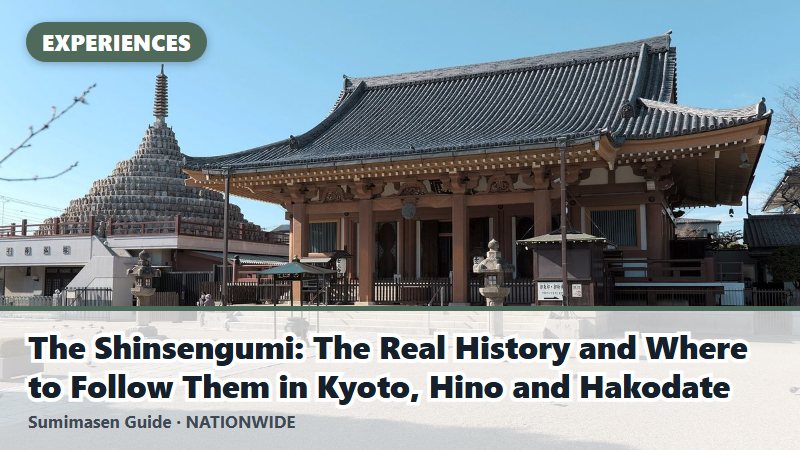
Kyoto, where the emperor lived, became the center of the struggle. To keep order there, the shogunate appointed the lord of the Aizu domain, Matsudaira Katamori, as Protector of Kyoto, and a band of swordsmen called the Shinsengumi worked under him. Our guide to the Shinsengumi tells their story.
Who was against whom
The two strongest opponents of the shogunate were Satsuma (today's Kagoshima Prefecture) and Choshu (today's Yamaguchi Prefecture). For years they were rivals themselves. In 1866 they made a secret military alliance, brokered by Sakamoto Ryoma and Nakaoka Shintaro of the Tosa domain, according to Japanese encyclopedias. The Kyodo News glossary quoted there says the shogunate lost much of its authority as a result.
1867: the shogun returns power at Nijo Castle
By 1867 the shogunate was in a weak position. The Tosa domain urged the shogun to hand power back to the court himself, so that the Tokugawa family could keep a place in a new council of domains, Japanese encyclopedias explain. According to Nijo Castle's official history, on the 13th day of the 10th month, Tokugawa Yoshinobu gathered senior retainers of 40 domains in the Ohiroma, the great hall of the Ninomaru Palace, and asked for their views. On the 14th he offered to return political power to the court, and the court accepted on the 15th. This is called taisei hokan, "the return of political power to the emperor." Digital Daijisen notes that it ended about 700 years of government by warriors.
The plan did not go the way the shogun hoped. In the 12th month, the shogunate's opponents carried out a coup at the court, known as the "restoration of imperial rule," and a new government was set up without the Tokugawa family.
The Boshin War, 1868 to 1869
The fighting that followed is named after the year 1868, boshin in the old cycle of years. Japanese encyclopedias date it from the Battle of Toba-Fushimi near Kyoto, which began on the 3rd day of the 1st month of 1868, to the surrender at Goryokaku in Hakodate on the 18th day of the 5th month of 1869.
- Edo Castle is handed over without a battle. The new government's army planned to attack Edo. Katsu Kaishu, for the shogunate, and Saigo Takamori, for the new government, met at the Satsuma residence in Edo and agreed terms, and the attack was called off. Edo Castle was handed over on the 11th day of the 4th month of 1868, so the city was spared a battle.
- Aizu holds out, and falls. The fighting moved north. In autumn 1868, the new government's army surrounded Tsurugajo Castle in Aizuwakamatsu (Fukushima), where about 5,000 people were sheltering. The National Diet Library says the siege lasted a month and the castle surrendered on November 6, 1868 (Western calendar). The Byakkotai, a unit of teenage boys from Aizu, belongs to this war; our column on seppuku and harakiri tells their story as history.
- The last stand at Goryokaku. Enomoto Takeaki took the shogunate's warships north, landed in Hokkaido in the 10th month of 1868 and took Hakodate and Goryokaku, Nipponica explains. The new government's army landed in the 4th month of 1869 and attacked Hakodate on the 11th day of the 5th month. Goryokaku surrendered on the 18th, and the Boshin War was over.
The Meiji Restoration
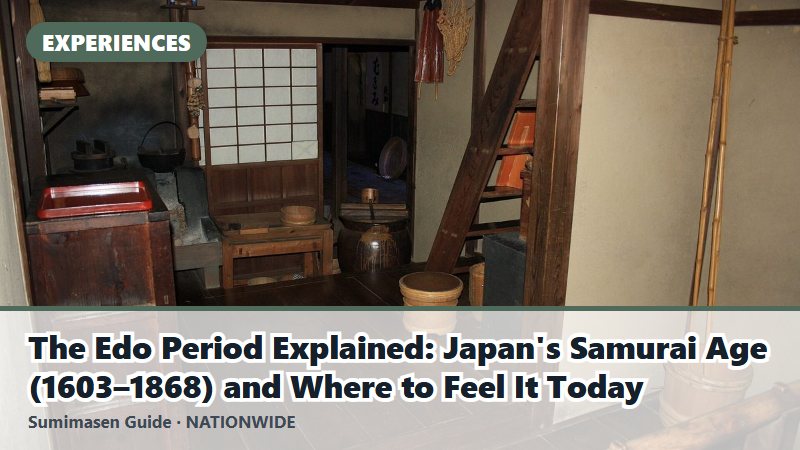
In 1868, while the war was still going on, Edo was renamed Tokyo and the era name changed to Meiji. The emperor moved from Kyoto and made Edo Castle his residence (the Edo period guide has the details). In the years that followed, the new government abolished the domains and the samurai class. Historians call this whole change, from the end of the shogunate to the new state under the emperor, the Meiji Restoration (Meiji ishin).
Where to see the end of the Edo period
The four places below cover the story from start to finish: the arrival of the black ships, the shogun's decision, the siege in the north and the last battle. They are far apart, so most travelers choose the one on their route: Kyoto for Nijo Castle, a day trip from Tokyo or Yokohama (Kanagawa) for Kurihama, Fukushima for Aizuwakamatsu and Hokkaido for Hakodate.
Nijo Castle, Kyoto
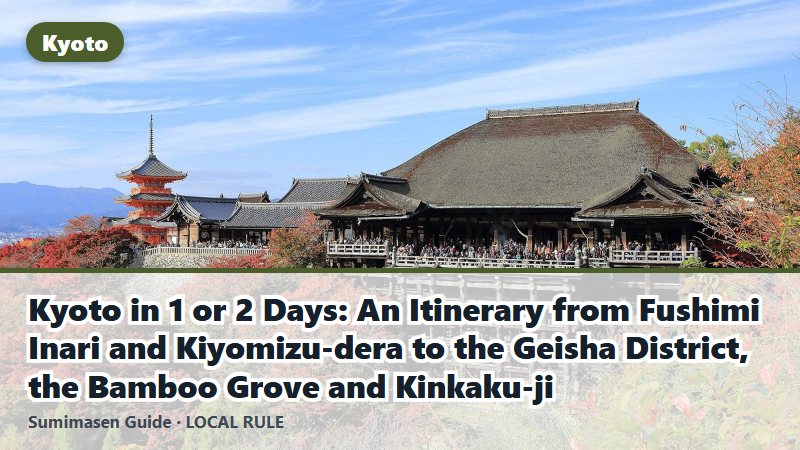
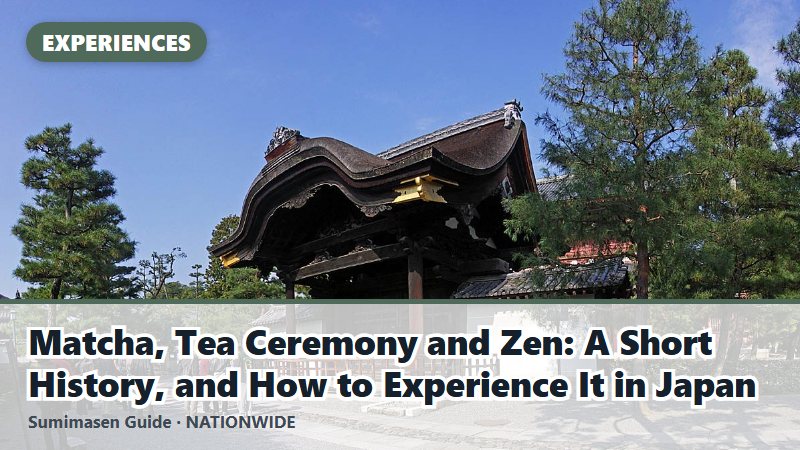
Nijo Castle was the shogun's residence in Kyoto, and the Ninomaru Palace still stands. Its great hall is where Yoshinobu asked the domains for their views before returning power in 1867, says the castle.
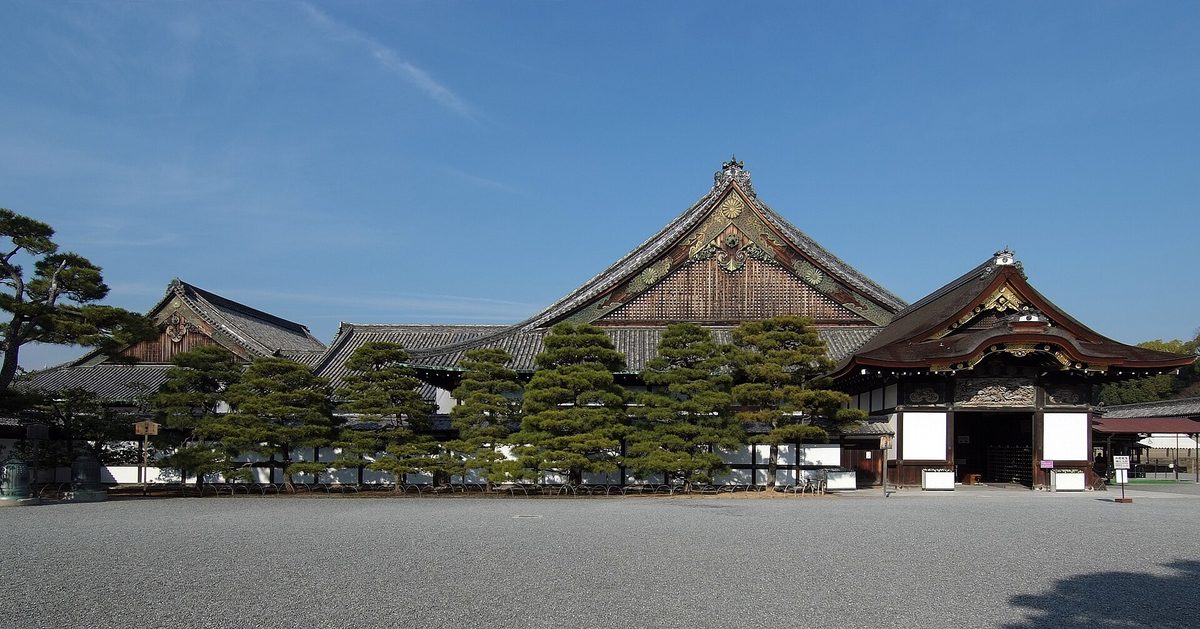
- Hours: entry from 8:45 to 16:00, and the castle closes at 17:00, according to the official site. The castle is closed from December 29 to 31. The Ninomaru Palace is also closed from December 26 to 28 and from January 1 to 3, and on Tuesdays in January, July, August and December (if that Tuesday is a national holiday, it opens and closes the next day instead).
- Fees: the castle entry and the Ninomaru Palace together cost 1,300 yen for adults; castle entry alone is 800 yen, according to the fee page. The Honmaru Palace is a separate ticket that must be booked online in advance.
- Rules: photos and video are not allowed inside the Ninomaru and Honmaru palaces, and you can't go back in once you leave, the castle's visitor notes say. Don't touch the walls and pillars.
Perry Park, Kurihama in Yokosuka (Kanagawa)
Perry landed on the beach at Kurihama on July 14, 1853 (Western calendar), according to Yokosuka's official tourism site. Perry Park now stands there, with a monument unveiled on July 14, 1901, its inscription written by Ito Hirobumi, Japan's first prime minister, and the small Perry Memorial Hall with materials and models about his visit. The site lists the hall as closed on Mondays, on the day after a national holiday and from December 29 to January 3, and gives the fee as free; it does not list the hours, so call ahead if you are making a special trip (+81-46-834-7531, 046-834-7531, in Japanese). Take a bus bound for Nobi Kaigan from Keikyu Kurihama Station and get off at "Perry Kinenhi" (about 10 minutes). There is no parking.
Tsurugajo Castle and Mount Iimori, Aizuwakamatsu (Fukushima)
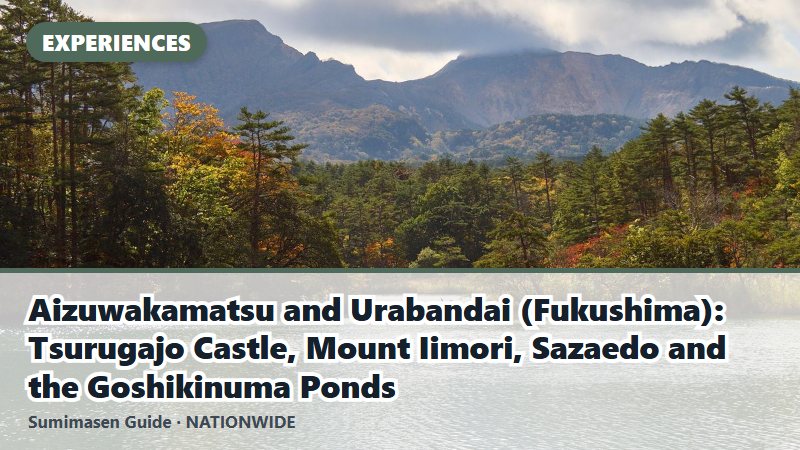
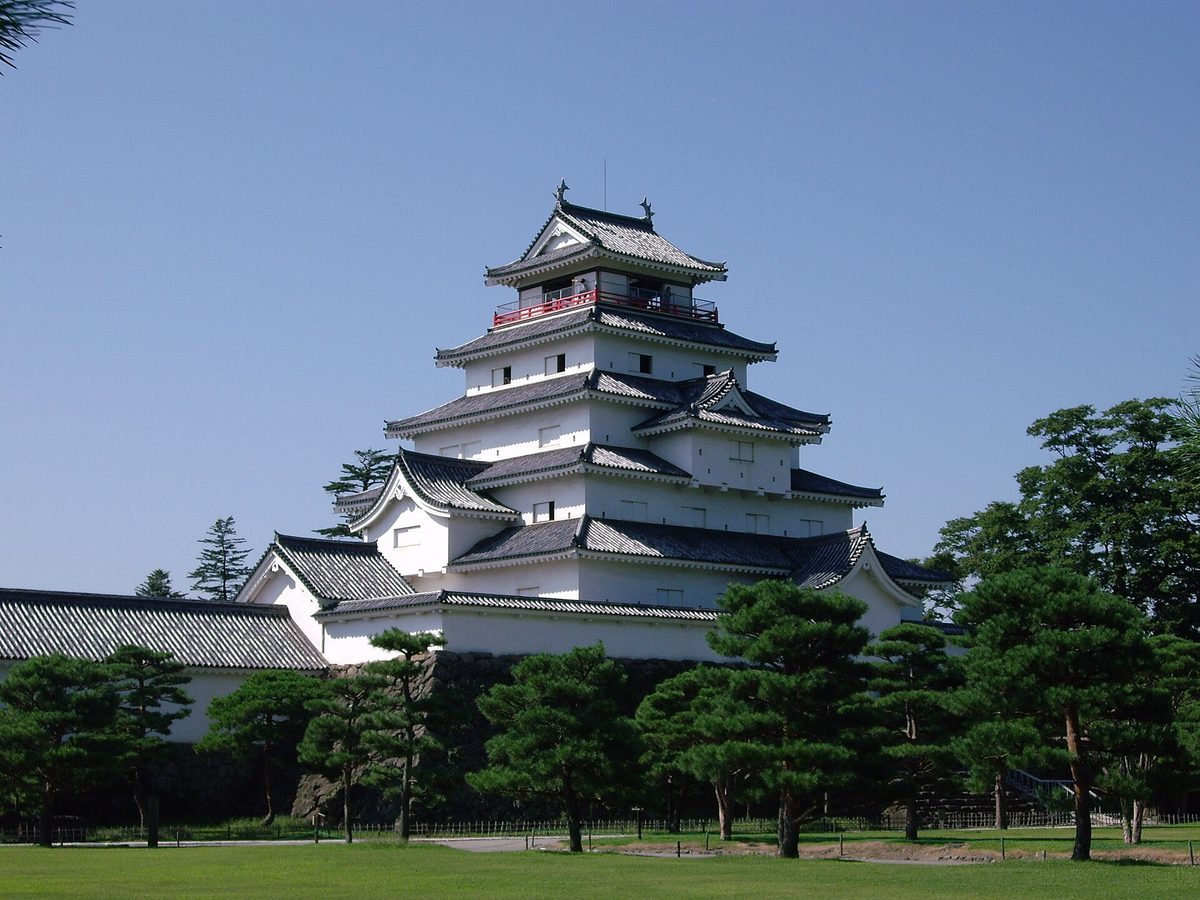
Tsurugajo is the castle that held out for a month in 1868. The keep you see today is a museum. According to the castle's official site, it is open every day from 8:30 to 17:00 (last entry 16:30). Admission is 410 yen for adults and 150 yen for children, or 520 yen with the Rinkaku tea house.
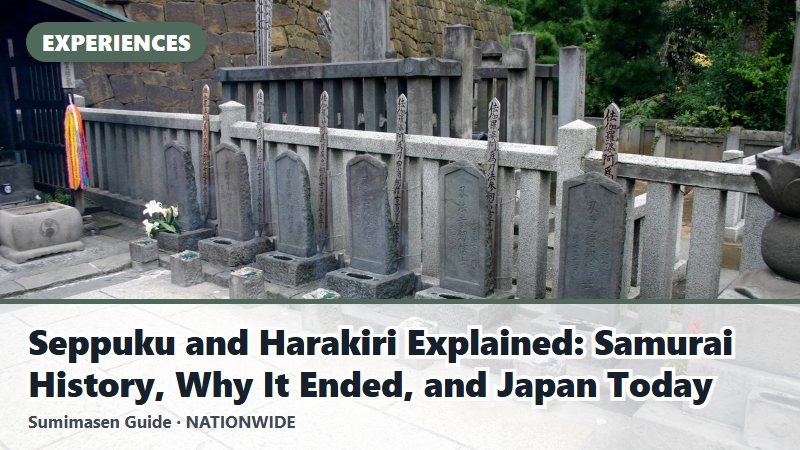
Mount Iimori, a hill in the same city, is where the Byakkotai are buried. The Japan Tourism Agency's explanation says the Byakkotai ("White Tiger Force") was an Aizu unit made up mainly of boys aged 15 to 17, at first meant only as reserves. In 1868, 20 members of one squad were cut off from their unit and climbed Mount Iimori. Believing that all was lost, they took their own lives there. One of them, Iinuma Sadakichi, survived because a local woman found him, and after his death he was buried beside the other 19. Visitors can pay their respects at the graves by climbing the steps to the top or by taking an escalator for a small fee. The Byakkotai Museum of History and Sazaedo Temple are at the foot of the hill. Our column on seppuku and harakiri tells the story as history.
My visit
When I was a child, I visited the graves of the Byakkotai on Mount Iimori. Because I was a child myself at the time, I was surprised that children about my own age had risked their lives in service to their lord. If you go on your trip, wear comfortable sneakers that are easy to walk in.
The graves are a place of remembrance. Speak quietly, stay on the paths and don't touch the stones.
Goryokaku, Hakodate (Hokkaido)
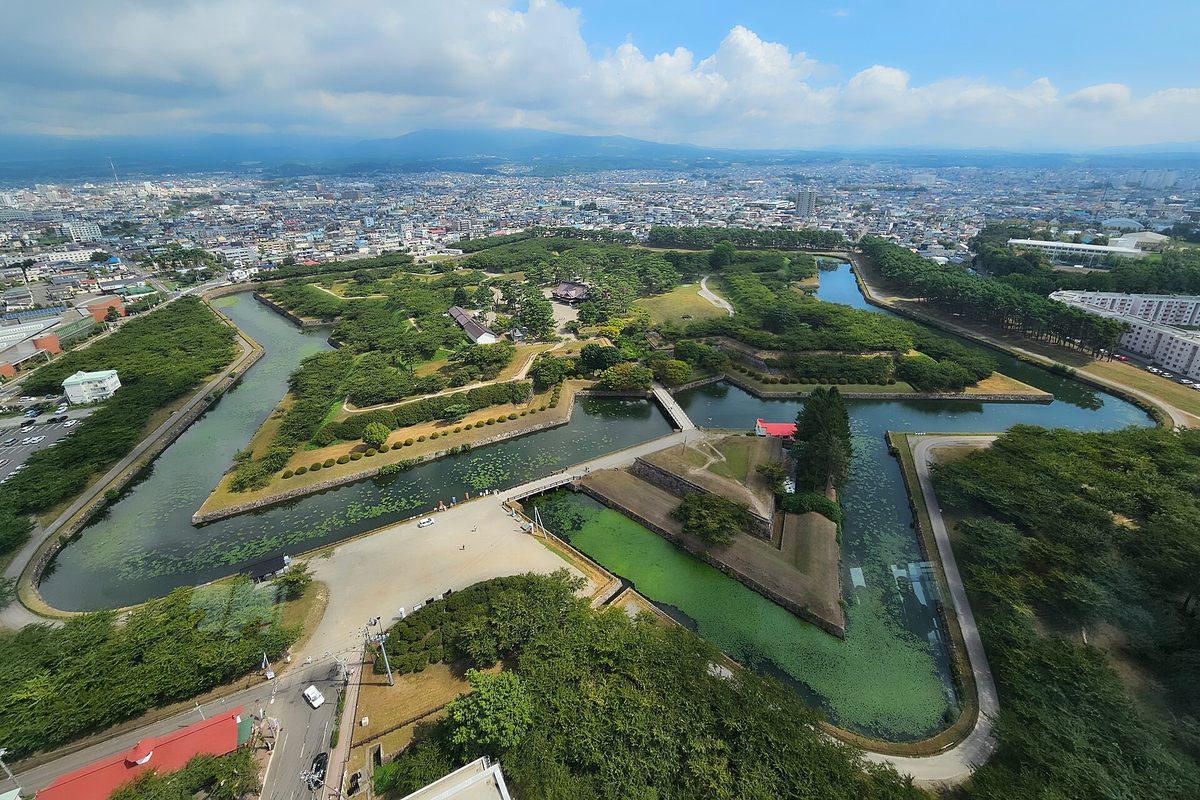
Goryokaku is the place to go if you only have time for one. It is a fort shaped like a five-pointed star, built by the shogunate in the last years of the Edo period. According to the Agency for Cultural Affairs and Goryokaku Tower's history page, work began in 1857 and the fort was mostly finished in 1864, when the Hakodate Magistrate's Office, the shogunate's government office for the area, moved inside. It was designed by the scholar Takeda Ayasaburo, who learned from French officers and modeled the earthworks on the fortified cities of Europe. It was here that Enomoto's forces made their last stand, and its surrender in 1869 ended the Boshin War.
Why a star? Each point is a bastion, a part of the wall that sticks out, a design used in Europe for forts that had to face cannons. The Japan National Tourism Organization explains that the star shape allowed more guns to be placed and reduced the blind spots that cannon fire could not reach: soldiers on one point could cover the walls of the next.
My visit
I have a memory of going to Goryokaku with my grandmother when I was a child. Back then, I just thought the star was a cool shape. When I later learned why Goryokaku was built that way, I was amazed at how carefully it had been designed as a military fortress.
Today Goryokaku is a park and a Special Historic Site of Japan. Plan for these three things:
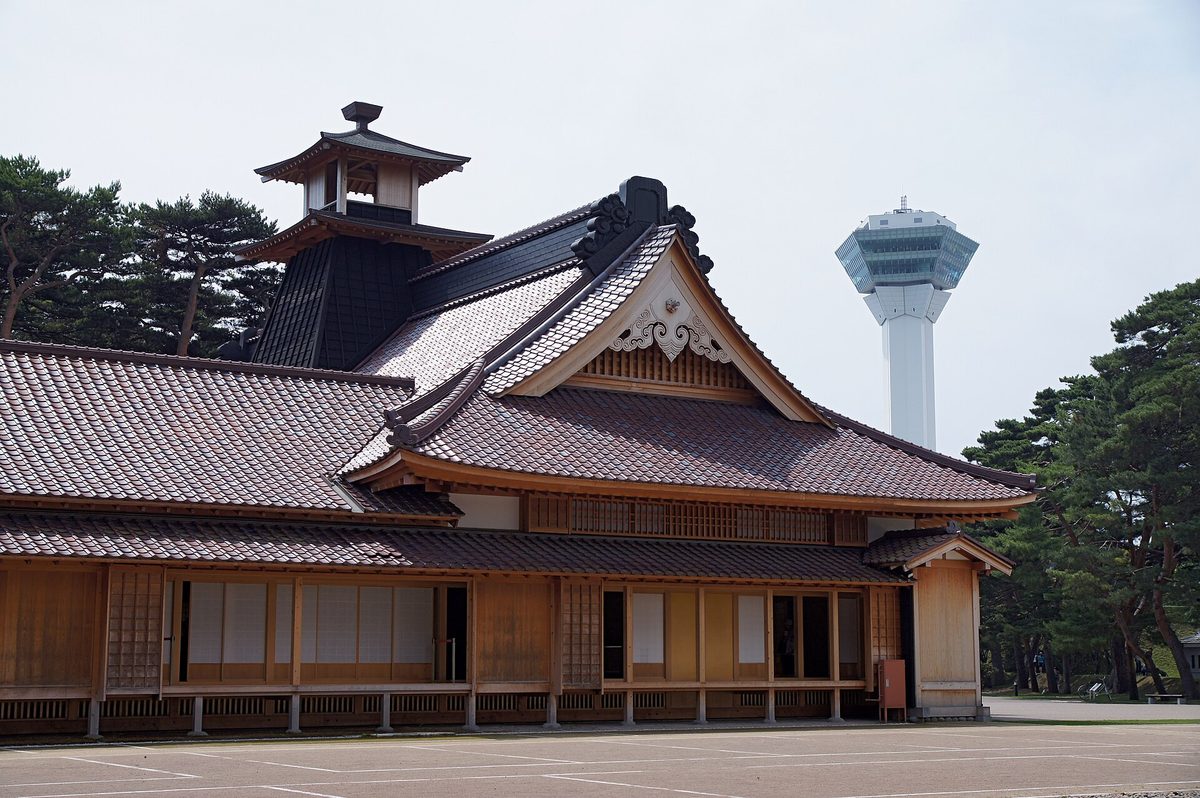
- See the star from Goryokaku Tower. The star shape is hard to see from the ground; from the tower's observation deck you can see the whole of it, JNTO says. The tower stands 107 meters tall, and the upper observation floor is 90 meters above the ground. According to the tower's official site, it is open every day from 9:00 to 18:00 (tickets until 17:50), and the observation deck costs 1,200 yen for adults, 900 yen for junior high and high school students and 600 yen for elementary school students. The tower says the price will change on April 1, 2027.
- Walk into the rebuilt Magistrate's Office. The Hakodate Magistrate's Office in the center of the fort was rebuilt in 2010 on its original site. About a third of the building was recreated, using the materials and methods of the time as far as possible, says the office's official site. It is open from 9:00 to 18:00 from April to October (last entry 17:45) and from 9:00 to 17:00 from November to March (last entry 16:45), and closed from December 31 to January 3. Admission is 500 yen for adults and 250 yen for students, according to its visitor information.
- Come in spring for the cherry blossoms. Some 1,600 cherry trees line the moat, and in season they turn the star pink, JNTO says. The blossoms open on different dates every year, so check the forecast before you book.
Shinsengumi fans also come to Hakodate: Hijikata Toshizo, the group's vice-commander, fought here and died in the battle for the town in 1869. A monument marks the place where he is said to have fallen; see our Shinsengumi guide.
What to do on your trip
- Pick the place on your route: Nijo Castle if you are in Kyoto, Goryokaku if you are going to Hokkaido.
- At Goryokaku, go up the tower first to see the star, then walk the moat and visit the Magistrate's Office.
- At Nijo Castle, allow time for the Ninomaru Palace, and keep your camera away inside.
- Check opening days before you go, especially in late December and early January.
- Remember that dramas and films about this period mix history with fiction. If a scene surprises you, look it up.
Last reviewed: October 25, 2026. Hours and fees can change, so check the official pages below before you go.
References
- Kotobank: Kaikoku, the opening of Japan (entries from Nipponica, Heibonsha's World Encyclopedia and others) (Japanese)
- Kotobank: Sonno joi (Japanese)
- Kotobank: The Satsuma-Choshu alliance (Japanese)
- Kotobank: Taisei hokan, the return of power to the court (Japanese)
- Kotobank: The Boshin War (Japanese)
- Kotobank: The handover of Edo Castle (Japanese)
- Kotobank: The Battle of Hakodate (Japanese)
- National Diet Library: The Aizu War (English)
- Japan Tourism Agency: Mt. Iimori and the Boys of the Byakkotai (English)
- Nijo Castle: History (Japanese)
- Nijo Castle: Admission fees (Japanese)
- Nijo Castle: Notes for visitors (Japanese)
- Yokosuka tourism: Perry Park and Perry Memorial Hall (Japanese)
- Tsurugajo Castle: Hours and admission (Japanese)
- Agency for Cultural Affairs, Cultural Heritage Online: Goryokaku site (Japanese)
- Goryokaku Tower: History of Goryokaku (Japanese)
- Goryokaku Tower: Hours and prices (Japanese)
- Japan National Tourism Organization: Goryokaku Tower (English)
- Hakodate Magistrate's Office (Japanese)
- Hakodate Magistrate's Office: Hours, fees and closing days (Japanese)