Tsukiji Outer Market in Tokyo (Tokyo): When to Go and the Market's Eight Manners
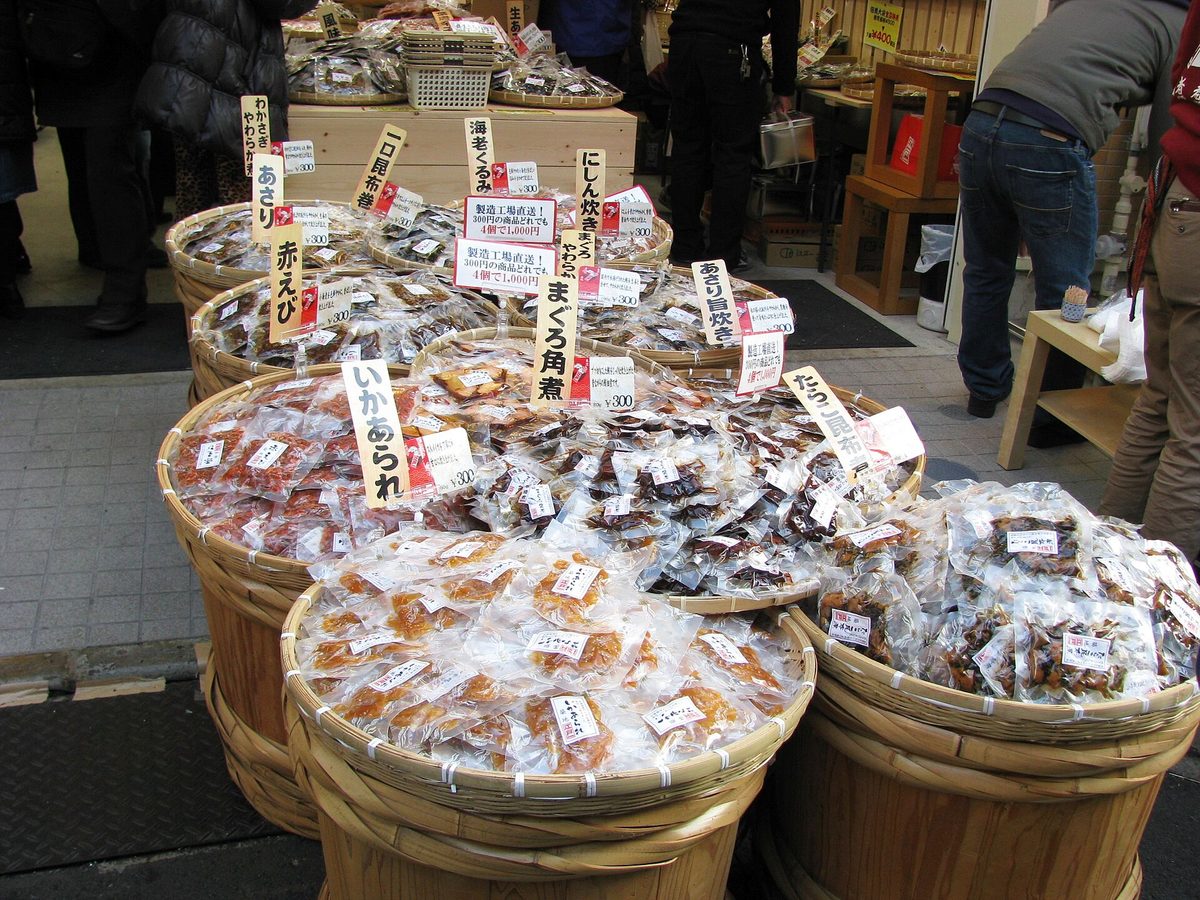
The Tsukiji Outer Market in Chuo City, Tokyo (Tokyo) is a working market: about 460 shops selling fish, produce, meat, dried foods, knives and kitchen tools, plus restaurants. The wholesale market where the fish auctions took place has moved to another part of Tokyo (Tokyo), but the shops around it stayed, and they still serve chefs buying for their restaurants every morning. Visitors are welcome, and the market's own association asks for a few simple manners so that everyone can shop. This guide covers the best time to go, the market's eight manners, and practical tips from the market's official site.
This page may contain affiliate links. If you buy through them, we may earn a commission at no extra cost to you.
- When to go: the market's three time zones
- The eight manners, and why each one exists
- Luggage, cash, tax-free and shipping
- Sundays, holidays and market closing days
When to go
The market's official calendar page splits the day into three parts:
In its FAQ, the market recommends 9 a.m. to 2 p.m. for visitors. Before 9 a.m. is priority time for professional buyers. Some restaurants open in the evening too, but most of the market is a morning place.
Sundays, holidays and closing days. The calendar on the official site is the closing-day calendar of the Tokyo Metropolitan Central Wholesale Market, and many outer-market shops close on those days too. On Sundays and public holidays, the FAQ says about a third of shops, mostly restaurants, are open. Many shops take three days or so off in mid-August, and most are closed from January 1 to 4. Check the calendar before you go.
The eight manners
The market calls itself a wholesale street "where professionals deal seriously with professionals", and publishes these eight manners on every page of its site:
A few of these deserve a word of explanation:
- Eating. The market asks you to eat inside the shop, in front of it, or in a designated spot, because eating while walking gets in the way of people passing. Buy, stand by the shop, eat, and hand back the stick or tray. The same idea applies at Nishiki Market in Kyoto (Kyoto).
- Touching. Pressing fish or fruit with a finger lowers its value for the next buyer. If you want to know whether something is ready to eat or how to cook it, ask; the market says shop staff are happy to share what they know.
- Tasting and tours. In its notes for tour guides, the market reminds everyone that free samples are offered on the understanding that you're thinking about buying, and asks guides not to lead groups into shops without asking or to block shop fronts.
- Bargaining. Shops sell selected goods at wholesale prices, and the market says haggling isn't the custom in Tsukiji.
Practical tips
- Information center "Plat Tsukiji". The market's information center has staff who can help in English, free maps of the market, coin lockers for bags up to suitcase size, a Seven Bank ATM and a currency exchange machine, a tax-free counter for purchases at tax-free shops, and the market's only smoking room. It opens 8 a.m. to 2 p.m. on weekdays and Saturdays, and 10 a.m. to 2 p.m. on Sundays, holidays and market closing days.
- Paying. Some shops take credit cards and some don't, so bring cash.
- Getting it home. Most shops can ship within Japan. The FAQ says room-temperature goods can be delivered to Haneda Airport or Narita Airport, or to your hotel in the 23 wards of Tokyo (Tokyo), through a hands-free service. Before buying food to take abroad, check our guide to getting souvenirs home.
- Tax-free. Japan's tax-free system changes on November 1, 2026; see how the new refund works.
- Getting around. The FAQ says you can shop with a wheelchair or stroller, but warns that lanes get crowded and bicycles and motorbikes pass through. The small electric carts you see are "turret trucks", the market's delivery vehicles, and they can drive on public roads, so step aside for them.
- Sushi. The market says it has more than 35 sushi restaurants and that a Tsukiji counter is a relaxed place for a first counter-sushi experience. Our guide to perfume at sushi counters and conveyor-belt sushi guide help too.
- Year-end. The last days of December are very busy, and the market warns that pickpocketing and bag theft increase with the crowds.
A smooth visit in five steps
- Leave big bags at the hotel, or in a locker at Plat Tsukiji.
- Arrive after 9 a.m. on a market day, and pick up a map at Plat Tsukiji.
- Look, ask, then buy. Don't touch, don't bargain.
- Eat each thing at the shop where you bought it.
- Have an early lunch before the shops start closing in the afternoon.
Smoking rules in Chuo City (Tokyo) and other wards are in street smoking in Tokyo (Tokyo), ward by ward. More things to do in the city are on our Tokyo (Tokyo) destination page.
Last reviewed: October 4, 2026. Opening hours and closing days change. Please check the market's official pages below before you go.
References
- Tsukiji Outer Market official site (English)
- Tsukiji Outer Market: First visit to Tsukiji (Japanese)
- Tsukiji Outer Market: How to walk Tsukiji, the eight manners and notes for guides (Japanese)
- Tsukiji Outer Market: Calendar and hours (Japanese)
- Tsukiji Outer Market: Information center Plat Tsukiji (Japanese)
- Tsukiji Outer Market: FAQ (Japanese)