Ukiyo-e: Hokusai's Great Wave, Hiroshige's Tokaido, and Where to See Real Prints in Tokyo
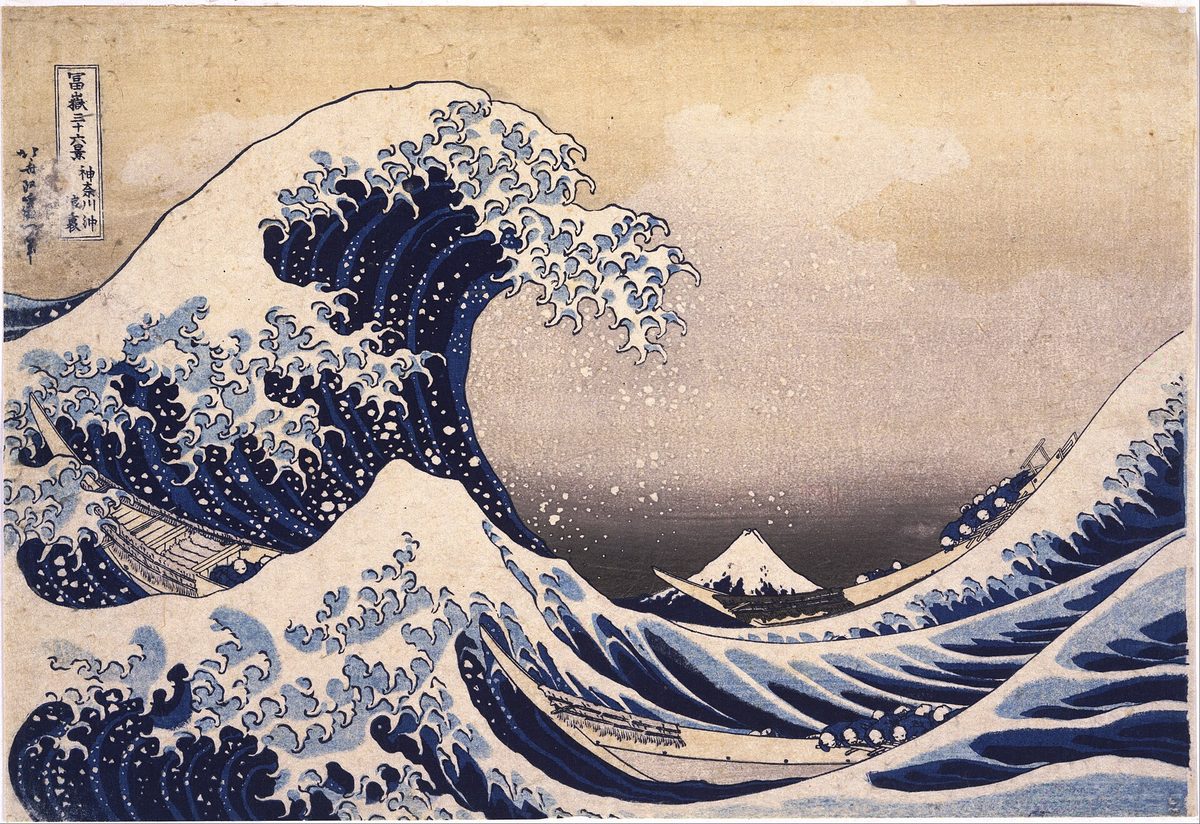
Ukiyo-e are the woodblock prints of the Edo period (1603 to 1868), and the most famous of them, Hokusai's Great Wave, is probably the best-known Japanese picture in the world. This guide explains what ukiyo-e were, who made them, and where a visitor can see real prints in Tokyo and Osaka, using the official pages of the Sumida Hokusai Museum, the Ota Memorial Museum of Art, the Tokyo National Museum and other museums. One thing to know before you go: real prints fade in light, so museums show them only for a few weeks at a time, and what is on the wall changes all the time.
- The short answer: where to go and what to check first
- What ukiyo-e were: prints for the townspeople of Edo
- How a print was made: a team of four
- Hokusai and the Great Wave
- Hiroshige and the Tokaido Road
- Where to see ukiyo-e in Tokyo and Osaka
- Seeing how prints are made
- Museum rules and what to do before you go
The short answer
To see the Great Wave and other famous prints, check the exhibition calendar first. Originals are fragile, so even museums that own them show each print for a short time. The Sumida Hokusai Museum in Tokyo always has a room on Hokusai's life with full-size, high-definition replicas, and shows originals in changing exhibitions. The Ota Memorial Museum of Art in Harajuku (Tokyo) has no permanent display at all: every exhibition is different. The Tokyo National Museum in Ueno shows a changing selection of ukiyo-e in its main building, and from September 29 to December 20, 2026 has a special Hiroshige exhibition. In Osaka, the small Kamigata Ukiyoe Museum in Namba (Osaka) shows prints of Osaka's kabuki actors.
What ukiyo-e were: prints for the townspeople of Edo
Ukiyo means "the floating world," the world of the present day, and ukiyo-e are its pictures. The Sumida Hokusai Museum explains that almost anything in the lives of ordinary people in Edo (now Tokyo) became a subject: kabuki actors, beautiful women, famous places, and even fans, advertising flyers and sweet wrappers. Unlike a one-of-a-kind painting, a print was a product made in large numbers and sold. Travelers bought them as souvenirs of Edo to take home, and prints also carried news, a little like a magazine. In the Meiji era, after 1868, photographs and newspapers slowly took over that job.
That is also why the Great Wave is famous today, the museum suggests: so many copies were printed that they spread around the world and many people got to see them.
How a print was made: a team of four
An ukiyo-e print was not the work of one artist. The Sumida Hokusai Museum describes four partners: the publisher (hanmoto), who planned the print and sold it; the artist (eshi), such as Hokusai or Hiroshige, who drew the design; the carver (horishi), who cut the woodblocks; and the printer (surishi), who printed them by hand. The carver made a key block for the outlines and a separate block for each color, and the printer laid one color on top of another. Small guide marks on the blocks, called kento, kept the colors in line. According to the museum, black-ink prints appeared around 1673 to 1681, the kento marks of about 1741 to 1744 made a few colors possible, and from 1765 full-color prints were called nishiki-e, "brocade pictures," because they looked as rich as woven silk.
Hokusai and the Great Wave
Katsushika Hokusai (1760 to 1849) was born in Honjo, a district of Edo that is now part of Sumida Ward in Tokyo, and the Sumida Hokusai Museum stands there today. His sketchbooks, Hokusai Manga, began to appear in 1814. The Great Wave, whose Japanese title means "Under the Wave off Kanagawa," belongs to his series Thirty-six Views of Mount Fuji, published in the early 1830s (Japanese encyclopedias give dates between 1830 and 1833). In it, a giant wave curls over three boats, and Mount Fuji looks tiny in the gap.
Because it was a print, there is no single "original" Great Wave: many museums in Japan and abroad own copies from the Edo period, and each is shown only from time to time.
Hiroshige and the Tokaido Road
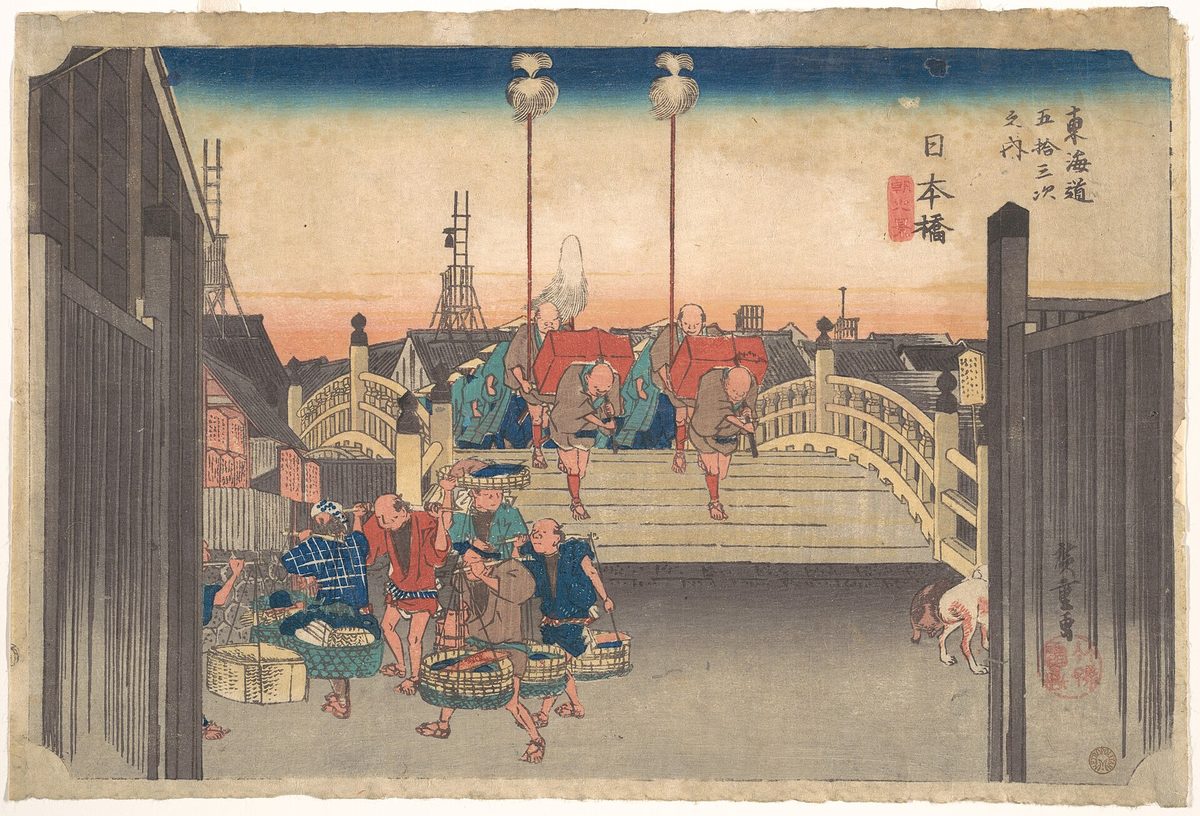
Utagawa Hiroshige (1797 to 1858) is best known for landscapes of journeys. His Fifty-three Stations of the Tokaido, published by Hoeido in 1833 and 1834 according to Japanese encyclopedias, follows the Tokaido, the main road between Edo and Kyoto, from the bridge at its start to the post towns along the way. His last great series, One Hundred Famous Views of Edo, came out from 1856 until his death in 1858.
Where to see ukiyo-e in Tokyo
All three museums below are open from Tuesday to Sunday and close on Mondays (or the next weekday when Monday is a public holiday). Exhibitions change often, so open the museum's own page for the day you plan to go.
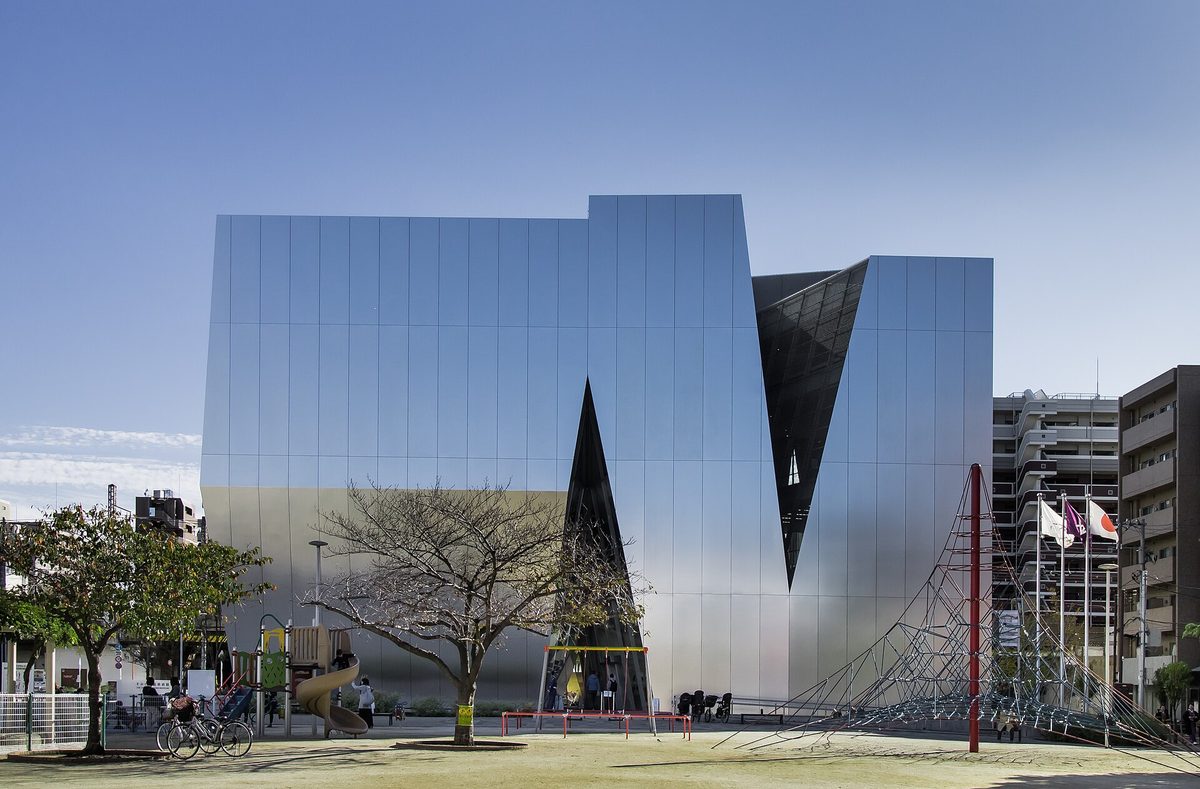
- Sumida Hokusai Museum, Ryogoku (Tokyo): the place to start if you came for Hokusai. Its 4th-floor Education Room follows his life in seven areas with full-size, high-definition replicas, touch screens on his picture books, and a model of the small studio where he lived with his daughter. The museum explains that it uses replicas there because ukiyo-e are very sensitive to light and heat, so originals are shown for no more than 30 days a year. The originals appear in the exhibitions on the 3rd floor: until November 23, 2026, a 10th-anniversary show of the museum's best works, then from December 16, 2026 to February 28, 2027 an exhibition called Hokusai Crossover. Open 9:30 to 17:30 (last entry 17:00). The Education Room alone is 400 yen for adults; special exhibitions cost more and include the Education Room on the same day. It is a 5-minute walk from Exit A3 of Ryogoku Station on the Toei Oedo Line, or 9 minutes from the JR station, says the access page.
- Ota Memorial Museum of Art, Harajuku (Tokyo): a museum devoted to ukiyo-e, a 5-minute walk from JR Harajuku Station or 3 minutes from Exit 5 of Meiji-jingumae Station. It says plainly that it has no permanent exhibition: everything changes with each show, and it closes between exhibitions. From October 6 to December 6, 2026 it shows Katsushika Oi, Hokusai's daughter, and her night scene of the Yoshiwara pleasure quarter, with all works changed halfway through; from December 12, 2026 to January 17, 2027 comes an exhibition on lesser-known artists. Open 10:30 to 17:30 (last entry 17:00). Fees depend on the exhibition, and the museum takes cash only, with no re-entry (visitor information).
- Tokyo National Museum, Ueno (Tokyo): The national museum shows a small, changing selection of ukiyo-e in its Japanese Gallery (Honkan), included in the regular admission of 1,000 yen for adults (free for under 18s). From September 29 to December 20, 2026 it also holds a special exhibition, Hiroshige: New Perspectives on Edo Japan, in three parts with every work changed: the Tokaido series until October 25, the Kiso Road series from October 27 to November 23, and One Hundred Famous Views of Edo from November 25 to December 20. Its ticket (1,500 yen for adults) includes the regular galleries on the same day. The museum is about a 10-minute walk from JR Ueno Station, and the official page suggests buying online on busy days, when the line at the gate can take more than 30 minutes.
In Osaka: the Kamigata Ukiyoe Museum, a 5-minute walk from Namba Station (Osaka), focuses on prints of Osaka's kabuki actors, which OSAKA-INFO describes as more realistic than the prints of Edo. It shows about 30 works and changes them about every three months. Open 11:00 to 18:00, closed Mondays; adults 700 yen.
Seeing how prints are made
If the making of a print interests you as much as the picture, there are two easy ways to see it:
- The Sumida Hokusai Museum's Education Room has a corner with videos on how full-color prints were made.
- The Adachi Foundation for the Preservation of Woodcut Printing, a 10-minute walk from JR Mejiro Station in Tokyo, has a permanent showroom of the tools, materials and steps of traditional woodblock printing, along with reproductions of ukiyo-e and new prints made under its supervision. It is open 10:00 to 18:00 on weekdays and 10:00 to 17:00 on Saturdays, and closed on Sundays, Mondays and public holidays.
Some studios and booking sites also offer hands-on printing sessions, where you print a simple design yourself, often a version of the Great Wave. Before you book one, check the language of the session and what you take home.
Kabuki and ukiyo-e grew up together: actor prints were the posters of their day. If you want to see the plays themselves, our first-timer's guide to kabuki explains the tickets for the Kabukiza Theatre.
Museum rules worth knowing
- Photos: the Ota Memorial Museum of Art does not allow photos or video at all. The Sumida Hokusai Museum allows photos without flash in the Education Room (except works marked with a sign) and in the lounges, but not in the exhibition rooms, and no video, tripods or selfie sticks, according to its requests to visitors.
- Pencils only: if you take notes at the Sumida Hokusai Museum, use a pencil, not a pen, to keep ink away from the works.
- Umbrellas and food: leave umbrellas at the stand by the entrance, and don't carry food or drinks into exhibition rooms.
- Cash: bring cash for the Ota Memorial Museum of Art.
What to do before you go
- Decide what you want to see (Hokusai, Hiroshige, or any ukiyo-e) and open the exhibition page of each museum for your dates.
- Avoid Mondays, and check the closed days between exhibitions.
- For Hokusai any day of the week except Monday, go to the Sumida Hokusai Museum: the Education Room is always open with the museum.
- Keep some cash in your wallet, and switch off the flash on your phone.
- If you are staying nearby, Ueno, Ryogoku and Harajuku (Tokyo) are all easy to reach; see where to stay in Tokyo.
Last reviewed: October 25, 2026. Exhibitions, opening days and fees change often, so check the official pages below before you go.
References
- Sumida Hokusai Museum: Exhibition guide, an encyclopedia of ukiyo-e prints (Japanese, PDF)
- Sumida Hokusai Museum: Education Room (Japanese)
- Sumida Hokusai Museum: Plan your visit (Japanese)
- Sumida Hokusai Museum: Access (Japanese)
- Sumida Hokusai Museum: Requests to visitors (Japanese)
- Sumida Hokusai Museum: Current exhibitions (Japanese)
- Ota Memorial Museum of Art: Exhibitions and calendar (Japanese)
- Ota Memorial Museum of Art: Visitor information (English)
- Tokyo National Museum: Getting here, admission and hours (English)
- Tokyo National Museum: Hiroshige, New Perspectives on Edo Japan (English)
- OSAKA-INFO: Kamigata Ukiyoe Museum (English)
- Adachi Foundation for the Preservation of Woodcut Printing: Showroom (English)
- Kotobank: Katsushika Hokusai (entries from Japanese encyclopedias) (Japanese)
- Kotobank: Utagawa Hiroshige (entries from Japanese encyclopedias) (Japanese)