Sakamoto Ryoma: His Life, the Legend Versus History, and Where to Follow Him in Kochi, Nagasaki and Kyoto
Sakamoto Ryoma is one of the most loved figures in Japanese history: a low-ranking samurai from Tosa (now Kochi Prefecture) who left his domain, started a trading company in Nagasaki, helped bring two rival domains together and was killed in Kyoto before the new Japan he worked for was born. This guide follows his short life using Japanese encyclopedias, the Kochi Prefectural Sakamoto Ryoma Memorial Museum, Kyoto City and the National Diet Library, and explains where the popular story and the historical record part ways. It ends with the places a visitor can see in Kochi, Nagasaki and Kyoto, with opening hours and fees checked on official pages.
- The short answer: who he was and where to go
- A low-ranking samurai from Tosa
- Leaving Tosa and meeting Katsu Kaishu
- Kameyama Shachu and the Kaientai in Nagasaki
- The Satsuma–Choshu alliance and the return of power
- Two attacks in Kyoto
- Why he is so popular, and the novel versus history
- Places to visit and what to do before you go
The short answer
Ryoma (1835 to 1867 by the Japanese calendar of his time) helped push Japan from samurai rule toward a modern state, but how big his part was is still debated. Encyclopedias credit him with helping to bring the Satsuma and Choshu domains together in 1866 and with ideas behind the shogun's return of power to the emperor in 1867. Some historians now argue that his role in the alliance was smaller than the legend says, and that the famous "Eight-Point Plan Aboard Ship" took its final shape in biographies written after his death. To follow him in Japan, start at the Sakamoto Ryoma Memorial Museum and his statue at Katsurahama Beach (Kochi), see the Kameyama Shachu Memorial Museum and the statue in Kazagashira Park (Nagasaki), then visit Teradaya in Fushimi (Kyoto), the stone marker where he was killed, and his grave at Kyoto Ryozen Gokoku Shrine. If you are in Kyoto on November 15, 2026, the shrine holds its yearly Ryoma Festival at his grave from 15:30.
A note on dates: Japan used a lunar calendar until 1872, about a month behind the Western one. Months and days in this guide follow the old calendar, as Japanese sources do. Ryoma was born in the 11th month of 1835, which was already January 1836 in the Western calendar.
A low-ranking samurai from Tosa
Ryoma was born in the castle town of Kochi in the domain of Tosa, on the island of Shikoku. His family were goshi, a lower rank of samurai in Tosa, but not poor: according to Nipponica, a Japanese encyclopedia, the main branch of the family was a rich merchant house, and an ancestor had bought the samurai status. As a teenager he went to Edo (now Tokyo) to train in swordsmanship at the Chiba school, and he joined the Tosa Loyalist Party, a group of samurai who wanted to put the emperor first and drive out foreigners.
Leaving Tosa and meeting Katsu Kaishu
In 1862 Ryoma left Tosa without permission, which was a crime for a samurai (called dappan, "leaving the domain"). In Edo he became a student of Katsu Kaishu, an officer of the shogun's government who knew the West well, and he gave up the simple idea of driving foreigners out. He helped Katsu found a naval training school in Kobe (Hyogo) and learned to sail. Encyclopedias tell this as a turning point; the popular story that Ryoma first went to Katsu planning to kill him comes from later memories, and a talk at the Sakamoto Ryoma Memorial Museum in 2026 looked again at the sources behind it.
Kameyama Shachu and the Kaientai in Nagasaki
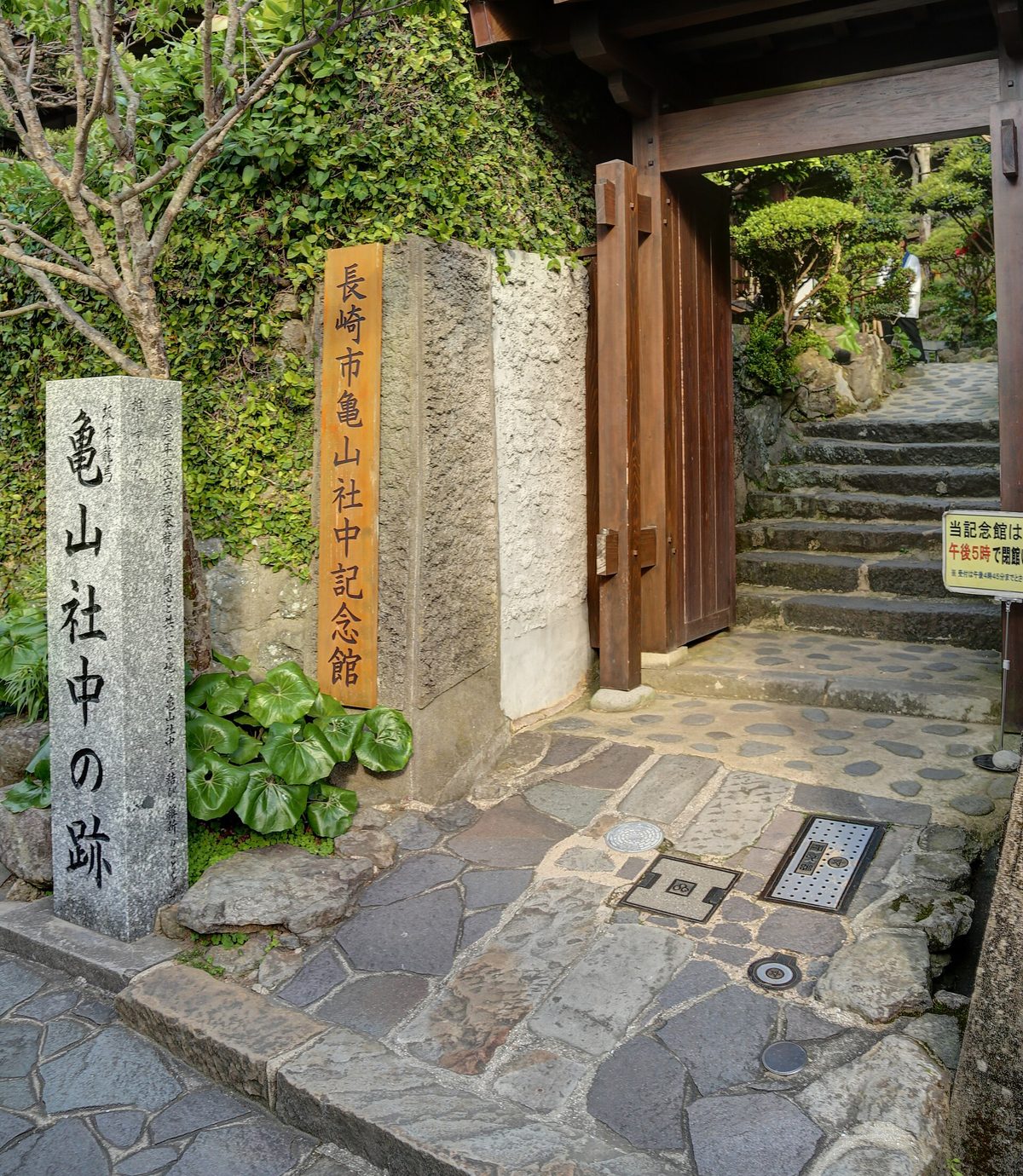
When the school in Kobe (Hyogo) closed, Ryoma and his companions came under the protection of the Satsuma domain (now Kagoshima Prefecture). In 1865 they set up the Kameyama Shachu on a hillside in Nagasaki, Japan's port for foreign trade, with help from a rich local merchant family. It carried goods by ship and arranged the purchase of Western guns and ships for Satsuma and Choshu, and it is often called Japan's first trading company. In 1867 Tosa pardoned Ryoma, and the group became the Kaientai ("ocean support unit") under the domain, with Ryoma as its leader. It broke up in 1868, after his death.
The Satsuma–Choshu alliance and the return of power
The alliance. Satsuma and Choshu (now Yamaguchi Prefecture) were the two strongest domains opposed to the shogunate, and they had been bitter enemies. In the first month of 1866 their leaders, including Saigo Takamori of Satsuma and Kido Takayoshi of Choshu, agreed in Kyoto to work together. Japanese encyclopedias say Ryoma and Nakaoka Shintaro brought them together. Kido then asked Ryoma to confirm the terms in writing, and Ryoma wrote a guarantee in red ink on the back of Kido's letter; Kido's letter of thanks to Ryoma, an Important Cultural Property, is kept at the Kyoto National Museum. How big Ryoma's role was is debated. The historian Machida Akihiro argued in a 2018 book that the main points had already been agreed between Satsuma's Komatsu Tatewaki and Kido before Ryoma arrived, and that Ryoma acted as a witness rather than as the go-between.
The return of power. In the 6th month of 1867, sailing from Nagasaki toward Kyoto with Goto Shojiro of Tosa, Ryoma is said to have set out eight points for a new government: hand power back to the emperor, create an assembly, write a constitution, build a navy and more. This is the "Eight-Point Plan Aboard Ship" (Senchu Hassaku). Tosa urged the shogun to give up power, and in the 10th month of 1867 the shogun Tokugawa Yoshinobu returned it to the emperor (Taisei Hokan). Japanese dictionaries describe the plan with the words "it is said." What survives is a similar eight-point outline dated the 11th month of 1867, kept at the National Diet Library, which describes it as an outline "said to have been" shown by Ryoma. The researcher Chino Fumiya argued in a 2013 book that the plan as people know it was shaped by later biographies.
Two attacks in Kyoto
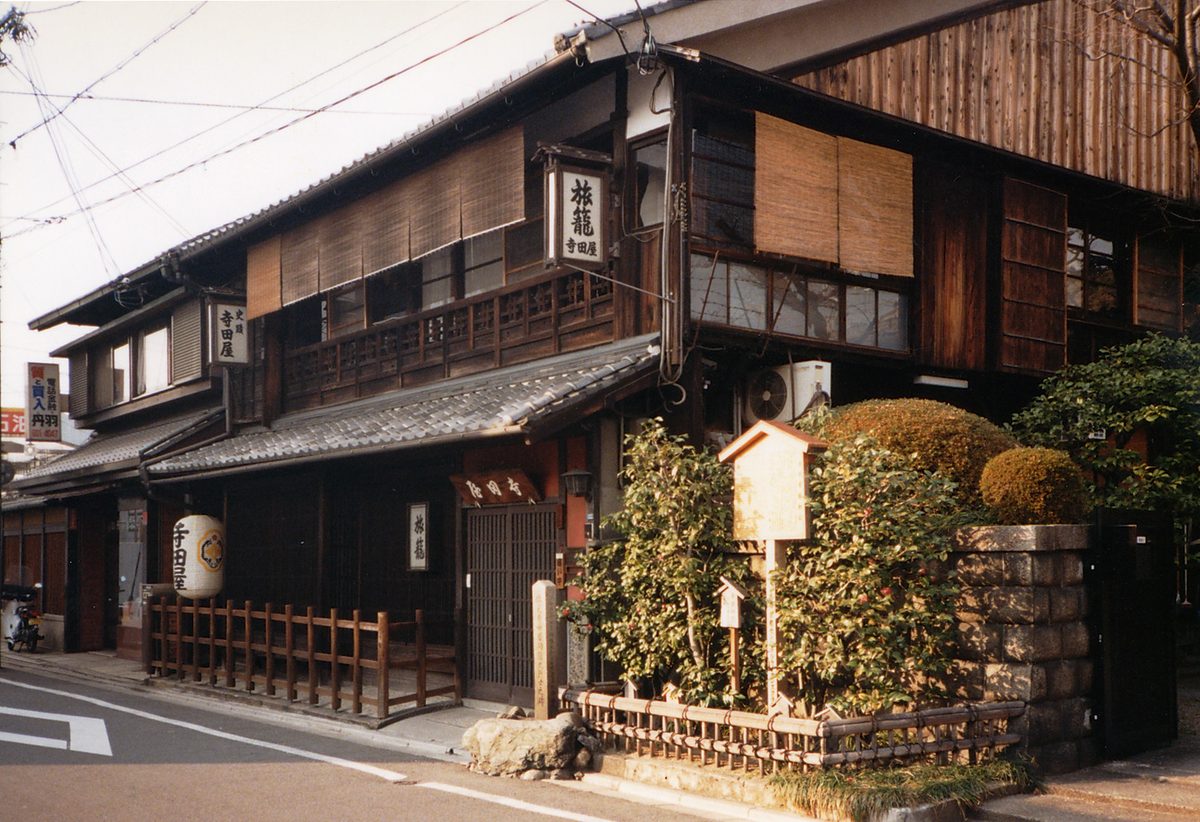
Teradaya, 1866. Days after the alliance was agreed, officers of the Fushimi magistrate surrounded Teradaya, a boat inn in Fushimi (Kyoto) where Ryoma was staying. Oryo, a young woman working at the inn, ran upstairs to warn him. Ryoma was wounded in the hand but escaped, and he and Oryo married soon after. Kyoto City's guide to Ryoma's places gives the date as early on the 24th day of the first month. Visitors can see Teradaya today, but the building is not the one Ryoma knew: in 2008 the Kyoto City Historical Archives concluded that the inn burned in the Battle of Toba-Fushimi in 1868, so the present building was put up later. The Japan Tourism Agency's text for the site says the same, and notes that it is run as an inn and museum.
Omiya, 1867. On the night of the 15th day of the 11th month of 1867, Ryoma and Nakaoka Shintaro were attacked at Omiya, a soy sauce shop that served the Tosa domain, on Kawaramachi Street in Kyoto. Ryoma died that night, and Nakaoka two days later. Who the attackers were has been argued about ever since. Kyoto City's guide says there are several theories and that the Kyoto Mimawarigumi, a police unit of the shogunate, is considered the most likely; a former member, Imai Nobuo, told investigators in 1870 that he had taken part. Today a stone marker stands at the site, and nothing of the shop remains.
Why he is so popular, and the novel versus history
The Sakamoto Ryoma Memorial Museum says Ryoma is as famous in Japan as Oda Nobunaga, yet his achievements are hard to pin down, because he worked behind the scenes and that kind of work rarely appears in official records. His image has also changed with the times: the museum notes that he was shown as a pioneer of freedom in the early Meiji era, as a guardian spirit of the navy until the end of the war in 1945, and as a man of peace after it.
The Ryoma most people picture today comes largely from Ryoma ga Yuku ("Ryoma Goes His Way"), a novel by Shiba Ryotaro published in a newspaper from 1962 to 1966 and adapted many times for TV, including NHK's yearly historical drama. It is a novel, and it tells the alliance and the return of power as a young hero's story. Historians working from letters and records describe a careful planner who worked with many others, and they question several famous scenes. A good way to enjoy the places is to keep both in mind: the story that made him famous, and the documents that survive.
Places to visit
Kochi
- Kochi Prefectural Sakamoto Ryoma Memorial Museum, Katsurahama (Kochi): the main museum on Ryoma's life, on the hill above the beach. Open every day, 9:00 to 17:00 (last entry 16:30). Adults pay 900 yen during special exhibitions and 500 yen at other times, and high school students and younger children enter free, according to the museum's English page. From October 10, 2026 it shows an exhibition of swords connected with Tosa. The permanent exhibition room closes from January 14 to January 21, 2027. From the Kochi Station bus terminal, take the Tosaden Kotsu bus bound for Katsurahama to the Ryoma Kinenkan-mae stop (about 34 minutes), then walk 2 minutes, says the access page.
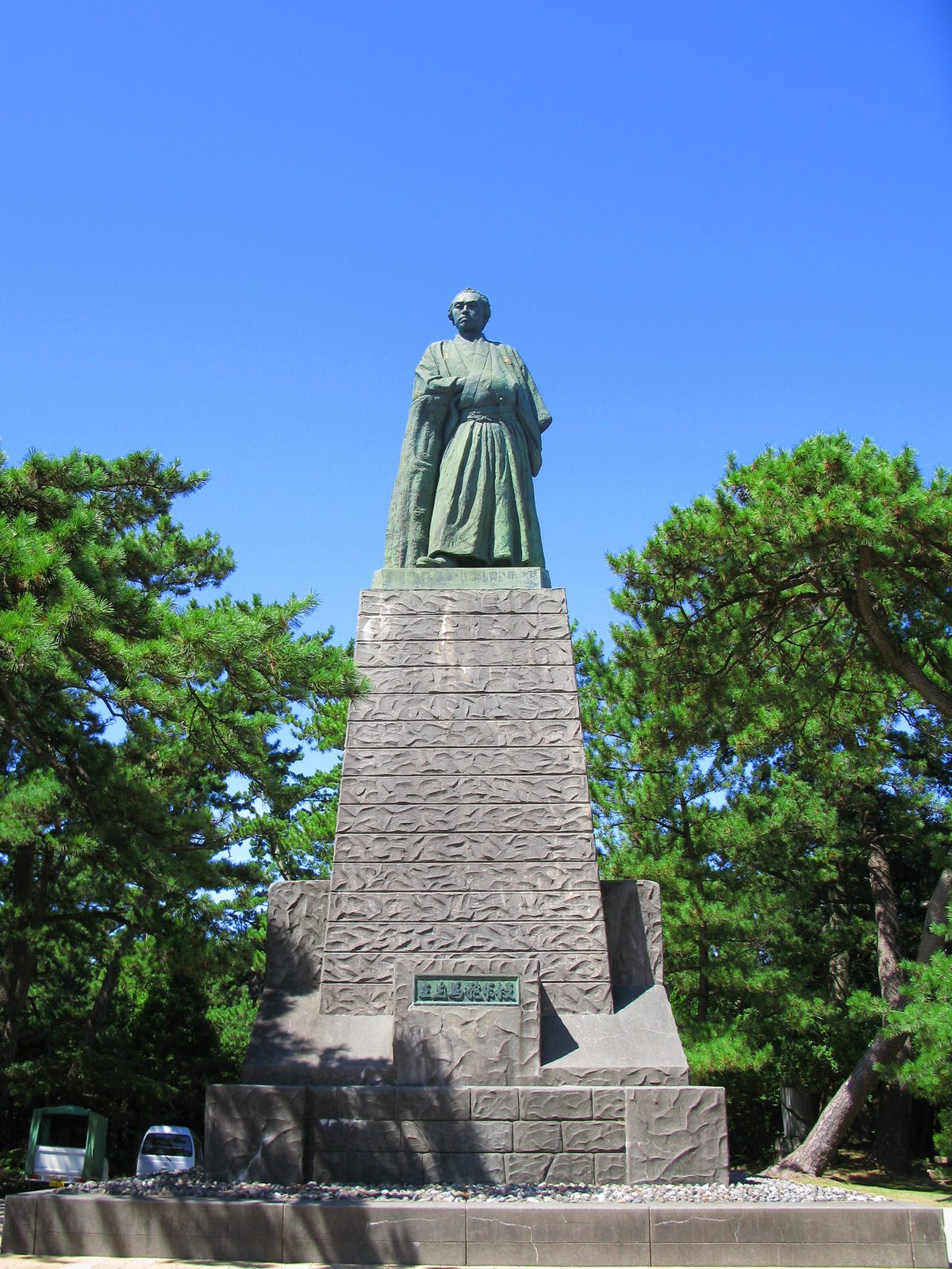
- The statue at Katsurahama Beach: Ryoma's statue stands on a headland at the beach, looking out over the Pacific. The museum warns that the walk from the beach up to the museum, along a path with stone steps and a steep slope, takes more than 10 minutes. Swimming at the beach is not allowed because of strong waves, says the Japan National Tourism Organization (JNTO).
Nagasaki
- Nagasaki City Kameyama Shachu Memorial Museum, Irabayashi (Nagasaki): a small museum at the site of the Kameyama Shachu, on the hillside. Since April 1, 2026 admission is 650 yen for adults and 320 yen for elementary, junior high and high school students, under the city's revised fee rules. Check the opening hours on the city's tourism site before you go.
- Kazagashira Park: a hilltop park above the museum, where a bronze statue of Ryoma, 3.2 meters tall, looks out to sea. It was put up by local people in 1989. Next to it is a stone carved with a passage from Shiba Ryotaro's novel. Take the Nagasaki Bus bound for Kazagashirayama from Nagasaki Station to the Kazagashirayama stop (20 minutes), then walk 5 minutes; there is no parking, says the Nagasaki City park page.
Kyoto
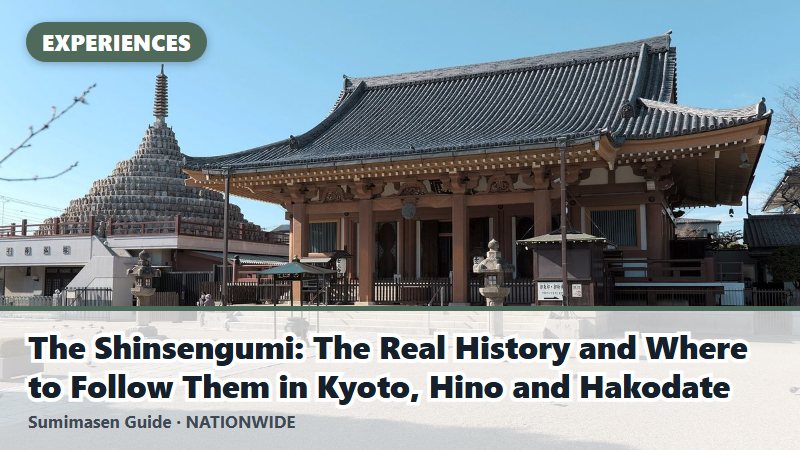
- Teradaya, Fushimi (Kyoto): a working inn and small museum about 5 minutes on foot from Chushojima Station on the Keihan Line, according to Kyoto City's Ryoma walking guide. Remember that the building was rebuilt after 1868. We could not find its opening hours and fee on an official page, so check them on site.
- The Omiya site, Kawaramachi (Kyoto): a stone marker on Kawaramachi Street, south of Takoyakushi Street, where the soy sauce shop stood. Only the marker remains, says Kyoto City's guide.
- Ryoma's grave at Kyoto Ryozen Gokoku Shrine, Higashiyama (Kyoto): Ryoma and Nakaoka Shintaro lie side by side on the hillside above the shrine, among the graves of many others who died for the new Japan. The gate opens at 8:00, entry to the graves starts at 9:00, and the gate closes at 17:00, every day. Entry to the graves is 300 yen for adults and 200 yen for elementary and junior high school students, cash only. From central Kyoto, take a city bus to Kiyomizu-michi or Higashiyama Yasui and walk 10 minutes up a steep road, says the shrine's visitor page. On November 15, 2026, the anniversary of his death by the old calendar, the shrine holds the Ryoma Festival at the graves from 15:30; joining is free, but the usual entry fee applies.
For more on the age Ryoma lived in, see the Edo period explained. If you are basing yourself in Kyoto, our guide to where to stay in Kyoto compares the areas.
What to do before you go
- Decide how far you will go: Kyoto is easy to add to most trips, while Kochi and Nagasaki are long journeys from Tokyo or Osaka.
- In Kochi, plan the museum and the statue as one visit, and allow time for the walk between them.
- In Kyoto, bring cash for the shrine, wear shoes for a steep slope, and remember that Teradaya is a rebuilt building.
- Read one short account of his life before you go; a story you know makes a stone marker or a grave much more interesting.
- Check the official pages below for the days you plan to visit: exhibitions and fees change.
Last reviewed: October 25, 2026. Opening hours, fees and events change, so check the official pages below before you go.
References
- Kotobank: Sakamoto Ryoma (entries from Japanese encyclopedias) (Japanese)
- Kotobank: Satsuma–Choshu alliance (Japanese)
- Kotobank: Kaientai and Kameyama Shachu (Japanese)
- Kotobank: Senchu Hassaku, the eight-point plan (Japanese)
- Kotobank: Ryoma ga Yuku, the novel (Japanese)
- National Diet Library: Modern Japan in archives, the eight-point outline of 1867 (Japanese)
- Cultural Heritage Online: Kido Takayoshi's letter to Ryoma, Kyoto National Museum (Japanese)
- Jimbun Shoin: Machida Akihiro's book on the Satsuma–Choshu alliance, press release (Japanese)
- Kochi Prefecture: Sakamoto Ryoma Memorial Museum, exhibition on how Ryoma was described (Japanese, PDF)
- Kochi Prefecture: Sakamoto Ryoma Memorial Museum, research talk 2026 (Japanese, PDF)
- Kochi Prefectural Sakamoto Ryoma Memorial Museum: Visitor information (English)
- Kochi Prefectural Sakamoto Ryoma Memorial Museum: Access (Japanese)
- Kochi Prefectural Sakamoto Ryoma Memorial Museum: Permanent room closures 2026–27 (Japanese)
- JNTO: Katsurahama Beach (English)
- Nagasaki City: Revised fees for city facilities, including the Kameyama Shachu Memorial Museum (Japanese, PDF)
- Nagasaki City: Kazagashira Park (Japanese)
- Kyoto City: Walking Kyoto with Sakamoto Ryoma, Sanjo to Shijo area (Japanese)
- Kyoto City: Walking Kyoto with Sakamoto Ryoma, Fushimi area (Japanese)
- Kyoto City Historical Archives: Report on the Teradaya documents, 2008 (Japanese, PDF)
- Japan Tourism Agency: Teradaya Incident (Japanese, PDF)
- Kyoto Ryozen Gokoku Shrine: Access and visiting hours (Japanese)
- Kyoto Ryozen Gokoku Shrine: Ryoma Festival (Japanese)