Kabuki for First-Timers: How to Watch, Kabukiza Tickets and Single Act Seats, What to Wear and Theater Rules
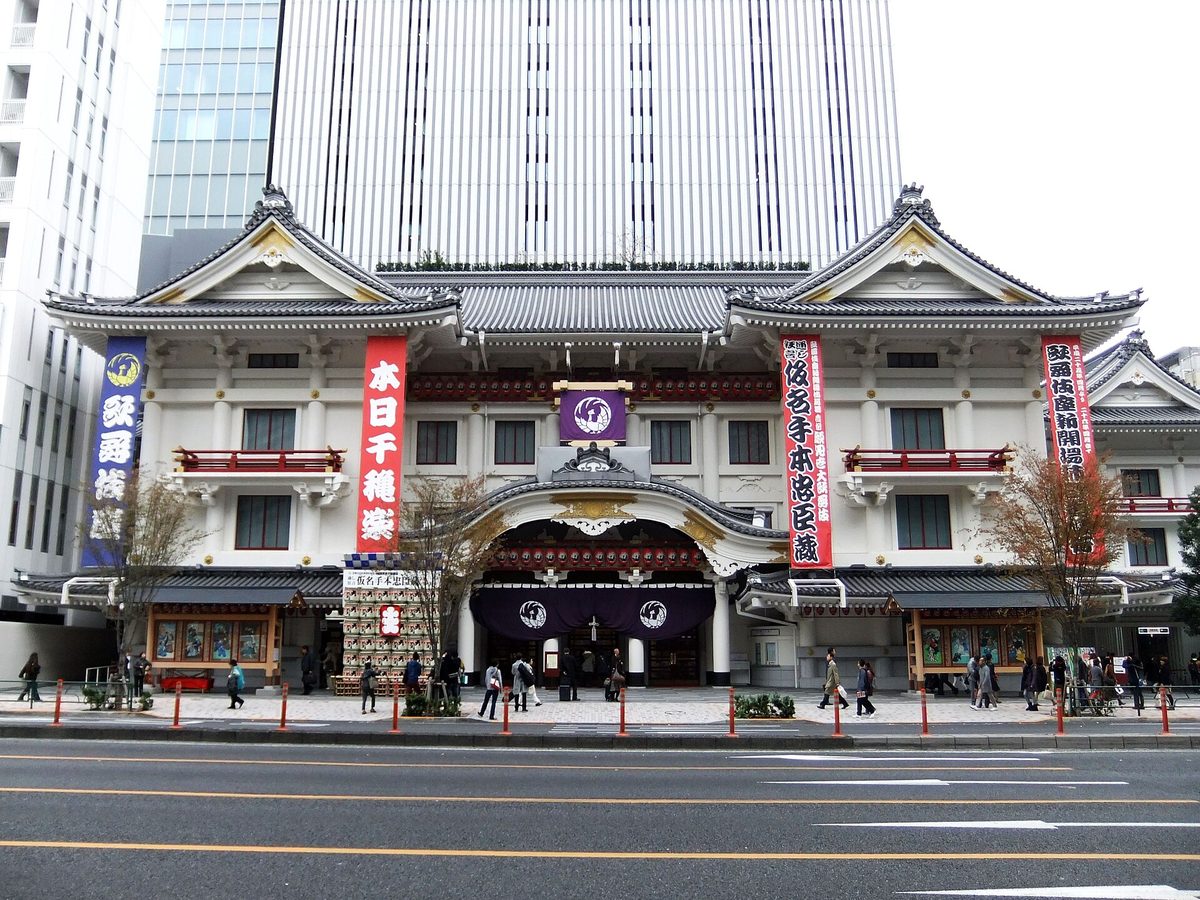
Kabuki is the theater that the townspeople of Edo-period Japan loved, and you can still see it every month at the Kabukiza Theatre in Ginza, Tokyo. A full program lasts about four hours, but you don't have to commit to all of it: a single act seat lets you watch one play, and an English captioning device explains what is happening. This guide covers what to look and listen for, how tickets and single act seats work, what to wear, and the rules inside the theater, checked against the official pages of Shochiku, the company that runs the Kabukiza, and the Japan Arts Council.
- The short answer: how to see kabuki on a short trip
- What kabuki is, and three things to watch for
- The seats at the Kabukiza
- Buying a ticket for a full program
- Single act seats: one act, no booking months ahead
- English captions
- What to wear and the rules inside
- What to do before you go
The short answer
For a first visit, a single act seat at the Kabukiza is the easiest way in. Reserved single act seats go on sale online at noon the day before, and a small number of unreserved ones are sold at the theater on the day from 10:00. If you'd rather see a whole program from a better seat, buy on Shochiku's multilingual ticket site, which stops selling the day before the performance. Rent the English captioning device (cash only). There is no dress code. During the play, don't take photos, don't eat, and keep your phone switched off; you can eat at your seat during the intermissions.
What kabuki is
According to the Japan Arts Council, kabuki began around the start of the 17th century, at the very beginning of the Edo period, when a performer called Okuni drew crowds in Kyoto with a new style of song and dance. Its audiences included ordinary townspeople as well as samurai and nobles, and over the Edo period it grew into long plays with music, dance and stage effects. Shochiku's guide to kabuki explains that since a law of 1629, no women have performed on the kabuki stage.
Three things are worth knowing before the curtain opens:
- Onnagata: all female roles are played by male actors who specialize in them. Shochiku describes it as an art built over hundreds of years, not simple imitation.
- Mie: at a high point, an actor freezes in a strong pose, often to the sharp beat of wooden clappers, so that the moment looks like a picture. It is one of the moments to watch.
- Kakegoe: you may hear people call out from the back of the house during the play. Shochiku's guide explains that this is applause and encouragement for the actors, usually from fans on level 3 called omuko, who know exactly when to shout. As a first-timer, simply enjoy listening for it.
The stage also has a hanamichi, a raised runway through the audience on level 1, used for big entrances and exits.
The Kabukiza and this season's programs
The Kabukiza Theatre stands in Ginza, Tokyo, with direct access from Exit 3 of Higashi-Ginza Station (Hibiya and Asakusa lines), or a 5-minute walk from Exit A6 of Ginza Station. It holds a different program almost every month, usually as a matinee and an evening show of about four hours each, each made up of several acts, plays or dances. In November 2026 (November 1 to 25, no shows on November 9 and 17), the matinee starts at 11:00 and the evening show at 16:30, and both are parts of Kanadehon Chushingura, the famous play based on the story of the 47 ronin. Our column on seppuku and the 47 ronin explains the history behind it. The December program runs from December 2 to 25, 2026, and the New Year program from January 2 to 26, 2027.
The seats at the Kabukiza
The theater has four audience levels. The seating chart (as of July 2025, 1,808 seats) names the categories below; which ones are sold, and at what price, changes with each program. For November 2026, full-program tickets ranged from 5,000 yen (Upper Tier B, on level 3) to 20,000 yen (Special Seats and Box Seats), tax included. Box Seats and Special Seats were not sold online that month.
Buying a ticket for a full program
Shochiku's ticket guide lists three ways to buy:
- Online: the Shochiku Multilingual Online Ticket site sells the seats given to it, in English. For the Kabukiza, it stops selling one day before the performance. A date marked "sold out" there may still have seats from Shochiku itself, so try the phone line or the box office too. For the November 2026 program, sales opened on October 14.
- Phone: +81-3-6745-0888 (03-6745-0888 from a phone in Japan), 10:00 to 17:00 Japan time, with English-speaking staff. Same-day tickets can't be booked by phone.
- At the theater: the box office is on basement floor 2, in Kobikicho Square. Seats that are left can be bought on the day, even after the play has started.
Children aged 4 and over need their own ticket, according to the Q&A; children of 3 and under who sit on an adult's lap do not.
Single act seats: one act, no booking months ahead
A single act seat (hitomakumi) lets you watch just one play or dance from the 4th level. Shochiku's single act page explains how it works:
- About 70 reserved seats are sold online from 12:00 the day before each performance, for every act.
- About 20 unreserved seats are sold at the Single Act Box Office, on the left side of the theater, from 10:00 on the day. Cash and credit cards are accepted.
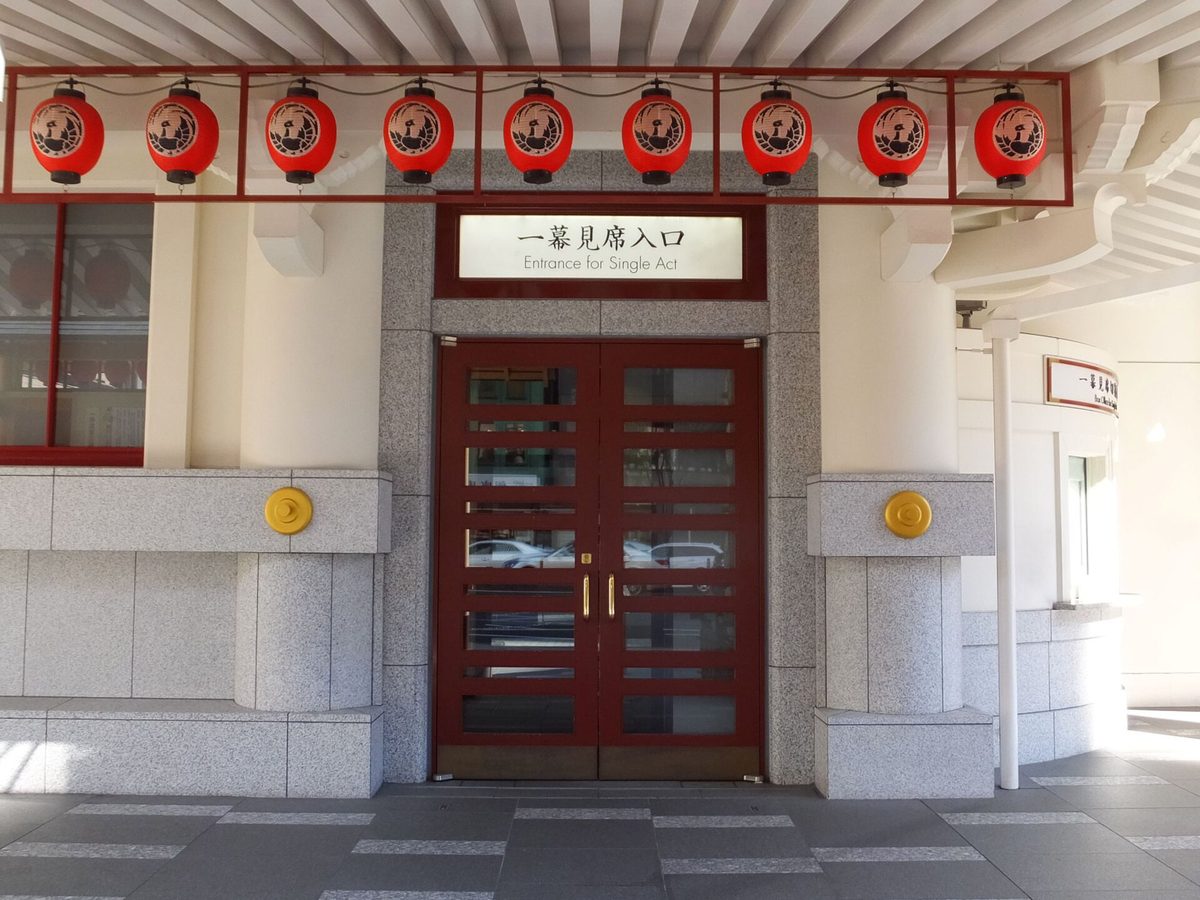
- Single act ticket holders use their own entrance, to the left of the main entrance, and climb to the 4th level.
- From the 4th level, the hanamichi runway can't be seen and part of the stage may be hidden. The front row is close to a railing.
- For some programs, a few seats on the 2nd level are also sold as upgraded single act seats on the multilingual site, closer to the stage and entered through the main entrance.
Prices and times change every month and are announced on KABUKI WEB's news page by the first day of each program. A short dance can take 30 minutes to an hour, a long play one to two hours.
English captions
The Kabukiza offers a captioning service in English or simplified Chinese: a device that shows translations of the dialogue and songs, with short explanations of kabuki. It costs 1,500 yen for a full program and 1,000 yen for a single act, cash only. When you buy a full-program ticket online, you can choose a "Ticket with Captioning Service" instead. Captions may not be offered for very short acts. The theater also has a free English flyer, and the Japanese program sold inside has English summaries at the back.
What to wear and the rules inside
There is no dress code. Shochiku's Q&A says to come in your normal clothes, and to take off a hat or anything on your head that blocks the view of the people behind you.
The rules and etiquette page lists what to avoid during the play:
- No photos or videos.
- Turn off all electronic devices.
- Don't talk or make noise.
- Don't lean forward: it blocks the view of the people behind you.
- Don't eat or drink.
- If a small child starts to cry or talk, take them out to the lobby for a break.
Food is part of the fun between acts. You may eat at your seat during the intermissions, quietly, using boxed lunches (bento) and sweets sold in the theater, including the shops on basement floor 2, or food you bring. The theater also has Japanese restaurants for the intermission, and the theater information page recommends booking them at least two days ahead.
What to do before you go
- Check the month's program on KABUKI WEB's schedule, and choose a matinee or evening show, or one act.
- For a full program, book on the multilingual ticket site by the day before. For a single act, book online at noon the day before, or go to the Single Act Box Office in the morning.
- Bring cash for the captioning device, and remember that your phone stays off during the play.
- Plan your meal: a bento at your seat in the intermission, or a restaurant booked two days ahead.
- If you also want to plan other tickets, our list of what to book before your Japan trip covers sumo, museums and more, and our guide to ukiyo-e shows where to see the actor prints of the Edo period.
Last reviewed: October 25, 2026. Programs, seat categories, prices and sales times change every month, so check the official pages below before you go.
References
- Shochiku, KABUKI WEB: Kabukiza Theatre information (English)
- Shochiku, KABUKI WEB: November 2026 program at the Kabukiza (English)
- Shochiku, KABUKI WEB: Kabukiza seating chart (English and Japanese, PDF)
- Shochiku, KABUKI WEB: How to buy tickets (English)
- Shochiku, KABUKI WEB: Single act tickets, 4th level (English)
- Shochiku, KABUKI WEB: Upgraded single act tickets, 2nd level (English)
- Shochiku, KABUKI WEB: Service for international visitors (English)
- Shochiku, KABUKI WEB: Q&A (English)
- Shochiku, KABUKI WEB: Rules and etiquette (English)
- Shochiku, KABUKI WEB: Remarkable features unique in kabuki (English)
- Shochiku, KABUKI WEB: Shouts from the audience (English)
- Shochiku Multilingual Online Ticket (English)
- Kabukiza: Current and upcoming programs (Japanese)
- Japan Arts Council: The beginning of kabuki (English)