The Shinsengumi: The Real History and Where to Follow Them in Kyoto, Hino and Hakodate
This page contains affiliate links.
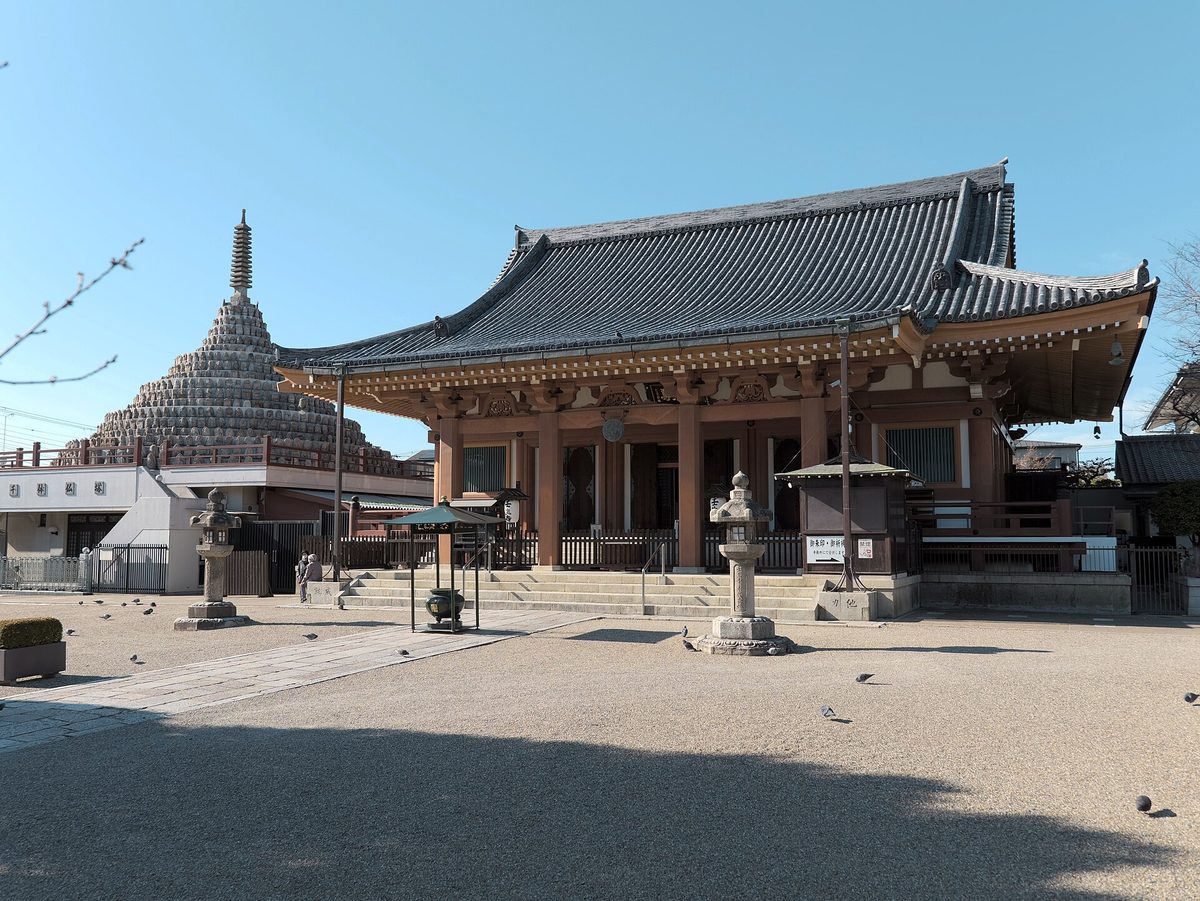
The Shinsengumi were a band of swordsmen who policed Kyoto for the shogunate in the 1860s, in the last years of the Edo period. Novels, TV dramas, anime and games have made them famous far beyond Japan, so the real story and the stories told about them are easy to mix up. This guide sticks to what Japanese encyclopedias and official pages record (checked October 2026): how the group began, the Ikedaya Incident, what happened to Kondo Isami, Hijikata Toshizo and Okita Soji, and where you can follow them today, from Mibu in Kyoto to Hijikata's hometown of Hino (Tokyo) and the star-shaped fort of Goryokaku in Hakodate (Hokkaido).
- The short answer: who the Shinsengumi were
- Shinsengumi, two ways of writing the name
- A timeline from 1863 to 1869
- From the Roshigumi to the Shinsengumi, and the Ikedaya Incident
- Kondo, Hijikata and Okita: history and drama
- Hijikata's last days in Hakodate
- Where to go: Mibu, the Ikedaya site, Hino and Goryokaku
The short answer
The Shinsengumi were a group of swordsmen who kept order in Kyoto for the shogunate from 1863 until the shogunate fell. Its leaders Kondo Isami and Hijikata Toshizo came from villages west of Edo, in today's Tokyo, and had trained at the same school of swordsmanship. In Kyoto they worked under the Aizu domain, whose lord was the Protector of Kyoto, and hunted down the shogunate's opponents. They became famous after the Ikedaya Incident of 1864. When the shogunate lost the Boshin War, the group broke apart: Kondo, the commander, was executed in 1868, the swordsman Okita Soji died of illness the same year, and Hijikata, the vice-commander, fought on until he was killed in Hakodate (Hokkaido) in 1869.
Shinsengumi: two ways of writing the name
You will see the name written two ways in Japanese: 新選組 and 新撰組. Both are read Shinsengumi. Nipponica lists the group under 新選組 and notes that it is also written 新撰組. Mibu-dera Temple and Hino City use 新選組, while some official Kyoto pages use 新撰組, so don't worry if a sign or a book uses the other one.
A timeline of the Shinsengumi
Japan used its own calendar, based on the moon, until 1873. Months and days in this guide follow that old calendar; years are the usual Western years.
From the Roshigumi to the Shinsengumi
In early 1863, the shogunate gathered a force of masterless samurai and others, the Roshigumi, to go to Kyoto ahead of the shogun's visit there. Nipponica counts 248 men leaving Edo in the 2nd month. Soon after they arrived, the group's organizer, Kiyokawa Hachiro, and most of the men were sent back to Edo, but Kondo Isami, Serizawa Kamo and others stayed in Kyoto.
They stayed in Mibu, a village on the west side of the city. Kyoto City's official tourism guide says that in the 3rd month of 1863, 13 men including Serizawa and Kondo took the Yagi family's house as their lodgings, and Mibu-dera Temple says the group was formed there that month. The Kyodo News glossary quoted in Japanese encyclopedias says the group was placed under the Aizu domain and took the name Shinsengumi after its work in the political crisis of the 8th month of 1863.
Keeping order in Kyoto
Kyoto was where the emperor lived, and in the 1860s it was full of samurai from many domains who wanted to drive out the foreigners and overthrow the shogunate. The shogunate made Matsudaira Katamori, lord of Aizu, the Protector of Kyoto, and the Shinsengumi worked under his command, searching for and arresting the shogunate's opponents. The group trained in the grounds of Mibu-dera, where they practiced martial arts and even cannon drills, the temple says. In the 9th month of 1863, Serizawa Kamo and Hirayama Goro were assassinated at the Yagi house. In the 4th month of 1865, the headquarters moved from Mibu to Nishi Honganji Temple, Kyoto City's guide adds.
The Ikedaya Incident, 1864
On the night of the 5th day of the 6th month of 1864, the Shinsengumi raided the Ikedaya, an inn near the Sanjo Bridge in central Kyoto, where opponents of the shogunate were meeting. According to Kyoto City's official guide, the raid followed the arrest of a man named Furutaka Shuntaro, which uncovered a plot. Four Shinsengumi men, including Kondo and Okita, went in against more than 20; 9 of those inside died and most of the others were captured. The incident made the Shinsengumi famous, and Nipponica calls it the best-known event in the group's history.
Mibu-dera holds a memorial service for the Shinsengumi members every year on July 16, a date chosen in memory of the Ikedaya Incident, and fans come from all over Japan for it, the temple says.
Kondo, Hijikata and Okita: history and drama
In dramas, manga and games, the three best-known members have fixed images: Kondo the steady commander, Hijikata the strict vice-commander, Okita the young genius swordsman. Here is what the reference books on Kondo, Hijikata and Okita actually record.
- Kondo Isami (1834 to 1868), commander. Born in a village west of Edo, in what is now Chofu (Tokyo). He trained at the Shieikan, the training hall of the Tennen Rishin-ryu school of swordsmanship, and was adopted by its master. After the Boshin War began, he was captured at Nagareyama (Chiba), and executed at Itabashi in Edo on the 25th day of the 4th month of 1868.
- Hijikata Toshizo (1835 to 1869), vice-commander. Born in Ishida village, today part of Hino (Tokyo), and a student of the same school. After the defeat near Kyoto he fought on in the north, including at Utsunomiya and Aizu, then went from Sendai (Miyagi) to Hakodate with the shogunate's fleet.
- Okita Soji (born 1842 or 1844, died 1868), captain of the first unit. The encyclopedias agree that he was an outstanding swordsman of the Tennen Rishin-ryu school. They differ on the Ikedaya Incident: one says he fought brilliantly, another that he coughed up blood and collapsed during the raid. He died of lung disease, which one dictionary names as tuberculosis, in Edo on the 30th day of the 5th month of 1868.
Many popular scenes, such as particular conversations, romances or last words, come from novels and screenplays, not from records. Enjoy them as stories, and treat dates and places in dramas with care.
The Boshin War
The war between the shogunate's side and the new government began at Toba-Fushimi, just south of Kyoto, on the 3rd day of the 1st month of 1868. Nipponica says Hijikata led the Shinsengumi there and they were defeated. The survivors went back to Edo and then split up. Our guide to the end of the Edo period explains the whole war, from Kyoto to Hakodate.
1869: Hijikata's end in Hakodate
In late 1868, Enomoto Takeaki took the shogunate's warships to Hokkaido and set up his base in Goryokaku, the star-shaped fort in Hakodate. Hijikata served as one of the army's commanders; Goryokaku Tower's history page calls him the deputy commander of its army. On the 11th day of the 5th month of 1869, the new government's forces attacked Hakodate, and Hijikata was shot and killed while leading troops out to retake the town. Nipponica places his death at Ichinoki in Hakodate. Goryokaku surrendered a week later, on the 18th, and the Boshin War was over.
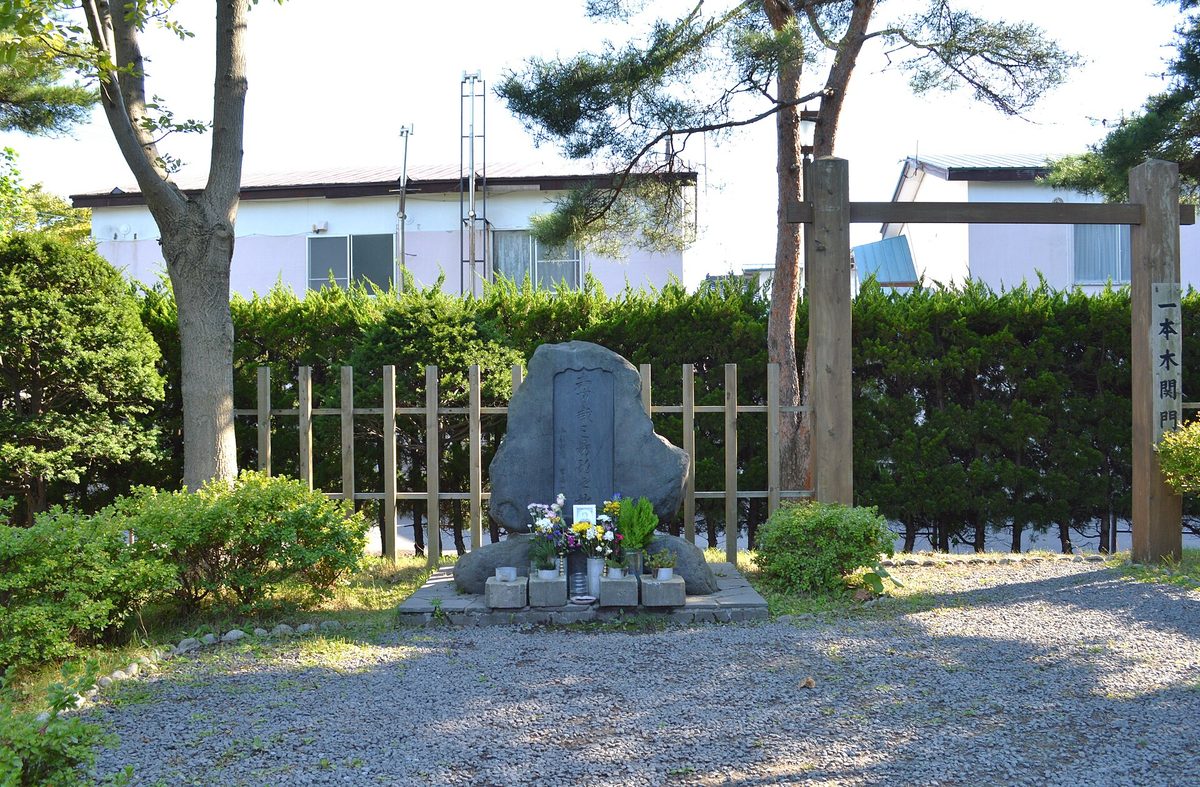
A monument now stands where he is said to have fallen, in a small park at Wakamatsu-cho 33, about a 10-minute walk from JR Hakodate Station, according to the Hokkaido Tourism Organization. The exact spot is not certain, which is why the page says he is "said to" have fallen there. Fans still leave flowers in front of it.
Where to follow the Shinsengumi today
In Kyoto, the Mibu sites and the Ikedaya site are close enough to see in half a day. Hino is a day trip from central Tokyo, and Hakodate is in Hokkaido. The map below shows the Kyoto sites; it is a simple drawing, not to scale.
Mibu-dera Temple and the Yagi house, Kyoto
Mibu-dera is where the group trained, and Mibu-zuka, on an island in a pond in the east of the grounds, holds Shinsengumi graves. According to the temple, there is a bust of Kondo Isami with a memorial containing his hair, the graves of Serizawa Kamo and Hirayama Goro, and a shared grave for other members, including men who died at the Ikedaya. Mibu-zuka is open from 9:00 to 16:00, and the fee, which also covers the Amida Hall, is 400 yen for adults and 200 yen for elementary, junior high and high school students. These are graves, so speak quietly and don't touch or lean on the stones.
On Bojo-dori, the street in front of the temple's east gate, the Yagi house, the group's first lodgings, still stands. Kyoto's official tourism site says it is open with a guide, that the main house survives almost as it was, and that a sword cut can still be seen on a beam in the back room where Serizawa was killed. The family's sweets shop, Kyoto Tsuruya Tsurujuan, sells a sweet called tonsho mochi, named after the headquarters. Check tour times and the fee at the shop on the day. The nearby former Maekawa house, another of the group's lodgings, is a private home and is not open to the public.
The Ikedaya site, Kyoto
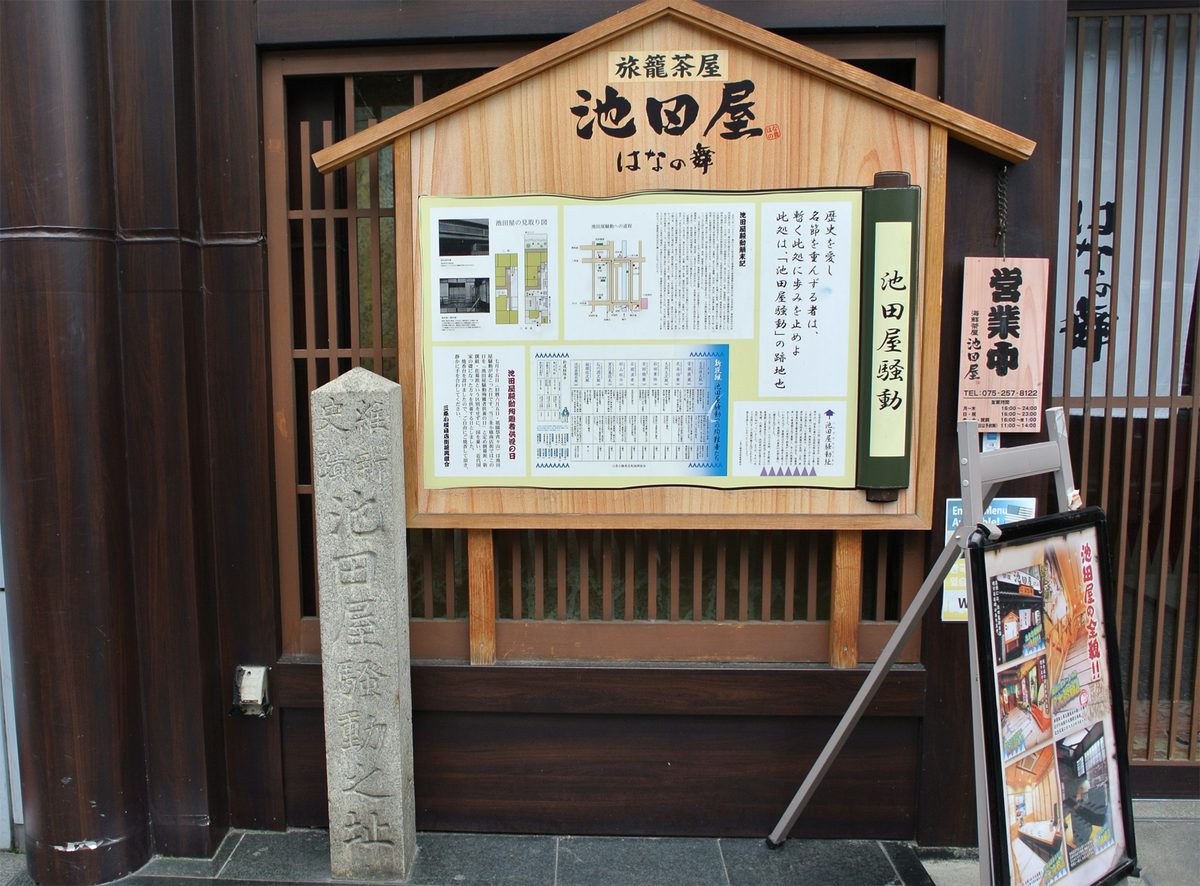
The inn is gone, but a stone marker stands at the site on Sanjo-dori, just west of Kiyamachi, in Nakagyo-ku. It is about a 4-minute walk from Exit 1 of Kyoto Shiyakusho-mae Station on the Tozai subway line, according to Kyoto City's guide.
Hino (Tokyo): Hijikata's hometown
Hino, in western Tokyo, calls itself the hometown of the Shinsengumi. There are two museums, and they open on very different schedules.
- Hino City Shinsengumi Furusato History Museum (日野市立新選組のふるさと歴史館), the city's museum on the group. It is open from 9:30 to 17:00 (last entry 16:30) and closed on Mondays (the next weekday when Monday is a national holiday) and from December 29 to January 3, according to Hino City. Admission is 200 yen for adults (high school students and older) and 50 yen for elementary and junior high school students; a joint ticket with the Hino-juku Honjin, an old inn for officials, is 300 yen and 70 yen. It is a 15-minute walk from JR Hino Station, or take Keio Bus route Hi 02 and get off at "Hino Nanasho Iriguchi," then walk 5 minutes. The bus stop named after the museum has no buses during opening hours, the city warns.
- Hijikata Toshizo Museum (土方歳三資料館), in the house where Hijikata was born, run by his family's descendants. It opens only on a few days: the museum's notice lists November 1, November 15, December 6 and December 20, 2026 (the last day of the year), each from 12:00 to 16:00, and says the dates may change. Admission is 800 yen for elementary school students and older, cash only at the entrance. There are steps inside, so wheelchair users can't visit, and there is no parking. A free audio guide in English and Traditional Chinese works by scanning a QR code with your own phone, the museum says; there is no free Wi-Fi, so you need mobile data.
Goryokaku, Hakodate (Hokkaido)
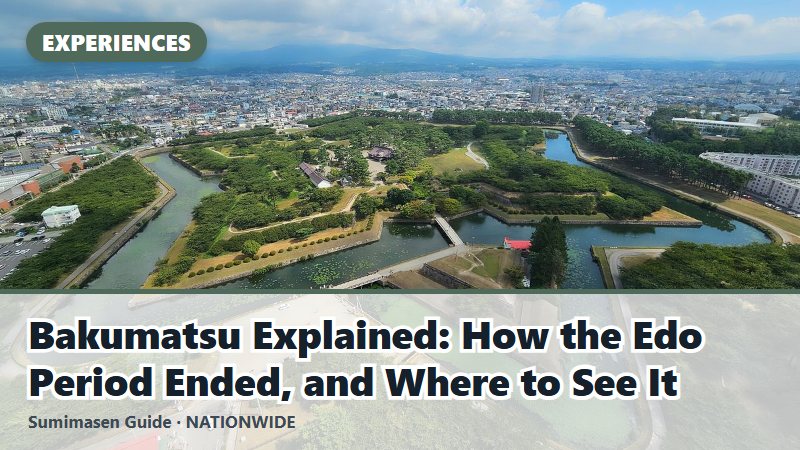
Goryokaku is where Hijikata's story ends, and one of the places most worth seeing in Hokkaido. The shogunate built the fort in the shape of a five-pointed star, with work starting in 1857 and mostly finished in 1864, according to the Agency for Cultural Affairs. Its designer, Takeda Ayasaburo, modeled it on the fortified cities of Europe. The Japan National Tourism Organization explains that the star shape allowed more guns and reduced blind spots that cannon fire could not reach. In 1868 and 1869 it was the base of Enomoto's forces, and its surrender ended the Boshin War.
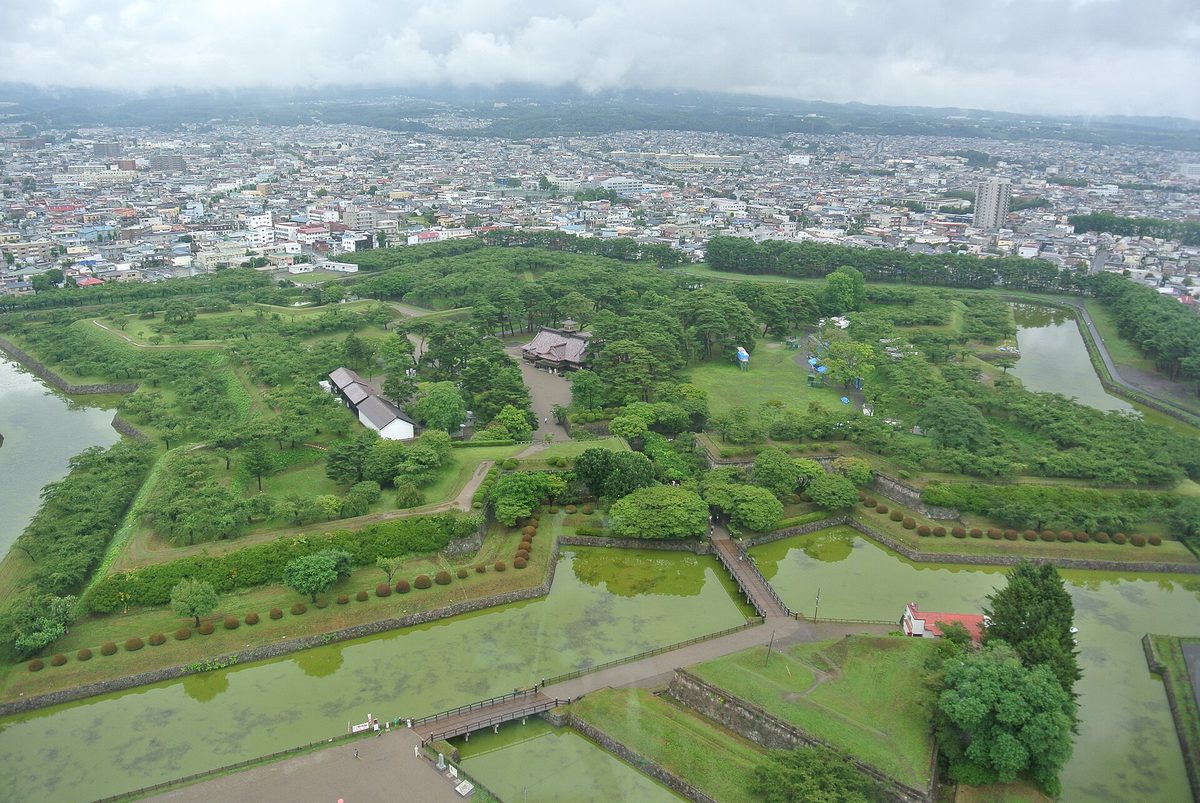
- Goryokaku Tower: the best way to see the star. The upper observation floor is 90 meters above the ground. It is open every day from 9:00 to 18:00 (tickets until 17:50), and the observation deck costs 1,200 yen for adults, 900 yen for junior high and high school students and 600 yen for elementary school students, according to the tower. The price will change on April 1, 2027.
- Hakodate Magistrate's Office: the government office in the middle of the fort, rebuilt in 2010. Open from 9:00 to 18:00 from April to October and from 9:00 to 17:00 from November to March, and closed from December 31 to January 3. Admission is 500 yen for adults, according to its official site.
- Hijikata's monument: in town, near JR Hakodate Station (see above). Together with the fort, it makes a half-day walk through the last chapter of the Shinsengumi.
What to do on your trip
- In Kyoto, start at Mibu-dera and the Yagi house in the morning, then go east to the Ikedaya marker on Sanjo-dori.
- For Hino, check the Hijikata Toshizo Museum's open days before you plan the trip, and bring cash.
- In Hakodate, see the star from Goryokaku Tower, walk the fort, then visit Hijikata's monument near the station.
- Many sites are graves or memorials. Be quiet, don't touch the stones, and don't take photos of people who are praying.
- Enjoy the dramas, but remember that the history and the stories are not the same thing.
Last reviewed: October 25, 2026. Opening days, hours and fees can change, so check the official pages below before you go.
References
- Kotobank: Shinsengumi (entries from Nipponica and the Kyodo News glossary) (Japanese)
- Kotobank: Kondo Isami (Japanese)
- Kotobank: Hijikata Toshizo (Japanese)
- Kotobank: Okita Soji (Japanese)
- Kotobank: The Battle of Hakodate (Japanese)
- Mibu-dera Temple: The Shinsengumi (Japanese)
- Kyoto City official tourism guide: Shinsengumi sites (Japanese)
- Kyoto City official tourism guide: Around Sanjo and Shijo (Japanese)
- Kyoto official tourism site: The Shinsengumi's lodgings in Mibu (Japanese)
- Hino City: Shinsengumi Furusato History Museum, access and visitor information (Japanese)
- Hijikata Toshizo Museum: Upcoming open days (Japanese)
- Hijikata Toshizo Museum: Multilingual audio guide (Japanese, English, Chinese)
- Agency for Cultural Affairs, Cultural Heritage Online: Goryokaku site (Japanese)
- Goryokaku Tower: History of Goryokaku (Japanese)
- Goryokaku Tower: Hours and prices (Japanese)
- Japan National Tourism Organization: Goryokaku Tower (English)
- Hakodate Magistrate's Office: Hours, fees and closing days (Japanese)
- Hokkaido Tourism Organization: Monument to the place of Hijikata Toshizo's death (Japanese)