What Is Osechi? The Meaning of Each Japanese New Year Dish, and How Travelers Can Try It
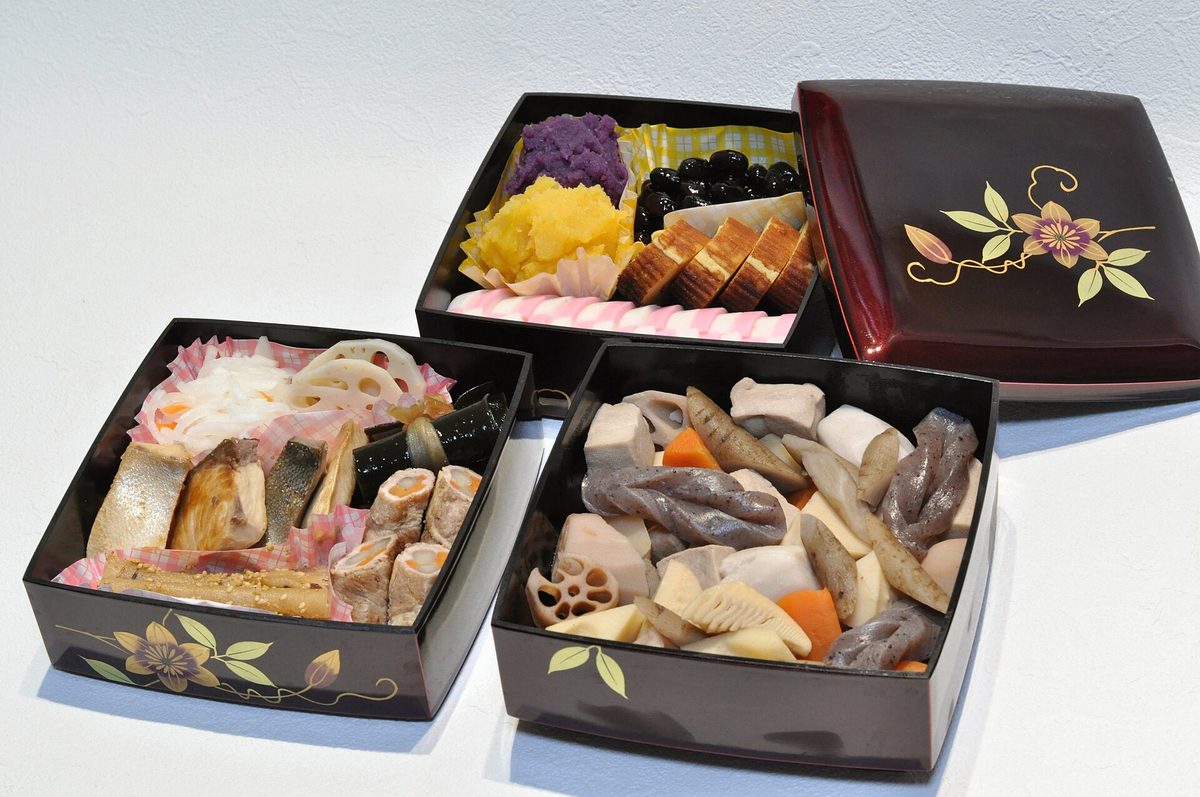
If you're in Japan over the New Year, you'll see colorful lacquered boxes of food in shop windows and ads: this is osechi (osechi ryori), the special food for the first days of January. Almost every piece in the box carries a wish for the year ahead, often through a pun, a shape or a color. This guide explains what osechi is, why it comes in stacked boxes, what each classic dish means, and how a visitor can order or try it.
- Osechi is New Year's food, packed in stacked boxes called jubako
- Each dish is a wish: health, family, a good harvest, money, a long life
- You can order it ahead from stores; orders close in December
- Many places close around the New Year, so plan your meals early
The short answer: food made of good wishes
Japan's Ministry of Agriculture, Forestry and Fisheries (MAFF) calls osechi "food that wishes for happiness all year." It explains that the word first meant the food prepared for the five seasonal festival days (sekku), and later came to mean only the most important of them, the New Year food. The basic form of today's osechi took shape in the late Edo period. In 2013 UNESCO added "Washoku, traditional dietary cultures of the Japanese, notably for the celebration of New Year" to its Intangible Cultural Heritage list; it describes special dishes made for the New Year, each with a symbolic meaning, shared by families.
Why it comes in stacked boxes
Osechi is packed in jubako, lacquered boxes that stack on top of each other. A food guide from Kagoshima City explains that stacking the boxes means "piling up happiness and good fortune." It says the boxes were once five tiers, with the fifth left empty for the blessings of the gods, and that three tiers are more common today.
What each dish means
MAFF lists black beans, dried sardines and herring roe as the three classic "celebration nibbles" (iwai-zakana), with simmered vegetables (nishime) as another standard. Here is what it says each dish stands for:
- Black beans (kuromame): a wish to work mame, meaning diligently and well.
- Herring roe (kazunoko): so many eggs that it stands for many children and grandchildren.
- Dried sardines (tazukuri, "rice-field maker"): the small fish were once used to fertilize fields, so they wish for a good harvest.
- Rolled sweet omelet (datemaki): it looks like a kimono pattern, a wish never to be short of clothes.
- Shrimp (ebi): a wish to live until your back bends like a shrimp's.
- Kelp rolls (kobumaki): a pun on yorokobu, "to be glad."
- Sweet mash (kinton): its golden color is a wish for money.
- Lotus root (renkon): its holes let you see through, a wish for a clear view of the future.
How a traveler can try osechi
Osechi is usually a family meal at home, so the easiest way for a visitor to try it is to order a box. Stores take orders in the autumn for pickup or delivery at the end of December. One example with official dates is FamilyMart's osechi for 2027:
- Orders opened September 24, 2026, and close at 11 p.m. on December 22, 2026 (a few items close earlier in the day).
- Pickup at the store is on December 31, 2026; home delivery is December 29 to 31, with no choice of date.
- Available at about 16,100 FamilyMart stores and its online shop, everywhere in Japan except Okinawa.
Ordering is in Japanese, so a translation app helps. If you want one at your hotel, ask the hotel before ordering whether it can receive the box and keep it cold. Department stores also take advance orders for osechi. If you're staying at a hotel or ryokan (traditional inn), ask when you book whether it serves a New Year meal.
The New Year holiday also changes opening hours across the country. Before you go, read what closes over the New Year, and if you visit a shrine for hatsumode (the first shrine visit of the year, usually in the first days of January), see shrine and temple etiquette.
What to do as a traveler
- Want to taste it? Order early: store orders close in late December, and pickup is usually December 31.
- Staying at a hotel or ryokan over the New Year? Ask whether a New Year breakfast or meal is offered.
- Eating with a Japanese family? Ask about the dishes. Explaining the wish behind each one is part of the fun.
- Allergies: osechi includes fish eggs, shrimp, eggs and more. Check the label, and see our food allergy guide.
Last reviewed: October 18, 2026. Order dates and stores change every year; check the store's own page.
References
- Ministry of Agriculture, Forestry and Fisheries: Osechi, food that wishes for happiness all year (Japanese)
- UNESCO: Washoku, traditional dietary cultures of the Japanese, notably for the celebration of New Year
- Kagoshima City: Food education newsletter on osechi (Japanese, PDF)
- FamilyMart: Osechi for 2027 (Japanese, September 24, 2026)