Vegetarian and Vegan Food in Japan: Hidden Fish Stock, Useful Phrases, Shojin Ryori and How to Find Options
Eating vegetarian or vegan in Japan is very doable, and the country has a beautiful meat-free tradition of its own in Buddhist temple cuisine. The tricky part is what you can't see: many dishes that look vegetable-only are made with a fish stock called dashi, and the word "vegetarian" can mean different things to different people. This guide explains where fish and meat stock usually hide, gives you phrases and a card to show staff, introduces shojin ryori and where to try it, and shows how to find restaurants that can serve you, using guidance from the Japan Tourism Agency and JNTO.
Whether you keep your diet strictly or relax it a little while traveling, a few simple questions will help you eat well and enjoy Japanese food.
This page may contain affiliate links. If you buy through them, we may earn a commission at no extra cost to you.
- Dashi, the stock behind miso soup, noodle soups and many sauces, is often made with bonito (dried fish), so a dish without visible fish may still contain it
- Saying "vegetarian" may not be enough: name what you can't eat, including chicken, pork, fish and fish stock
- Kombu (kelp) and shiitake dashi are the usual meat- and fish-free choices, but ask each time
- Shojin ryori, Buddhist temple cuisine, is served at temple lodgings such as those in Koyasan (Wakayama); check ahead about dairy and other details
- Search maps and vegetarian restaurant sites, look for a restaurant's written policy, and contact ryokan ahead of time
Why "vegetarian" isn't always enough: hidden fish stock
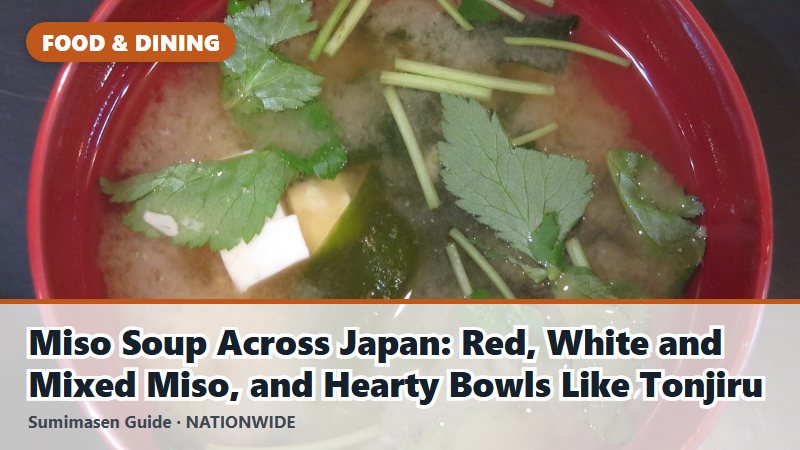
Japanese cooking is built on dashi, a broth that JNTO describes as made from ingredients such as bonito, kelp or boiled dried fish. Bonito here means katsuobushi, dried and smoked fish shaved into flakes. Because dashi goes into soups, simmering liquids and sauces, fish can be in a dish that looks completely vegetable-based. For example, a standard miso soup is not vegetarian.
JNTO's vegetarian guide notes that "vegetarian" is often understood in a broader sense in Japan, so it advises being specific about what you cannot eat, and making clear that no meat also includes chicken, pork and fish. The Japan Tourism Agency's 2024 guide for restaurants says the same from the other side: bonito dashi should not be used for vegetarian or vegan guests even when no fish is used as an ingredient, and kelp or other plant-based dashi should be used instead.
Other hidden ingredients to ask about
Dashi is the big one, but the official guides point to a few more things that can surprise you:
- Bonito flakes as a topping. JNTO warns about hidden ingredients such as meat or bonito flakes, even when you can't see meat or fish on the plate.
- Animal fat and extracts. The Japan Tourism Agency guide lists lard, beef fat and animal bouillon or extract as animal ingredients found in curry roux, and says dishes cooked with animal fats such as lard are not suitable for vegetarians.
- Eggs and dairy. Many vegetarians eat them and vegans don't. In the guide's standard tempura bowl recipe, the batter contains egg, and JNTO notes okonomiyaki is vegetarian but not vegan because of the egg.
- Honey and gelatin are also avoided by vegans, the guide says, and some vegans ask about white sugar, because animal bone can be used when sugar is processed.
- Five pungent vegetables. Some Buddhist vegetarians, common in Taiwan according to the Japan Tourism Agency's 2020 guide, also avoid garlic, Chinese chives, rakkyo (a small onion), green onion and asatsuki chives.
When you read packaged food labels, look for かつお (bonito), 煮干し (dried sardines), 魚介 (seafood), エキス (extract), 豚 (pork), 牛 (beef), 鶏 (chicken) and ゼラチン (gelatin). If you also have a food allergy, our food allergy guide explains Japan's labels and a free communication sheet.
Useful phrases in Japanese
Short, specific sentences work best. Say them, or point to them on your phone:
- I am vegetarian. 私はベジタリアンです。 Watashi wa bejitarian desu.
- I am vegan. 私はヴィーガンです。 Watashi wa vīgan desu.
- I can't eat meat or fish. 肉と魚は食べられないです。 Niku to sakana wa taberarenai desu.
- Does this contain fish stock (dashi)? これに魚のだしは入っていますか。 Kore ni sakana no dashi wa haitte imasu ka?
- Kombu or shiitake dashi is fine. 昆布やしいたけのだしは大丈夫です。 Konbu ya shiitake no dashi wa daijōbu desu.
- I also can't eat eggs or dairy. 卵と乳製品も食べられないです。 Tamago to nyūseihin mo taberarenai desu.
- Without meat and fish, please. 肉と魚なしでお願いします。 Niku to sakana nashi de onegai shimasu.
JNTO also suggests carrying a printed card in Japanese that explains your dietary needs. You can screenshot this one:
Shojin ryori: Buddhist temple cuisine
Shojin ryori (精進料理) is the vegetarian cuisine of Japanese Buddhist temples. JNTO's vegetarian guide describes it as traditionally vegan, served mainly at temples and temple lodgings (shukubo), and without pungent flavors such as garlic and onion. It also notes that some monks today may use dairy, so check ahead.
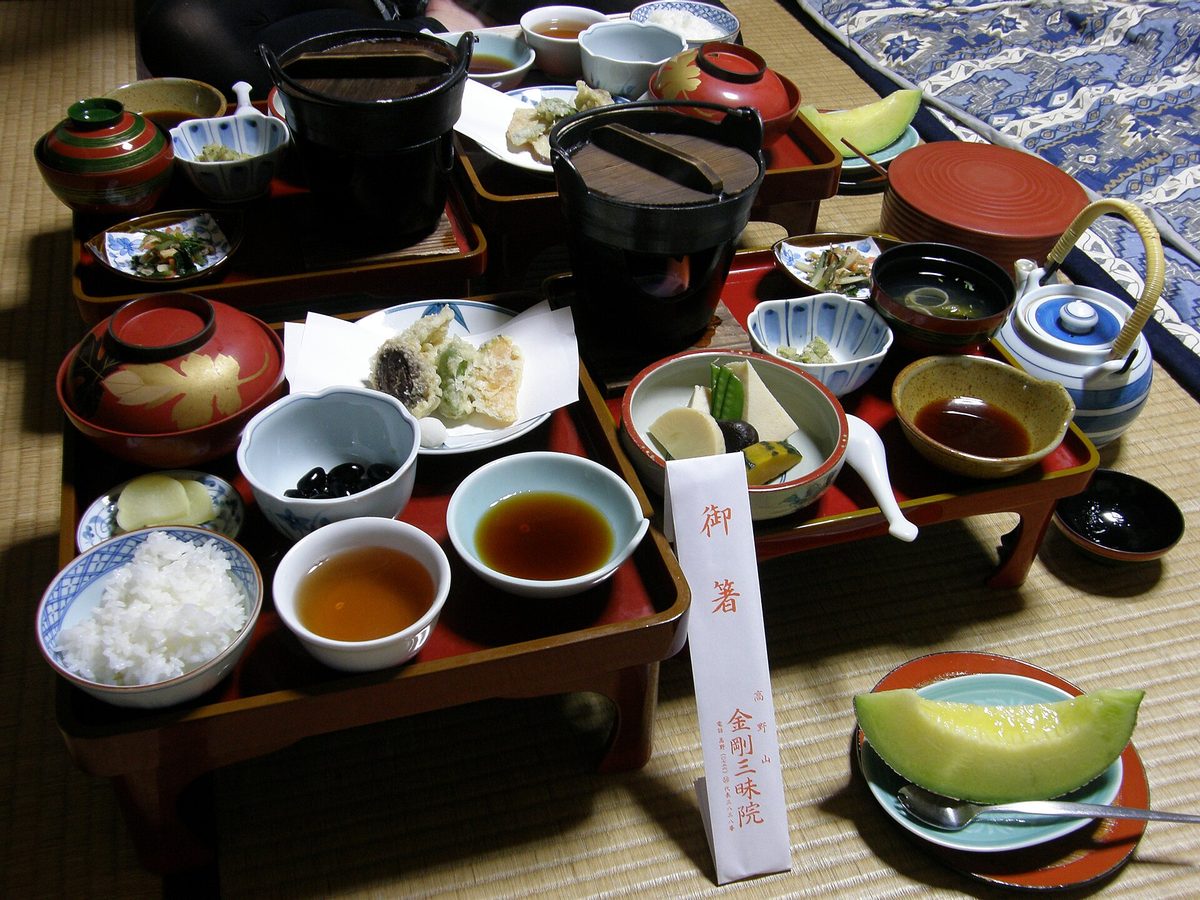
The best-known place to try it is Koyasan (Wakayama), the mountain center of Shingon Buddhism. According to JNTO's Koyasan page:
- Shojin ryori is popular at Koyasan's shukubo, and each meal is free of meat, fish, green onion, garlic and other stimulants. Vegan-friendly shojin ryori is also available.
- There are 51 lodges offering shukubo stays, and guests can join the monks' morning prayers.
- Koyasan is most easily reached from Namba Station in Osaka on the Nankai Koya Line, changing to the cable car at Gokurakubashi Station.
You don't have to stay overnight: the More Koyasan site says you can try shojin ryori at lunch or dinner whether or not you stay at a temple lodging. To book a temple lodging, the Koyasan Shukubo Association site has instant online booking for some temples and booking requests for others. When you book, write that you are vegetarian or vegan, and ask about dashi and dairy. For more temple experiences, see our guide to zazen meditation, which also covers temple stays and sutra copying at Koyasan.
Prefer a guided day out? The Wakayama & Mount Koyasan Day Trip with Shojin Ryori on Klook (affiliate link), marked "Klook's choice", departs from Kobe (Hyogo), Osaka and other cities, runs from 08:00 to 19:00 with hotel pick-up, and has free cancellation with 24 hours' notice (checked October 19, 2026). Tell them your diet when you book, and check the guide language on the booking page.
How to find vegetarian and vegan restaurants
- Map apps. The Japan Tourism Agency guide calls map apps the most common tool and gives the example of typing "Tokyo vegetarian restaurants" into Google Maps to see places nearby. Searching in Japanese, such as ヴィーガン (vegan), ベジタリアン (vegetarian) or 精進料理 (shojin ryori), can show more places.
- Vegetarian restaurant sites. JNTO points to portal sites such as HappyCow, Vegewel and Japan VegeMap, plus a Japanese-language guide from the Japan Vegetarian Association.
- Stickers and marks. JNTO notes that many veggie restaurants show a sticker of approval from groups such as the Japan Vegan Society, VegeProject Japan or the Japan Vegetarian Association. Menus may also use a "V" mark or pictures showing whether meat, fish, egg or dairy is used.
- Written policies. The Japan Tourism Agency encourages restaurants to show what they do, for example which ingredients they use, whether they have separate kitchens or utensils, and which menus suit vegetarians or vegans. If you see one, it tells you how strict the kitchen is.
- Ryokan and set meals. JNTO says traditional inns (ryokan) can prepare vegetarian meals if you contact them ahead of time with details of your needs. The same goes for set menus and tours.
- Convenience stores. For a quick bite, JNTO suggests options such as rice balls with umeboshi (pickled plum) or kombu, edamame, packaged beans, simple salads and inarizushi (rice in sweet fried tofu). Check the label for the words above.
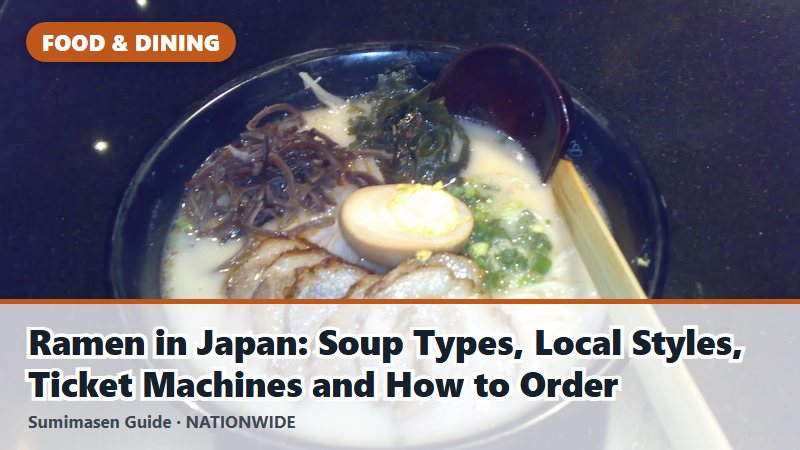
For noodles, our ramen guide explains the main soup types, so you know which ones to ask about.
Shared kitchens: how strict do you need to be?
Vegetarians and vegans differ in how strict they are, and both the restaurant and you will make the meal work best if you are clear about your own line. The Japan Tourism Agency's 2024 guide tells restaurants that separate kitchens and utensils are not required, but utensils should be washed well so meat does not get mixed in. In a 2023 web survey in the same guide, about 4 in 10 vegetarian and vegan respondents said they relax their standards when traveling abroad, while others keep them firmly.
- If shared utensils are fine for you, many ordinary restaurants can adjust a dish when you ask clearly.
- If you need a fully meat-free kitchen, look for fully vegetarian or vegan restaurants, temples serving shojin ryori, or places with a written policy, and ask before you order.
- Either way, ask about dashi. Taking the meat out of a dish doesn't take the fish stock out of the soup or sauce.
Ready to eat well in Japan? Save the card above, plan a meal at a temple, and if you're in Tokyo, book the Shibuya (Tokyo) vegan ramen food tour on Klook (affiliate link) to try ramen with an English-speaking guide in a small group.
Last reviewed: October 19, 2026. Menus, ingredients and services change, so please ask at each restaurant and check the official pages below.
References
- Japan Tourism Agency: Hospitality guide for vegetarian, vegan and Muslim travelers, April 2024 (Japanese, PDF)
- Japan Tourism Agency: Vegetarian and vegan guide for restaurants, 2020 (Japanese, PDF)
- Japan Tourism Agency: Welcoming travelers with diverse food needs (Japanese)
- JNTO: Vegetarian guide
- JNTO: Japanese food etiquette
- JNTO: Ramen guide
- JNTO: Koyasan temple lodgings
- Ministry of Agriculture, Forestry and Fisheries: Kitsune udon
- Koyasan Shukubo Association (official)
- More Koyasan: Shojin ryori at lunch and dinner (Japanese)