Cash-Only Restaurants in Japan: How to Tell Before You Sit Down
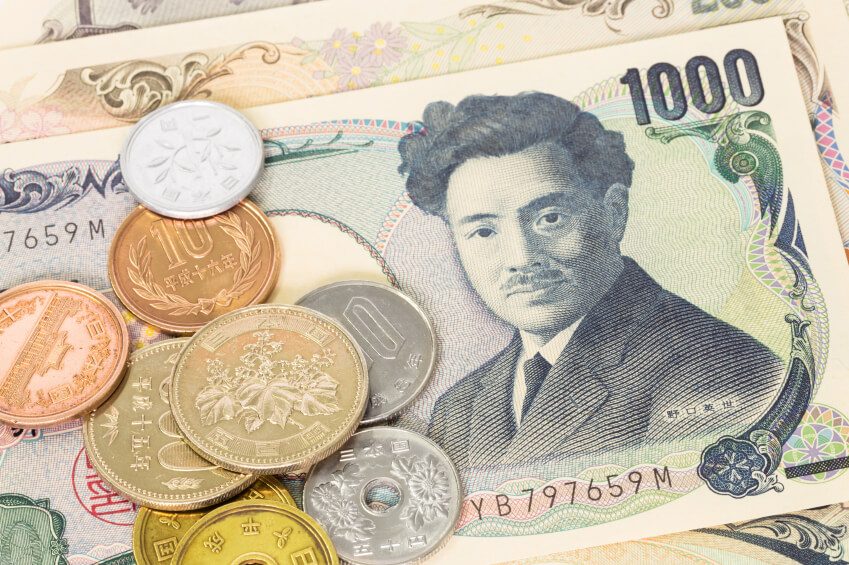
Japan is paying by card and phone more every year, but you'll still find small restaurants, cafes, food stalls and ramen shops that take cash only. The awkward moment usually comes at the end of the meal, card in hand. This guide shows the signs to look for at the door, how ticket machines work, a phrase to ask before you order, and where to get yen if you run short, so you can sit down without worrying.
This page may contain affiliate links. If you buy through them, we may earn a commission at no extra cost to you.
- How common cards are now, and where cash still rules
- Four ways to tell before you sit down
- Phone payments and IC cards: what to know
- Getting cash: ATMs that take overseas cards
Cards are common now, but not everywhere
Japan's Ministry of Economy, Trade and Industry reported on March 31, 2026 that cashless payments made up 58.0% of consumer spending in 2025, and most of that was by credit card. That still leaves plenty of cash. JNTO's guide to cashless payments says there are still many places where cash is required, especially in rural areas, where even some hotels may accept only cash, and its etiquette guide notes that some small shops and cafes are cash-only. The government-run Consumer Hotline for Tourists recommends always carrying some cash.
This applies to everyone: a card that works at your hotel and in department stores may not help at a ten-seat counter around the corner.
Four ways to tell before you sit down
- Look for payment stickers. JNTO says the cards and electronic money a place accepts are shown at the entrance and at the payment counter, and the Tokyo Metropolitan Government's manners handbook says many shops display a list of accepted payment methods at the storefront or by the register. If you see your card brand there, you're probably fine.
- Look for "cash only". In Japanese it's often written 現金のみ (genkin nomi). Some places write "Cash only" in English too.
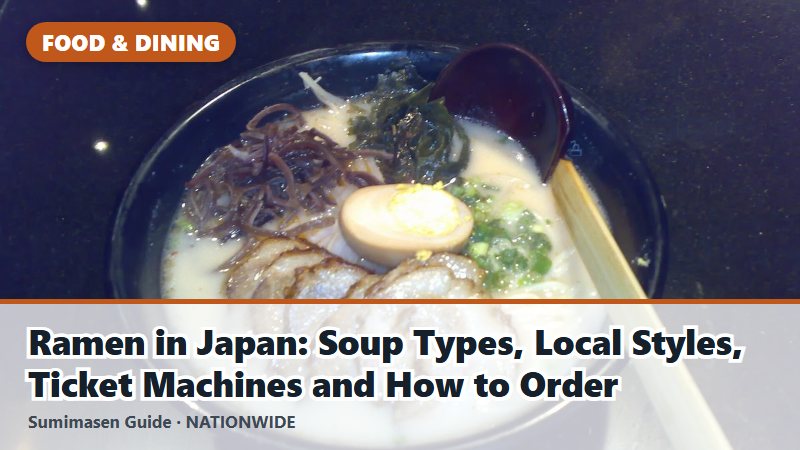
- Look for a ticket machine. At many ramen shops and some other restaurants, you buy a meal ticket from a machine near the entrance and hand it to the staff. The Consumer Hotline for Tourists notes that many ticket machines don't accept credit cards or electronic money, so have cash ready. More in our ramen guide.
- No sign? Ask before you order. JNTO's credit card page points out that some stores don't display the symbols of the cards they accept, so ask. A short phrase works: "Kādo tsukaemasu ka?" (Can I use a card?), or simply show your card and look questioning before you sit.
Phone payments and IC cards
Paying with your phone may not work everywhere. JNTO explains that smartphone payment methods used overseas, such as Apple Pay, Google Pay and Alipay, sometimes cannot be used in Japan, that some payment apps don't work with phones bought outside Japan, and that payment errors can happen, so it recommends being ready to pay in cash. Transport IC cards such as Suica and PASMO can be used at many convenience stores and shops and at an increasing number of restaurants. One catch: JNTO notes that topping up an IC card at a station machine is cash only.
Getting cash
JNTO's currency page lists two networks that work with cards issued overseas: Seven Bank ATMs, mainly inside 7-Eleven convenience stores, with screens and voice guidance in 12 languages including English, Korean and Chinese; and Japan Post Bank ATMs, found mostly in post offices and also at some stations and supermarkets. JNTO also notes that ATMs often charge for withdrawals, that the charge can depend on the time, and that not all ATMs are open 24 hours. Japan Post Bank adds that the bank that issued your card may charge its own fee as well, so check before you travel.
If you're heading somewhere rural, JNTO suggests checking with your accommodation and the places you plan to visit before you go, and bringing some cash.
Quick checklist
- Carry some cash every day, including coins.
- At the door, look for payment stickers, 現金のみ (cash only) or a ticket machine.
- No sign? Ask "Kādo tsukaemasu ka?" before you order.
- Running low? Use a Seven Bank or Japan Post Bank ATM.
- Going rural? Ask ahead and bring more cash.
More on eating out: ramen and ticket machines, tipping in Japan and otoshi at an izakaya.
Last reviewed: October 4, 2026. Payment methods differ from shop to shop; please check at the door or ask.
References
- Ministry of Economy, Trade and Industry: 2025 cashless payment ratio (March 31, 2026)
- JNTO: Cashless Payments in Japan
- JNTO: Credit Cards in Japan
- JNTO: Currency exchange and ATMs
- JNTO: Japanese Customs and Etiquette
- Japan Post Bank: International ATM Service
- Consumer Hotline for Tourists: Always have some cash with you
- Consumer Hotline for Tourists: Buy a meal ticket first at ramen restaurants
- Tokyo Metropolitan Government: Manners & Customs Handbook for visitors (PDF)