Lunch Sets in Japan: How to Eat at a Pricier Restaurant for Less
Quick answer
- Many restaurants in Japan serve lunch sets that cost far less than their evening menus, so lunch is the easiest time to try a pricier place.
- Lunch usually runs from about 11 a.m. until 2 or 3 p.m., and some restaurants serve it on weekdays only.
- Look for 大盛り無料 (free large rice) or おかわり自由 (free refills) on the menu, and add the set drink instead of ordering one separately.
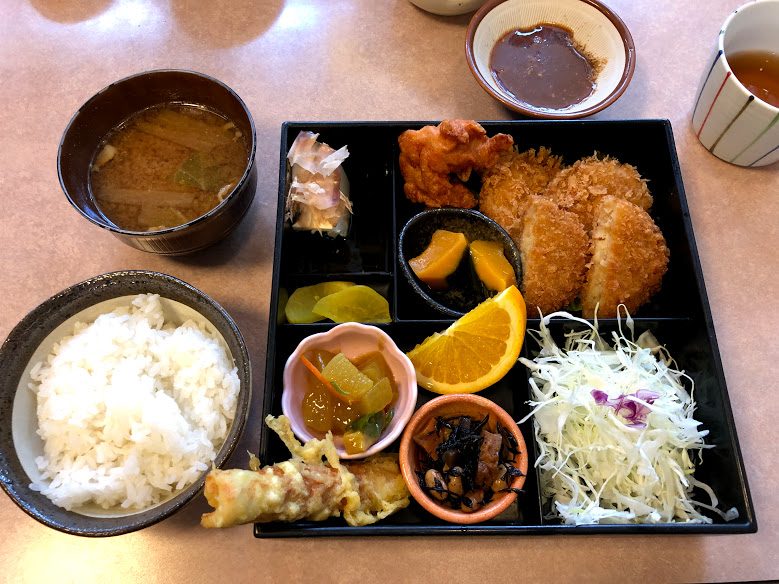
Many restaurants in Japan serve lunch sets that cost far less than their evening menus, so going at lunchtime is the easiest way to try a place you thought was out of budget. Lunch usually runs from about 11 a.m. until 2 or 3 p.m., and some restaurants serve it on weekdays only, so plan the meal around those hours.
Here are 5 simple tricks, with real examples from restaurants' own menus. Prices, hours and what comes with a set differ from shop to shop, so always check the menu at the door.
- Try a pricier restaurant at lunch, not at dinner
- Go on a weekday, before the lunch hours end
- Look for free large rice or free refills
- Add the set drink instead of a separate drink
- At a ticket machine, choose and pay before you sit
1. Try the pricier restaurant at lunch
A lunch set lets you eat at a well-known restaurant for a fraction of its course prices. For example, the official English page of Jojoen, a yakiniku (Japanese grilled beef) chain, lists its Roppongi Honten restaurant in Tokyo with yakiniku kaiseki courses from ¥15,000, while its lunch sets, served from 11:30 a.m. to 3 p.m., start at ¥3,200 (prices include tax). The same page notes that a separate service charge is added to orders from the à la carte, course and drink menus.
The lunch set is not the same meal as the full course: it is smaller and has fewer choices. But it lets you taste the restaurant's beef, rice and side dishes in the same dining room, for much less.
2. Go on a weekday, before lunch ends
Lunch menus end at a set time, and at some restaurants they are for weekdays only. At the family restaurant chain Saizeriya, the official lunch menu says lunch is served on weekdays from opening until 3 p.m. Hours can also change on weekends: on Jojoen's English page, its Yugentei restaurant in Shinjuku (Tokyo) serves lunch from 11:30 a.m. to 4 p.m. on weekdays, but only until 2:30 p.m. on weekends and public holidays.
So check 2 things on the sign or menu: the days (平日, heijitsu, means weekdays) and the last time you can order. If you are sightseeing on a Saturday, a restaurant with a weekend lunch, or a chain that serves the same menu all day, may be the better choice.
3. Look for free large rice or free refills
Some set meals include a larger serving of rice for free (大盛り無料, omori muryo) or free refills (おかわり自由, okawari jiyu). The set meal chain Yayoiken says rice is free to refill with its set meals and breakfasts, but not with rice bowls or the kids' menu. Its shops have a rice refill machine where you can choose a small amount, such as one bite; the choices differ by shop. Water and roasted green tea (hojicha) are self-service there.
These offers can change. In a press release dated October 6, 2026, the restaurant company Teng Allied said it would bring back free large rice with set meals at its Tengu Dai Hall and Minatoya Isokichi Shokudo restaurants, 72 in all, from October 7, 2026, after pausing it when rice prices rose. And it is not free everywhere: on Saizeriya's lunch menu, a large serving of rice costs ¥50 more.
To ask for more rice, say gohan okawari onegaishimasu (ご飯おかわりお願いします, "more rice, please"). To order a large serving, add omori de (大盛りで, "large, please") when you order.
4. Add the set drink
Many lunch menus offer a drink you can add to the set (セットドリンク, setto dorinku) at a lower price. On Saizeriya's lunch menu, a spaghetti lunch comes with a salad for ¥500, a hamburg steak lunch comes with rice for ¥600, and the set drink bar, a self-service counter where you can refill as often as you like, is ¥210 (prices include tax). Its lunch menu also says the lunch soup is free to refill at the soup stand. Menu items can differ by region.
Water or tea is often free at Japanese restaurants, so you don't need to buy a drink at all. For how the drink bar works, see family restaurants in Japan.
5. Ticket machines: choose and pay before you sit
At many set meal, ramen and beef bowl shops, you order at a ticket machine (食券機, shokkenki) near the door: choose the dish, pay, and hand the ticket to the staff. Many machines have a language button, but some take cash only, so keep some yen with you.
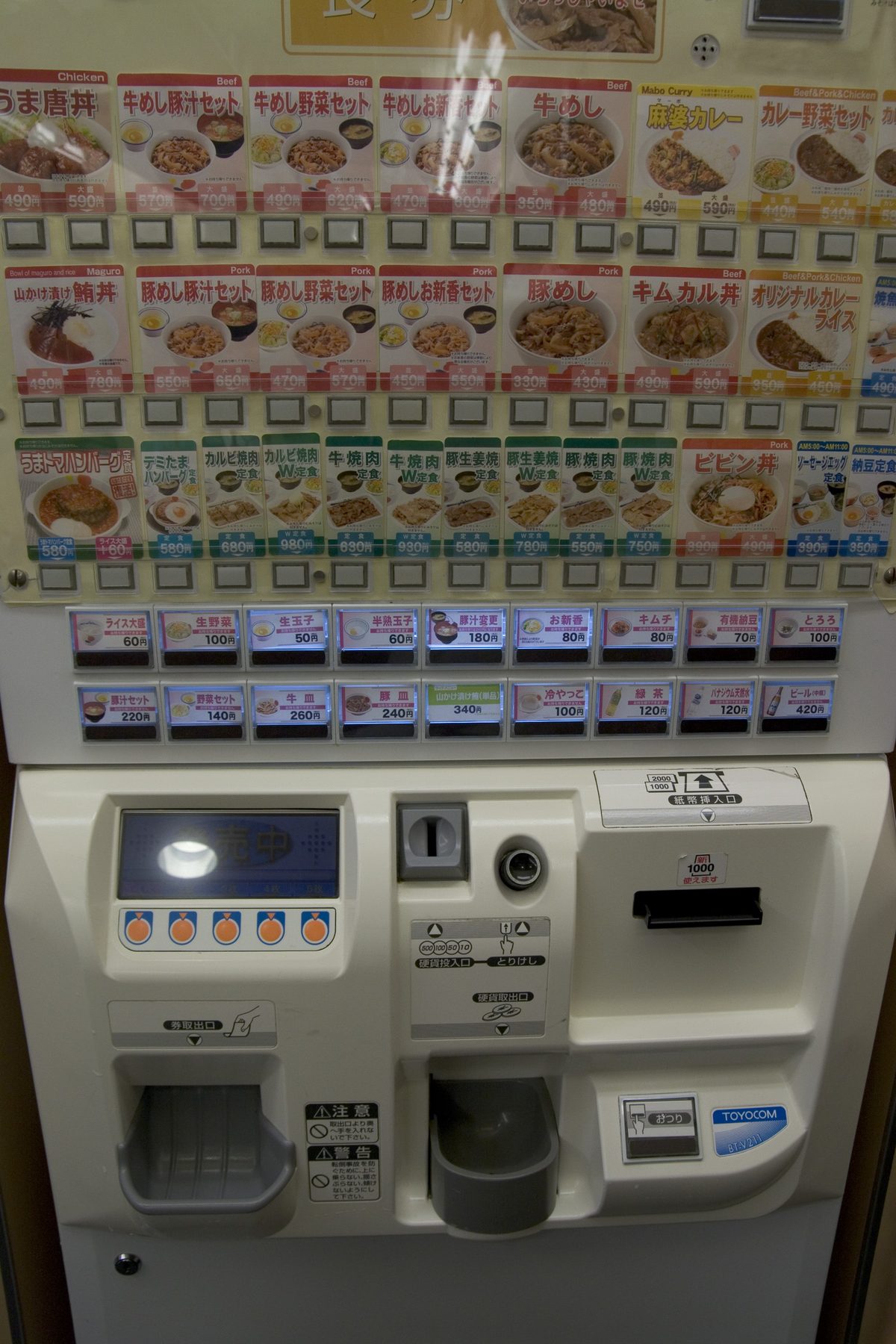
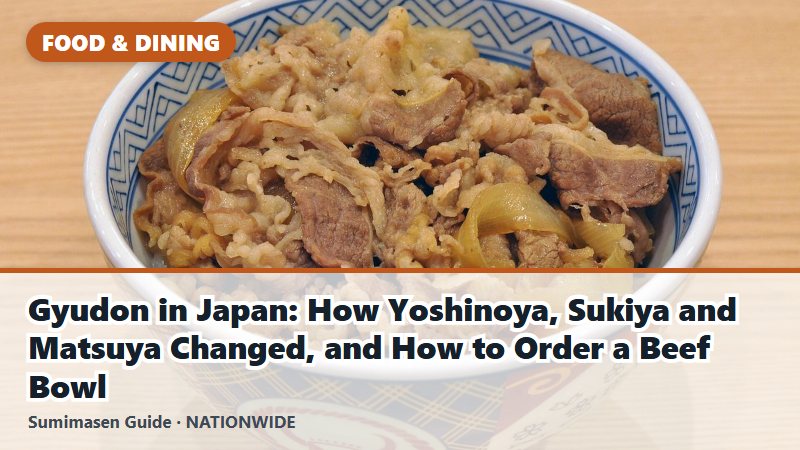
For step-by-step help, see how to order a beef bowl and cash-only restaurants and ticket machines.
What to do as a traveler
- Want to try a famous restaurant? Check whether it has a lunch menu, and go then.
- Sightseeing on a weekend? Check that the restaurant serves lunch on Saturdays, Sundays and public holidays.
- Arriving late? Check the last order time for lunch on the sign or website.
- Hungry? Look for 大盛り無料 or おかわり自由 on the menu.
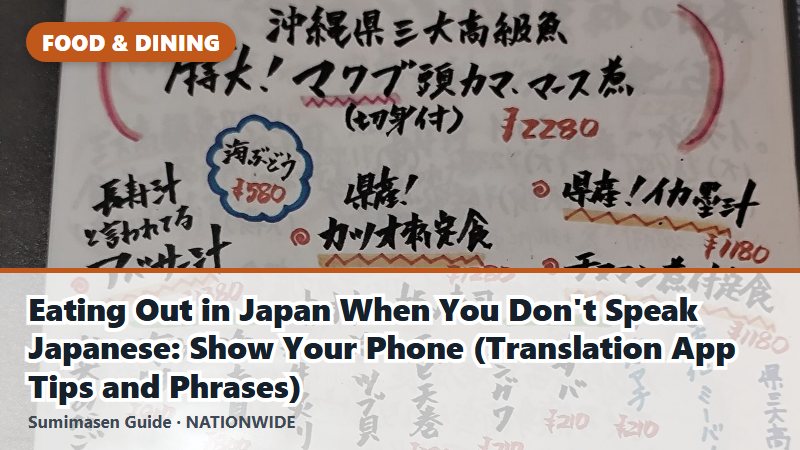
- Can't read the menu? Point your phone's camera at it; see translation app tips for eating out.
Paying at the end is simple: there is no tipping in Japan, so just pay the bill (see tipping in Japan). If you have a food allergy, read our food allergy guide before you go.
Last reviewed: November 2, 2026. Lunch hours, prices and free offers change and differ by restaurant; check the menu or the restaurant's own page.