Why Is My Sushi Rice Brown? Red Vinegar, Half Rice and Sushi Course Basics in Japan
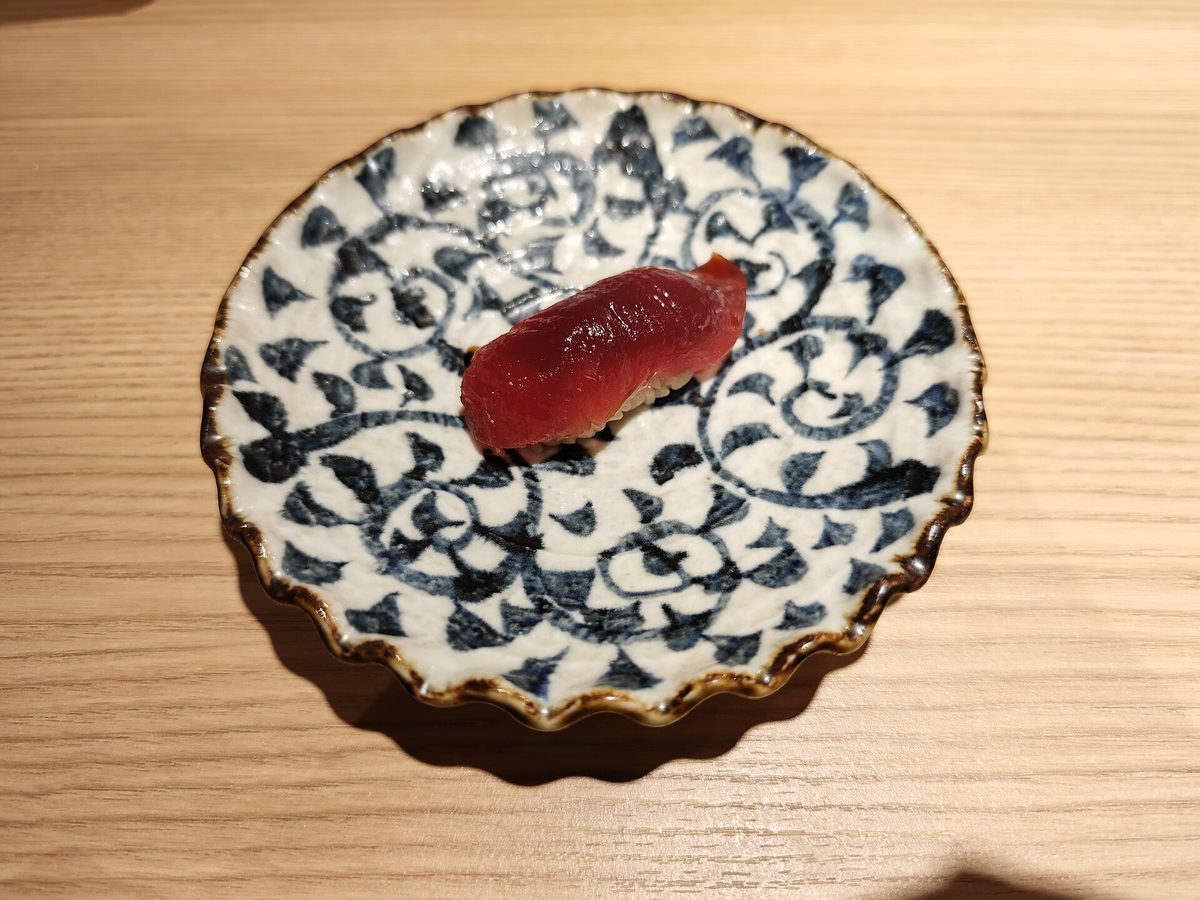
Most sushi shops in Japan serve white rice, seasoned with white rice vinegar. But at some counters you may notice something unexpected: the rice under your fish is light brown. Nothing is wrong. Those shops season their rice with red vinegar (akazu), a vinegar with a long history in Edo-style sushi. This column explains where red vinegar comes from, how to ask for less rice (shari half) so you can enjoy a whole course with drinks, and a few simple basics for your first sushi course.
This page may contain affiliate links. If you buy through them, we may earn a commission at no extra cost to you.
- Brown rice at a sushi bar usually means red vinegar made from sake lees
- Most shops use white rice; some use red vinegar. Each shop chooses, and neither is "better"
- Shari half: how and when to ask for less rice
- Course basics: allergies, silver-skinned fish, and why there's usually no salmon
Why is the rice brown? It's red vinegar
Sushi rice (shari) is seasoned with vinegar. Most shops use white rice vinegar (komezu), which keeps the rice white. Some use red vinegar, made from sake lees (sake kasu, the solids left over from brewing sake) that are aged before the vinegar is made. Sushi University, an English site about Edo-style sushi, explains that red vinegar gives the rice a reddish color, and describes it as milder than ordinary rice vinegar, with a strong umami taste. The vinegar maker Mizkan describes its own red vinegar as amber-colored, with a rich, mellow taste.
Where red vinegar comes from: Handa (Aichi) and Edo sushi
According to Mizkan's history of sushi, in 1804 Nakano Matazaemon, a sake brewer from Handa (Aichi) and the founder of today's Mizkan, traveled to Edo (today's Tokyo (Tokyo)) and found hayazushi, the quick sushi that was popular in the city. The vinegar used for it then was rice vinegar. He thought that vinegar made from sake lees would make sushi tastier and easier to afford, and he made one from aged sake lees. Mizkan writes that famous nigiri sushi shops in Edo came to use it because its flavor and umami suited sushi rice, and that the vinegar was carried by ship from the port of Handa (Aichi) to Edo. Its top grade was later named Yamabuki, a name the company still uses for its red vinegar today.
Japan's national tourism organization JNTO tells the same story and adds that this vinegar was cheaper and more flavorful than rice vinegar. You can learn about it at the Mizkan Museum (MIM) in Handa (Aichi), which JNTO says is about 30 minutes by train from Nagoya Station.
Red or white: neither is better
Today, white rice vinegar is the one you'll meet most often. Sushi University notes that rice vinegar is now used almost everywhere, but that more and more shops have rediscovered the full-bodied, mild taste of red vinegar. An article in Marukome's magazine about the museum says the same: Mizkan's main vinegars are now rice and grain vinegars, but it still makes sake-lees vinegar, which some sushi restaurants prefer. Many shops also blend vinegars or choose them to suit their fish. So white rice and brown rice are both normal: each one is a choice made by the chef.
Shari half: asking for less rice
A sushi course (omakase, "leaving it to the chef") brings many pieces of nigiri one after another, often after small dishes, and many people drink sake or beer along the way. If you'd like to enjoy every piece to the end, you can ask for less rice. Japanese people often call this shari half (half rice) or shari sukuname (a little less rice).
Many restaurants accept this request. A CanCam article supervised by the owner of a long-running sushi restaurant in Tokyo (Tokyo) suggests telling the shop at the start that you're not used to sushi courses and asking for less rice in your nigiri. A guide published by the broadcaster RKB says asking for less rice is no problem at all, and that chefs often make the rice smaller for some guests even without being asked. Tokyo Sushi Academy, a school for sushi chefs, also says to ask for smaller rice if the rice seems large.
Timing matters a little. The food writer Mackey Makimoto, writing in Tabelog Magazine, points out that chefs balance the rice with each topping, and suggests asking for smaller (or larger) pieces once you've tasted the first one, for example when the chef asks if the size is right. A simple way to do it: mention it when you book or when the course starts, keep it polite, and if a chef prefers to serve their usual size, enjoy it as it comes.
How to ask in Japanese:
- シャリを少なめにできますか? (Shari o sukuname ni dekimasu ka?) "Could you make the rice a little smaller?"
- シャリハーフでお願いします。 (Shari hāfu de onegai shimasu.) "Half rice, please."
Course basics for your first visit
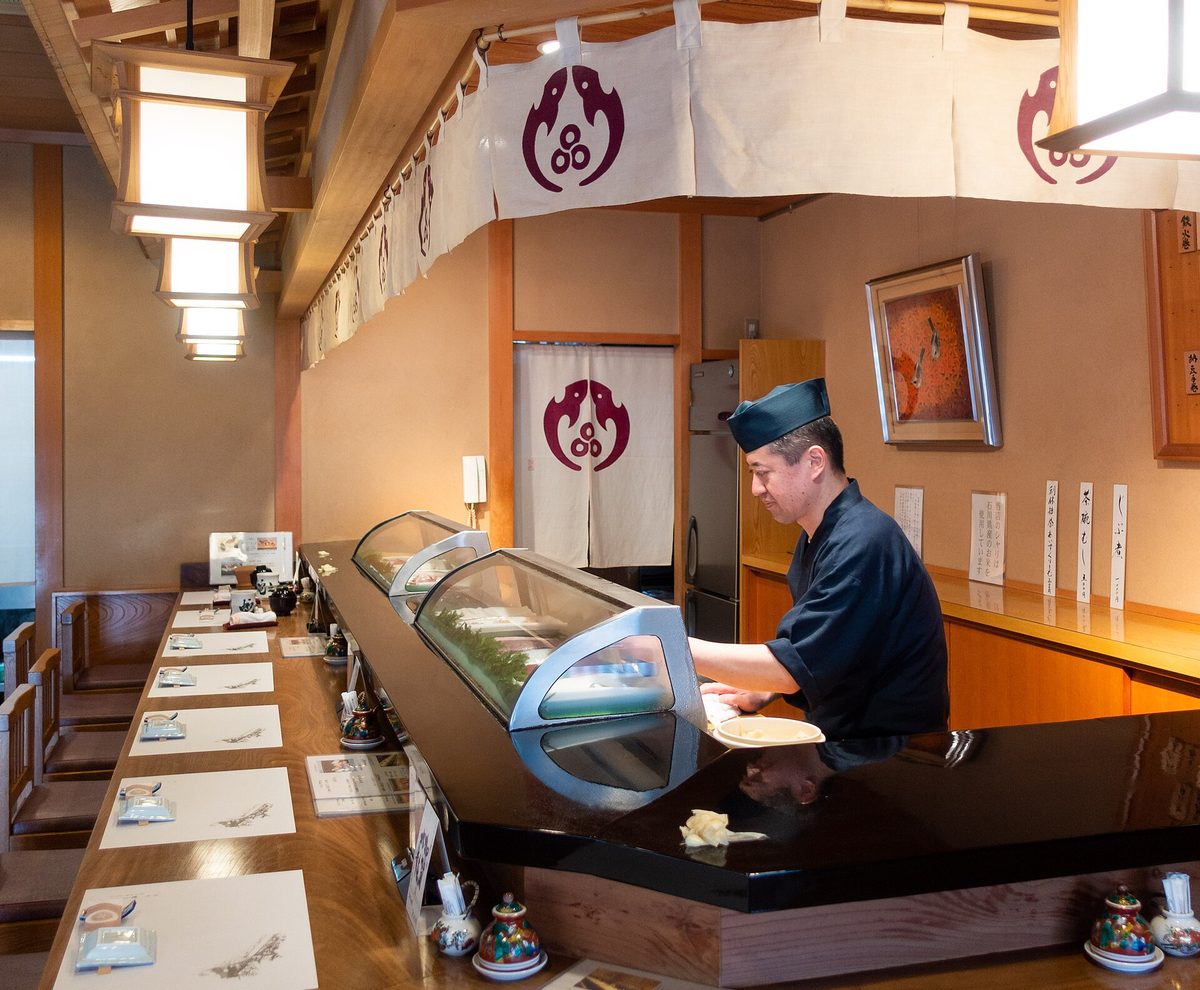
- Tell allergies and dislikes when you book. The CanCam article advises telling the shop at booking about things you can't eat, such as silver-skinned fish or shellfish. Many shops ask about this at the start, too. See food allergies in Japan for how to explain an allergy.
- Eat each piece soon after it's served. Tokyo Sushi Academy says sushi tastes best right after it's made and should be eaten before it dries, so take your photo quickly or skip it. The RKB guide calls eating it as soon as it comes "an iron rule".
- You often don't need the soy sauce. In a course, the chef usually seasons each piece before serving it, for example by brushing on nikiri (a soy sauce simmered with sake and mirin). Sukiyabashi Jiro's guide for guests says that because nikiri has already been brushed on, there is no need to dip the sushi in a saucer of soy sauce. So try each piece as it comes and enjoy the pairing the chef planned, the fish, the rice and the seasoning together.
- Fingers or chopsticks are both fine. In the CanCam article, the restaurant owner says you can pick up nigiri and rolls placed on the counter with your hand and eat them normally.
- Keep strong scents for another day. Perfume can get in the way of the food; see why sushi counters ask you to skip the scent.
- If you booked, show up or cancel early. Course restaurants prepare fish for each guest; see restaurant reservations and no-shows.
Silver-skinned fish (hikarimono) are a course regular
Expect at least one piece of hikarimono, "shiny things": fish with blue backs and silver skin, such as kohada (gizzard shad), aji (horse mackerel), saba (mackerel) and iwashi (sardine). Sushi University explains that these fish lose freshness quickly, so sushi shops usually cure them with salt and vinegar, and that you can tell a lot about a restaurant from the hikarimono it serves. Its sushi dictionary calls kohada representative of Edo-style sushi craftsmanship: chefs salt it first, then cure it in vinegar. Because they're so central to the style, they very often appear in a course.
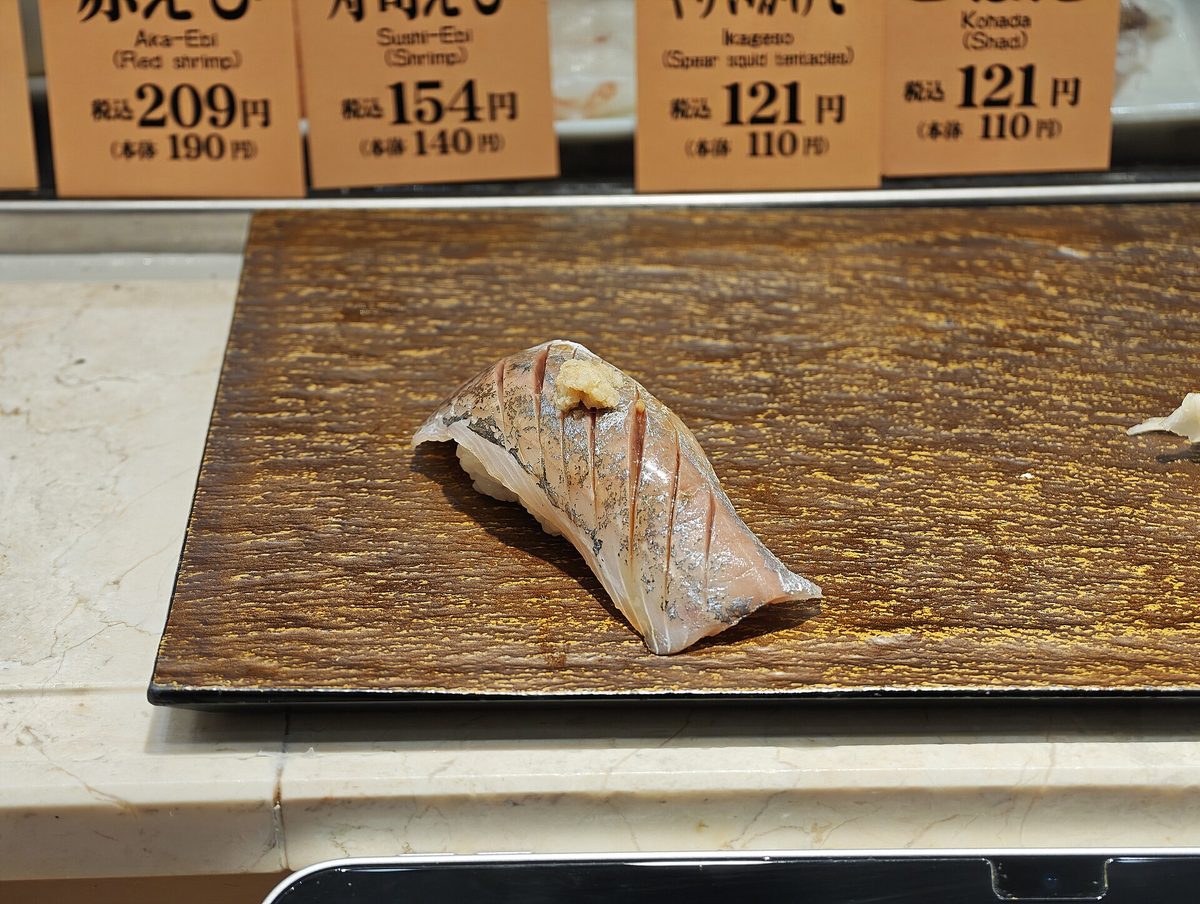
If you have a fish allergy, or if fish like mackerel don't agree with you, say so when you book. Mackerel (saba) is one of the foods Japan's Consumer Affairs Agency recommends labeling as an allergen on packaged food, but a sushi counter has no label, so telling the chef is the way to be safe.
Why there's usually no salmon
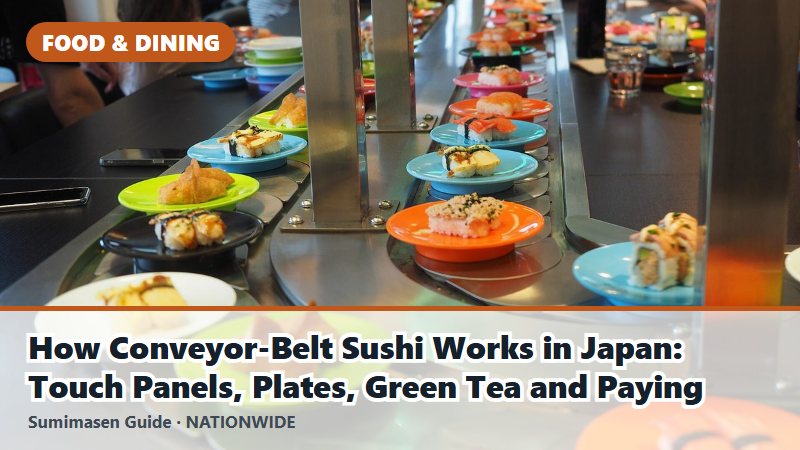
Salmon is the favorite at many conveyor-belt shops, but it's rarely part of a traditional Edo-style course. Raw salmon sushi is fairly new in Japan. The Norwegian Seafood Council dates salmon sushi to a Norwegian delegation that came to Japan in 1985 to promote Norwegian fish, and says it took years of work to overcome worries about parasites. Kura Sushi writes that salmon sushi began to be sold at conveyor-belt shops, which were growing fast, after inexpensive farmed salmon from Norway arrived in the 1980s, and that before then salmon in Japan was a fish you cooked. Some sushi chefs simply don't use it: one sushi restaurant in Tokyo (Tokyo) explains on its site that the owner doesn't serve salmon because he doesn't find it tasty enough for his sushi.
So if a course goes by without salmon, nothing is missing. If salmon is your favorite, a conveyor-belt sushi shop is a great place to enjoy it.
My visit
Half rice is my usual request at sushi courses. When I go to a course-style sushi restaurant, I ask for shari half. Even as a Japanese person, I find half rice just right for a course while I'm drinking, and I can enjoy every piece to the end.
In my experience, a course may include trout (masu), but salmon basically never comes out. The only time I was served salmon in a sushi course was at a sushi restaurant inside a foreign-owned hotel in the Kansai region, where many guests come from overseas. Even then, it was an unusual salmon smoked by the restaurant itself. I was very surprised, and it was exceptionally delicious. The chef also suggested dipping the gari (pickled ginger) in olive oil, and that was delicious too. He told me that Japanese guests are often surprised by ideas like these, but that he is exploring new, forward-looking sushi. That was one chef's creative style, and a traditional Edo-style course usually won't serve it, so please don't expect it everywhere. It's a happy memory for me.
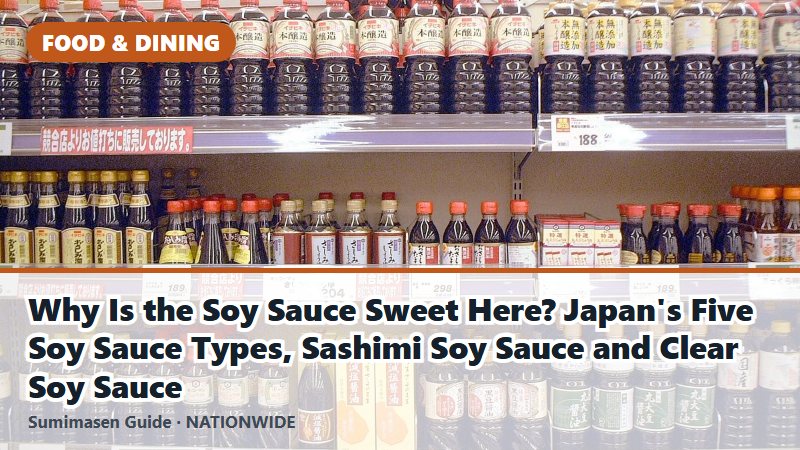
Want to know more about what comes with your sushi? See sashimi and wasabi and Japan's soy sauce types. For eating raw fish safely, see raw food safety in Japan.
Last reviewed: October 4, 2026. Each restaurant has its own style and rules.
References
- Mizkan: The history of sushi (5), Handa's red vinegar and Nakano Matazaemon (Japanese)
- Mizkan: Pure sake-lees vinegar Mitsuban Yamabuki (Japanese)
- JNTO: Handa's sake and vinegar museums
- Marukome magazine: MIM, the Mizkan Museum
- Sushi University: Types of vinegar
- Sushi University: What type of vinegar do sushi restaurants use?
- CanCam: Manners at a sushi counter (Japanese)
- RKB: Tips for beginners at a sushi counter (Japanese)
- Tokyo Sushi Academy: Rules at a sushi restaurant (Japanese)
- Sukiyabashi Jiro: Tips for enjoying sushi
- Tabelog Magazine: Mackey Makimoto on sushi restaurants (Japanese)
- Sushi University: List of silver-skinned fish (hikarimono)
- Sushi University: Sushi visual dictionary, gizzard shad (kohada)
- Consumer Affairs Agency: Allergen labeling handbook (Japanese, PDF)
- Norwegian Seafood Council: 40 years of salmon sushi (Japanese)
- Kura Sushi: Press release on salmon sushi (Japanese)
- Sushitake Uehara: Why we don't serve salmon (Japanese)