Restaurant Reservations in Japan: Booking, Cancelling and No-Shows
Many of Japan's most popular restaurants are booked out days or weeks ahead, while ramen shops and family restaurants simply seat whoever is in line. Knowing which is which, how to book from abroad, and what to do when your plans change will save you a wasted evening, and spare a small restaurant an empty table and food that has to be thrown away. This guide is based on advice from the Japan National Tourism Organization (JNTO), the Consumer Hotline for Tourists and the Ministry of Economy, Trade and Industry (METI).
This page may contain affiliate links. If you buy through them, we may earn a commission at no extra cost to you.
- Which restaurants need a booking, and which just have a line
- How to book when you don't speak Japanese
- What to check before you press "reserve"
- Why cancelling matters so much in Japan, and what a no-show can cost
Which restaurants need a booking?
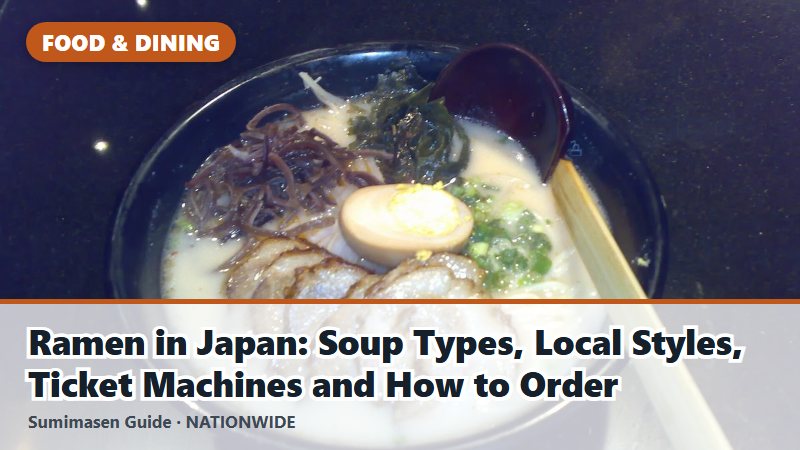
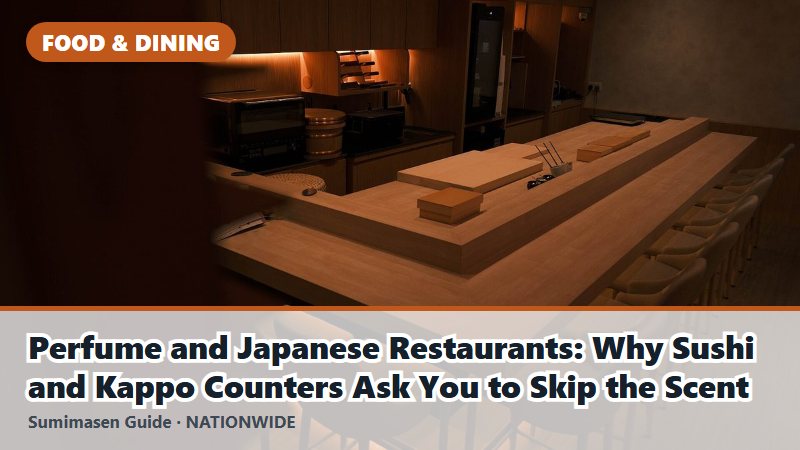
JNTO's guide to reservations says many restaurants need a booking, especially in the downtown areas of the most popular destinations. Casual places such as fast-food chains, family restaurants and ramen shops usually don't take reservations and seat people first come, first served.
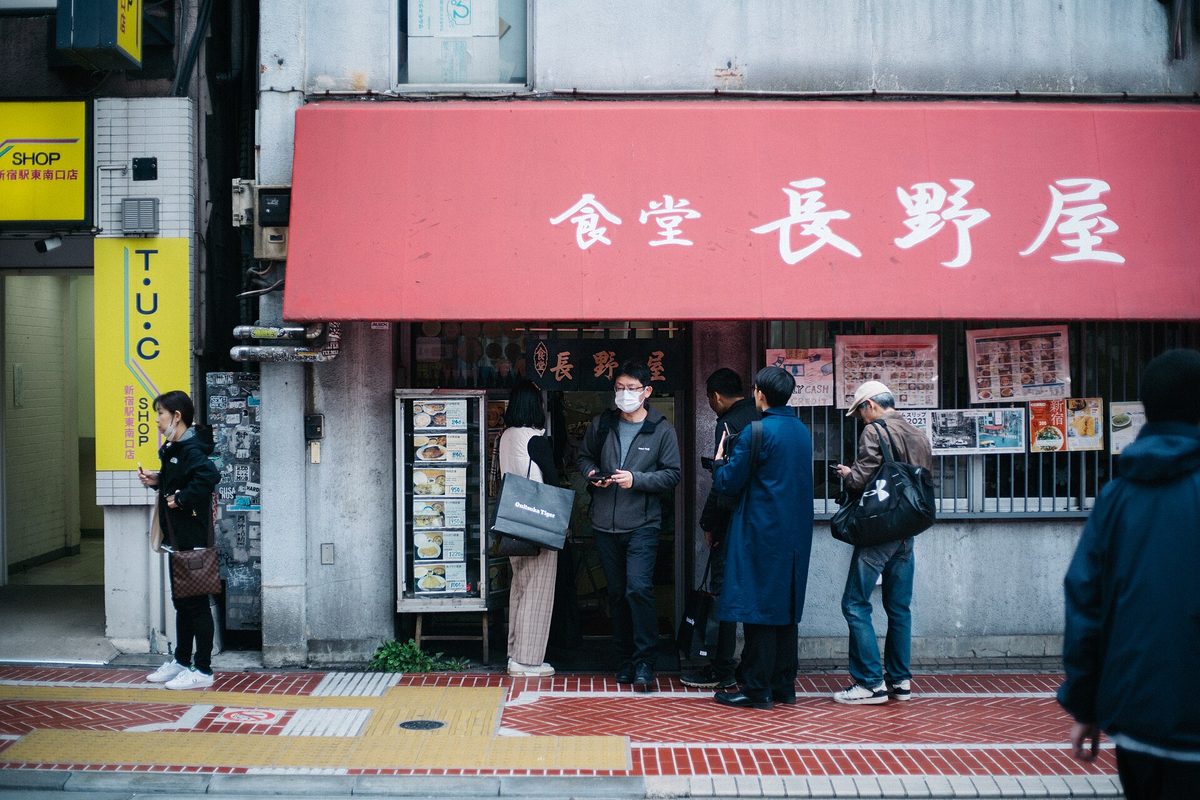
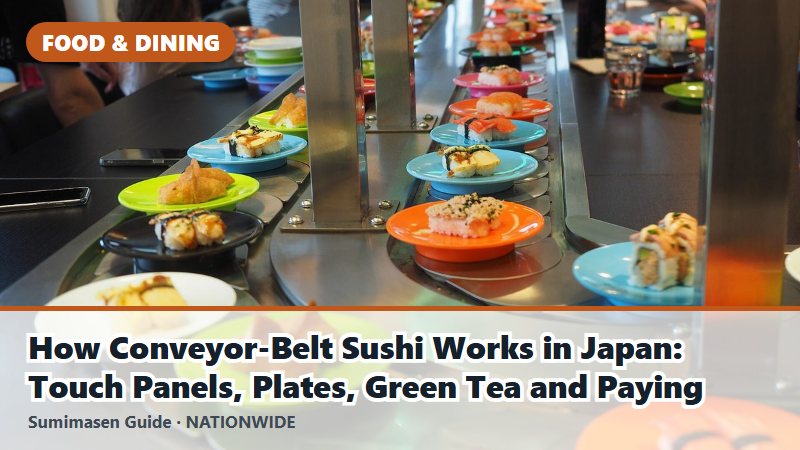
Some restaurants that don't take bookings keep a waiting list near the entrance. Write your name and the number of people in your group (sometimes also whether you'd like the counter or a table), then wait in line or on the chairs until you're called. Many chains use a ticket machine or tablet at the door for the same thing; see family restaurants in Japan and conveyor-belt sushi.
How to book without speaking Japanese
- Online. More and more restaurants take bookings online, and many booking pages have an English version. For a site that's only in Japanese, JNTO suggests using your browser's translation feature.
- Ask your hotel. Some restaurants take bookings by phone only. JNTO says hotel concierges or travel agents may be able to make the call for you and ask your questions.
- Mind the time zone. Booking windows open on Japan Standard Time (JST), so check the time difference when you book from abroad.
JNTO also notes that some places ask for a deposit or a credit card to hold your booking, and that the deposit may be kept, or a fee charged, if you miss the booking or don't cancel with enough notice. Some online services ask you to confirm 24–48 hours before, so keep an eye on your email and text messages. If you have a food allergy, say so when you book; see food allergies in Japan.
Cancel as early as you can
This is the part that surprises many visitors. The Consumer Hotline for Tourists explains that in some countries a restaurant simply cancels a booking when nobody turns up, but in Japan contacting the restaurant to cancel is more than a courtesy. If you don't, many restaurants will keep your table empty for you, thinking you have a good reason for being late. If the restaurant serves only set courses, or has been preparing your food since the day before, you may be charged the full amount.
No-shows are a real problem for Japanese restaurants. According to METI, a 2018 report compiled for the ministry estimated the damage to restaurants at hundreds of billions of yen a year. METI adds that some restaurants now take bookings for set courses only, because table-only bookings are too often missed, so no-shows end up limiting choices for every diner.
When plans change, cancel the same way you booked: through the booking site or app, by email, or by phone. If calling is hard, ask your hotel's front desk to help. A simple phrase is "Yoyaku o kyanseru shitai desu" (I'd like to cancel my reservation). Keep the cancellation email or screen as a record.
Running late?
JNTO points out that at some restaurants, especially those serving set menus, dishes are timed to your booking and sometimes served to all diners at once, so arriving late can affect your meal and other guests. If you're going to be late, contact the restaurant as soon as you know. JNTO also says some restaurants have a table time limit, often around two hours, so check this if you're planning a long dinner.
If you're charged a fee you think is wrong
First, look again at the cancellation policy you agreed to when booking. If you still think a charge is unfair, the Consumer Hotline for Tourists takes calls at 03-5449-0906 (Monday to Friday, 10:00 a.m. to 12:00 p.m. and 1:00 p.m. to 4:00 p.m.; closed on weekends, national holidays and December 29 to January 3) in English, Chinese, Korean, Thai, Vietnamese, French and Japanese. Standard call rates apply.
Last reviewed: October 4, 2026. Booking rules and fees are set by each restaurant and booking service; always check the policy shown when you book.