Japanese Snacks at the Supermarket: Potato Chips, Kappa Ebisen, Regional Flavors and How to Read the Bag
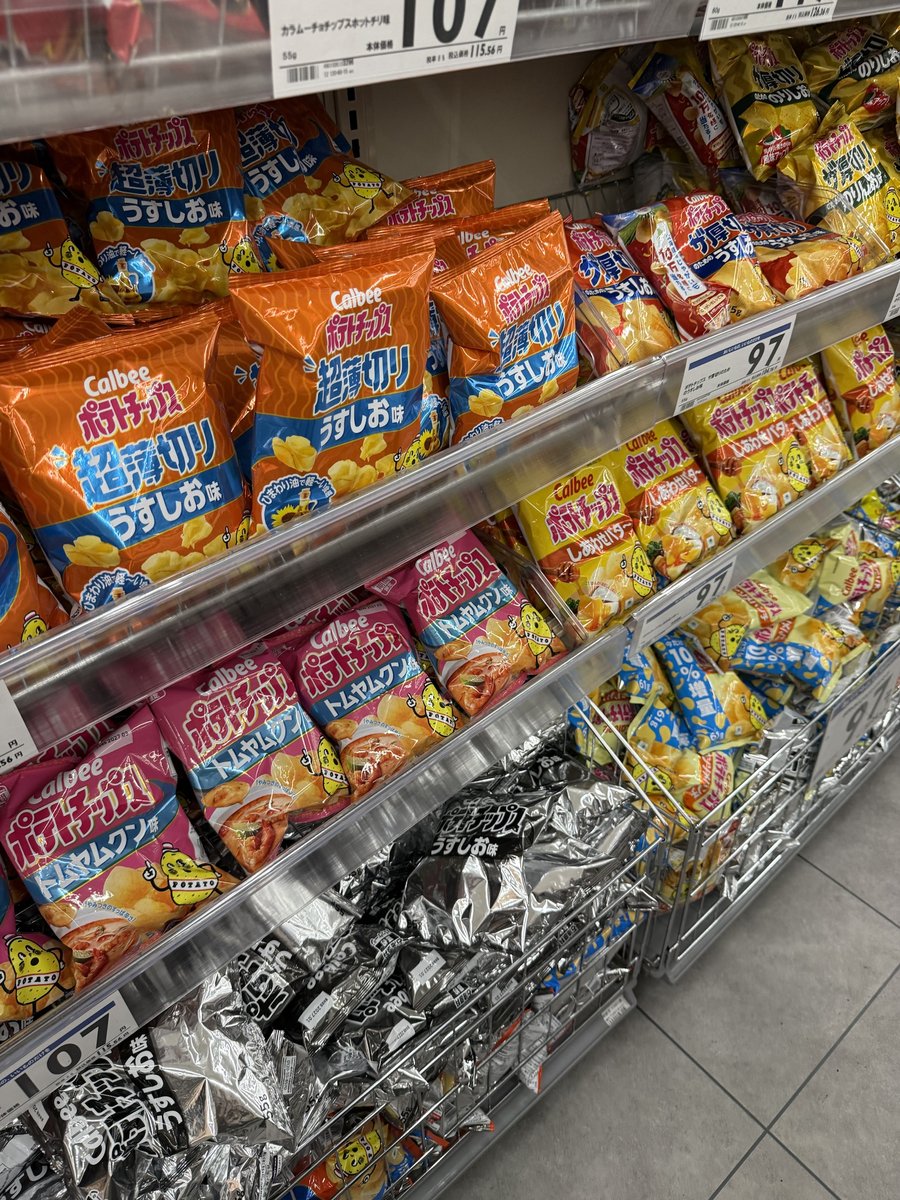
Walk into the snack aisle of a Japanese supermarket and you'll find shelves of potato chips, shrimp crackers and corn snacks in flavors you won't see at home. This guide shows how to explore the aisle: the big names, the hard, crunchy chips, flavors sold only in certain regions, and what to check on the back of the bag if you have an allergy or don't eat meat. Stock changes from store to store and over time, so treat the products here as examples.
- Why there are so many flavors, and how often new ones appear
- Kataage Potato, Kappa Ebisen, Koikeya and corn snacks
- Regional and limited-time flavors worth looking for
- Reading the label for allergies, meat and seafood
- Where to buy, and taking snacks home
Why the snack aisle is worth a look
Japanese snack makers bring out new flavors all the time. Calbee, the company behind many of the bags you'll see, says it launched its potato chips in 1975, has made several thousand flavors since, including regional and limited-time ones, and now sells more than 100 new products a year, according to its press release of September 25, 2025. So the shelf you see this week may look different next month.
The flavor names are usually written in Japanese only. The chart below covers words you'll see often, and a translation app pointed at the bag helps with the rest.
Calbee potato chips: always a new flavor
Calbee's potato chips take up a big part of most snack aisles. Next to the classic lightly salted bags you'll often find ultra-thin and thick-cut chips, sweet and salty butter flavors, and flavors inspired by food from other countries, such as Tom Yum Kung from Thailand. Bags marked 期間限定 (kikan gentei) are limited-time flavors, and 地域限定 (chiiki gentei) means a flavor sold only in certain regions.
If one catches your eye, buy it when you see it. A limited-time flavor may be gone on your next visit.
Kataage Potato: the hard, crunchy one
Look for the bags that say 堅あげポテト (Kataage Potato). On Calbee's Kataage Potato page, the company explains that the chips follow a kettle-style frying method from the United States of the mid-1800s: thick slices of potato are fried batch by batch, slowly, at a low temperature. The result is a hard, crunchy bite and chips with uneven, folded shapes. The page says the chips first went on sale in Hokkaido in 1993 and took about 12 years to reach the whole country.
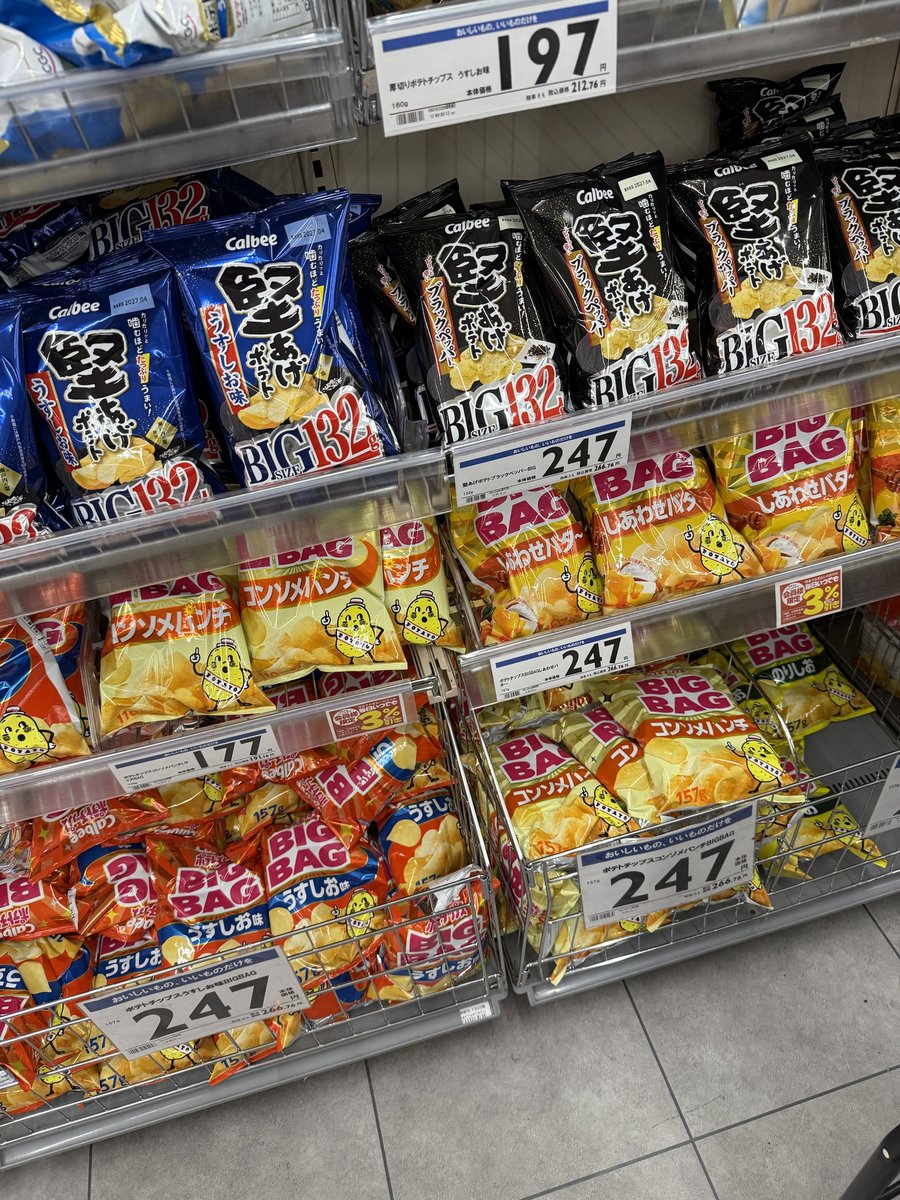
Besides the standard bags, you may see larger "BIG" bags and seasonal flavors next to them.
Regional and limited flavors
Some flavors are sold only in one part of Japan. Calbee's September 2025 release lists, for example, Tokai Ebi Shio (東海えびしお, shrimp and salt) potato chips as a regional flavor sold in the Chubu region: Toyama, Ishikawa, Fukui, Gifu, Aichi, Mie and Shizuoka. The same release lists Kansai Dashi Shoyu (dashi stock and soy sauce) for parts of the Chubu and Kinki regions, and Kyushu Shoyu (Kyushu-style soy sauce) for western Japan. The Tokai Ebi Shio bag in our photo says it uses Japanese spiny lobster (ise-ebi) from Mie.
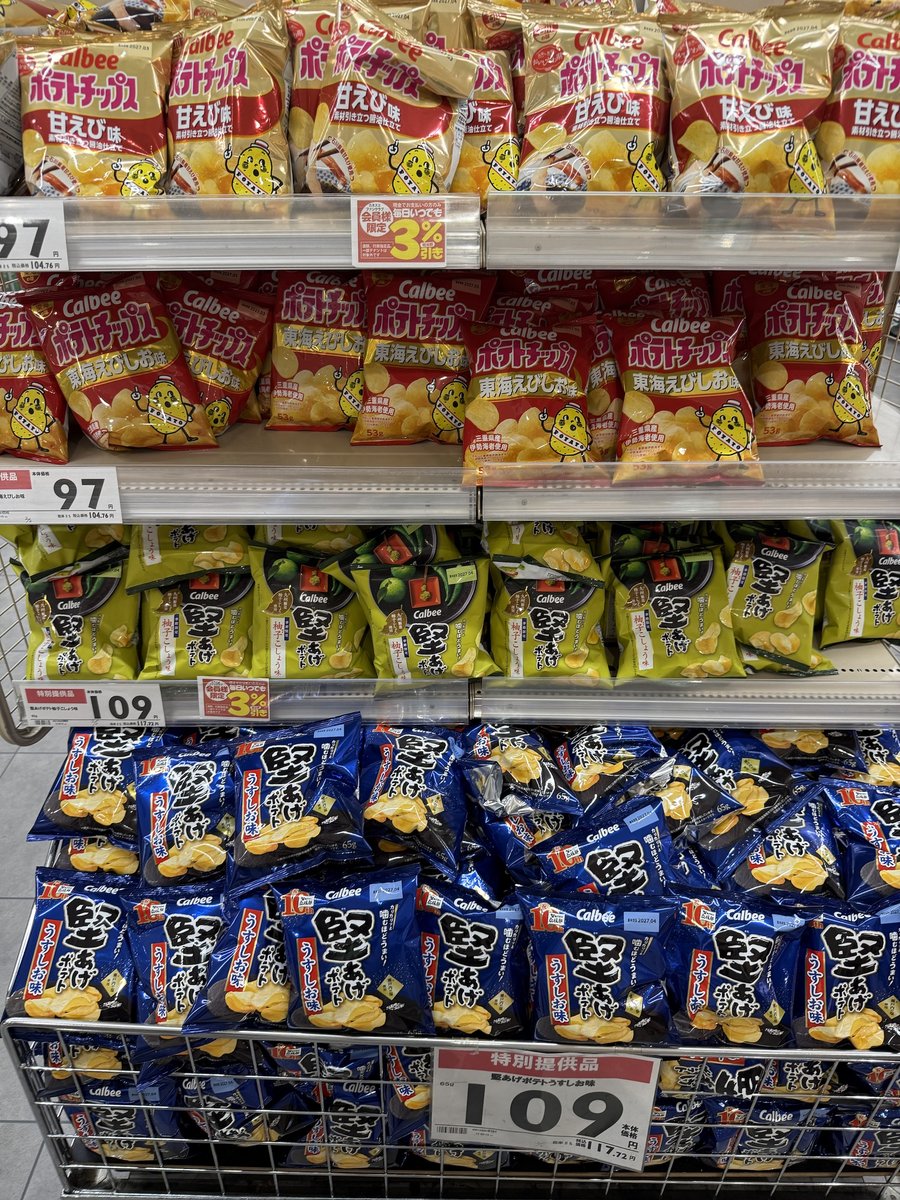
Kappa Ebisen does the same. On its product page, Calbee lists regional flavors such as Hokkaido scallop butter soy sauce, and souvenir versions such as takoyaki, okonomiyaki and mentaiko flavors. When you travel around Japan, the snack aisle in each region is a cheap way to taste something local.
Kappa Ebisen: shrimp crackers since 1964
The red bag of かっぱえびせん (Kappa Ebisen) is one of Japan's best-known snacks. On the Kappa Ebisen page, Calbee says it was born in 1964, the year of the Tokyo Olympics, as a snack made by kneading raw shrimp into wheat dough. The shrimp go in whole, from head to tail with the shell, and the snack is roasted for its light, crispy texture. Its catchphrase, やめられない、とまらない ("once you start, you can't stop"), has been printed on the bag since 1999, according to the package history.
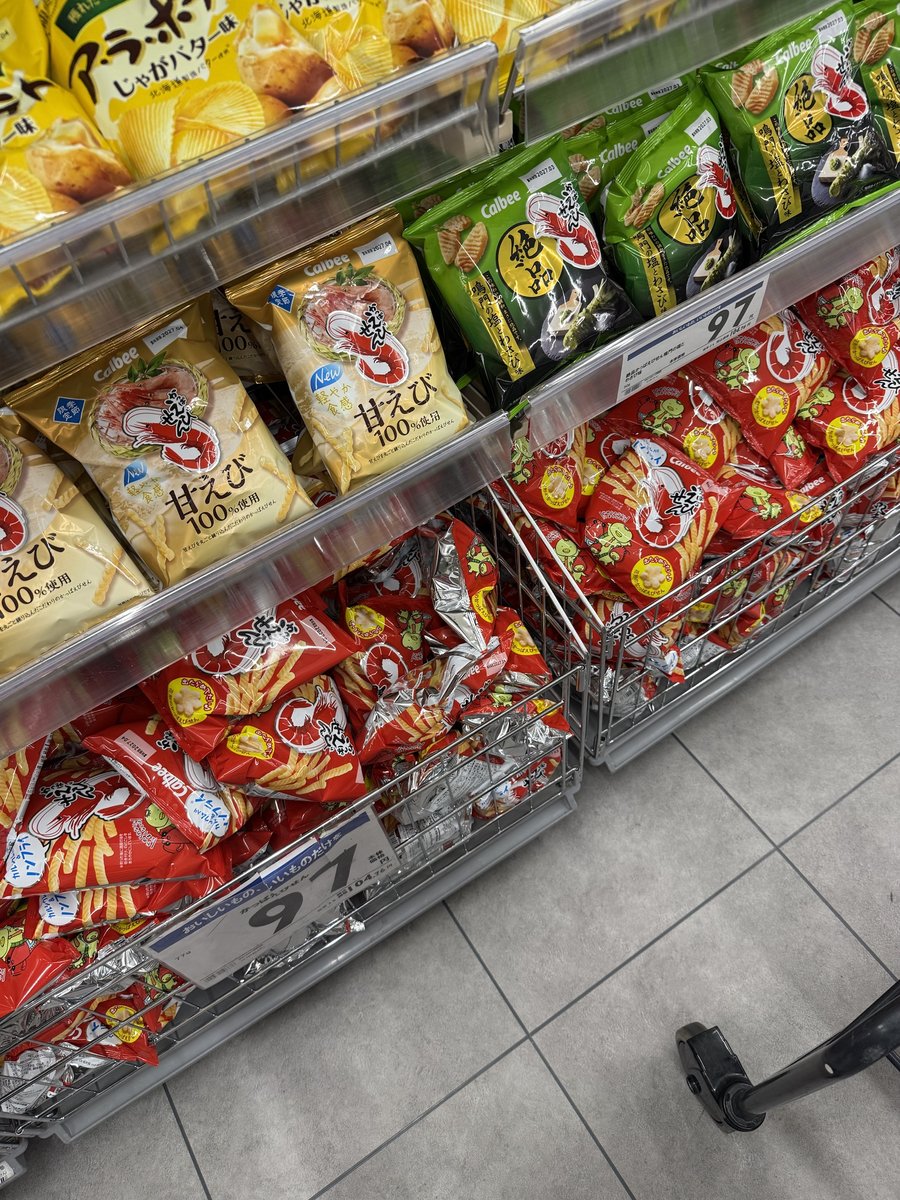
New versions keep coming. Calbee announced Kappa Ebisen Amaebi (sweet shrimp) on June 29, 2026, and listed it as a limited-time item. The Zeppin Kappa Ebisen line, with flavors such as Naruto salt and wasabi, is made to go with drinks, according to its page. Because Kappa Ebisen contains shrimp and wheat, skip it if you're allergic to either.
Koikeya: nori salt and Pride Potato
Koikeya is the other big potato chip name. On its potato chip page, Koikeya says its potato chips were born in 1962 and that it invented the nori salt (のり塩, nori shio) flavor, seasoned with green seaweed. Its じゃがいもと塩 (Jagaimo to Shio, potato and salt) is a simple salted flavor made with Japanese potatoes.
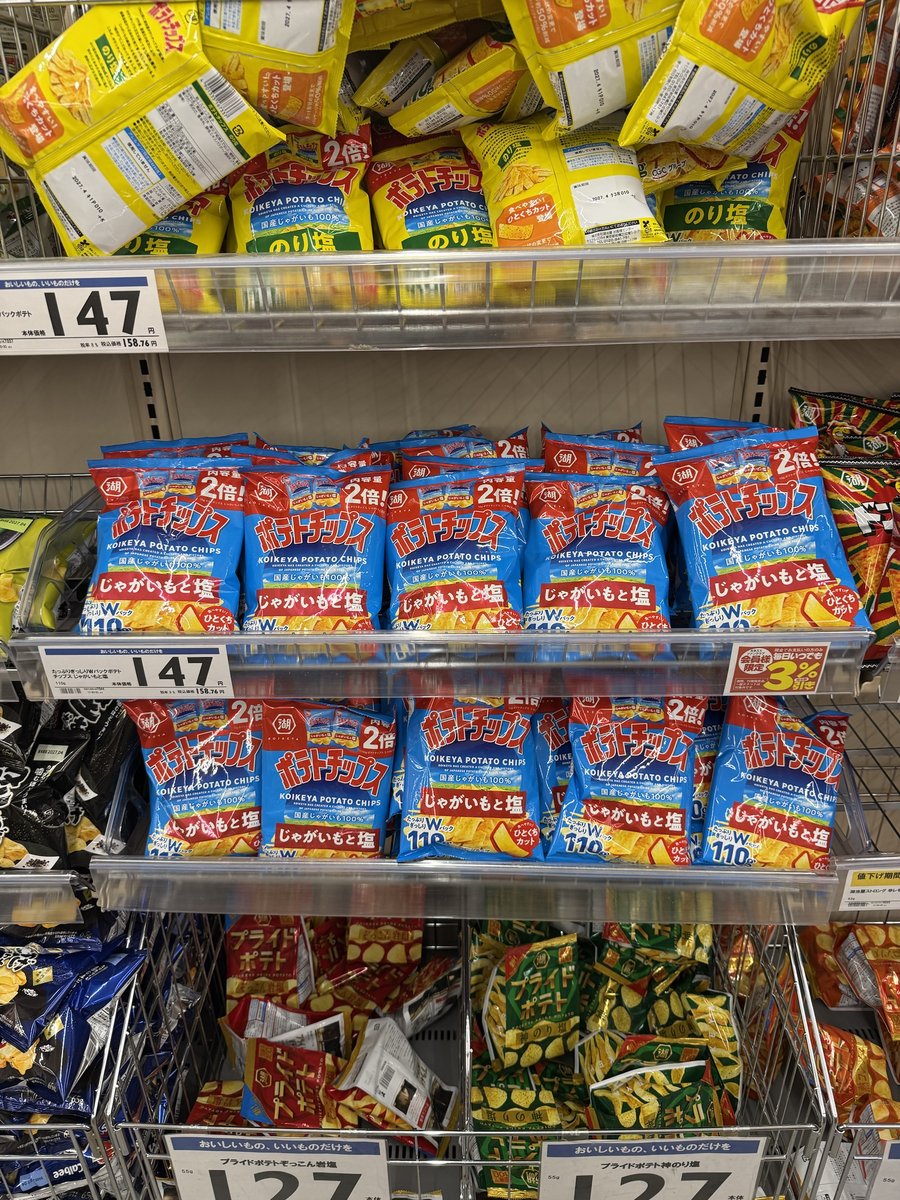
For a richer bag, look for 湖池屋プライドポテト (Koikeya Pride Potato). Its page says it uses only potatoes grown in Japan, skips the usual step of rinsing the slices in hot water to keep more potato flavor, and fries them at three different temperatures.
Corn snacks: Polinky, Scone and Aerial
Next to the chips you'll usually find corn snacks. Koikeya makes ポリンキー (Polinky) and スコーン (Scone), a crunchy corn snack, not the baked scone you may know. エアリアル (Aerial), made by YBC (Yamazaki Biscuits), is often on the same shelves.
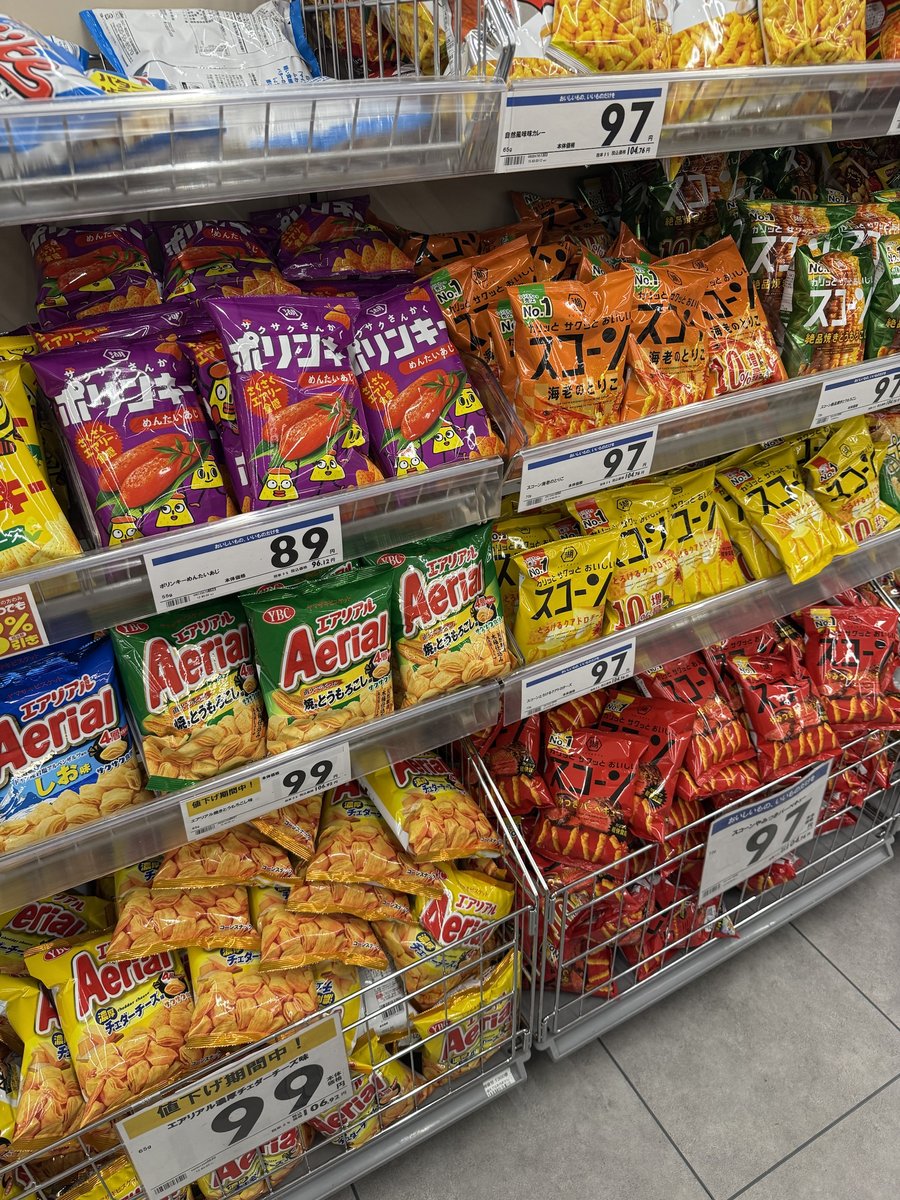
A flavor name doesn't always tell you everything inside. In Koikeya's allergy chart (updated October 14, 2026), Polinky mentai (spicy cod roe) flavor lists shrimp as well as milk and wheat. That's why the label check below matters.
Allergies, meat and seafood: read the back of the bag
Packaged snacks in Japan must show certain allergens on the label. The Consumer Affairs Agency's list of required allergens includes shrimp, crab, wheat and milk, which are common in snacks. Pork, beef, chicken and gelatin are only recommended, not required, so the allergen line alone can't tell you whether a snack contains meat. For that, read the full ingredient list.
Koikeya's allergy chart shows how much flavors differ: its Jagaimo to Shio and nori salt chips list none of the allergens in its chart, while its Kin no Consommé chips list milk, wheat, sesame, soybean, chicken, pork and apple. Koikeya also notes that its factories make products containing egg, milk, wheat, shrimp and crab, so people who react to tiny amounts should take care.
If you eat halal or vegetarian, read the whole ingredient list, look for a halal mark on the bag if you need one, and see vegetarian and vegan food in Japan for words to watch for. For more on allergen labels and how to ask in shops, see food allergies in Japan.
Where to buy Japanese snacks
- Supermarkets: usually the widest choice, including regional flavors, family-size bags and multipacks of small bags.
- Convenience stores: a smaller range, open long hours. Calbee's release notes that some sizes at convenience stores differ from those in other shops.
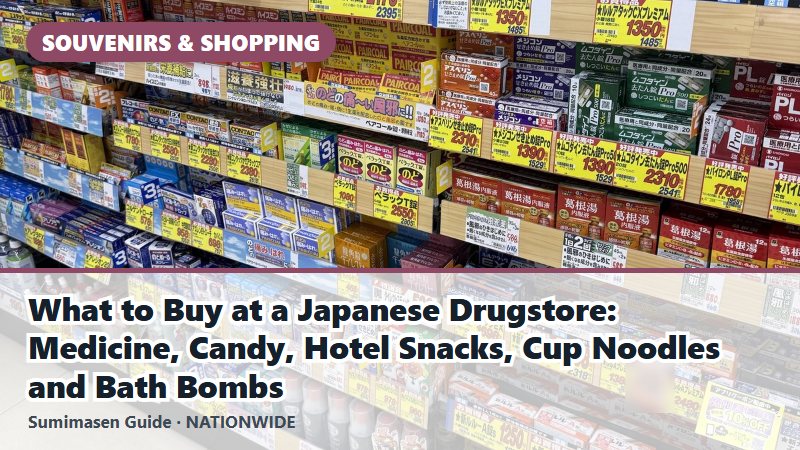
- Drugstores: many have a snack corner too. See what to buy at a Japanese drugstore.
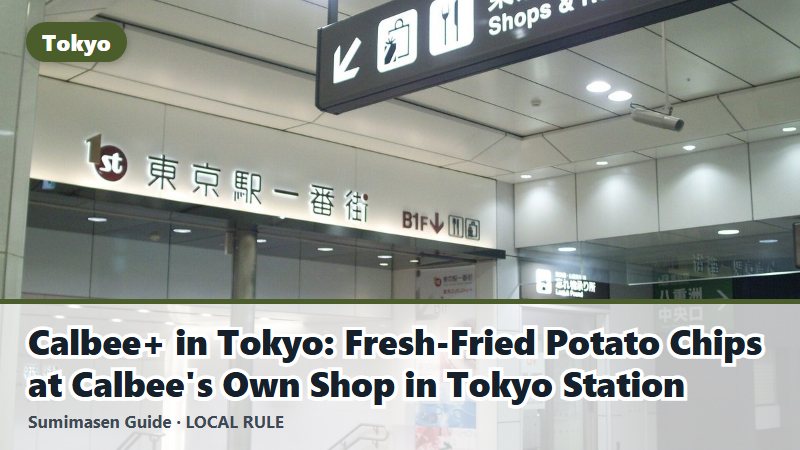
- Calbee+ shops: Calbee's own shops sell freshly fried snacks and limited items, but Calbee's English page says they don't carry the regular products like Kappa Ebisen and potato chips. See Calbee+ at Tokyo Station.
Taking snacks home
- Packing: snack bags are light but bulky and easy to crush. Packs of small bags travel better than one big bag. If your suitcase fills up, see luggage forwarding and coin lockers.
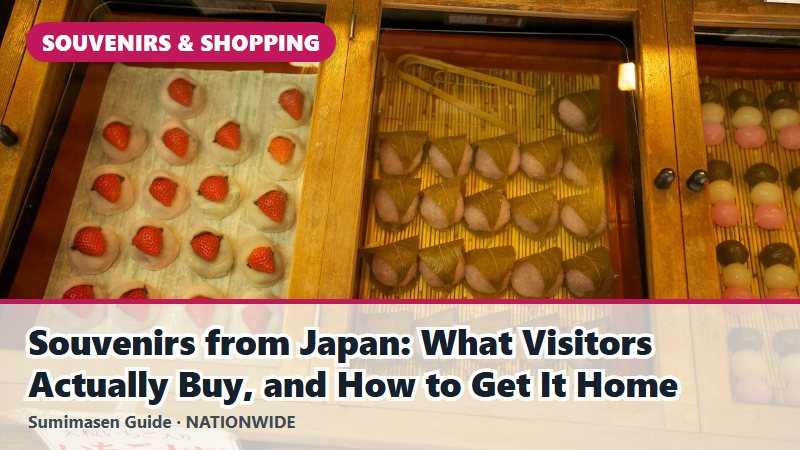
- Your country's rules: some countries limit food with meat or seafood. Check before you pack, and see souvenirs from Japan for what to watch for.
- Tax-free: snacks count as consumables. See how the new tax-free refund works before you plan a tax-free snack haul.
- Best-before date: look for 賞味期限 (shomi kigen) on the bag, and pick bags with plenty of time left if they're gifts.
My visit
Japanese snacks come in so many kinds. Calbee is always working on new potato chip flavors, and Kataage Potato and Kappa Ebisen are popular picks too.
The photos on this page are from the snack aisle of an ordinary supermarket.
Last reviewed: October 23, 2026. Product details are from the makers' official pages at the time of writing. Flavors and ingredients change, so always read the bag you buy.
References
- Calbee: Press release on the 50th anniversary of Calbee Potato Chips, September 25, 2025 (Japanese, PDF)
- Calbee: Kataage Potato (Japanese)
- Calbee: Kappa Ebisen facts (Japanese)
- Calbee: Kappa Ebisen package history (Japanese)
- Calbee: Kappa Ebisen products (Japanese)
- Calbee: Zeppin Kappa Ebisen (Japanese)
- Calbee: Calbee+ (English)
- Koikeya: Koikeya Potato Chips (Japanese)
- Koikeya: Koikeya Pride Potato (Japanese)
- Koikeya: Allergy information (Japanese)
- Consumer Affairs Agency: Allergen labeling (Japanese, PDF)