How to Read a Sake Label and Menu: Dry or Sweet, Polishing Ratio, and Hot or Cold
This page contains affiliate links.
Quick answer
- On a sake label, look for the grade word (such as junmai or ginjo), the polishing ratio and the sake meter value.
- A polishing ratio of 60% means 60% of each rice grain is left, and a plus sake meter value usually means drier while a minus value means sweeter.
- To order, say reishu for chilled, hiya for room temperature, or nurukan or atsukan for warm or hot sake.
To read a sake label, look for 3 things: the grade word (such as junmai or ginjo), the polishing ratio (seimai-buai, the share of each rice grain that is left), and the sake meter value (nihonshu-do), where a plus number usually means drier and a minus number sweeter. Then choose a temperature: reishu (chilled), hiya (room temperature) or kan (warmed), and say it in 1 short phrase. This guide uses Japan's official labeling rules from the National Tax Agency (NTA) and the explanations of the Japan Sake and Shochu Makers Association (JSS).
- The 8 official grade names, and what each one promises
- Why "60%" on a label means 40% of the rice was polished away
- Dry or sweet: the sake meter value and acidity
- Hot or cold: the names for each temperature, and how hiya differs from reishu
- Short phrases for ordering, cup sizes, and which dishes to try with sake
Please read this first. In Japan you must be 20 or older to drink alcohol. Never drive, and never ride a bicycle, after drinking: even a small amount is against the law.
Find the grade word: 8 official names
The grade word tells you how the sake was made. Under the NTA's labeling standard for sake (seishu), a brewery may print one of these "specially designated" names only when the sake meets the rules below. Sake without one of these names is still sake; it just doesn't claim a grade.
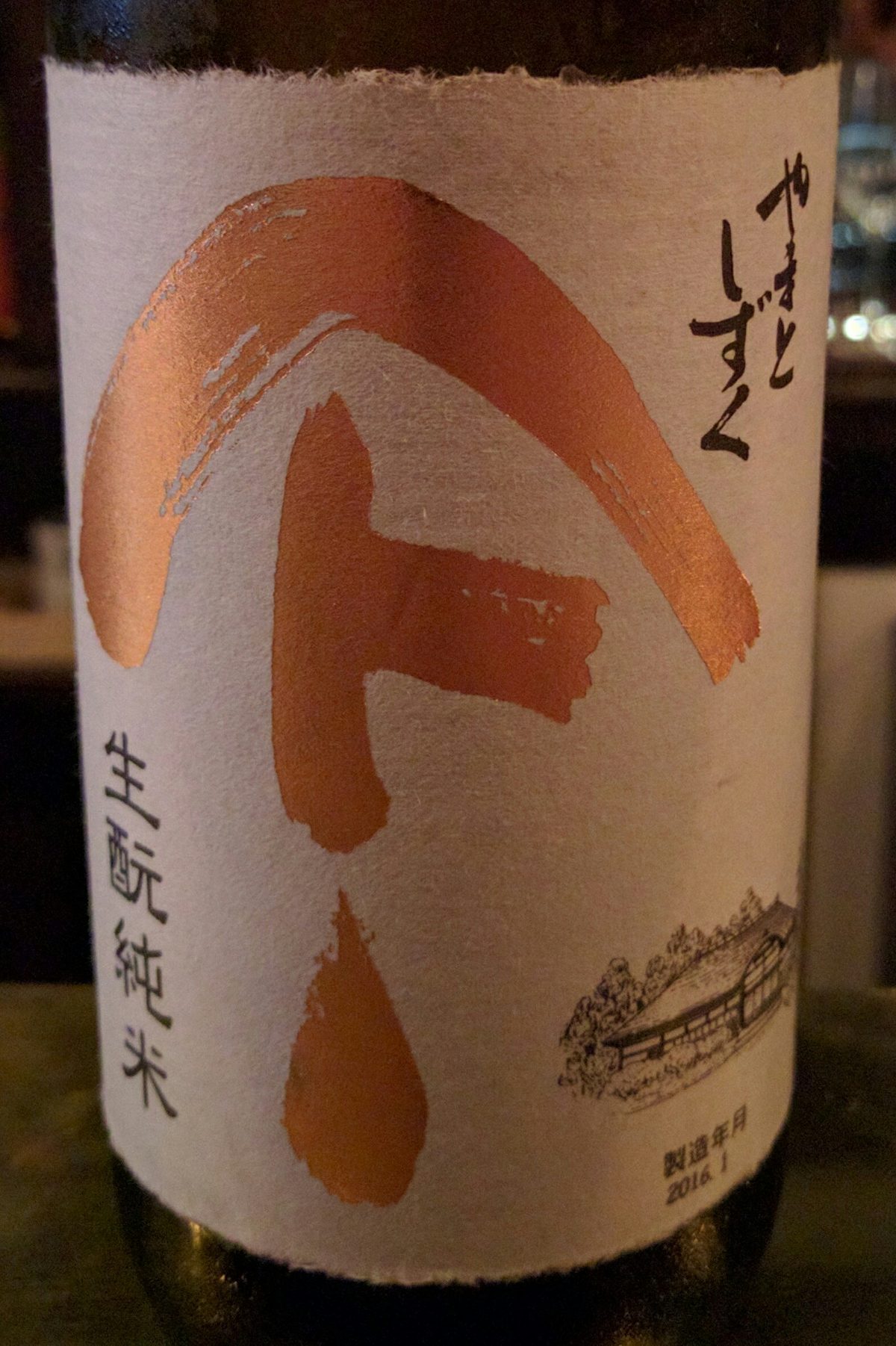
- Junmai (純米): made only from rice, rice koji (rice grown with koji mold) and water, with no added alcohol. There is no minimum polishing ratio.
- Tokubetsu junmai (特別純米): a junmai with a polishing ratio of 60% or less, or another special method explained on the label.
- Ginjo (吟醸): rice polished to 60% or less, made with special care, with a distinctive aroma. A small amount of brewing alcohol may be added.
- Daiginjo (大吟醸): a ginjo made from rice polished to 50% or less.
- Junmai ginjo (純米吟醸) and junmai daiginjo (純米大吟醸): the same, made with no added alcohol.
- Honjozo (本醸造): rice polished to 70% or less, with a small amount of brewing alcohol.
- Tokubetsu honjozo (特別本醸造): a honjozo with a polishing ratio of 60% or less, or another special method explained on the label.
For every grade, the rice koji must be at least 15% of the rice, and any brewing alcohol must stay under 10% of the weight of the rice. The standard also bans words such as "the best" on labels, so a grade name is the honest signal to look for.
The polishing ratio is what's left, not what's removed
A polishing ratio of 60% means 60% of each grain is left and 40% was polished away. The NTA standard defines the polishing ratio (seimai-buai, 精米歩合) as the weight of the polished rice compared with the brown rice it came from, so a smaller number means more polishing. On graded sake, the ratio must be printed near the ingredients list, which makes it easy to find. A lower number is a sign of more work, but it isn't a score: whether you like the result is up to your taste.
Dry or sweet: read the sake meter value, then the acidity
A plus sake meter value usually means drier and a minus value sweeter. The National Research Institute of Brewing explains in The Story of Sake that the sake meter value (nihonshu-do, 日本酒度) mainly reflects how much sugar is in the sake: sake on the market ranges from about +10 to −10, and the higher the number, the less sugar. Some bottles show it on the back label.
Acidity (sando, 酸度) changes how that sugar tastes. With the same amount of sugar, a more acidic sake tastes drier and a less acidic one tastes sweeter, so the institute calls the sake meter value only a rough guide. On a menu, the simple words are karakuchi (辛口, dry) and amakuchi (甘口, sweet).
How to drink it: names for each temperature
Sake can be served cold, at room temperature or warm, and each temperature has its own name. The JSS guide to enjoying sake at different temperatures gives the approximate temperatures below. 2 words are easy to mix up: reishu (冷酒) is sake chilled in a fridge, while hiya (冷や) traditionally means room temperature, as the magazine Serai explains. If you want it cold, say reishu.
JSS says that, as a general rule, sake warmed from hitohada-kan (35–40°C) to jokan (45–50°C) is said to taste best, but the right temperature is whatever you enjoy. According to The Story of Sake, fruity ginjo suits drinking cool, while honjozo can be enjoyed from cold to hot.
A local twist from Nagoya (Aichi). Locals in this area have their own words for how hot a drink is, from warm to hottest: donkan (fairly warm), then chinchin (hot), then dera-chinchin or chinchikochin (very hot). This order is how our editor based in Nagoya (Aichi) uses them, and you can see an example of "donkan" at an izakaya in Nagoya (Aichi). Local broadcaster Mētele (Nagoya TV) lists chinchin as "hot" and dera as "very" among typical words of the local dialect (Nagoya-ben), and a brewery in Hida (Gifu) also explains chinchin as a word for hot. These are dialect, not official temperature names, and chinchin has a very different meaning in children's Japanese, so enjoy them as a local curiosity and order with the standard nurukan or atsukan.
Phrases and cup sizes for the izakaya
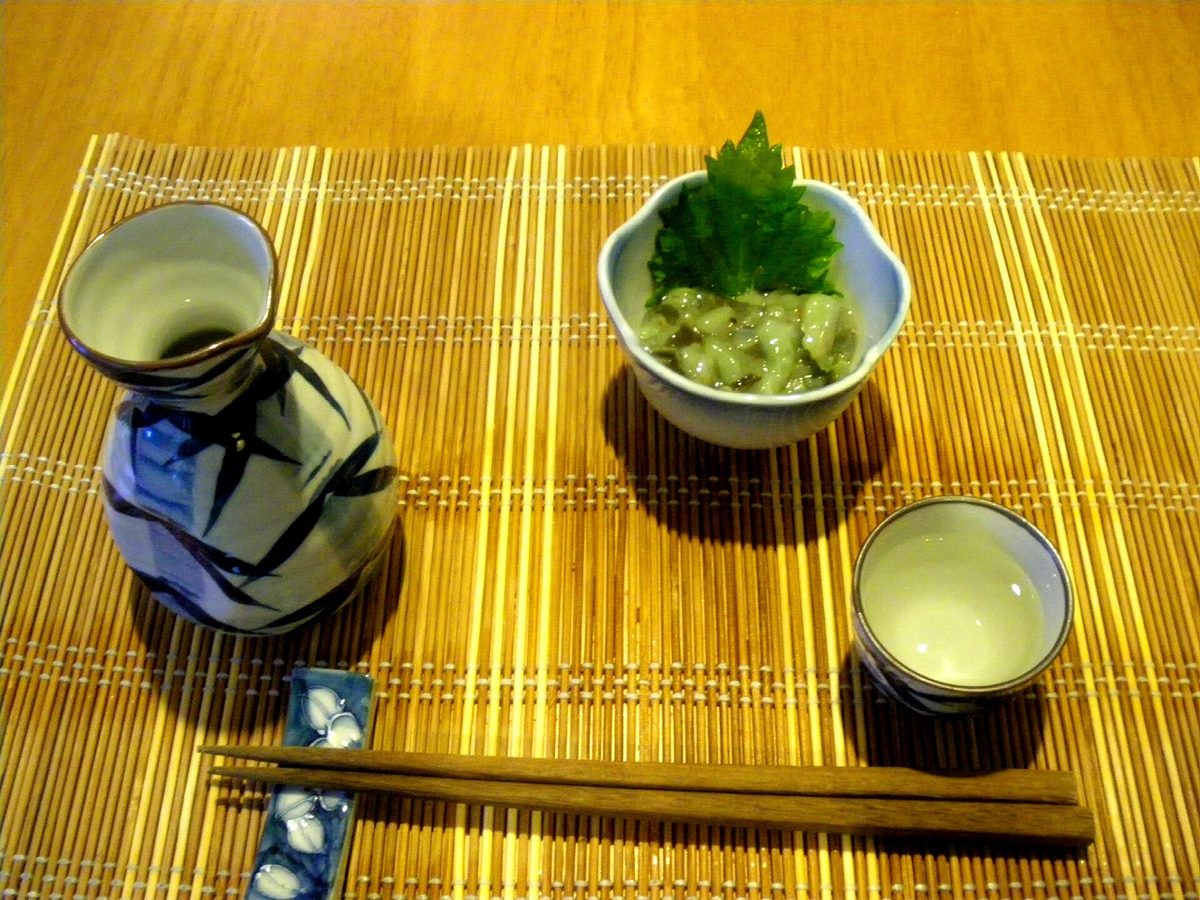
Sake is often sold by the go (合), and 1 go is 180 ml, as Shimane Prefecture's health guide on alcohol shows; at 15% alcohol that is about 22 g of pure alcohol. The JSS glossary says a tokkuri (serving flask) usually holds around 180 ml, and that the wooden box called a masu was originally a 180 ml measure. The small cup you drink from is an ochoko; glass sizes differ by shop, so check the menu.
- Karakuchi wa arimasu ka? (辛口はありますか?): Do you have a dry one?
- Amakuchi wa arimasu ka? (甘口はありますか?): Do you have a sweet one?
- Osusume wa dore desu ka? (おすすめはどれですか?): Which one do you recommend?
- Reishu de onegaishimasu. (冷酒でお願いします。): Chilled, please.
- Hiya de onegaishimasu. (冷やでお願いします。): At room temperature, please.
- Nurukan de onegaishimasu. (ぬる燗でお願いします。): Warm, please.
- Atsukan de onegaishimasu. (熱燗でお願いします。): Hot, please.
- Ichigo kudasai. (1合ください。): 1 go (180 ml), please.
- Omizu mo kudasai. (お水もください。): Some water too, please.
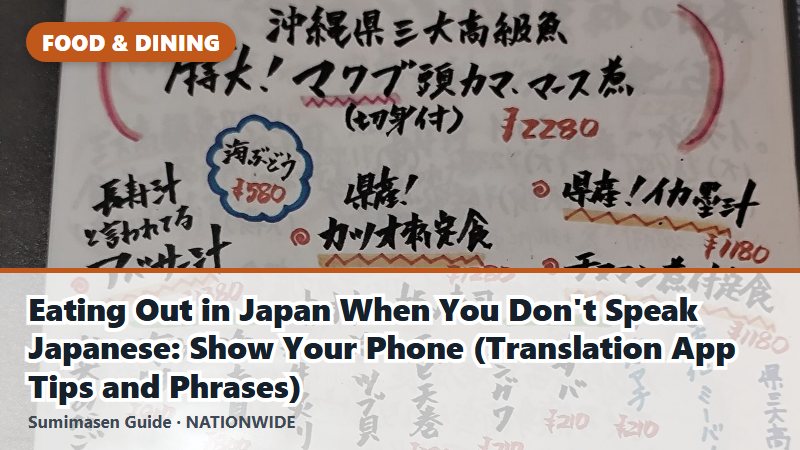
Asking for water is normal: JSS recommends yawaragi-mizu, water sipped between drinks of sake, to slow down how fast you get drunk. Many izakaya also serve a small dish with a charge when you sit down; see otoshi, the izakaya table charge. If the menu is only in Japanese, our tips on using a translation app at restaurants help.
What to eat with it
JSS suggests matching the style of sake to the dish. Its guide to sake and food gives these Japanese examples, but tastes differ, so treat them as ideas to try:
- Fruity, aromatic sake: vegetable tempura, salt-grilled white fish, white fish cured in kelp.
- Light, smooth sake: sashimi, rolled omelet (dashimaki), tofu (yudofu or hiyayakko).
- Aged sake: grilled eel, braised pork belly (kakuni).
- Rich, full-bodied sake: yakitori with sweet soy glaze, tonkatsu (breaded pork cutlet), mackerel simmered in miso.
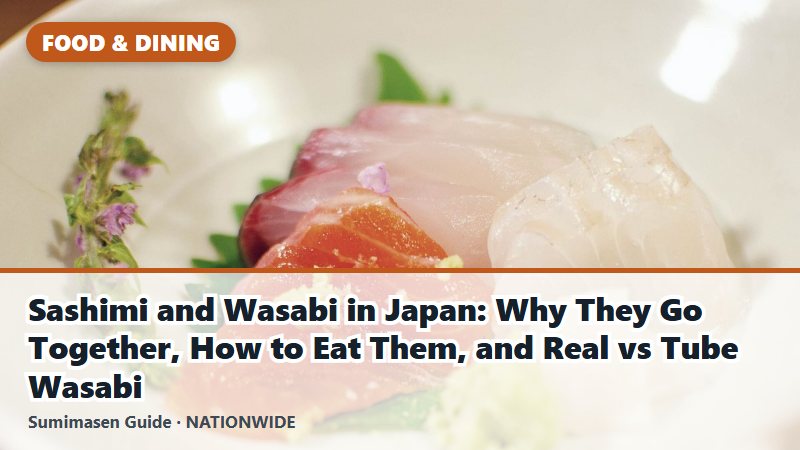
In winter, JSS also runs a "Nabe & SAKE" campaign pairing local hot pots (nabe) with sake. The Story of Sake adds that people feel a local dish goes well with sake from the same region, so asking for the local sake is a good start. Before eating raw fish, see how to eat sashimi and wasabi.
The law: age 20, and no driving or cycling
Japan's law bans drinking under the age of 20, and the NTA notes this did not change when the age of adulthood was lowered to 18 on April 1, 2022. Shops may ask for ID. Drunk driving is a crime: the National Police Agency lists up to 3 years in prison or a fine of up to 500,000 yen for driving with 0.15 mg/L or more of alcohol in your breath, and up to 5 years or 1,000,000 yen for drunk driving. People who serve the alcohol or ride with the driver can also be punished. The same rules cover bicycles; see bicycle rules and fines in Japan.
Last reviewed: November 2, 2026. Menus, prices and serving styles differ by shop; ask the staff if you're unsure.
References
- National Tax Agency: Labeling standard for the production method and quality of sake (Japanese, revised July 2022)
- National Research Institute of Brewing: The Story of Sake (PDF, 7th printing 2025)
- Japan Sake and Shochu Makers Association: How to enjoy sake (Japanese)
- Japan Sake and Shochu Makers Association: Flavor, aroma and food pairing (Japanese)
- Japan Sake and Shochu Makers Association: Glossary of sake terms
- Japan Sake and Shochu Makers Association: Yawaragi-mizu (Japanese)
- Japan Sake and Shochu Makers Association: Nabe & SAKE (Japanese)
- Serai: Sake and serving temperature (Japanese, October 11, 2025)
- Shimane Prefecture: Alcohol and health (Japanese)
- Mētele (Nagoya TV): Survey of local dialect words in Nagoya (Aichi) (Japanese, April 5, 2023)
- Watanabe Sake Brewery (Hida): What is kanzake? (Japanese, September 27, 2023)
- Food blog: an example of "donkan" at an izakaya in Nagoya (Aichi) (Japanese)
- National Tax Agency: Preventing drinking by people under 20 (Japanese, March 25, 2022)
- National Police Agency: Penalties for drunk driving (Japanese)