Why Is the Soy Sauce Sweet Here? Japan's Five Soy Sauce Types, Sashimi Soy Sauce and Clear Soy Sauce
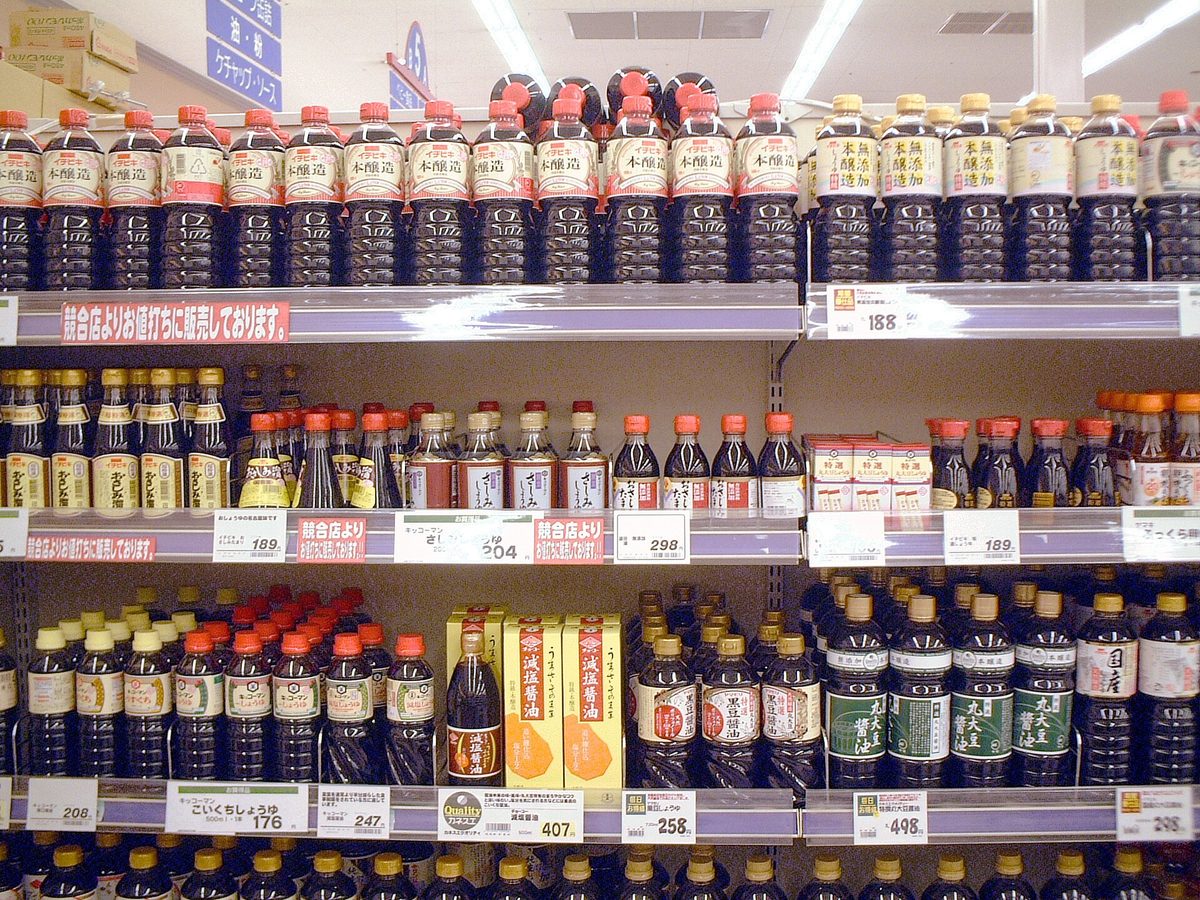
Pour soy sauce on your sashimi in Fukuoka (Fukuoka) and it may taste surprisingly sweet. Order udon in the Kansai area and the broth may be pale, even though it is seasoned with soy sauce. Japan has several kinds of soy sauce, and the one on the table changes with the region and the dish. Some bottles are even clear as water. This guide explains the five official types, why Kyushu's soy sauce is sweet, sashimi soy sauce, clear soy sauce, how to use soy sauce at a sushi counter, what to check if you can't eat wheat, and where to see it being made.
This page may contain affiliate links. If you buy through them, we may earn a commission at no extra cost to you.
- Five types: koikuchi, usukuchi, tamari, saishikomi and shiro
- Light-colored usukuchi is saltier, not milder
- Sweet soy sauce in Kyushu, and soy sauce made for sashimi
- Clear soy sauce, wheat, and taking soy sauce home
Five types of soy sauce
Japan's national product standard (JAS) sorts soy sauce into five types, as the Soy Sauce Information Center of the Japan Soy Sauce Association explains. Each grew out of a region's own taste and brewing history:
- Koikuchi (dark): the everyday soy sauce all over Japan, used both for cooking and at the table. Its taste combines saltiness with umami, a mild sweetness, a light sourness and a little bitterness.
- Usukuchi (light-colored): born in the Kansai area. It keeps the color and flavor of the ingredients, so it is used for dishes like simmered vegetables where the color matters.
- Tamari: a dark, thick soy sauce made mainly in the Chubu area. It has long been called sashimi tamari; it suits sushi and sashimi, and turns a nice reddish color when cooked, so it is also used for teriyaki, tsukudani (foods simmered in soy sauce) and rice crackers.
- Saishikomi (re-brewed): born around Yanai (Yamaguchi). Other soy sauces are brewed with salt water; this one is brewed with soy sauce, which gives it a rich color, taste and aroma. It is also called kanro soy sauce and is used mainly at the table, for sashimi, sushi and cold tofu.
- Shiro (white): born in Hekinan (Aichi). It is amber, even paler than usukuchi, with a light but sweet taste, and is used in clear soups and chawanmushi (savory egg custard).
Koikuchi is by far the most common. In the association's statistics for 2024, based on Ministry of Agriculture (MAFF) data, Japan shipped 681,019 kL of soy sauce. Koikuchi was 84.9% of it, usukuchi 11.5%, tamari 2.1%, saishikomi 1.0% and shiro 0.6%.
Usukuchi: light in color, but saltier
Many visitors (and many Japanese people too) assume that pale soy sauce is the mild one. It is the other way around. The Soy Sauce Information Center says usukuchi uses about 10% more salt than koikuchi, to keep its color and aroma from getting too strong: about 18% salt, against about 16% for koikuchi. Usukuchi is light in color, not in salt.
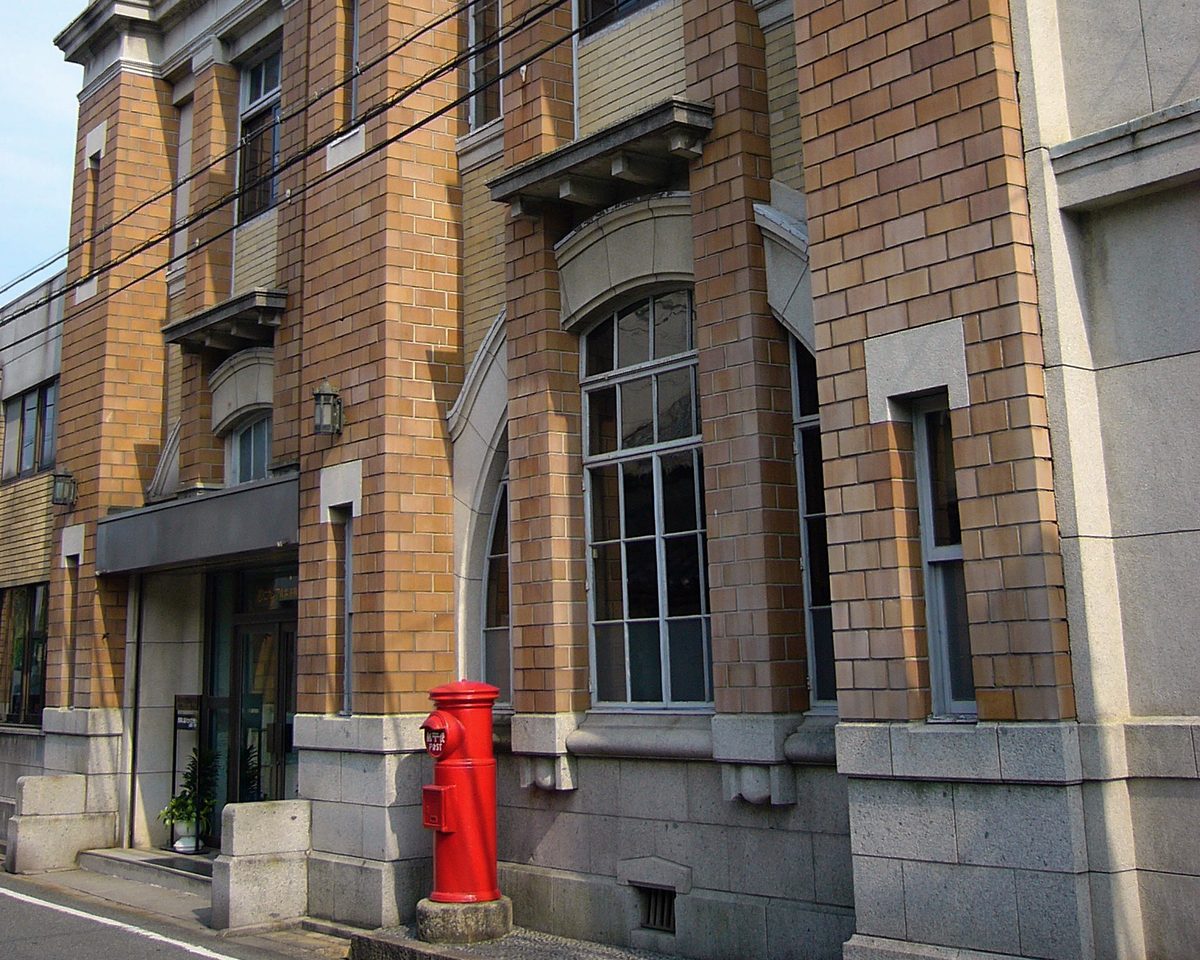
Hyogo Prefecture says usukuchi was invented in Tatsuno (Hyogo) between 1661 and 1673, when brewers added amazake (a sweet rice drink) to the mash and got a soy sauce with a light color and good aroma; its flavor suited the tastes of Kyoto (Kyoto) and Osaka (Osaka). Higashimaru, a Tatsuno (Hyogo) maker, lists its uses as the broth poured over udon and other dashi-based dishes, and Kyoto-style simmered dishes that keep the color of the ingredients. So a bowl of udon in the Kansai area is a good place to taste it. Heading there? See Osaka (Osaka) and Kyoto (Kyoto).
Why is the soy sauce sweet in Kyushu?
If you travel in Kyushu, the soy sauce on the table can taste sweet. Fukuoka Prefecture's official tourism site explains it like this:
- There is no "sweet" type in the JAS standard. Kyushu's sweet soy sauce is mostly koikuchi blended with sweeteners and other ingredients, and it tends to get sweeter the further south you go in Kyushu.
- It started in the postwar years. When supplies were short, soy sauce made with amino acid liquid spread across Japan, and people wanted sweet tastes after the war. After food labeling rules came in 1969, most of Japan moved back to fully brewed, saltier soy sauce, but Kyushu kept its sweet soy sauce as the local taste.
- Older reasons are thought to play a part: sugar imported through Nagasaki was relatively easy to get along the old "Sugar Road," so sweet food became a sign of wealth and hospitality; coal miners and steelworkers liked sweet, rich flavors; and the warm climate.
- Many breweries: Fukuoka Prefecture has about 90 soy sauce breweries, the most of any prefecture.
The same page says the sweet soy sauce goes well with local dishes such as chikuzen-ni (gameni, simmered chicken and vegetables) and motsu-nabe, whose soy-sauce soup is often made with sweet soy sauce. If the first taste surprises you, try it with the local fish it was made for. Visiting? See Fukuoka (Fukuoka).
Sashimi soy sauce
Japan also has soy sauce meant just for raw fish, called sashimi shoyu (さしみしょうゆ, sashimi soy sauce). The types used for it are thicker or richer than everyday koikuchi:
- Which types: tamari has long been called sashimi tamari, and saishikomi is used mainly for sashimi and sushi, says the Soy Sauce Information Center. Higashimaru lists "sashimi soy sauce" as another name for saishikomi, and tamari as a dipping soy sauce for sashimi.
- In Fukuoka (Fukuoka): the prefecture's tourism site says a special sashimi soy sauce is the norm for sashimi there, a re-brewed soy sauce richer than the table bottle, and that people dip the fish generously. The local fish, such as yellowtail, mackerel and squid, is eaten very fresh and firm, and because it isn't aged like tuna often is, it has less umami; the sweet, rich soy sauce makes up for that.
- Not sure which bottle is which? Just ask: 「刺身じょうゆはどれですか?」 (Sashimi joyu wa dore desu ka?, Which one is the sashimi soy sauce?).
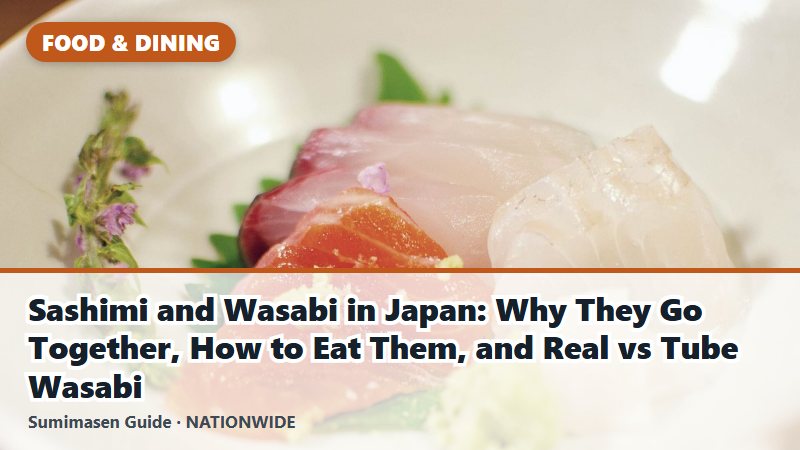
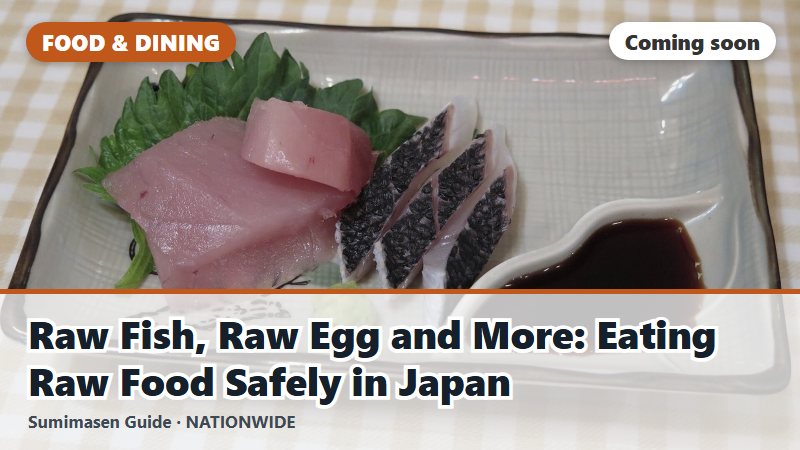
Raw fish safety is a different question: soy sauce and wasabi make sashimi taste good, but they don't make it safer. See eating raw food safely in Japan. How to eat sashimi with wasabi: sashimi and wasabi in Japan.
Clear soy sauce
There is even soy sauce you can see through. Fundodai, a soy sauce maker in Kumamoto (Kumamoto), released a colorless, transparent toumei shoyu (clear soy sauce) on February 19, 2019. Its product page says the process starts from fully brewed koikuchi soy sauce, and the first ingredient listed is a distillate of soy sauce. The maker sells it as a product made from soy sauce.
- Why chefs use it: it adds the saltiness and umami of soy sauce without changing the color of the food. The maker suggests it for dishes where the ingredients' colors matter, such as carpaccio and Western-style sauces, and says restaurants abroad use it too.
- It still contains soybeans and wheat, according to the ingredient list, so "clear" doesn't mean allergen-free.
At the sushi counter and the table
The sushi restaurant association of Fukuoka Prefecture explains how to use soy sauce with nigiri sushi:
- Dip the fish, not the rice. Tip the sushi on its side, turn it so the topping faces down, and touch just the end of the fish to the soy sauce. Your hands or chopsticks are both fine.
- Use a little. The association asks you to avoid using too much soy sauce, and not to peel the topping off and eat it separately from the rice. Pour a small amount into the dish and add more when you need it.
- Some sushi needs no soy sauce: pieces brushed with a sweet glaze (nitsume), such as conger eel, and egg, as well as sushi the chef has already brushed with soy sauce. Pressed sushi from the Kansai area, such as hako-zushi and battera, is also eaten without it.
- For gunkan (sea urchin, salmon roe) and sushi with toppings, dip a slice of pickled ginger in soy sauce and use it like a brush.
- If you're not sure, ask the chef, the association says; they'll be glad to tell you.
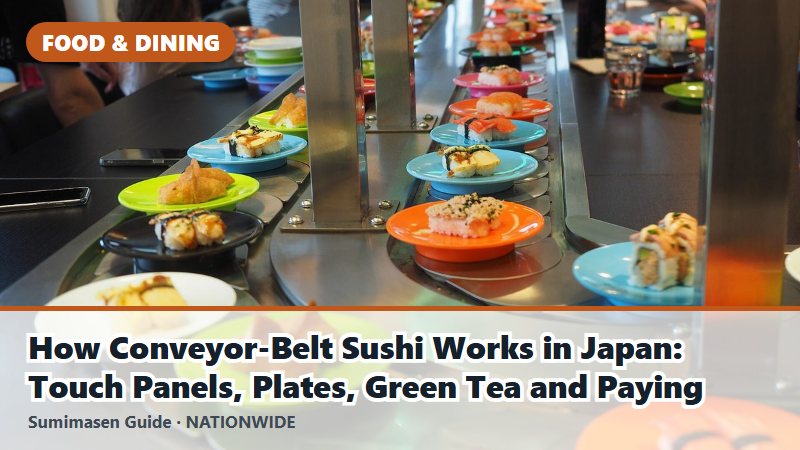
At conveyor-belt sushi, the bottle on the table works a little differently: see how conveyor-belt sushi works.
Watching your salt? The Soy Sauce Information Center gives these typical amounts of salt per 100 ml:
| Label | Japanese | Salt |
|---|---|---|
| Usukuchi | うすくち | about 18% |
| Koikuchi (also tamari, saishikomi: 15–17%) | こいくち | about 16% |
| Lightly salted (usu-shio, asa-shio, ama-shio) | うす塩・あさ塩・あま塩 | about 12% |
| Low-sodium (gen-en) | 減塩 | about 9% |
Lightly salted soy sauce has 50 to 80% of the usual salt, and low-sodium soy sauce has had about half of its salt removed.
Wheat, soybeans and allergies
Most soy sauce is made from soybeans and wheat. Higashimaru lists equal amounts of soybeans and wheat for koikuchi and usukuchi. The other types differ:
- Tamari is made mostly from soybeans and uses only a very small amount of wheat, says Kikkoman. "Very small" isn't zero, so if you have a wheat allergy or celiac disease, check each label for 小麦 (wheat).
- Shiro is made almost entirely from wheat, as the Aichi miso, tamari and soy sauce cooperative explains, even though it looks the palest.
- Clear soy sauce also lists soybeans and wheat, as above.
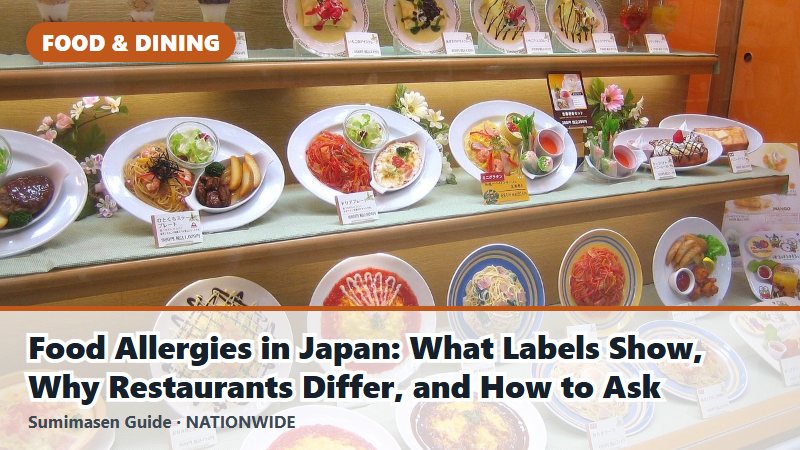
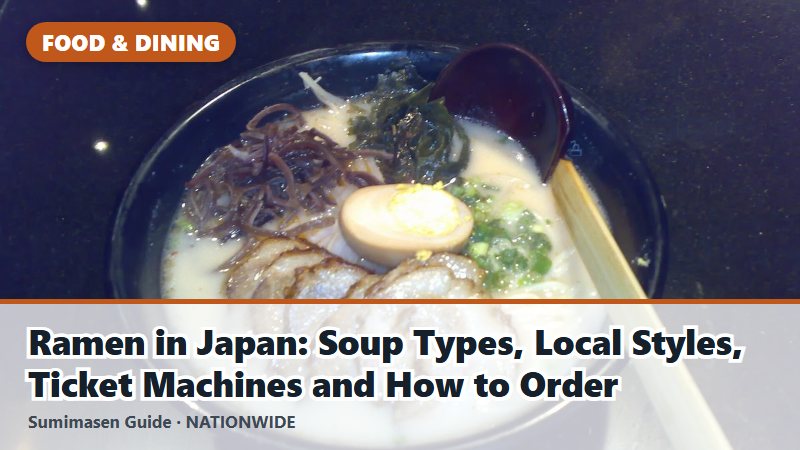
On packaged food in Japan, wheat must be labeled, but restaurant food doesn't have to be labeled at all, and dashi soy sauce, tsuyu (noodle sauce) and tare (sauces) are made from soy sauce too, as the Soy Sauce Information Center explains. Details and a free communication sheet: food allergies in Japan. Soy sauce is also the base of shoyu ramen: see ramen in Japan.
| English | Japanese | Reading |
|---|---|---|
| Does this soy sauce contain wheat? | このしょうゆに小麦は入っていますか? | Kono shoyu ni komugi wa haitte imasu ka? |
| I'm allergic to wheat. | 小麦アレルギーがあります。 | Komugi arerugii ga arimasu. |
| Which one is the sashimi soy sauce? | 刺身じょうゆはどれですか? | Sashimi joyu wa dore desu ka? |
Taking soy sauce home
- Look in local supermarkets. A brewers' cooperative in Fukuoka Prefecture, interviewed on the prefecture's tourism site, suggests looking in supermarkets and souvenir shops where you travel to find the local soy sauce.
- Soy sauce counts as a liquid at the airport. Narita Airport explains the carry-on limit on international flights: containers of 100 ml (g) or less, in one clear resealable bag of 1 liter or less. Small bottles fit that rule; put bigger bottles in checked baggage, wrapped well.
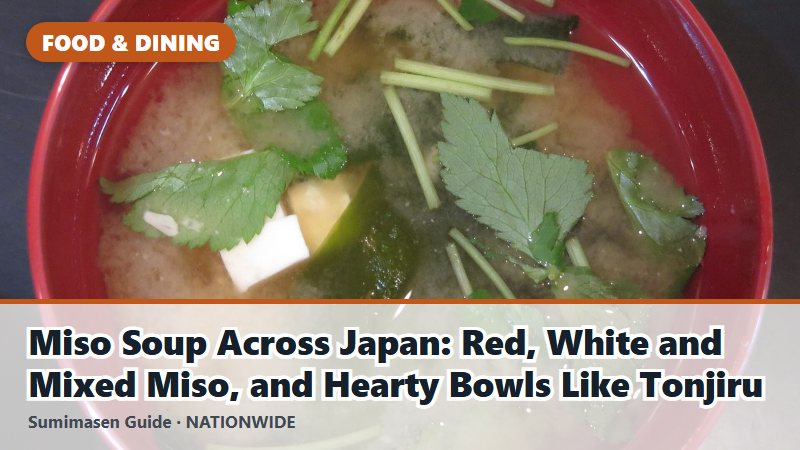
More on packing food souvenirs: souvenirs from Japan. Miso is the other great fermented soybean seasoning: see miso soup across Japan.
Where to see soy sauce being made
- Noda (Chiba): Kikkoman runs factory tours at the Kikkoman Monoshiri Shoyu-kan in Noda (Chiba), and also at its factories in Takasago (Hyogo) and Chitose (Hokkaido). Tours need a reservation (online after registering as a Kikkoman member, or by phone: 04-7123-5136 for Noda (Chiba)). The page also lists temporary closures, so check it before you go.
- Tatsuno (Hyogo): the city's Shoyu no Sato Taisho Roman-kan, a 1924 building of the old soy sauce guild, introduces the town's soy sauce industry; it opens 10 a.m. to 5 p.m. and closes on Mondays.
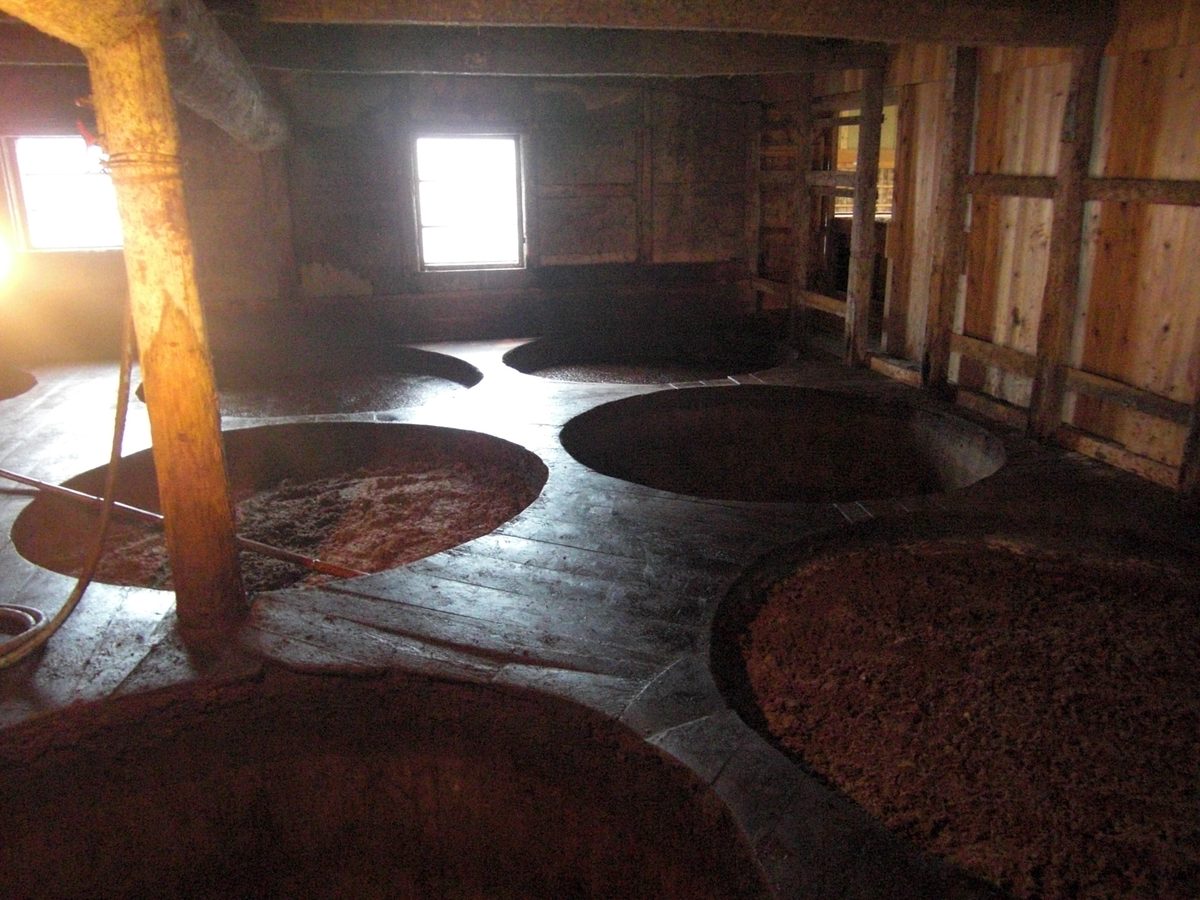
- Shodoshima (Kagawa): the island has a soy sauce history of about 400 years. Kagawa's official tourism site says more than 20 soy sauce breweries and tsukudani makers line the streets of the area called Hishio no Sato; next to the Marukin soy sauce museum, you can see soy sauce brewing in wooden barrels in a storehouse with over 100 years of history, and some breweries sell soy sauce and soy sauce sweets.
Last reviewed: October 4, 2026. Every region, brewery and restaurant has its own soy sauce, and products change; check labels and official pages.
References
- Soy Sauce Information Center (Japan Soy Sauce Association): Types of soy sauce (Japanese)
- Japan Soy Sauce Association: Soy sauce statistics, 2024 results (Japanese, Excel)
- Kikkoman: Kinds of soy sauce (Japanese)
- Higashimaru: All about usukuchi soy sauce (Japanese)
- Aichi Miso, Tamari and Soy Sauce Cooperative: Shiro soy sauce (Japanese)
- Hyogo Prefecture: Local industries, soy sauce (Japanese)
- Fukuoka Prefecture's official tourism site: Sweet soy sauce and the prefecture's soy sauce culture (Japanese)
- Fundodai: Clear soy sauce launch, press release (Japanese)
- Fundodai online shop: Clear soy sauce (Japanese)
- Sushi Restaurant Association of Fukuoka Prefecture: How to enjoy sushi (Japanese)
- Narita Airport: Restrictions on carry-on liquids on international flights
- Kikkoman: Factory tours (Japanese)
- Tatsuno City: Shoyu no Sato Taisho Roman-kan (Japanese)
- Kagawa Tourism Association: Walking Hishio no Sato, Shodoshima (Japanese)