Roast Beef vs Beef Tataki in Japan: How They're Cooked, Served and Kept Safe
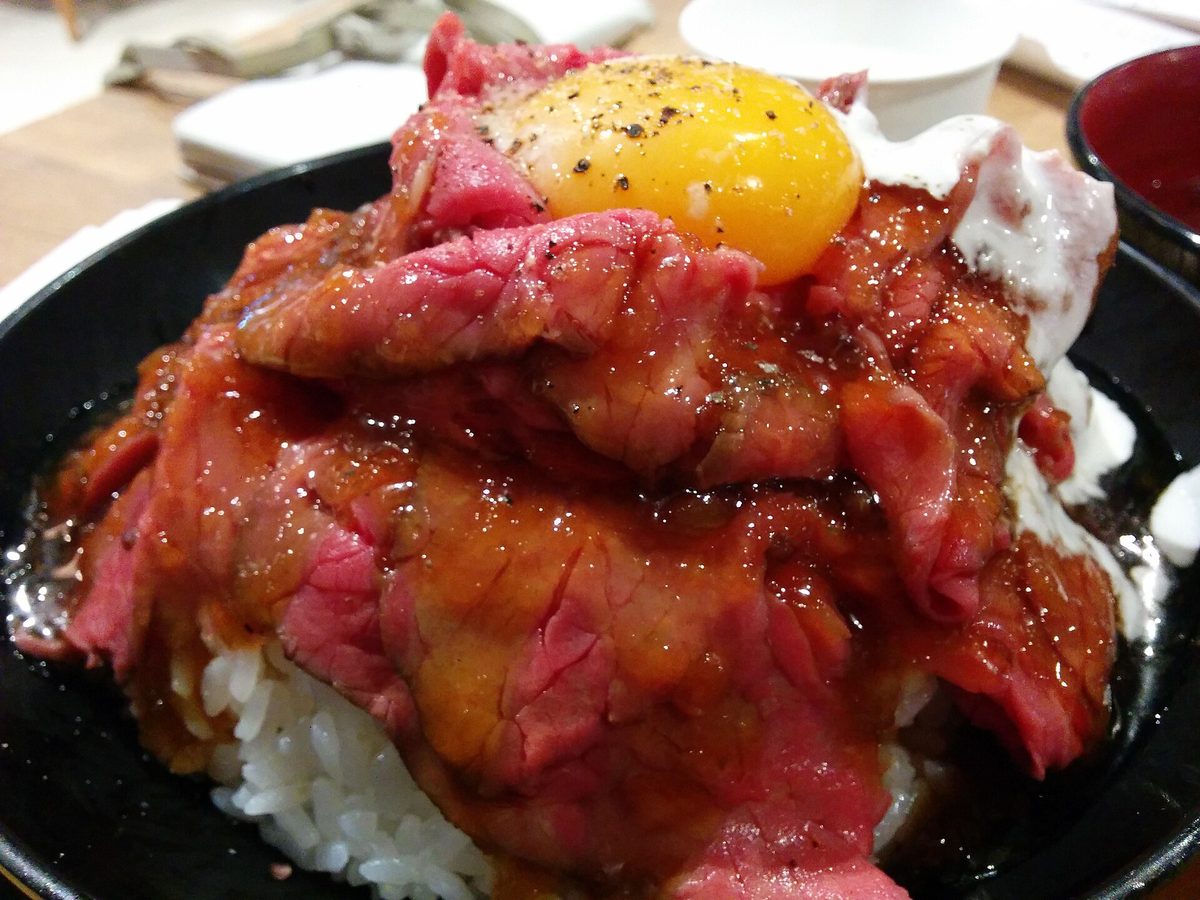
In Japan you'll find thin slices of pink beef in two very different dishes: roast beef, piled on rice bowls and sold in department store food halls, and gyu no tataki (beef tataki), a seared beef dish served with ponzu and condiments. They can look alike on the plate, but they're cooked differently, served differently, and treated differently under Japan's food safety rules. This column explains the difference, where the word "tataki" comes from, and what to know before you order.
This page may contain affiliate links. If you buy through them, we may earn a commission at no extra cost to you.
- Roast beef is cooked as a block until the center is heated; tataki is seared on the outside only
- Gravy and horseradish, or ponzu, garlic and green onion
- "Tataki" means patting, and the best-known tataki is bonito from Kochi Prefecture
- Japan treats beef tataki as raw beef, with strict rules for restaurants
Two pink slices, two different methods
The quick answer: roast beef is a large piece of beef cooked slowly in the oven and then sliced, while tataki is a piece of beef or fish seared quickly over high heat so that only the surface is cooked and the inside stays close to raw. Japan's Ministry of Health, Labour and Welfare (MHLW) draws the same line in its rules. In its Q&A on the raw beef standards, it lists beef tataki as raw beef, alongside yukhoe, beef tartare and beef sashimi, while roast beef that is heated through to the center during production is outside those rules.
Roast beef: a block cooked gently
Japanese dictionaries define roast beef simply as a large block of beef cooked in an oven and sliced thin to eat; the encyclopedia entry on Kotobank describes the classic version as a block of at least 1 kg, roasted to medium so that some of the inside stays rare, and served with gravy made from the meat juices and horseradish.
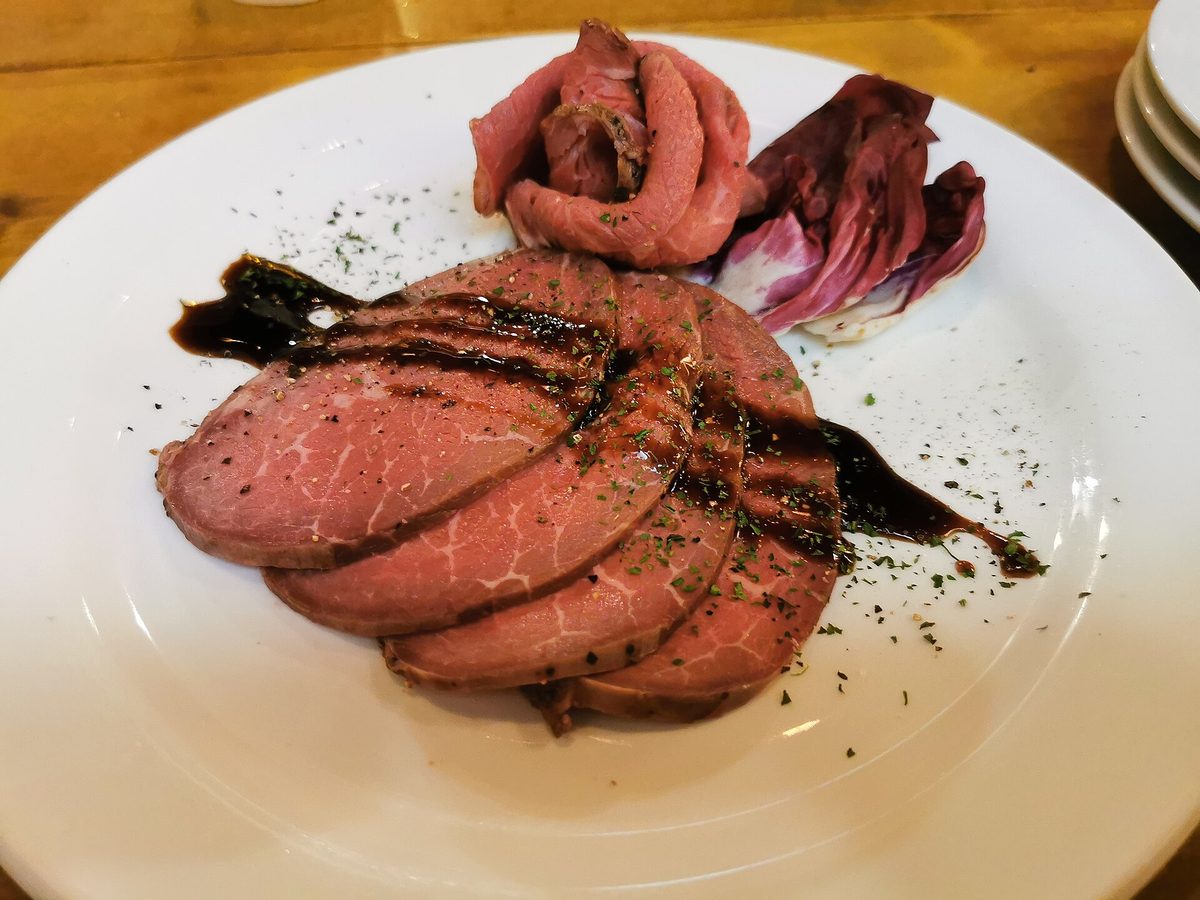
In Japan, roast beef is often cooked at a low temperature for a long time so the slices are evenly pink and tender. For example, the food hall of Seibu Ikebukuro (Tokyo) describes a roast beef bowl made from Japanese beef "cooked slowly at a low temperature" and served with a Japanese-style Chaliapin sauce. LIVE JAPAN describes a restaurant near Osaka Station in Umeda (Osaka) where the beef is salted, seasoned with garlic, cooked in the oven on low heat for 40 minutes and left to rest overnight, then served on rice with egg yolk, radish sprouts, a homemade sauce and sour cream.
On the safety side, the MHLW explains that roast beef classed as a "specified heated meat product", the category for meat products heated and sterilized under set conditions, is heated to the center during production, so the raw beef rules don't apply. It adds one exception: anything sold as "roast beef" for eating raw without being heated to the center must meet the raw beef standards.
Beef tataki: seared hard, center left close to raw
A Japanese cooking dictionary on Kotobank defines tataki as a dish in which the surface of bonito, beef or similar is seared, sliced like sashimi, dressed with a sauce such as nihaizu (vinegar and soy sauce) or ponzu soy sauce so the flavor soaks in, and eaten with condiments. For bonito tataki, the same dictionary lists finely chopped garlic, chives and ginger in the sauce.
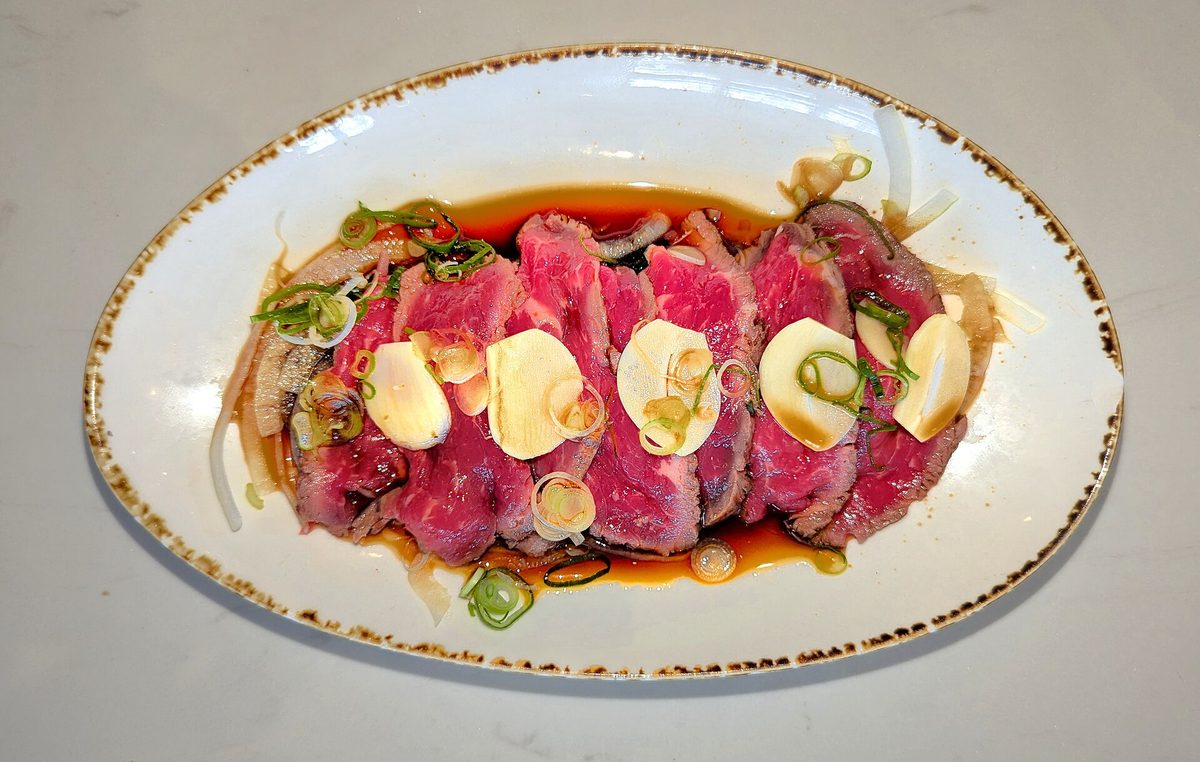
For beef served this way in a restaurant, the raw beef standards set how it must be prepared. According to the MHLW and the Tokyo Metropolitan Government, the block must be heated from the surface to a depth of at least 1 cm at 60°C for at least 2 minutes (or an equally effective method), then chilled quickly and kept at 4°C or below. The work must be done in a dedicated, hygienic area with dedicated tools, by someone trained in the risks.
Don't be surprised if a fish "tataki" arrives chopped rather than seared: dictionaries list a second meaning, raw fish or meat chopped finely with the blade of a knife.
Why it's called tataki: bonito from Kochi Prefecture
Tataki comes from tataku, "to hit" or "to pat". The best-known tataki is not beef but bonito: katsuo no tataki, a local dish of Kochi Prefecture on the island of Shikoku. Japan's agriculture ministry (MAFF) explains in its guide to local dishes that the bonito is held at the tip of a flame to sear three sides, sliced thick, then sprinkled with salt and patted on the cutting board; the name is said to come from patting the salt or sauce in so the flavor blends. MAFF lists sliced garlic, green onion and onion, with a sauce of citrus vinegar and soy sauce. It also says the dish is said to have begun as a meal eaten by fishermen on their boats.
The tourism site of Kochi (Kochi) says the prefecture consumes the most bonito in Japan, that tataki topped generously with green onion and myoga (Japanese ginger) is one of Kochi's signature dishes, and that shio-tataki, seared bonito sprinkled with salt while still warm, has become very popular. Beef tataki follows the same pattern: sear, slice and eat with sauce and condiments.
Food safety: beef tataki counts as raw beef
Japan made legally binding standards for raw beef after an outbreak in 2011 at a restaurant chain, in which, as the MHLW notes, five people died. The standards took effect on October 1, 2011 and cover beef sold for eating raw (not organs), which the MHLW says includes yukhoe, beef tartare, beef sashimi and beef tataki. Restaurants that serve them must follow these rules. Some notes for diners:
- Look for the notice. Under the labeling rules, shops and restaurants selling raw beef must show that eating raw meat generally carries a risk of food poisoning, and that children, older people and others with weak resistance to food poisoning should avoid it.
- Even meat that meets the standards isn't risk-free. The MHLW explains that bacteria such as enterohemorrhagic E. coli live in the intestines of cattle and are hard to remove completely, so children, older people and others with weak resistance should not eat raw meat, even when it meets the standards.
- If you're pregnant: Japan's Food Safety Commission advises cooking meat thoroughly to the center to prevent toxoplasma infection, and heating foods normally eaten unheated when you can during pregnancy. A well-cooked dish is the simpler choice.
- Steak is different. The MHLW says steak, including rare steak, isn't covered by these standards, but selling dishes once sold as yukhoe or beef tataki under the name "rare steak" is inappropriate.
For raw fish, raw eggs and other raw meat, read eating raw food safely in Japan.
Where you'll meet them, and how to order
- Roast beef bowl shops: roast beef on rice, usually with a sauce and often an egg yolk, is a dish of its own in Japan. The bowl in Umeda (Osaka) mentioned above comes in sizes from 100 g to 300 g of meat.
- Department store food halls: food halls (depachika) in department store basements sell roast beef bowls and sliced roast beef to take away, like the Seibu Ikebukuro (Tokyo) example above.
- Yakiniku and other restaurants: beef tataki appears on some yakiniku (Korean-style barbecue) menus. For example, a yakiniku restaurant in Kobe (Hyogo) lists a beef tataki salad on its menu. On a Japanese menu, look for 牛たたき or 牛タタキ (gyu tataki).
- Bonito tataki: in Kochi (Kochi), katsuo no tataki is the dish to try; ask for shio-tataki if you'd like it with salt instead of sauce.
- Not sure if it's raw? Ask before you order: "Nama desu ka?" (Is it raw?) or "Yoku yaite kudasai" (Please cook it well). If a dish is raw beef, you can choose roast beef, a cooked steak or grilled meat instead.
| On the menu | Reading | What it is |
|---|---|---|
| ローストビーフ丼 | rosuto bifu don | Roast beef rice bowl |
| 牛たたき・牛タタキ | gyu tataki | Seared beef, center close to raw |
| かつおのたたき | katsuo no tataki | Seared bonito (Kochi's local dish) |
| ポン酢 | ponzu | Citrus and soy sauce dip |
More on eating out: raw food safety in Japan and food allergies in Japan.
Last reviewed: October 4, 2026. Menus, prices and shops change; check the shop's own information before you go. This page is general information, not medical advice.
References
- Ministry of Health, Labour and Welfare: Q&A on the standards for raw beef (Japanese, PDF)
- Tokyo Metropolitan Government: Standards for raw meat and beef liver (Japanese)
- Food Safety Commission of Japan: For people who are about to become mothers (Japanese)
- Kotobank: Roast beef (Japanese dictionaries and encyclopedia)
- Kotobank: Tataki (Digital Daijisen and other dictionaries) (Japanese)
- MAFF, Our Regional Cuisines: Katsuo no tataki, Kochi Prefecture (Japanese)
- Kochi (Kochi) tourism information: Bonito (Japanese)
- Seibu Ikebukuro (Tokyo): Deli on the B2 food floor (Japanese)
- LIVE JAPAN: Mega roast beef bowls in Osaka (Osaka)
- LIVE JAPAN: KobeBeef Yakiniku Yazawa Honten menu