Hatsumode in Tokyo for New Year 2027: When to Go, How Long the Queue Is, and What to Do at the Shrine
This page contains affiliate links.
Quick answer
- Hatsumode, the first shrine or temple visit of the year, is busiest in Tokyo from the night of December 31 to January 3.
- Go around midnight for the atmosphere, early in the morning (JNTO suggests about 4 a.m. at Meiji Jingu) or after January 3 for an easier visit.
- Meiji Jingu is open all night on December 31; its 2027 New Year hours and JR East's New Year's Eve trains are announced in December.
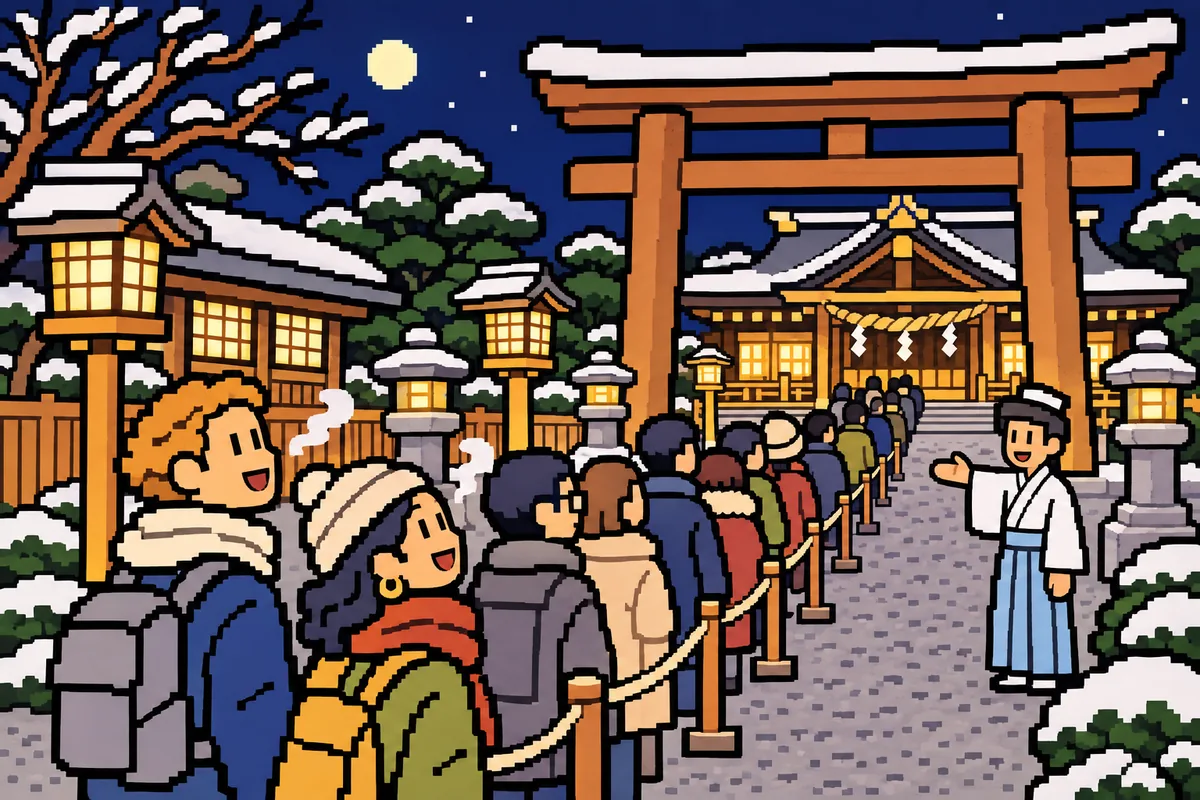
Hatsumode is the first visit of the year to a shrine or temple, and in Tokyo the busiest window is the night of December 31 through January 3. If you want the famous atmosphere, go around midnight and expect to queue in the cold; if you want an easy visit, go early in the morning or after January 3.
Joining millions of people on a holiday you didn't grow up with can feel like a lot to figure out. Most of it comes down to choosing your time, planning your ride home and knowing what happens at the front of the line.
- The peak is New Year's Eve night to January 3; the calmest times are early mornings and the days after
- Meiji Jingu stays open through the night of December 31, and its exact New Year hours come out in December
- Midnight means a long, cold wait; plan the ride home before you join the line
- At the front, you pray once and move on; charms and fortunes come after
- Bring coins, a charged phone and warm layers
What hatsumode is, in one minute
Hatsumode (初詣) means "the first visit": people go to a shrine or temple in the first days of the year to give thanks and pray for the year ahead. JNTO, Japan's national tourism organization, says it is typically done in the first few days of the year, and some people go straight from countdown events after midnight. The official Tokyo tourism site, GO TOKYO, lists the season as running from January 1 to mid-January, so a visit later in the month still counts.
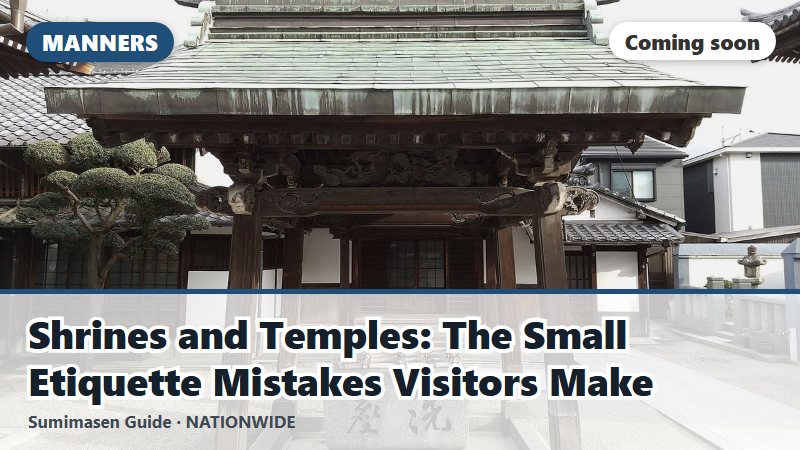
You don't need to be religious or Japanese to take part. How to bow, clap and use the water basin is the same as on any other day; it's all in our guide to shrine and temple etiquette. This page covers what is different at New Year: timing, crowds and the queue.
When to go: picking your time
According to GO TOKYO, Meiji Jingu alone draws several million people between New Year's Eve and January 3. JNTO puts the number at about 3 million for hatsumode, says the roads to the shrine are packed before midnight, and suggests going around 4 a.m. if you want to avoid the biggest crowds. In 2027, January 1 is a Friday, so January 2 and 3 fall on a weekend.
- For the atmosphere: arrive in the late evening of December 31 and wait into the new year. This is the hardest option: long queues outdoors at night.
- For a calmer New Year's Day: go early in the morning, as JNTO suggests for Meiji Jingu.
- For the easiest visit: go on January 4 or later. Most of the crowd comes before then, and GO TOKYO counts visits until mid-January as hatsumode.
Opening hours: what is confirmed for 2027
Meiji Jingu opens at sunrise and closes at sunset, and its official page lists 6:40 a.m. to 4:20 p.m. for an ordinary January day. GO TOKYO notes that it is open all night on December 31. When we checked on November 16, 2026, Meiji Jingu had not yet published its special hours for the 2027 New Year, so check its official website in December.
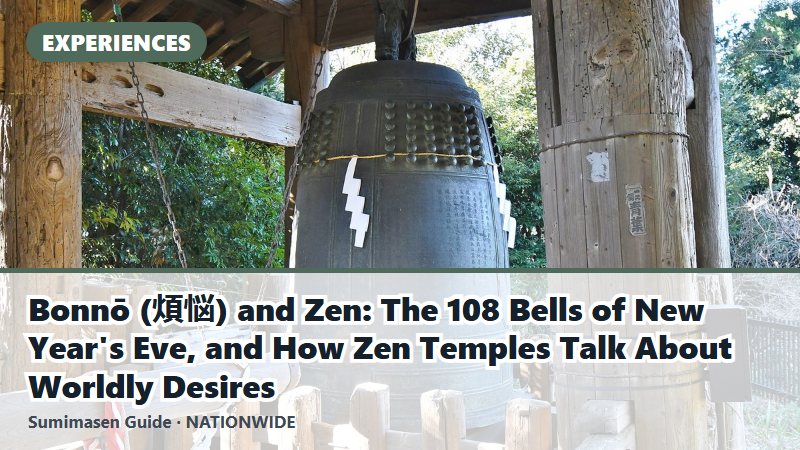
Senso-ji in Asakusa (Tokyo) opens its main hall from 6:30 a.m. between October and March and closes at 5 p.m. on ordinary days. On New Year's Eve, the temple says the grounds fill with people from the evening, waiting for the new year. Its bell is rung at midnight: 108 strokes by the temple's bell society, taking about 40 minutes, so visitors watch rather than ring it. New Year services in the main hall run from New Year's Eve to January 6.
Inside a shrine, some places keep shorter hours than the grounds. Meiji Jingu says some of its facilities mainly open from 9 a.m. to 4 p.m., so the charm counter or museum may not match the gate times.
Getting there and back on New Year's Eve
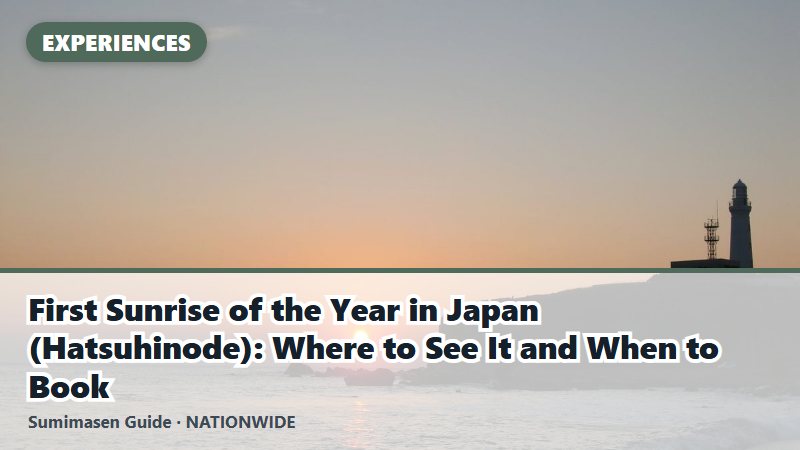
JR East has announced, in a press release of October 22, 2026, that it will run extra trains on 6 lines in the Tokyo area after the last train on New Year's Eve, into January 1. Routes and times are published from December 7 in the JR East app and its digital timetable. Last year's all-night services are described in our guide to the first sunrise of the year; this year's details may differ, so check after December 7.
- Check your exact ride back to your hotel before you join a midnight queue. Not every line runs all night.
- Stations near big shrines can get very crowded. Leave a little extra time, and follow station staff.
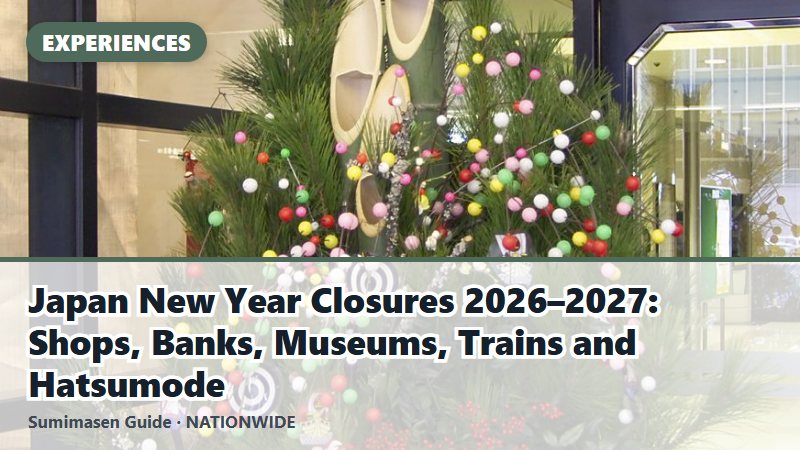
Many shops and restaurants change their hours over the holiday. Before you go out, read what closes over the New Year.
In the queue: what to expect
At a big shrine, the line to the main hall can be long, and you move forward when staff tell you to. A few things make the wait easier:
- Use the toilet first. Once you are in a long line, it's hard to step out.
- Have coins ready for your offering before you reach the front.
- Keep it short at the front. When your turn comes, pray once in the usual way and then make room for the people behind you.
- Follow the shrine's rules. At Meiji Jingu, photos and videos aren't allowed at the main sanctuary where people pray, drones are banned, and eating, drinking and smoking are limited to designated areas.
- Dress for the cold. You may stand outside for a long time at night; see what to wear in Japan in winter.
Two things that trip people up:
- Going at midnight without a plan for the ride home. The queue may take much longer than you expect.
- Expecting the shrine's New Year hours to be the same as last year's. Check the shrine's own notice in December.
After you pray: charms and fortunes
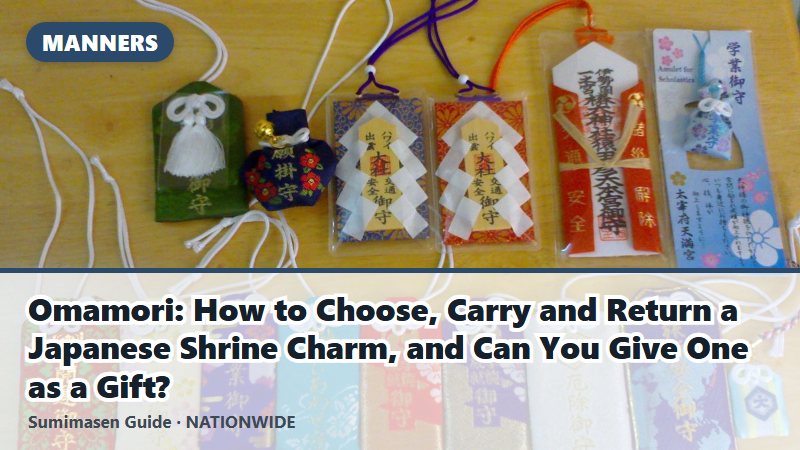
Many people buy a new charm and a written fortune after praying. JNTO notes that some visitors bring back last year's omamori (a small cloth charm) so that the shrine can dispose of it properly. If you have a charm from a past trip, our guide to keeping and returning an omamori explains what to do, even from abroad.
The New Year is also a good moment to think about what a shrine visit means in Japan: many people go to say thank you, not only to ask for things. Read more in why Japanese people visit shrines to give thanks.
Quick checklist
- Choose your time: midnight for the atmosphere, early morning or after January 3 for an easier visit.
- Check the shrine's New Year hours in December.
- After December 7, check JR East's extra trains for New Year's Eve.
- Bring coins, a charged phone and warm layers.
- At the front, pray once, then make room for the people behind you.
- Pick up a charm or fortune afterwards, and return old charms to the box for them.
Last reviewed: November 16, 2026. New Year hours, crowd controls and extra trains are announced each year; check the shrine's and the train company's official pages in December.
References
- JNTO: Countdowns, hatsuuri and hatsumode, a guide to New Year in Japan (English)
- GO TOKYO: Hatsumode at Meiji-jingu Shrine (English, updated February 3, 2026)
- Meiji Jingu: How to visit and opening hours (English)
- Meiji Jingu: Monthly opening and closing times (Japanese)
- Meiji Jingu: Etiquette (English)
- Senso-ji: New Year's Eve bell and opening hours of the main hall (Japanese)
- Senso-ji: New Year services, New Year's Eve to January 6 (Japanese)
- JR East: Winter extra trains, including New Year's Eve trains on 6 Tokyo-area lines (Japanese, press release of October 22, 2026, via PR TIMES)