Japan Packing List: The Small Things First-Time Visitors Forget, From a Coin Purse and Handkerchief to Slip-On Shoes and a Trash Bag
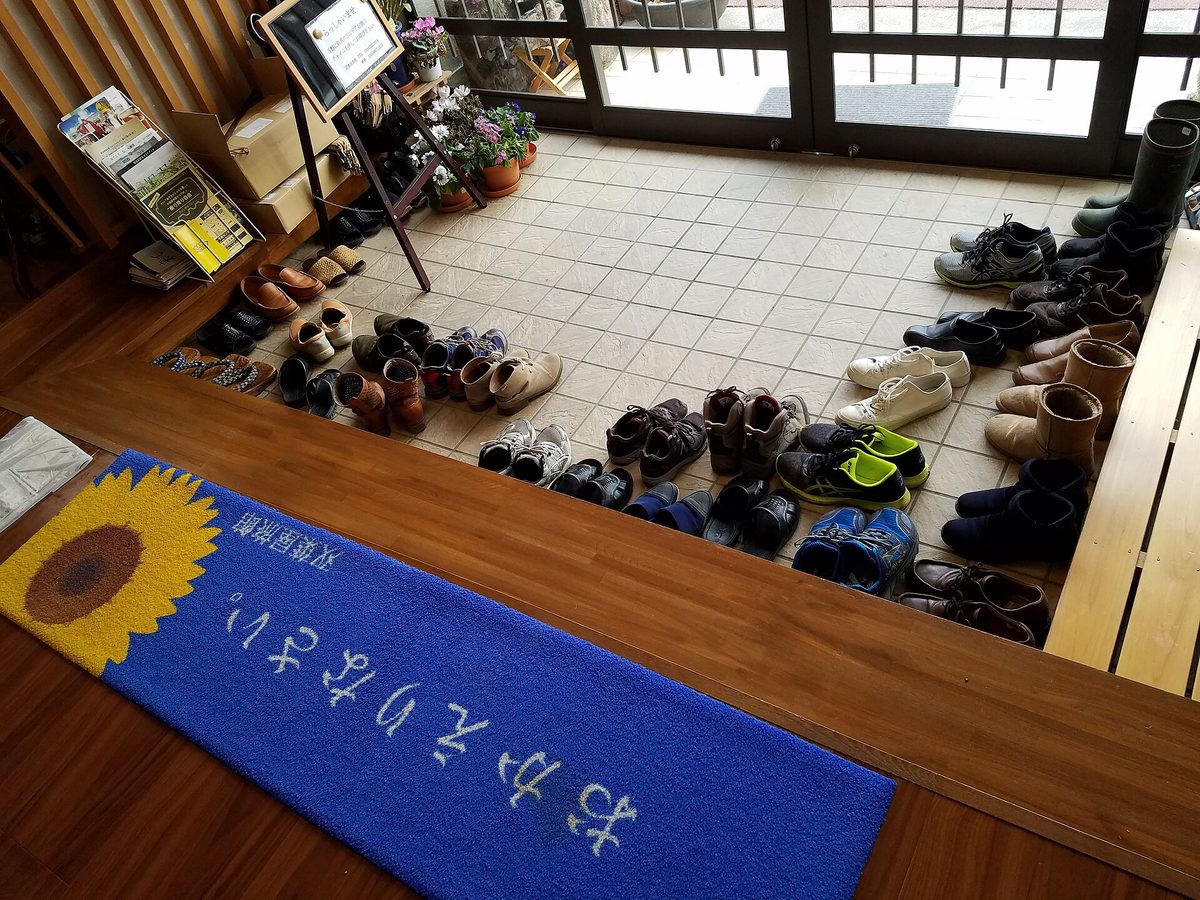
Packing for Japan is mostly like packing for any trip, with a few small additions that make daily life easier: a coin purse, a handkerchief, a folded bag for your trash and shoes you can take off quickly. None of them cost much, and each one answers something you'll meet on your first day.
This list covers what to pack and why, and links to our detailed guides for medicines, clothes for the season, power plugs and luggage.
- A coin purse: JNTO (Japan's national tourism organization) says both banknotes and coins are widely used in Japan.
- A handkerchief: the Tokyo Prefectural Shinto Association's guide to washing your hands at a shrine begins with having one ready.
- A small bag for trash: public trash cans can be limited, so you may need to carry your trash for a while.
- Shoes that slip on and off easily: you take them off at the entrance of a ryokan (a traditional Japanese inn) and in some stores and homes.
Free printable checklist
Every item on this page on one A4 sheet, with tick boxes and space for your own list.
Download the PDF (1 page)Money: a coin purse, cards and some cash
- A coin purse: JNTO's FAQ says both banknotes and coins are widely used in Japan, so you'll collect coins quickly. A small purse keeps them out of your pockets. Coins are handy for buses: a Koto City guide for visitors in Tokyo explains that the fare box has one slot for paying in coins and another for changing a bill. They are also what you offer at a shrine.
- Two payment cards, kept in different places, and your PIN.
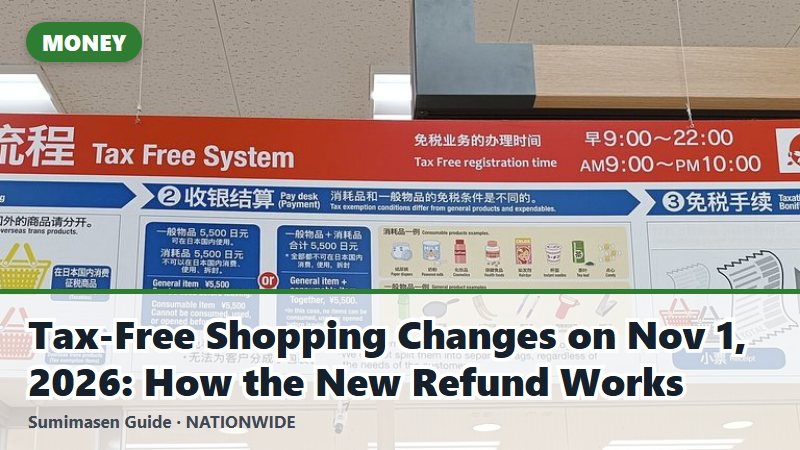
- Some cash: the same Koto City guide notes that not all stores accept credit cards or e-money, so always have some cash with you. See cash, cards or IC card for where to get yen.

Kohaku's tipPack a small coin purse. Coins come in handy for the fare box on buses and for your offering at a shrine.
Small things Japan assumes you'll have
- A handkerchief or small towel: at a shrine's water basin, the Tokyo Prefectural Shinto Association's guide says to have a handkerchief ready and to wipe your hands and mouth with it at the end. It is handy in restrooms too (see finding a toilet in Japan).
- A small foldable bag for trash: JNTO notes that public trash cans can be limited, so you may need to carry your trash until you find one. The Koto City guide says the same: if there are no trash cans nearby, take your trash with you. See handling garbage in Japan.
- A reusable shopping bag: the Koto City guide says most stores charge for plastic bags and suggests bringing your own.
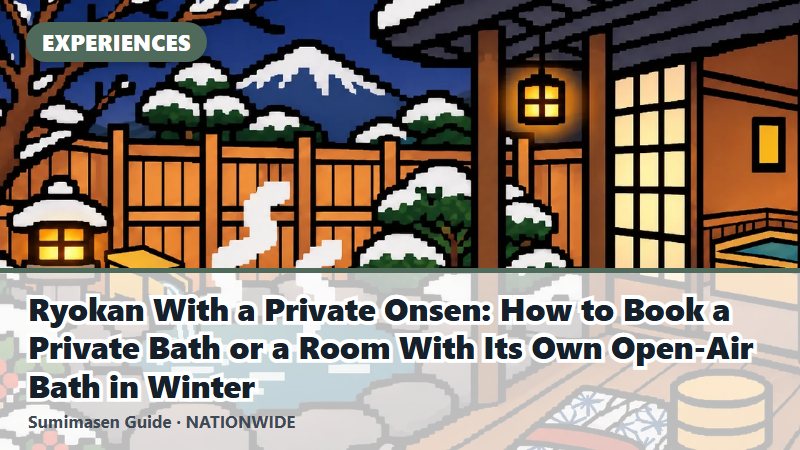
- A small towel for a public bath: JNTO says privately run hot springs often provide towels, but at public bathhouses you may need to rent or bring your own. See how to use an onsen or sento.
Shoes, socks and what to wear
- Shoes that slip on and off easily: JNTO explains that at a ryokan you take off your shoes at the entrance, put on the slippers provided, and take the slippers off too on tatami mats (woven straw floor mats). It adds that easy-to-slip-on shoes make life easier when you travel around. JNTO's FAQ also notes that some stores and private homes may ask you to remove your shoes. See why you take your shoes off so often in Japan.
- Socks you don't mind showing: once your shoes are off, people see your feet.
- Clothes for temples and shrines: JNTO's FAQ asks visitors to avoid overly revealing clothing at temples and shrines. A light layer you can put on over a sleeveless top is an easy way to be ready. See shrine and temple etiquette.
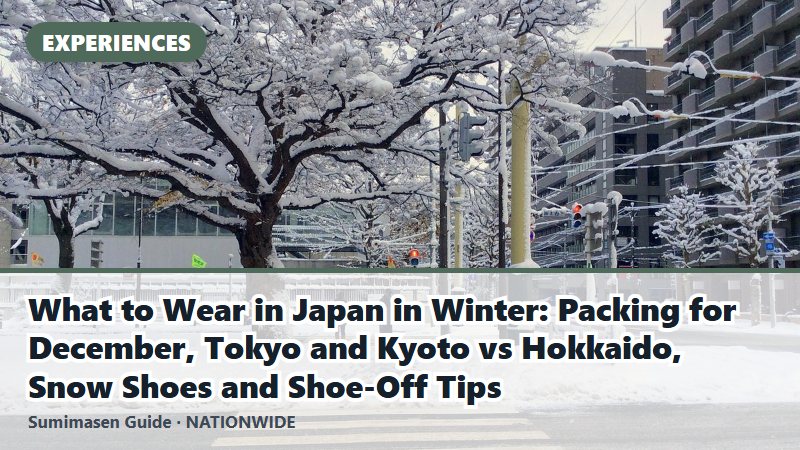
- Clothes for the season: check the weather for your month in the best time to visit Japan, month by month. Traveling from December to February? See what to wear in Japan in winter. From summer to autumn, read about typhoon season too.
Medicines, electronics and documents
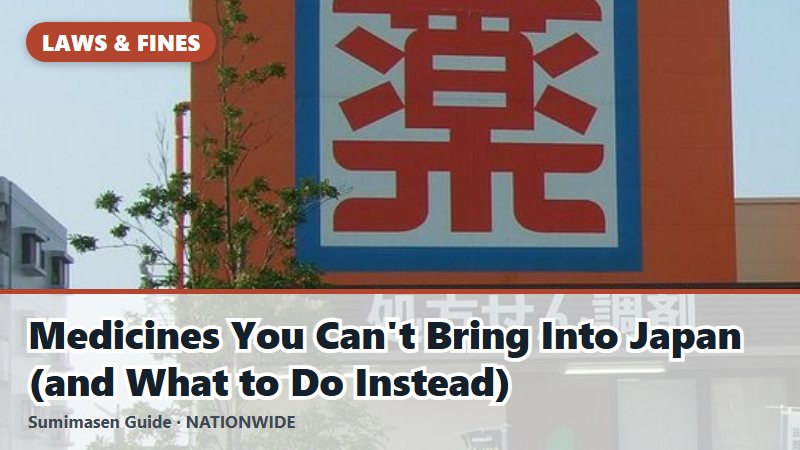
- Medicines: read the active ingredients before you pack, including everyday cold and pain tablets. Some can't be brought into Japan, and some need permission in advance. See medicines you can't bring into Japan.
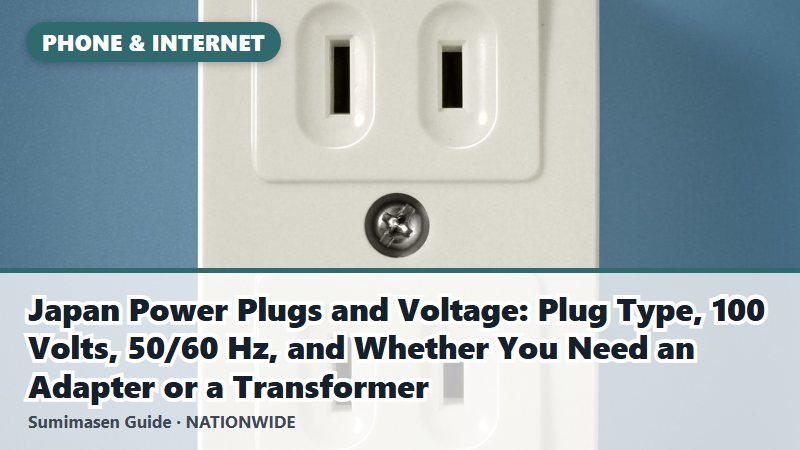
- A plug adapter, if you need one: Japan uses Type A plugs and 100 volts. Read the label on each charger before you pack. See Japan power plugs and voltage.
- Power banks in your carry-on, never in checked baggage. See power banks and the rules on planes.
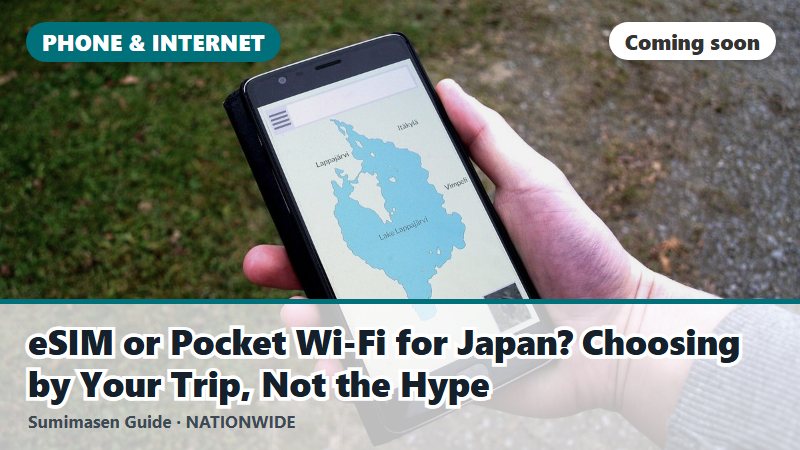
- Your phone, ready for data: an eSIM or a pocket Wi-Fi. See eSIM or pocket Wi-Fi.
- Your passport, and a copy kept separately. In Japan you carry the passport itself: see carrying your passport in Japan.
- Travel insurance details: see travel insurance and medical costs in Japan.
The suitcase itself: size matters on the Shinkansen
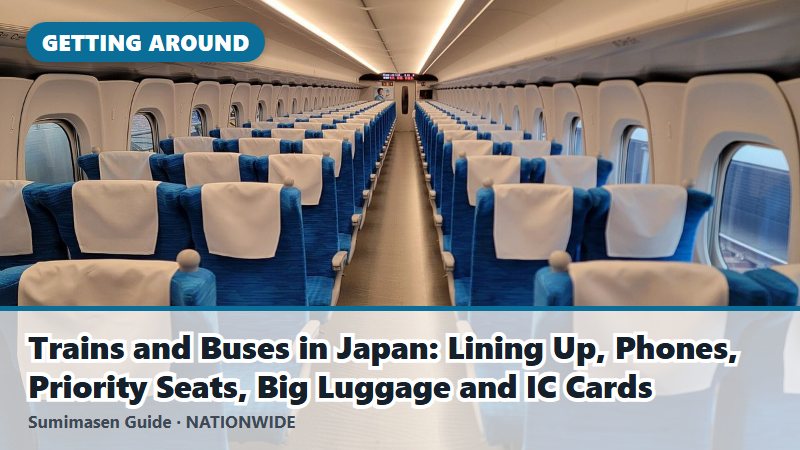
If you plan to ride the Tokaido, Sanyo or Kyushu Shinkansen, measure your suitcase before you buy tickets. JR Central explains that baggage with a total of three dimensions (length + width + height) between 161 and 250 cm needs a reservation for a seat with an oversized baggage area, and baggage over 250 cm can't be brought on board. A smaller suitcase, or sending the big one ahead, makes trains and stairs much easier. See luggage forwarding and coin lockers and Shinkansen tickets.
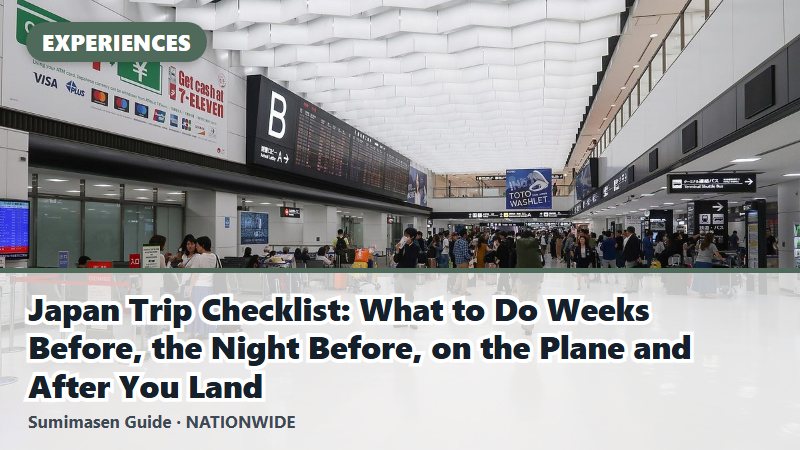
The rest of the preparation, in the order you'll need it, is in our Japan trip checklist.
Last reviewed: October 23, 2026. Rules and services change. Please check the linked guides and the official pages below before you travel.
Official sources (checked October 2026)
- JNTO: FAQ (English)
- JNTO: Understanding and mastering Japanese manners and etiquette (English)
- Koto City (Tokyo): How to Enjoy Tokyo! Manners and Customs Handbook (English, PDF)
- Tokyo Prefectural Shinto Association: how to visit a shrine (Japanese)
- JNTO: Plugs and electricity in Japan (English)
- JR Central: oversized baggage (English)