Japan's Buzzwords of the Year 2026: The 30 Nominees, and the Ones You Might Actually See on Your Trip
Quick answer
- The 30 nominees for Japan's 2026 buzzword awards were announced on November 5, 2026; the top 10 and the grand prize come on December 1 at 2 pm Japan time.
- Words a visitor may meet: Chiikawa, Bonbon Drop stickers, Suntory's guilty soda, one-dish bento, kokushobi (40°C or more), Alert Level 5, bicycle blue tickets and Punch the monkey.
- Some nominees are slang that can sound rude, so enjoy them as trivia.
Every year, Japan picks its "words of the year." On November 5, 2026, the organizers announced 30 nominees, from Chiikawa and puffy stickers to new weather terms and bicycle tickets. The top 10 and the grand prize will be announced on December 1. About a third of the list is something a visitor could actually run into: in shops, at vending machines, in weather alerts or at a zoo near Tokyo.
The list is a quick snapshot of what people in Japan talked about this year. This guide explains the award in a few lines, lists all 30 words, and then looks more closely at the ones you might see or hear on a trip.
Results (December 1)
The top 10 and the grand prize will be announced on December 1, 2026, at 2 pm Japan time. We'll add them here.
- The award picks the words that best captured the year in Japan; 30 nominees were announced on November 5, 2026
- Shops: Chiikawa goods and Bonbon Drop puffy stickers are both on the list
- Food and drink: a "guilty" soda from Suntory and one-side-dish bento boxes
- Safety: kokushobi means a day of 40°C or more, and "Level 5" is the highest disaster alert level
- Bikes: since April 1, 2026, cyclists aged 16 and over can get "blue ticket" fines
- A baby monkey at Ichikawa City Zoo, near Tokyo, made the list too
What the Buzzword Awards are
The full name is the Gendai Yōgo no Kiso Chishiki Selection T&D Insurance Group New Words and Buzzwords Award (新語・流行語大賞, shingo ryūkōgo taishō). Gendai Yōgo no Kiso Chishiki, roughly "Basic Knowledge of Current Terms," is a yearbook of new words published by Jiyu Kokuminsha. The publisher runs the award, and the T&D Insurance Group is its sponsor. The organizers say the results are announced in early December each year.
The 30 nominees for 2026 were taken from the new words in the latest edition of the yearbook, which went on sale on November 5, 2026, the same day the list was announced. This is the 43rd award. Japanese media cover it widely, so you may see the words on TV and in news headlines in late November and early December.
In shops: Chiikawa and Bonbon Drop stickers
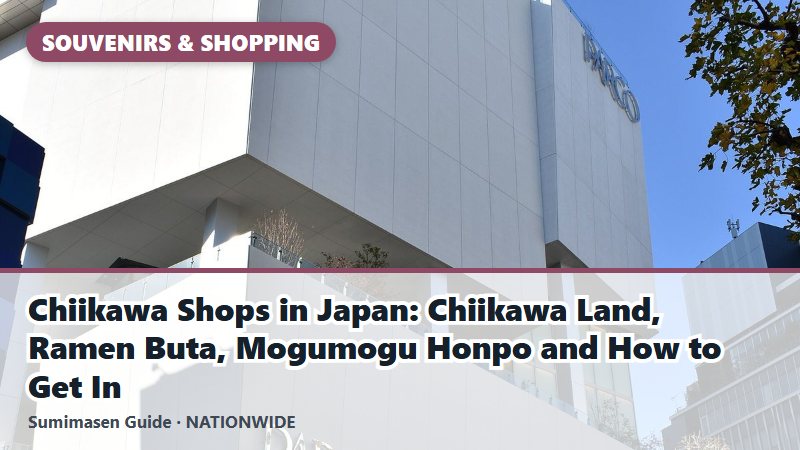
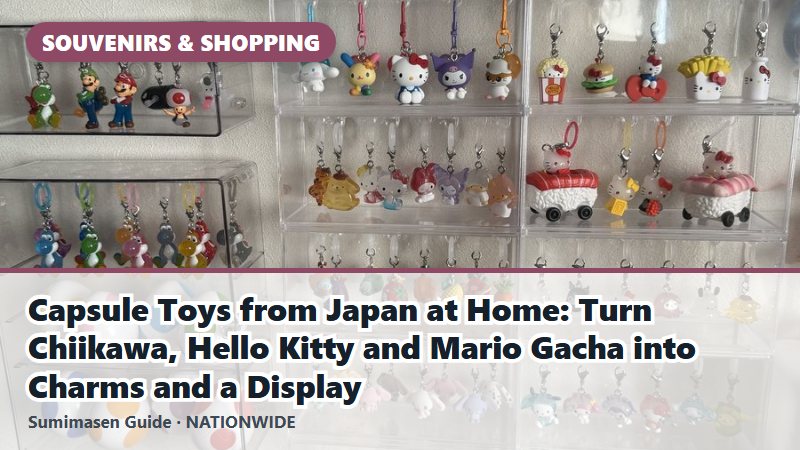
ちいかわ(現象) Chiikawa (genshō), "the Chiikawa phenomenon." Chiikawa is a manga by the illustrator Nagano about small, cute creatures. Nippon.com describes how it grew into books, collaborations and a 2026 film, with fans of all ages. The first film, 映画ちいかわ 人魚の島のひみつ (roughly "Chiikawa the Movie: The Secret of Mermaid Island"), opened on July 24, 2026, and passed 10 billion yen at the box office. On a trip, you'll notice Chiikawa on shop shelves and in character stores; see Chiikawa shops in Japan for where to go and how to get in.
なんとかなれーッ Nantoka narē! is also from Chiikawa: a hopeful line from the character Hachiware, something like "Let it all work out somehow!" Nippon.com says it struck a chord with people going through hard times.
ボンボンドロップシール(ボンドロ) Bonbon Drop stickers, or Bondoro. These are plump, glossy stickers that look like drops, sold by the stationery maker Q-LiA since March 2024. Trading them became a trend among children and adults, and several retailers sold out or stopped online sales. The maker warns that copies are being sold, so if someone offers them to you at a high price outside a store, keep that in mind. For prices, lotteries and how to spot a fake, see Bonbon Drop Stickers in Japan.
At vending machines and stores: "guilty" soda and one-dish bento
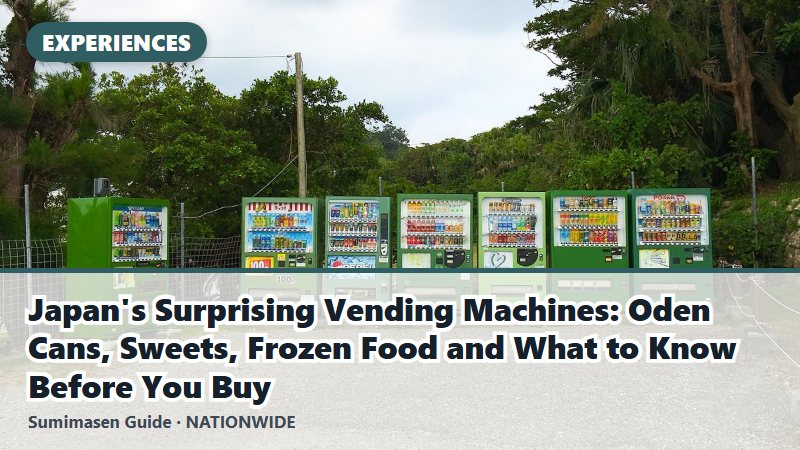
ギルティ giruti, "guilty." The word describes buying something you enjoy even though you feel a little guilty about it, the opposite of choosing low-calorie or low-fat products. The best-known example is Suntory's ギルティ炭酸 NOPE (giruti tansan, "guilty soda"), launched in March 2026. It comes in a 600 ml plastic bottle and a 340 ml can sold only in vending machines, and more than 100 million bottles were shipped within 150 days of its launch. For how to use the machines, see vending machines in Japan.
だけ弁当 dake bentō, "just-one bento." A bentō is a boxed meal. Lawson Store 100, a low-price convenience store chain, has sold a series since 2021 in which each box has only one side dish on the rice. The series made the list because, with prices rising, more people want cheap meals.
Weather and safety: 40°C days and Alert Level 5
酷暑日 kokushobi is a new official term from the Japan Meteorological Agency (JMA) for a day when the high reaches 40°C or more. The JMA chose the name on April 17, 2026, after a public vote. It joins two terms you may already hear in summer forecasts: manatsubi (真夏日), a day of 30°C or more, and mōshobi (猛暑日), a day of 35°C or more. If you visit in summer and see 酷暑日 in a forecast, plan the hottest part of the day indoors.
警戒レベル5 keikai reberu 5, "Alert Level 5." Japan uses five alert levels for heavy rain, floods, landslides and storm surges. From May 2026, the JMA's warnings for these four kinds of disaster carry a level number in their names, such as a "Level 4" danger warning and a "Level 5" special warning. Japan's tourism agency explains Level 5 like this: a disaster is happening or about to happen, so protect yourself from the danger immediately. It also says not to wait for Level 5: leave a dangerous place at Level 4 or earlier. For alerts in English, see apps for your Japan trip and typhoon season in Japan.
On a bike: the blue ticket
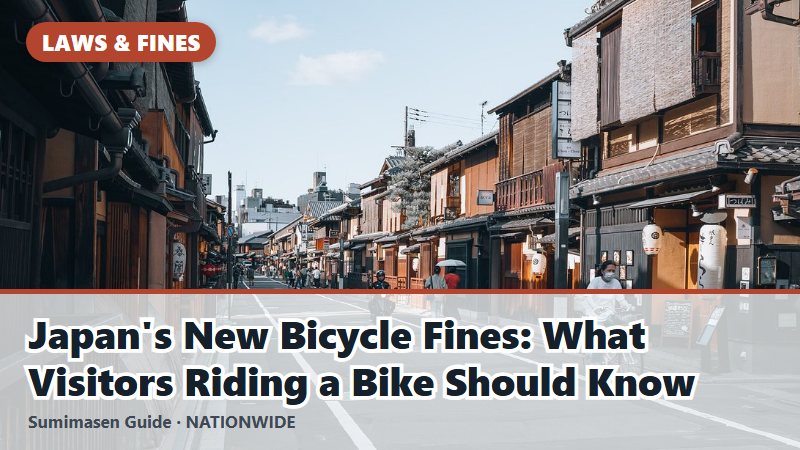
青切符 ao kippu, "blue ticket." Since April 1, 2026, Japan's system of on-the-spot fines for minor traffic violations also covers people riding bicycles. The National Police Agency says it applies to riders aged 16 and over, and nippon.com reports fines from 3,000 to 12,000 yen. This matters if you rent a bike or use a share bike, even without a driver's license. See Japan's new bicycle fines for what gets fined and rental and share bikes in Japan for where to ride.
At a zoo near Tokyo: Punch the monkey
パンチくん Panchi-kun, "Punch." (-kun is a friendly ending often used for boys.) Punch is a Japanese macaque at Ichikawa City Zoo in Ichikawa, Chiba, next to Tokyo. He was born in July 2025, raised by zookeepers after his mother didn't care for him, and became famous worldwide for clinging to a stuffed orangutan toy. The zoo says he began living with the troop on Monkey Mountain on January 19, 2026, and that he still has his stuffed toy.
The zoo's viewing rules for Monkey Mountain, published in English, Chinese, Korean and Spanish, include:
- Viewing in the front row is limited to 10 minutes; crouch in the front row and then make room for people behind you.
- Stay quiet and don't run.
- No umbrellas, eating or drinking while viewing.
- No tripods, selfie sticks, stepladders or chairs, and no live streaming anywhere in the zoo.
The zoo updated its rules for viewing and taking photos from October 21, 2026, so check its website before you go. The zoo is open 9:30 am to 4:30 pm (last entry 4 pm) and closed on Mondays (or the next day if Monday is a public holiday) and over the New Year holidays. Admission is 440 yen for adults and 110 yen for children; preschool children get in free. For other zoos, see zoos in Japan.
All 30 nominees in one line each
In the order of the official list (Japanese syllabary order). Explanations are short summaries based on nippon.com and other news reports.
- 青切符 (ao kippu): blue-ticket fines for cyclists aged 16 and over, from April 1, 2026.
- あかり、信じてるからな (Akari, shinjiteru kara na, "Akari, I'm counting on you"): a catchphrase linked to the cook and dietitian Akari Hasegawa's unusual recipes on social media.
- AI暴走 (AI bōsō, "AI running wild"): worries about AI tools acting outside their developers' control.
- キオクシア (Kioxia): a Japanese chipmaker whose share price drew attention.
- ギルティ (giruti, "guilty"): buying treats you feel a little guilty about.
- 警戒レベル5 (Alert Level 5): the highest disaster alert level.
- 言語化 (gengoka): putting vague feelings and ideas into words.
- 声の権利 (koe no kenri, "voice rights"): the debate over protecting people's voices from AI copying.
- 酷暑日 (kokushobi): a day of 40°C or more.
- 消費税1% (shōhizei 1%): a cabinet-approved bill to lower the consumption tax on food and drink to 1% for two years.
- 好きすぎて滅! (Suki sugite metsu!): a hit song by the boy band M!LK.
- スクイーズ (sukuīzu): soft "squishy" toys you squeeze.
- スマホ農場 (sumaho nōjō, "smartphone farm"): rows of phones used to fake activity on social media.
- setlog(セットログ): an app that joins short daily clips into videos for close friends.
- だけ弁当 (dake bentō): Lawson Store 100's bento boxes with one side dish.
- ちいかわ(現象) (the Chiikawa phenomenon): the manga and characters that grew into a 2026 hit film.
- データセンター (data centers): built in growing numbers for AI, with debate about their effect on the environment and neighbors.
- ドパガキ (dopagaki): internet slang for someone always chasing quick thrills; it can be rude when aimed at a person.
- ナフサ (naphtha): an oil product used to make plastics, whose prices and supply made the news.
- なんとかなれーッ (Nantoka narē!): Hachiware's hopeful line from Chiikawa.
- NISA貧乏 (NISA binbō, "NISA poor"): putting so much into tax-free NISA investment accounts that daily life gets tight.
- パンチくん (Punch): the young monkey at Ichikawa City Zoo.
- ピックルボール (pickleball): the fast, easy-to-learn racket sport whose boom reached Japan.
- フィジカルAI (physical AI): AI with a body, such as robots, working in the real world.
- フレネミー (frenemy): someone who seems friendly but is also a rival.
- ホビ垢 (hobi aka): a separate social media account just for a hobby.
- ボンボンドロップシール(ボンドロ) (Bonbon Drop stickers): puffy, glossy stickers that started a trading craze.
- モナキ (Monaki): a vocal group that made its major-label debut this year.
- 夜の踊り子 (Yoru no Odoriko): Sakanaction's 2012 song, popular again through dance videos online.
- りくりゅう (Riku-Ryū): figure skaters Riku Miura and Ryuichi Kihara, who won Japan's first Olympic gold in pairs at the Milano Cortina 2026 Winter Games.
Some words, like dopagaki, are slang that can sound rude. It's safer to enjoy them as trivia than to try them out on people you meet. For more on why words carry weight in Japan, see kotodama, the power of words.
Quick checklist
- Results: December 1, 2026, at 2 pm Japan time.
- In shops: look for Chiikawa goods; be careful with Bonbon Drop stickers sold at high prices outside stores.
- Summer forecast says 酷暑日? That's 40°C or more.
- Alert at Level 4? Leave the dangerous place; don't wait for Level 5.
- Riding a bike? Blue-ticket fines apply from age 16.
- Visiting Punch? Front-row viewing is 10 minutes; the zoo is closed on Mondays.
Last reviewed: November 17, 2026. We'll update this page with the top 10 and the grand prize on December 1, 2026. Zoo hours, prices and rules can change; check the official pages before you go.
References
- Jiyu Kokuminsha: New Words and Buzzwords Award, official page with the 2026 nominees (Japanese)
- Nippon.com: Japan's Words of the Year for 2026, November 5, 2026 (English)
- ORICON NEWS: The 30 nominees and the December 1 announcement, November 5, 2026 (Japanese)
- AdverTimes: Chiikawa, guilty and dake bento among the nominees, November 5, 2026 (Japanese)
- KAI-YOU: The nominees explained, including Bonbon Drop stickers, November 5, 2026 (Japanese)
- AdverTimes: Chiikawa, a 10-billion-yen box office hit, August 24, 2026 (Japanese)
- Shukan Josei PRIME: Counterfeit warnings for puffy stickers, February 7, 2026 (Japanese)
- DIME: Suntory's guilty soda NOPE, sizes and launch, July 4, 2026 (Japanese)
- Japan Meteorological Agency: Name for days of 40°C or more decided as kokushobi, April 17, 2026 (Japanese, PDF)
- Japan Meteorological Agency: Forecast terms for temperature (Japanese)
- Japan Meteorological Agency: New disaster weather information from May 2026 (Japanese)
- Japan Tourism Agency, Safety tips: Evacuation information and alert levels (English)
- National Police Agency: Blue tickets for bicycles from April 1, 2026 (Japanese)
- Ichikawa City Zoo: Notices about Punch and viewing rules for Monkey Mountain (Japanese, with English PDFs)
- Ichikawa City Zoo: Hours and admission (Japanese)
- Kyodo News (via Kumamoto Nichinichi Shimbun): Punch turns one, July 23, 2026 (Japanese)
- Kyodo News (via Akita Sakigake Shimpo): Miura and Kihara, Japan's first Olympic gold in pairs, April 28, 2026 (Japanese)