Home › Destinations › Okinawa
Okinawa: local rules to know
Naha (Okinawa) and the islands
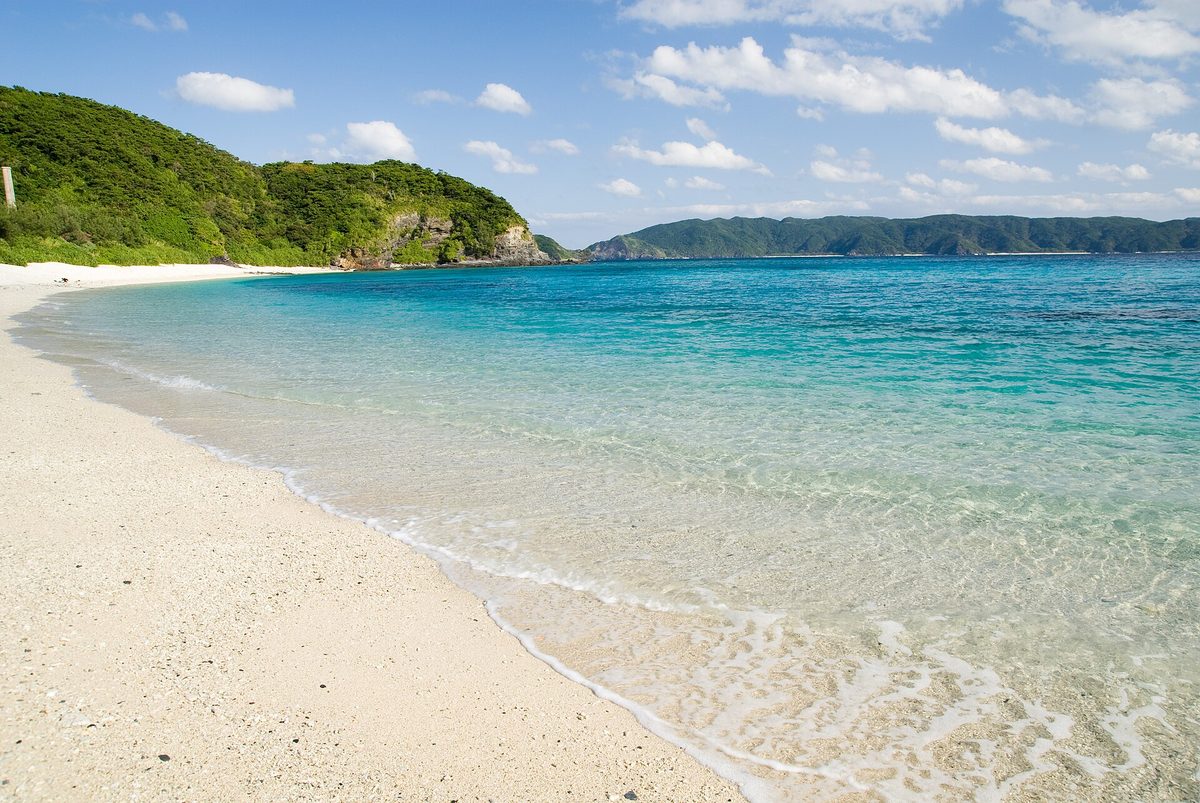
Furuzamami Beach on Zamami Island, Okinawa. Photo: Hashi photo · CC BY 3.0 · Photo details
Local rules here are checked against the local government's own ordinances and official pages. Nationwide rules apply here too.
What to read first in Okinawa
Choose your island first: Okinawa Main Island, Miyakojima, and Ishigaki/Taketomi are separate destinations.
Official facts and owner visit notes are kept separate; some articles have no visit note.
Okinawa Main Island
- Okinawa Main Island: Churaumi Aquarium, Naha (Okinawa) and Getting Around
The main-island visit article covers getting around near the aquarium and the hotels stayed at.
Miyakojima
- Miyakojima (Okinawa): Island-Hopping by Bridge, Sacred Ogami Island and a Villa Stay
The Miyako visit article covers bridge drives, the Ogami Island boat, and island rules.
- Miyakojima (Okinawa): Sea Turtles, a Wartime Cave, and Mamoru-kun the Police Doll
The Miyako visit article covers sea-turtle viewing, cave etiquette, and Mamoru-kun spots.
Ishigaki and Taketomi
- Where to Stay in Ishigaki (Okinawa): 3 Hotels I Stayed At
The Ishigaki hotel article compares three stays through the operator’s own experiences.
- Ishigaki and Taketomi (Okinawa): Ferries, Taketomi's Village Rules and a Day Plan
The Taketomi article covers the ferry from Ishigaki, island rules, and nearby stops.
Rules and getting around
- Okinawa's Sea: Box Jellyfish, Vinegar, and Snorkeling with a Life Jacket
Check official pre-swim safety notices from the prefecture and coast guard.
- Driving a Rental Car in Okinawa: Licenses, Bus Lanes, Car-Free Sundays and Wet Roads
Before renting a car, check official notes on bus lanes and Sunday traffic rules.
Official sites: VISIT OKINAWA JAPAN
Local rules in Okinawa
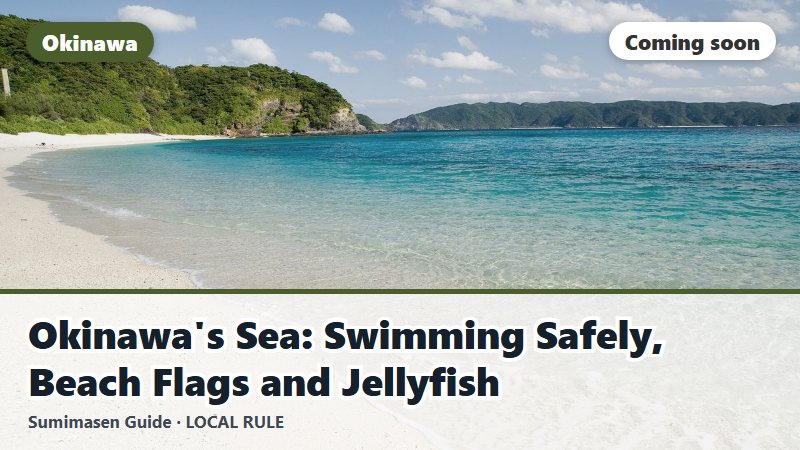 Okinawa's Sea: Box Jellyfish, Vinegar, and Snorkeling with a Life JacketThe water around Okinawa is warm, clear and full of life, which is exactly why a few simple precautions matter.
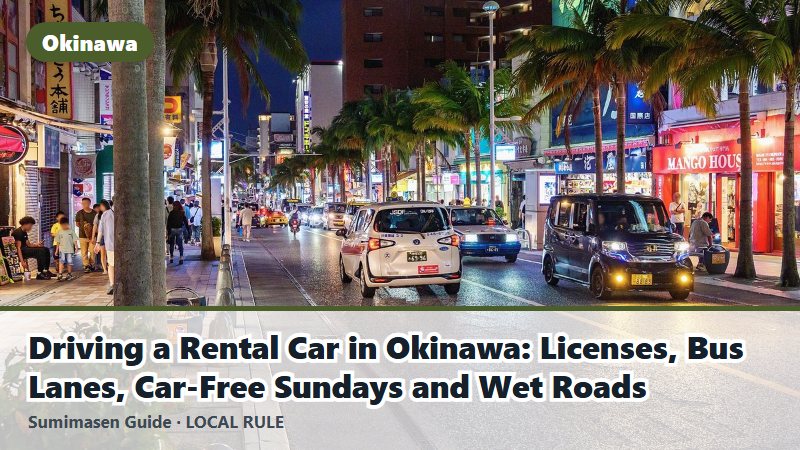 Driving a Rental Car in Okinawa: Licenses, Bus Lanes, Car-Free Sundays and Wet RoadsMany visitors explore Okinawa by rental car, and it's a great way to reach beaches and the north of the main island.
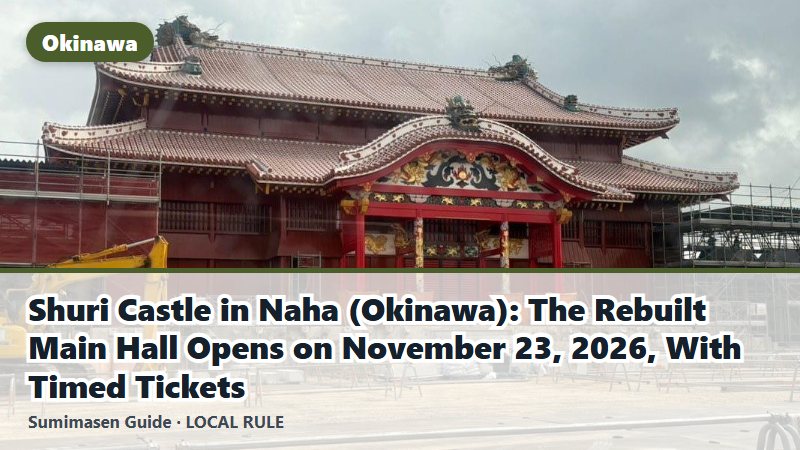 Shuri Castle in Naha (Okinawa): The Rebuilt Main Hall Opens on November 23, 2026, With Timed TicketsSeven years after the fire of October 2019, the main hall ( Seiden ) of Shuri Castle is opening to the public again on November 23, 2026 .
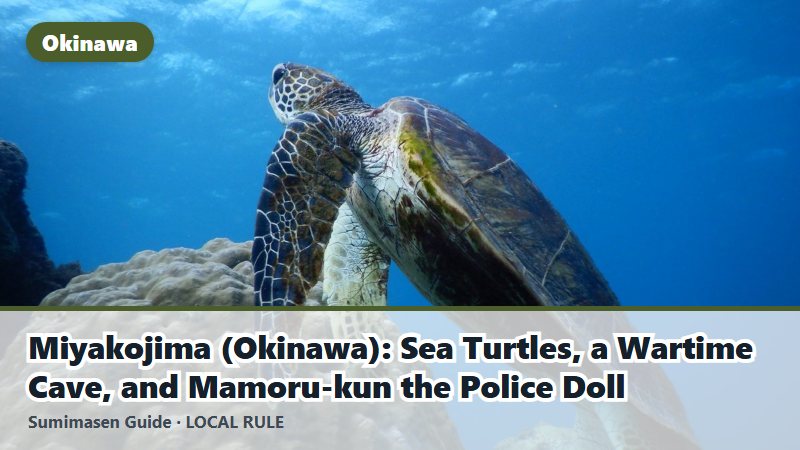 Miyakojima (Okinawa): Sea Turtles, a Wartime Cave, and Mamoru-kun the Police DollMiyakojima (Okinawa) is a flat coral island about 300 km southwest of Naha (Okinawa), known for clear water and sea turtles.
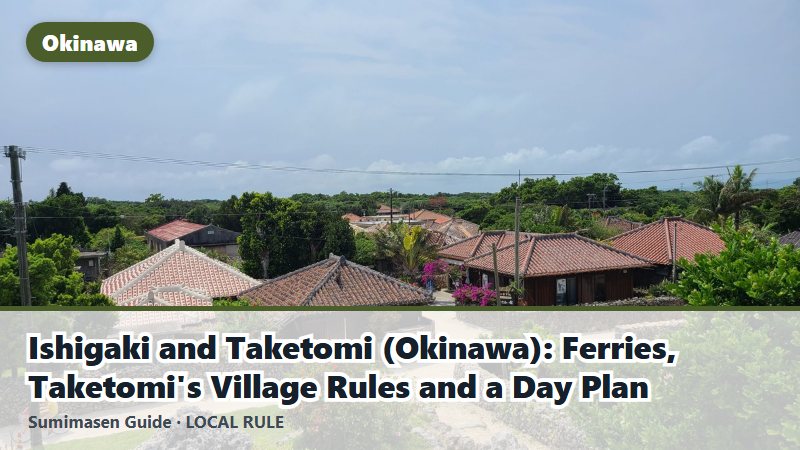 Ishigaki and Taketomi (Okinawa): Ferries, Taketomi's Village Rules and a Day PlanTaketomi Island is a small, flat island a short ferry ride from Ishigaki (Okinawa), in the Yaeyama Islands at the far south-west of Japan.
 Where to Stay in Ishigaki (Okinawa): 3 Hotels I Stayed AtIshigaki (Okinawa) is the gateway to the Yaeyama Islands, the far south-west of Japan, and where you stay shapes your trip: by the ferry terminal for…
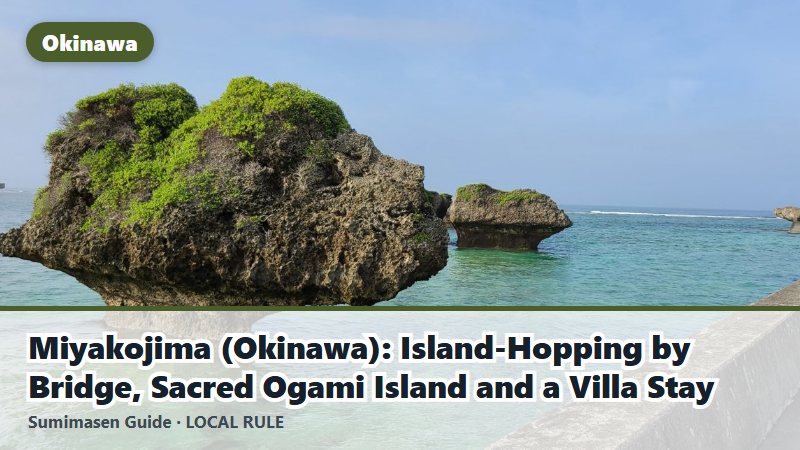 Miyakojima (Okinawa): Island-Hopping by Bridge, Sacred Ogami Island and a Villa StayMiyakojima (Okinawa) is famous for the color of its sea, often called "Miyako blue." Three long bridges link it to four smaller islands, so you can drive…
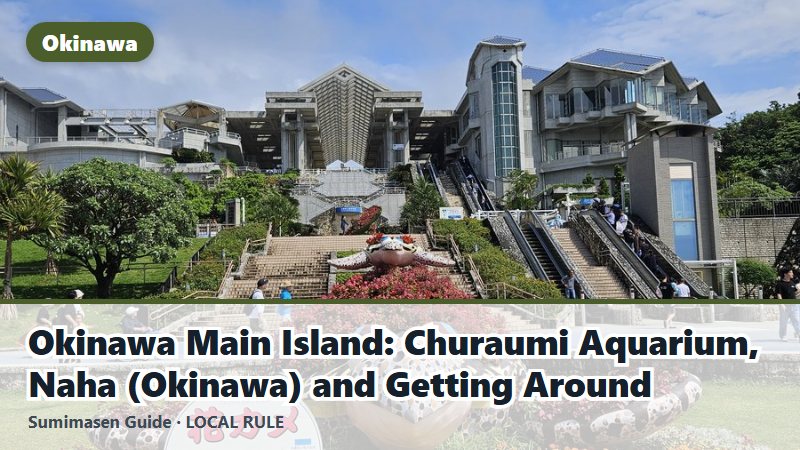 Okinawa Main Island: Churaumi Aquarium, Naha (Okinawa) and Getting AroundMost trips to Okinawa start in Naha (Okinawa), the capital, near the airport at the south end of the main island.
Photos from the site owner's visit
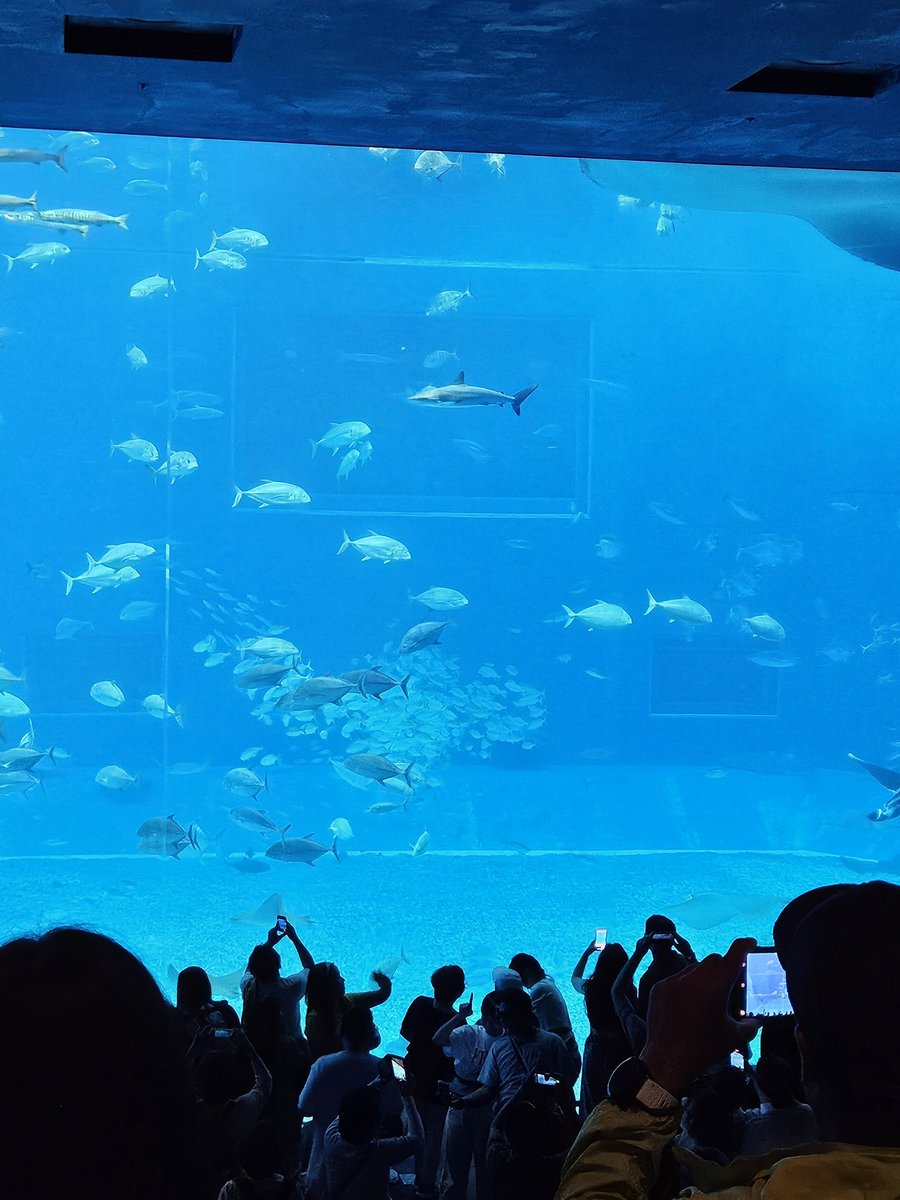
The main Kuroshio Sea tank at Okinawa Churaumi Aquarium, Motobu (Okinawa). Photo taken by the site owner.Photo: the site owner · All rights reserved · Photo details Okinawa Churaumi AquariumOkinawa Churaumi Aquarium is at 424 Ishikawa, Motobu (Okinawa), in the north of the main island. Its huge Kuroshio Sea tank shows whale sharks and manta rays. It is open 8:30-18:30 (last entry 17:30), with longer hours on some dates, such as until 21:00 in August 2026. The aquarium says it has no planned closures until March 31, 2027, except for typhoons and similar. Admission is 2,180 yen for adults, 1,440 yen for high school students, 710 yen for elementary and junior high school students, and free for children under 6. Checked on 2026-10-11.
Source: Okinawa Churaumi Aquarium: hours (Japanese) / Okinawa Churaumi Aquarium: admission (Japanese)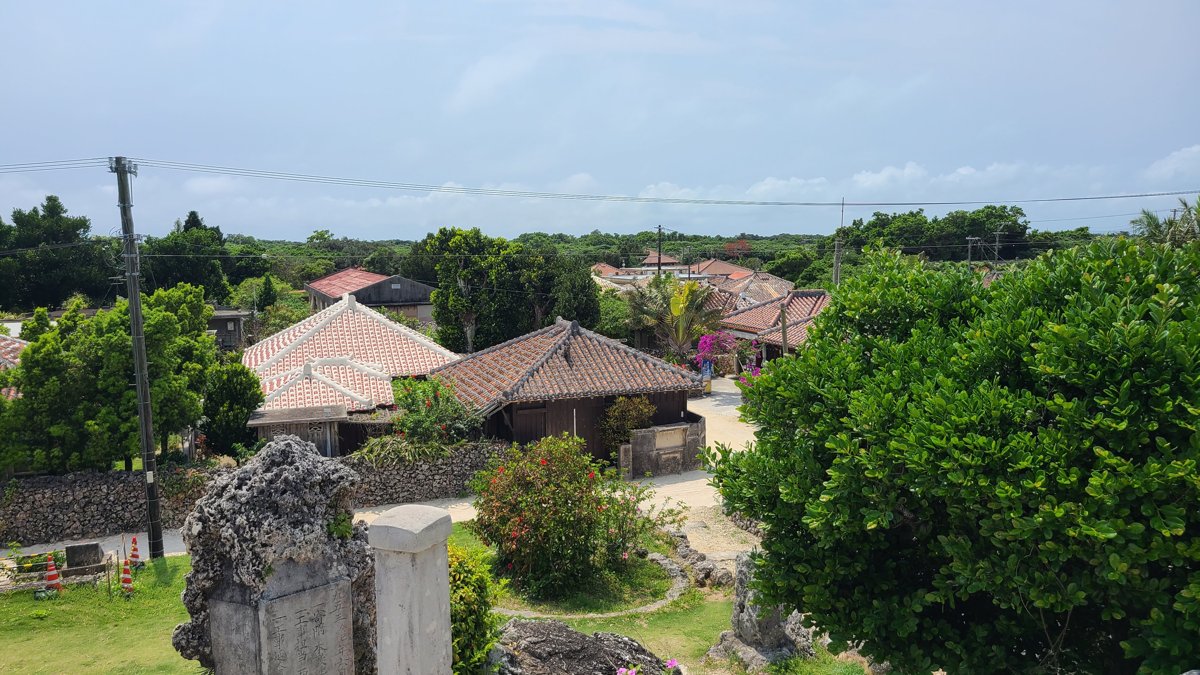
Red-tiled roofs in the village on Taketomi Island (Okinawa). Photo taken by the site owner.Photo: the site owner · All rights reserved · Photo details Taketomi Island villageTaketomi Island is about 15 to 20 minutes by ferry from the Ishigaki ferry terminal. Its village of red-tiled houses, coral stone walls and white sand roads is a preserved historic district where about 350 people live. The island asks visitors for an entry fee of 300 yen per person, paid at ticket machines at both ports, and asks them to stay outside the stone walls of houses, wear swimwear only at the beach, keep out of the utaki (sacred sites) and fly no drones. Checked on 2026-10-14.
Source: Taketomijima Regional Foundation: entry fee (Japanese) / Taketomi Island Visitor Center Yugafukan: requests to visitors (Japanese)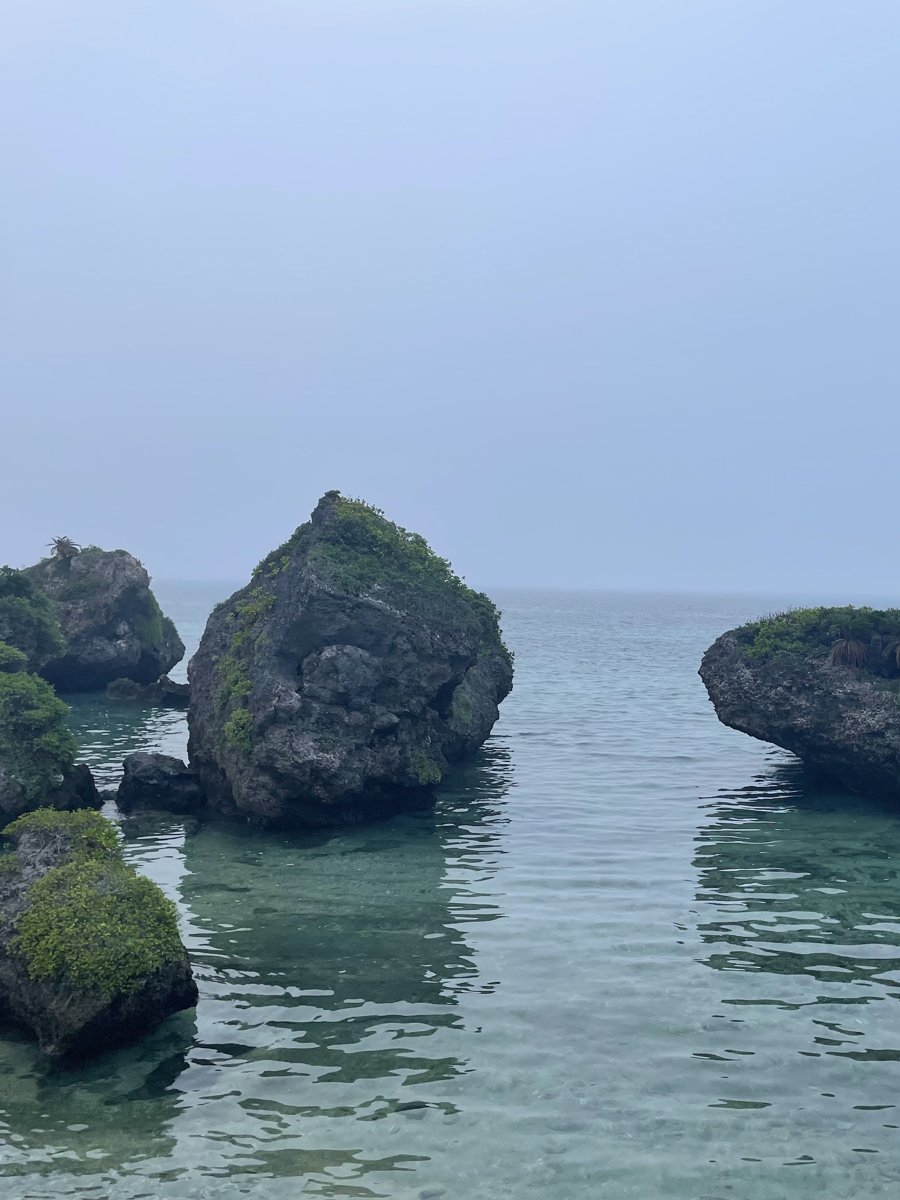
Rocks in the sea off Ogami Island, near Miyakojima (Okinawa), early in the morning. Photo taken by the site owner.Photo: the site owner · All rights reserved · Photo details Ogami Island, near Miyakojima (Okinawa)Ogami Island is a tiny island about 4 km north of Miyakojima (Okinawa), known as the island of the gods. The only way there is the Ogami Kaiun boat from Shimajiri Port: about 15 minutes, 4 round trips a day, no reservations, 370 yen one way for adults. There are sacred places on the island that visitors must not enter, and the boat company says acts that damage the island's nature are prohibited. Check the boat times before you go, and leave time for the last boat back. Checked on 2026-10-14.
Source: Ogami Kaiun: boat to Ogami Island (Japanese) / Visit Okinawa Japan: Ogami Island
Local food
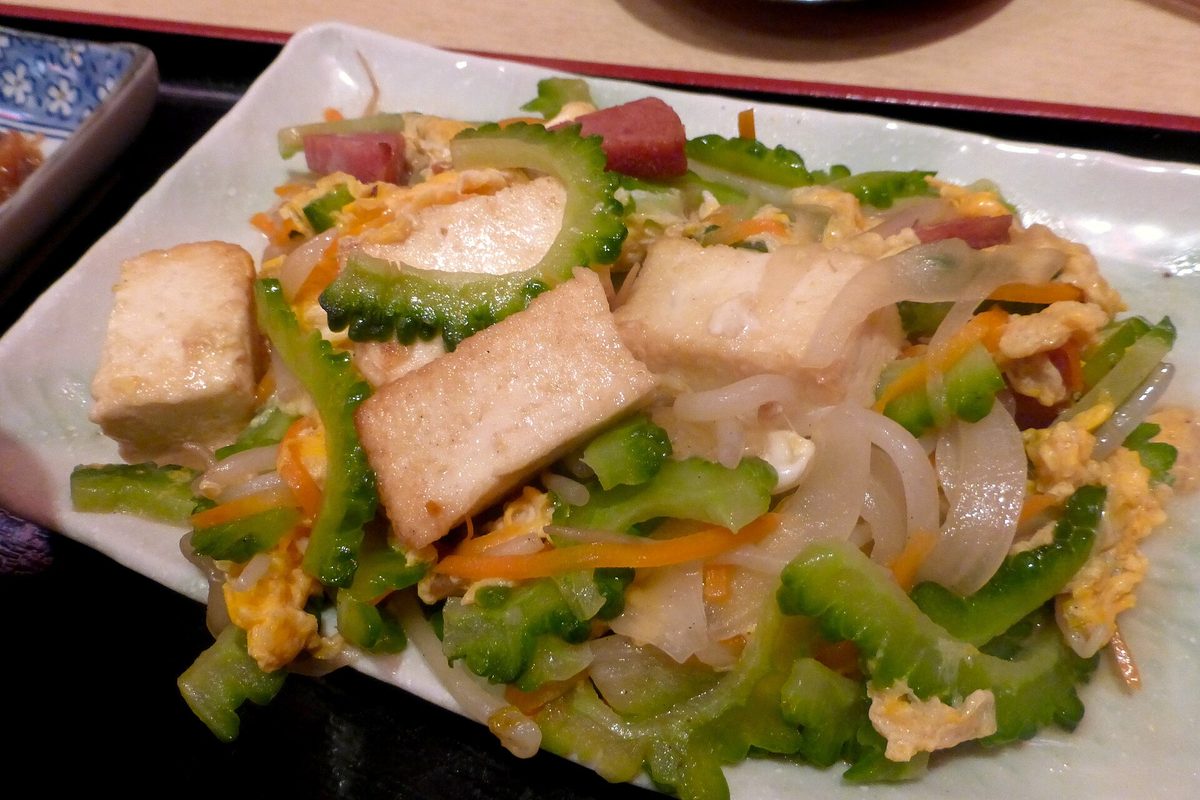
Goya champuru, a stir-fry of bitter melon, tofu and egg.Photo: Nesnad · CC BY 3.0 · Photo details Goya champuruOkinawa's most iconic stir-fry, made with bitter melon.
Source: JNTO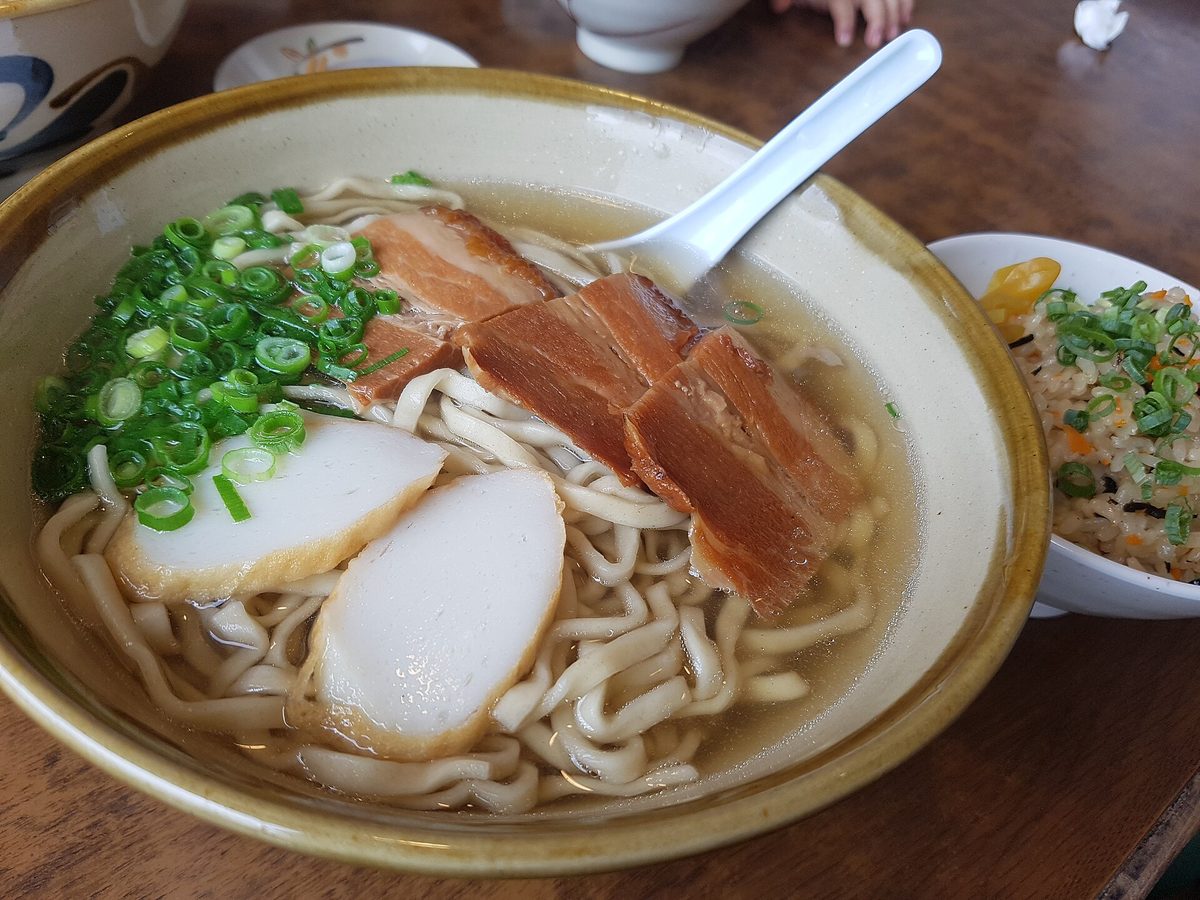
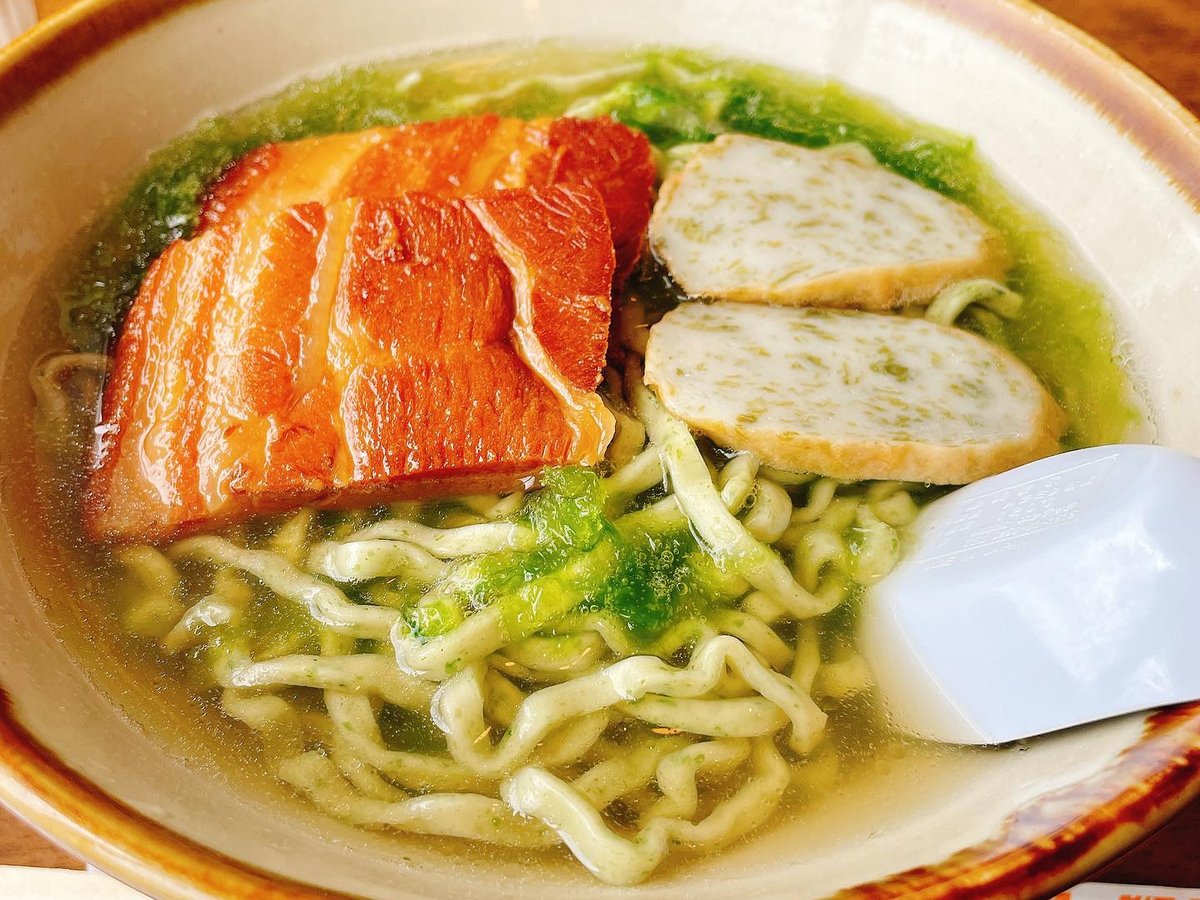
Okinawa soba topped with pork and fish cake. Okinawa soba with asa (sea lettuce) kneaded into the noodles and a light broth: one of my favorites. Photo taken by the site owner.Photo: Mokkie · CC BY-SA 3.0 · Photo detailsPhoto: the site owner · All rights reserved · Photo details Okinawa sobaThick noodles made only from wheat flour (no buckwheat), in a soup of pork bone and bonito broth.
Source: Ministry of Agriculture, Forestry and Fisheries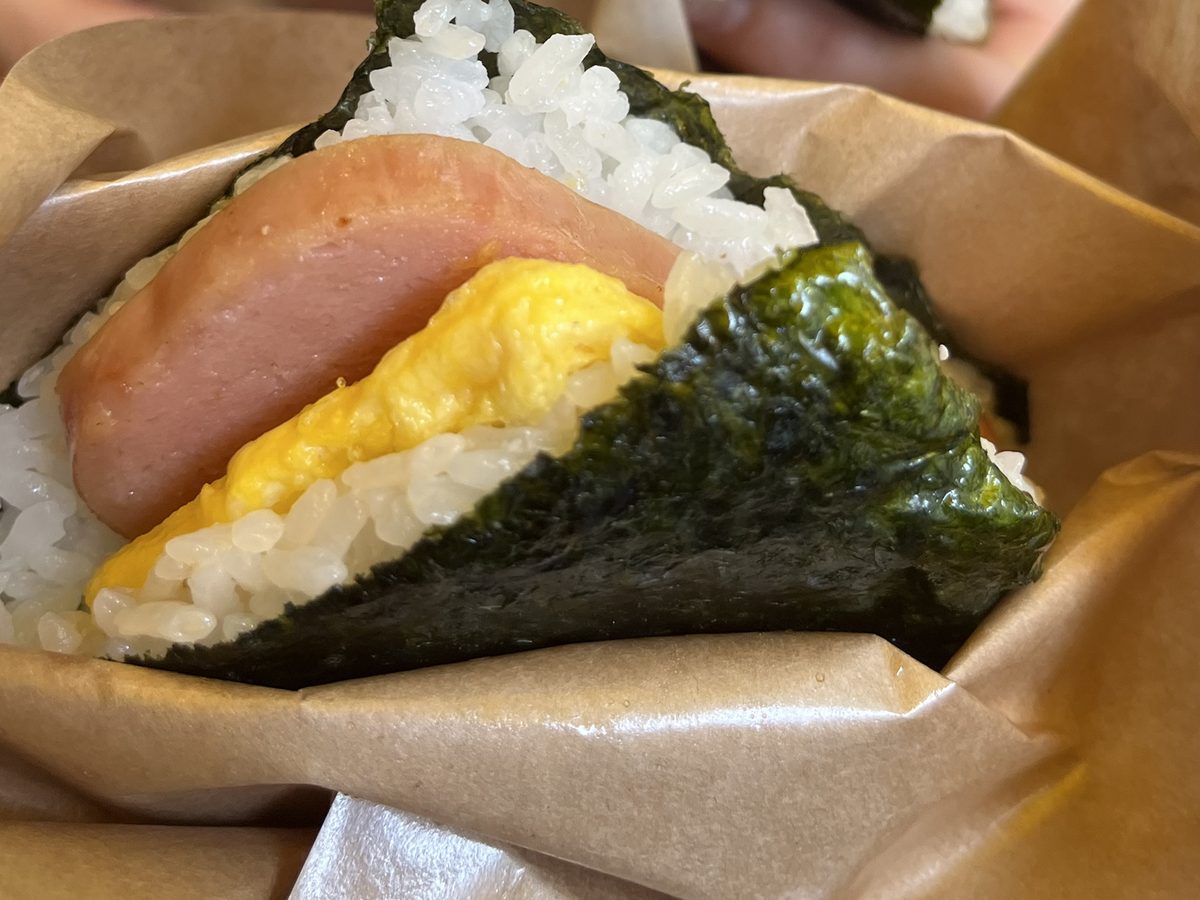
Pork tamago onigiri: pork luncheon meat and egg in rice, wrapped with nori. Photo taken by the site owner on a visit to Okinawa.Photo: the site owner · All rights reserved · Photo details Pork tamago onigiri (Potama)A rice-ball sandwich of pork luncheon meat and egg, wrapped in nori. The specialty shop Potama calls it Okinawa's soul food, sold at every convenience store and bento shop, and says it was the first shop in Okinawa to make them fresh to order. Its first shop, the Makishi Market branch (opened in 2014), is in Matsuo, Naha (Okinawa), the same neighborhood as the Daiichi Makishi Public Market: open 7:00-20:00 every day, about 9 minutes' walk from Makishi Station on the Okinawa Monorail. Checked on 2026-10-04.
My visit: Pork tamago onigiri are big and filling: one is enough to fill you up, so be careful if you're eating one just before lunch or dinner.
Source: Potama official site (Japanese) / Makishi Market branch (Japanese) / Company history (Japanese)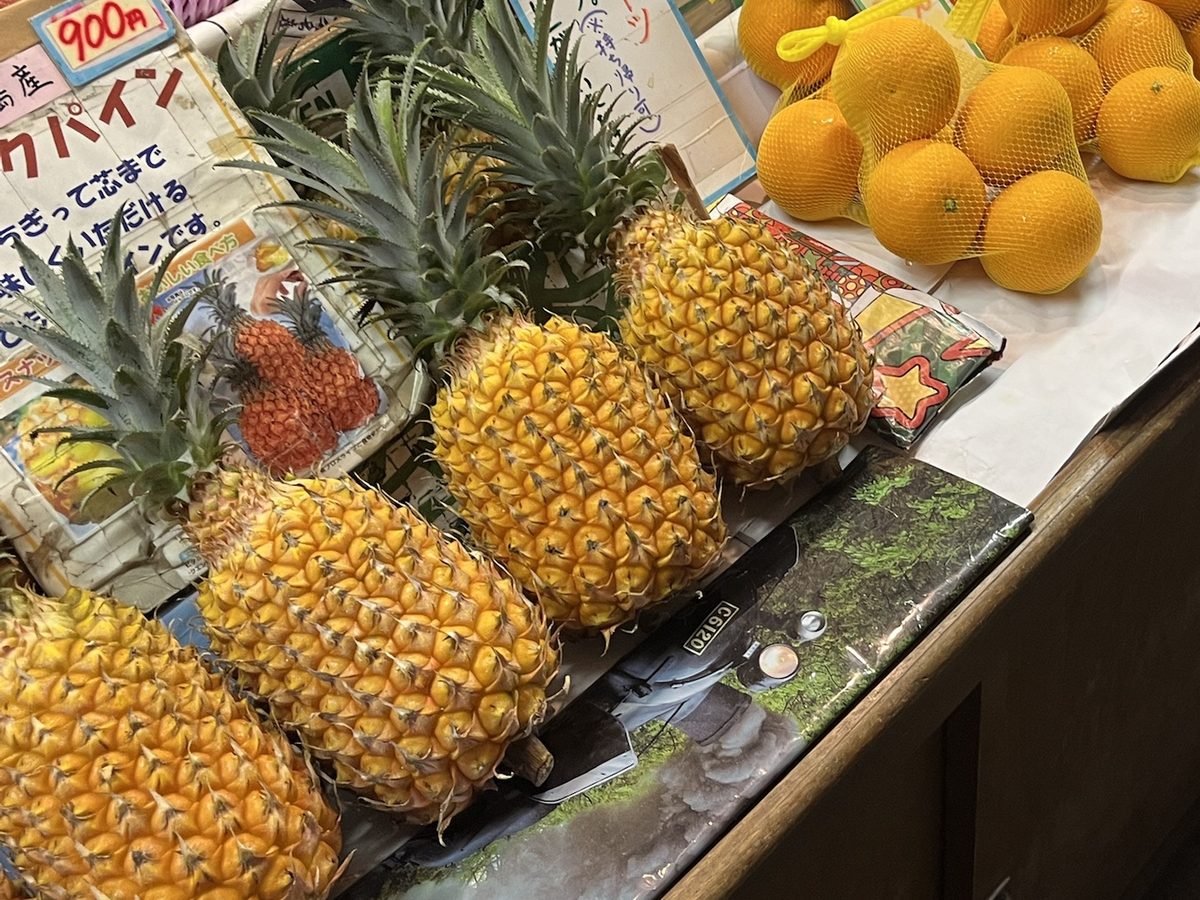
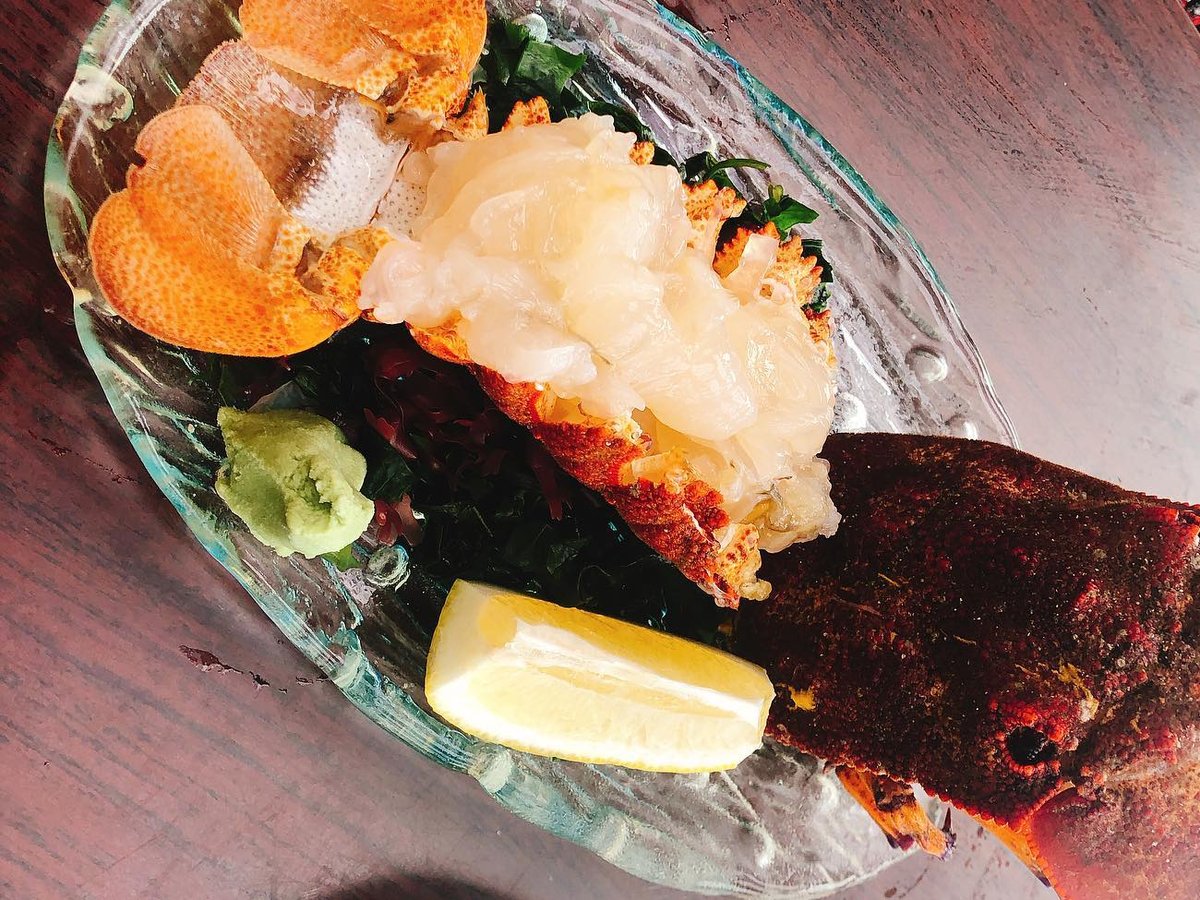
A fruit stall in the Daiichi Makishi Public Market, Naha (Okinawa). Photo taken by the site owner on a visit to the market. Slipper lobster (semi-ebi) sashimi for breakfast at the Daiichi Makishi Public Market, Naha (Okinawa). Photo taken by the site owner.Photo: the site owner · All rights reserved · Photo detailsPhoto: the site owner · All rights reserved · Photo details Daiichi Makishi Public Market, Naha (Okinawa)The public market of Naha (Okinawa), opened in 1950; it reopened in a new building in March 2023. The 1st floor has 75 shops selling meat, fish and other fresh food, and the 2nd floor has eateries serving Okinawan dishes. With the "mochiage" system, you buy meat or fish on the 1st floor and have it cooked at a 2nd-floor eatery for a fee (only some items, so ask at the shop first; you pay for the food at the shop and for the cooking at the eatery). Hours: 8:00-22:00 (varies by shop); last order for mochiage cooking 19:45, for the 2nd-floor eateries 20:00. Closed on the 4th Sunday of every month (except December), January 1-3 and Obon (the 16th-17th of the 7th lunar month); some shops have other days off. About 9 minutes' walk from Makishi Station. Checked on 2026-10-04.
My visit: The market has much more than fruit, including seafood, and it's fun just to look around.
Source: Naha City (Okinawa) official site (Japanese) / Market official site (Japanese)
Guides for this destination
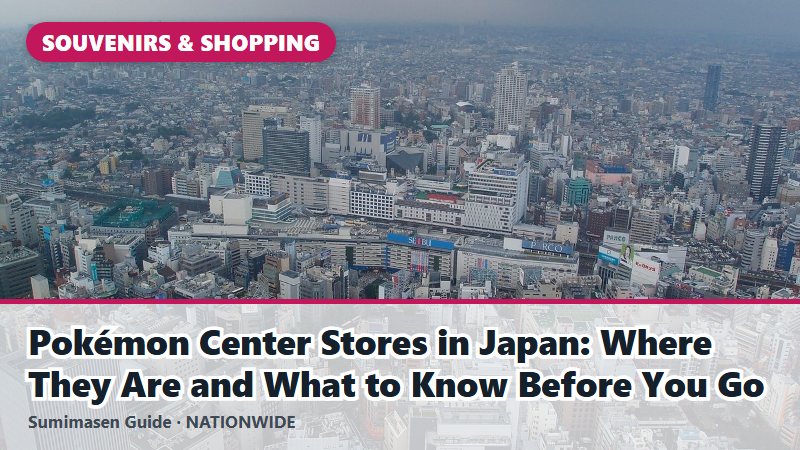 Pokémon Center Stores in Japan: Where They Are and What to Know Before You GoFor many fans, a visit to a Pokémon Center is a highlight of a trip to Japan.
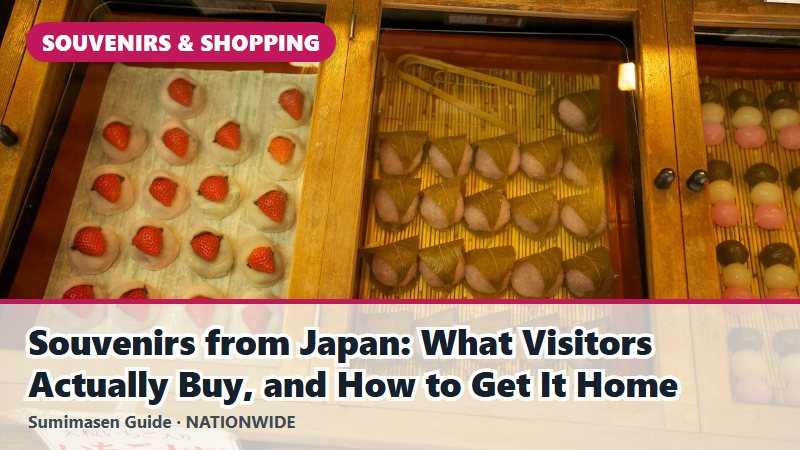 Souvenirs from Japan: What Visitors Actually Buy, and How to Get It HomeWhat should you bring home from Japan? Instead of another list of "must-buys," this guide starts from data: the Japan Tourism Agency asks visitors every…
 New Rules for Visiting Japan in 2026: Fees, Taxes and Systems That Changed, by DatePlanning a trip and wondering what is different this year? 2026 brought more changes for visitors to Japan than usual: a higher departure tax, much higher…
How many visitors stay here
Nationwide rules that apply everywhere
 Fukubukuro (Lucky Bags) in Japan: When the New Year Sales Start, How to Buy One, and Tax-Free TipsFukubukuro, or "lucky bags", are bags of goods that shops sell at a fixed price at New Year, usually worth more than you pay.
 Missed the Last Train in Japan? Taxi Apps, Places to Wait Until Morning, and Rooms NearbyIf you miss the last train in Japan, you have three real choices: take a taxi, book a room nearby, or wait somewhere warm until the first train.
 Ryokan With a Private Onsen: How to Book a Private Bath or a Room With Its Own Open-Air Bath in WinterThere are two ways to get a hot spring bath to yourself at a ryokan, a traditional Japanese inn: a kashikiri-buro (貸切風呂), a private bath you reserve for a…
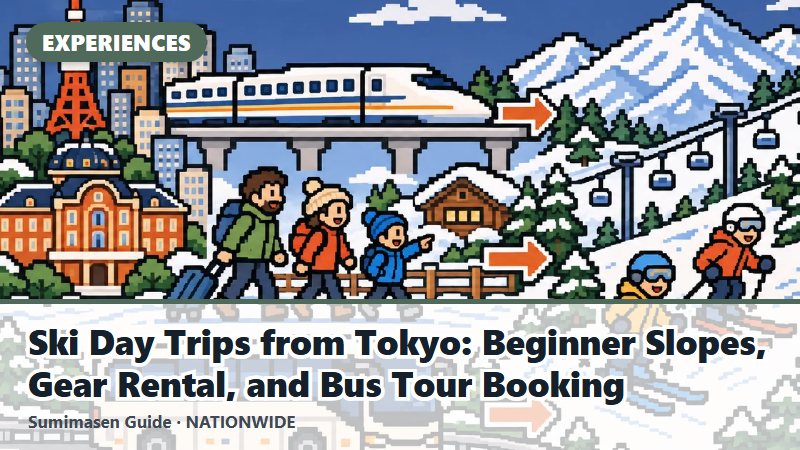 Ski Day Trips from Tokyo: Beginner Slopes, Gear Rental, and Bus Tour BookingYou can ski for a day from Tokyo and be back in the city for dinner. The three easiest options are GALA Yuzawa in Yuzawa (Niigata), as little as 71…
 Lost Passport in Japan: What to Do, Who to Call, and How to Get HelpIf you lose your passport in Japan, report it at the nearest koban (police box) or police station first, and write down the report number they give you.
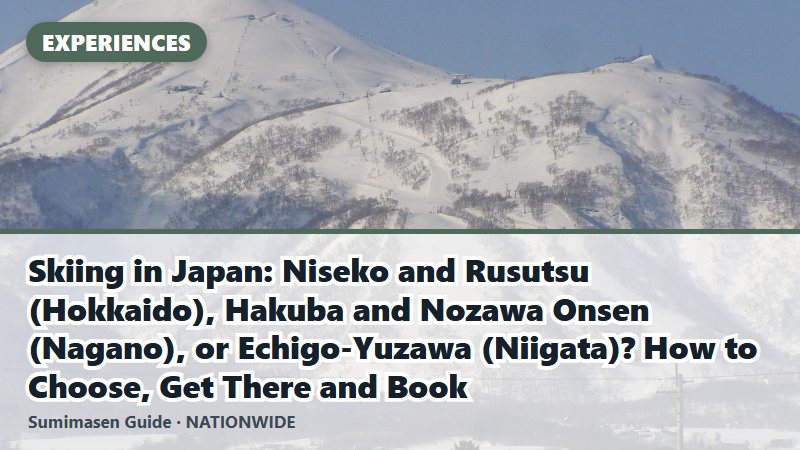 Skiing in Japan: Niseko and Rusutsu (Hokkaido), Hakuba and Nozawa Onsen (Nagano), or Echigo-Yuzawa (Niigata)? How to Choose, Get There and BookPick a ski area by how much time you have. Niseko and Rusutsu (Hokkaido) are a flight away, so plan a longer stay.
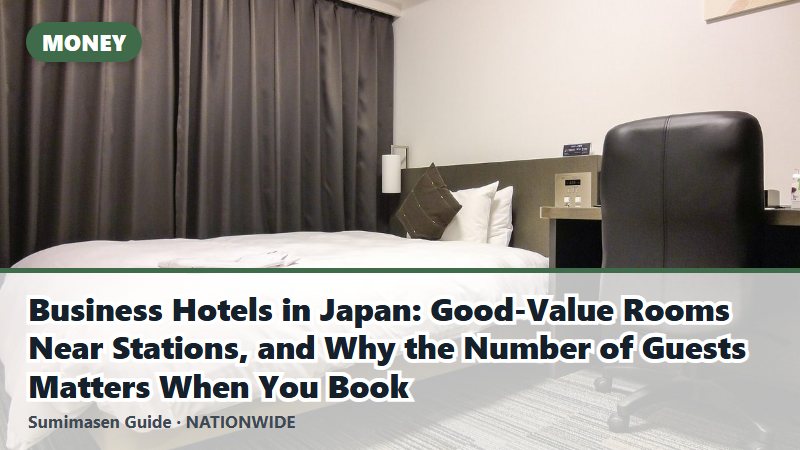 Business Hotels in Japan: Good-Value Rooms Near Stations, and Why the Number of Guests Matters When You BookA business hotel is often the best-value bed in a Japanese city: a small, clean room near a station, and at many chains a free breakfast or a large shared…
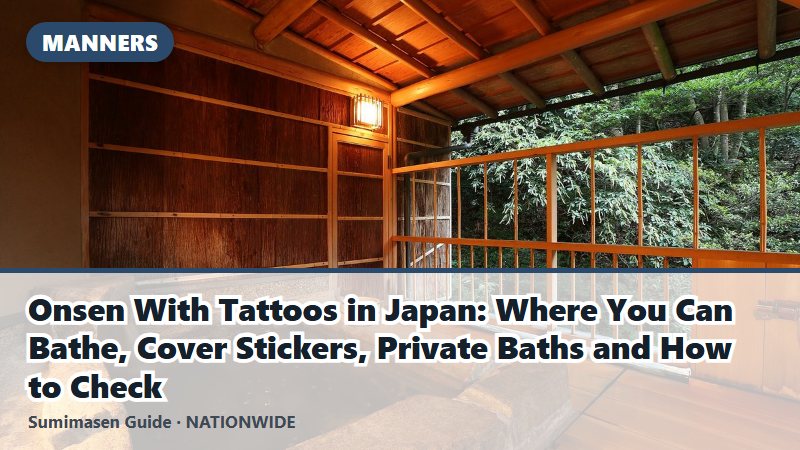 Onsen With Tattoos in Japan: Where You Can Bathe, Cover Stickers, Private Baths and How to CheckYes, you can enjoy a hot spring in Japan with a tattoo, but not at every bath.
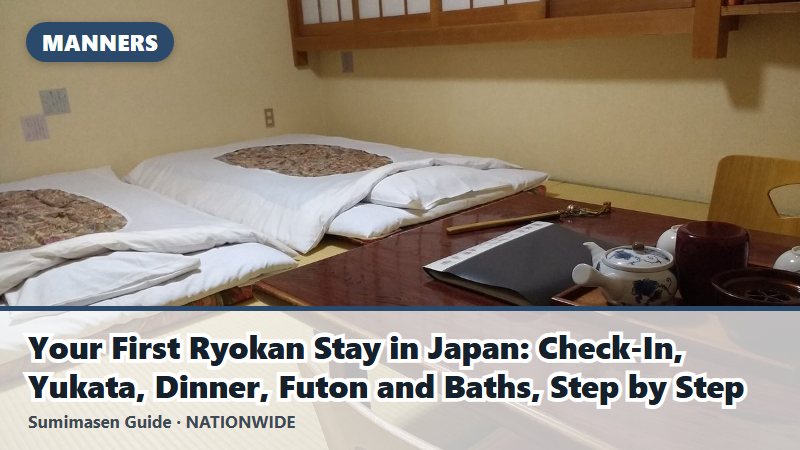 Your First Ryokan Stay in Japan: Check-In, Yukata, Dinner, Futon and Baths, Step by StepA night at a ryokan, a traditional Japanese inn, is one of the most memorable things you can do in Japan: tatami floors, a multi-course dinner, a hot bath…
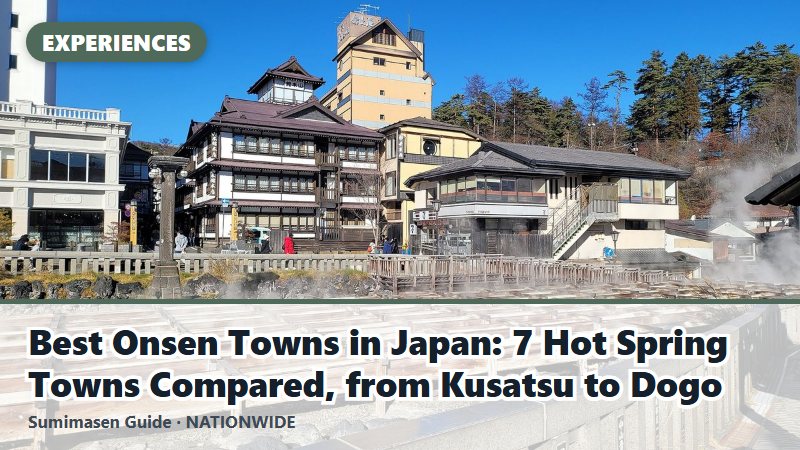 Best Onsen Towns in Japan: 7 Hot Spring Towns Compared, from Kusatsu to DogoJapan has hot springs almost everywhere, so the hard part is choosing one. This guide compares seven onsen towns that are popular with visitors: what…
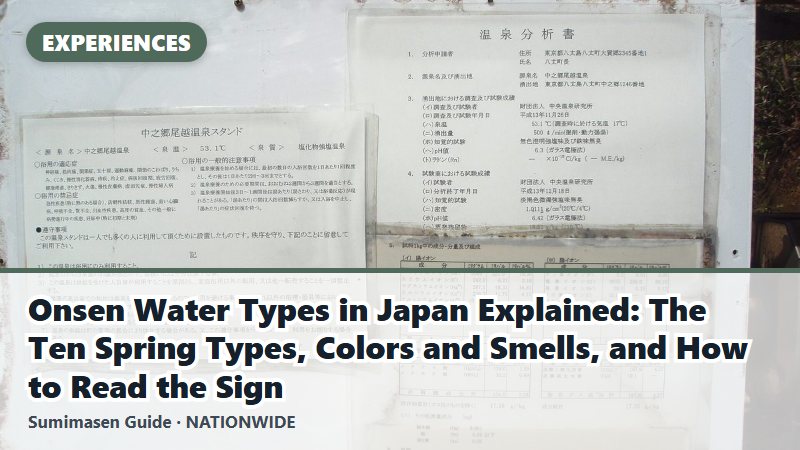 Onsen Water Types in Japan Explained: The Ten Spring Types, Colors and Smells, and How to Read the SignAt almost every onsen in Japan, a framed sheet on the wall lists the water's "spring type" and a long table of minerals, usually only in Japanese.
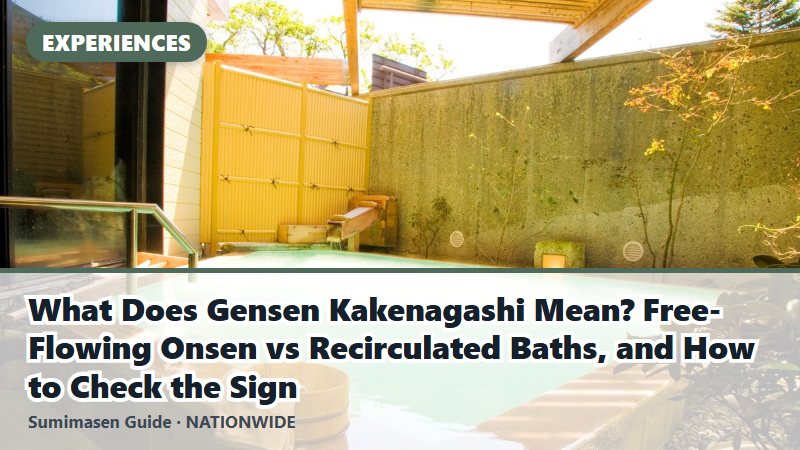 What Does Gensen Kakenagashi Mean? Free-Flowing Onsen vs Recirculated Baths, and How to Check the SignHotel websites and onsen ads in Japan often boast of gensen kakenagashi (源泉かけ流し).
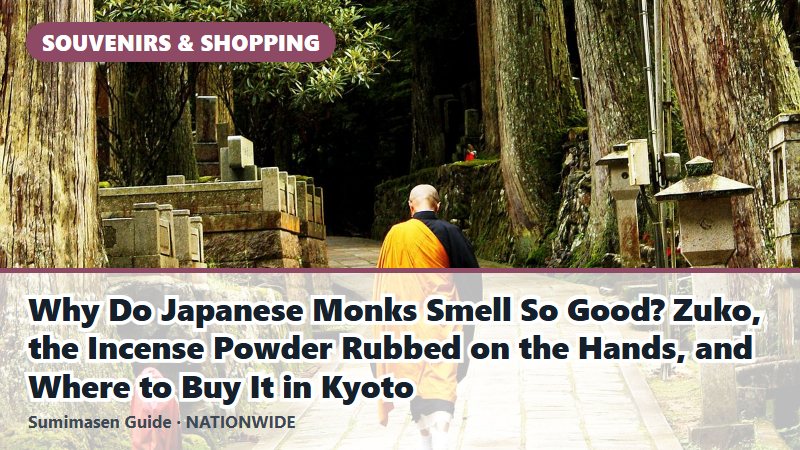 Why Do Japanese Monks Smell So Good? Zuko, the Incense Powder Rubbed on the Hands, and Where to Buy It in KyotoWalk past a Buddhist priest at a temple in Japan and you may catch a soft, woody scent. Many visitors wonder where it comes from.
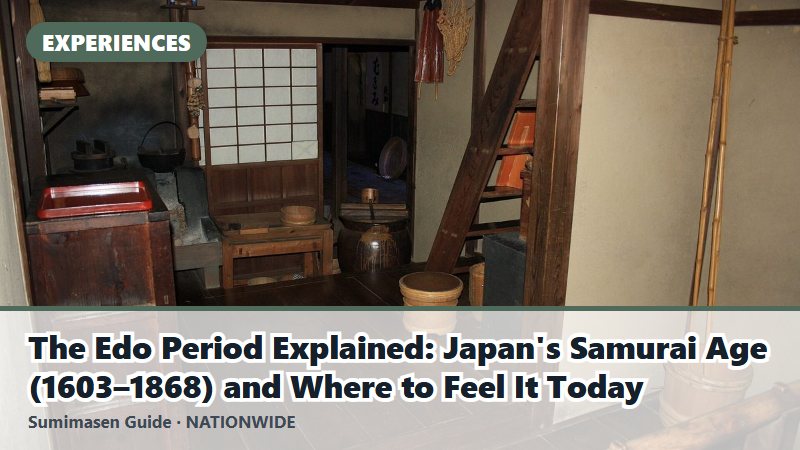 The Edo Period Explained: Japan's Samurai Age (1603–1868) and Where to Feel It TodayCastles, samurai, kabuki, ukiyo-e prints and the post towns on old highways: much of what visitors picture as "traditional Japan" took shape in the Edo…
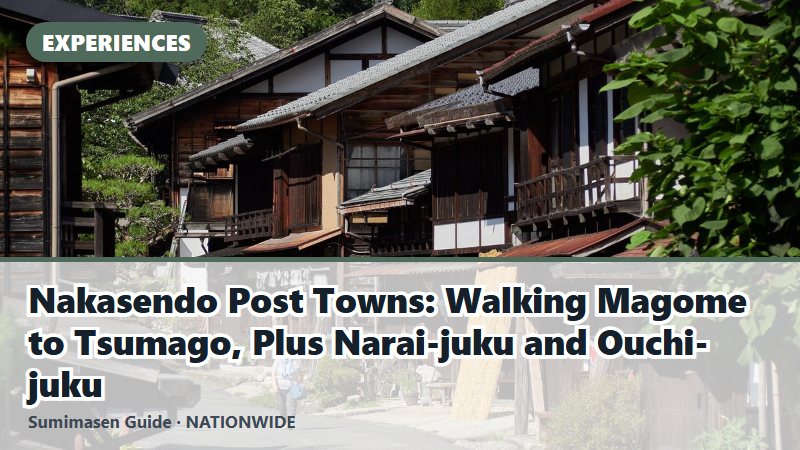 Nakasendo Post Towns: Walking Magome to Tsumago, Plus Narai-juku and Ouchi-jukuIn the Edo period, travelers and lords' processions walked Japan's highways and stopped for the night in post towns, small towns built along the road to…
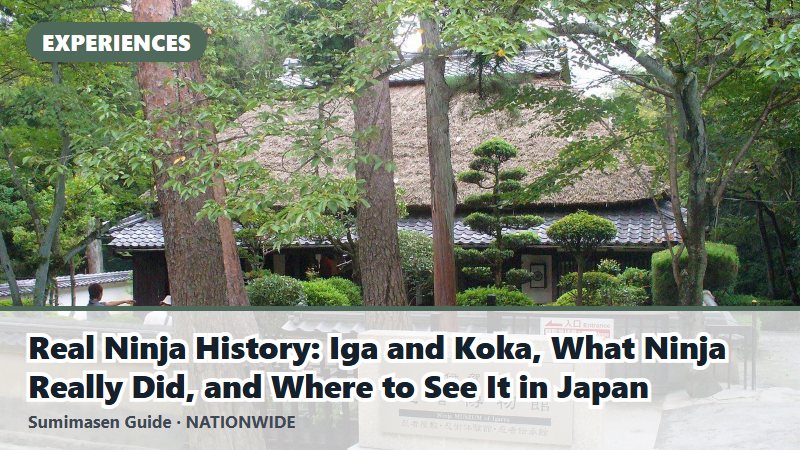 Real Ninja History: Iga and Koka, What Ninja Really Did, and Where to See It in JapanNinja were real, but the black suit, the throwing stars and the superhuman tricks mostly came later, from the stage and the screen.
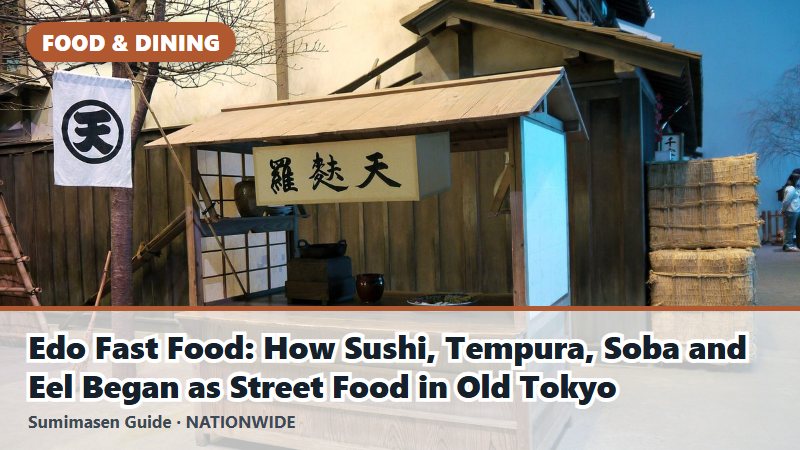 Edo Fast Food: How Sushi, Tempura, Soba and Eel Began as Street Food in Old TokyoNigiri sushi, tempura and soba, three of Japan's best-known dishes, started out as quick, cheap street food in Edo, the city that became Tokyo.
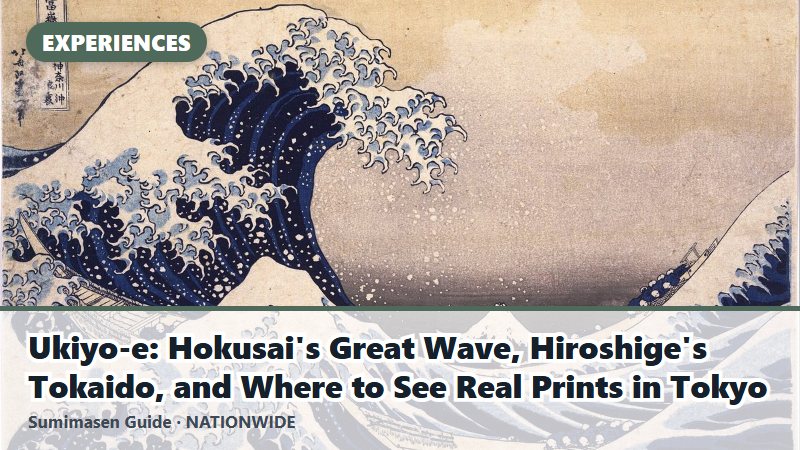 Ukiyo-e: Hokusai's Great Wave, Hiroshige's Tokaido, and Where to See Real Prints in TokyoUkiyo-e are the woodblock prints of the Edo period (1603 to 1868), and the most famous of them, Hokusai's Great Wave, is probably the best-known Japanese…
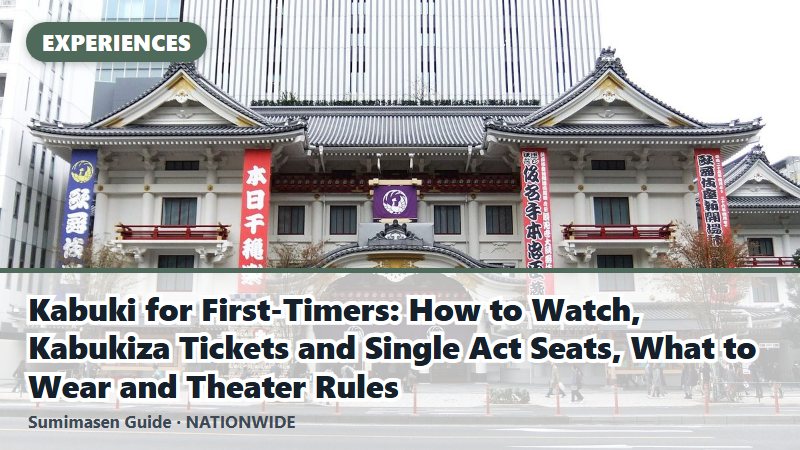 Kabuki for First-Timers: How to Watch, Kabukiza Tickets and Single Act Seats, What to Wear and Theater RulesKabuki is the theater that the townspeople of Edo-period Japan loved, and you can still see it every month at the Kabukiza Theatre in Ginza, Tokyo.
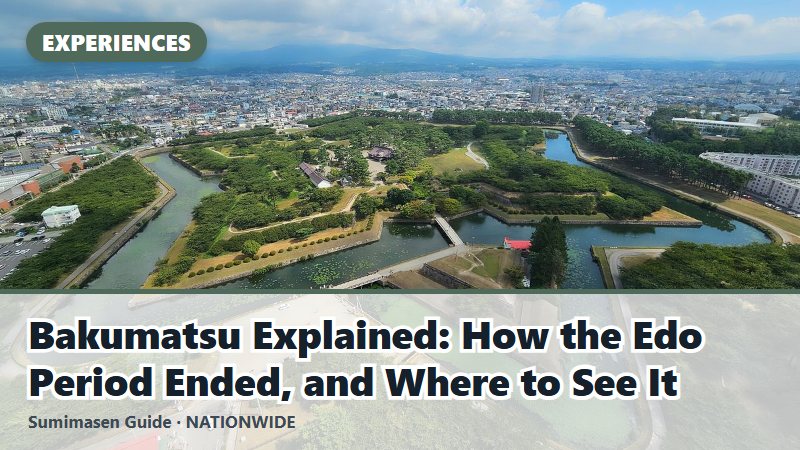 Bakumatsu Explained: How the Edo Period Ended, and Where to See ItThe last years of the Edo period are called bakumatsu , "the end of the shogunate." In about 15 years, Japan went from Perry's black ships to a new…
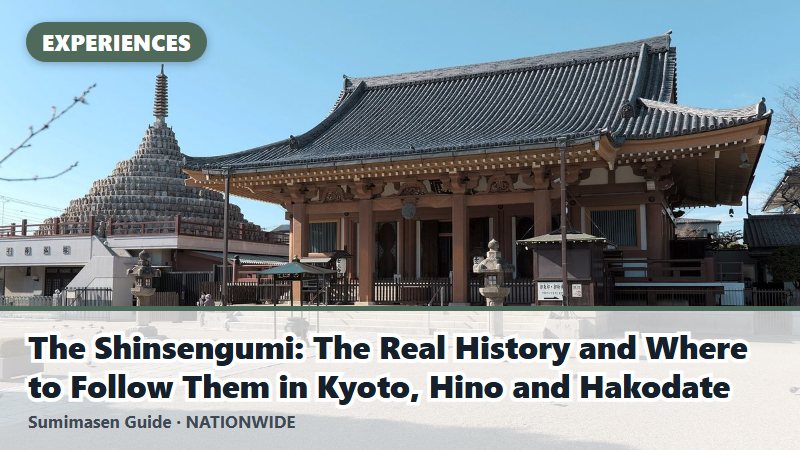 The Shinsengumi: The Real History and Where to Follow Them in Kyoto, Hino and HakodateThe Shinsengumi were a band of swordsmen who policed Kyoto for the shogunate in the 1860s, in the last years of the Edo period.
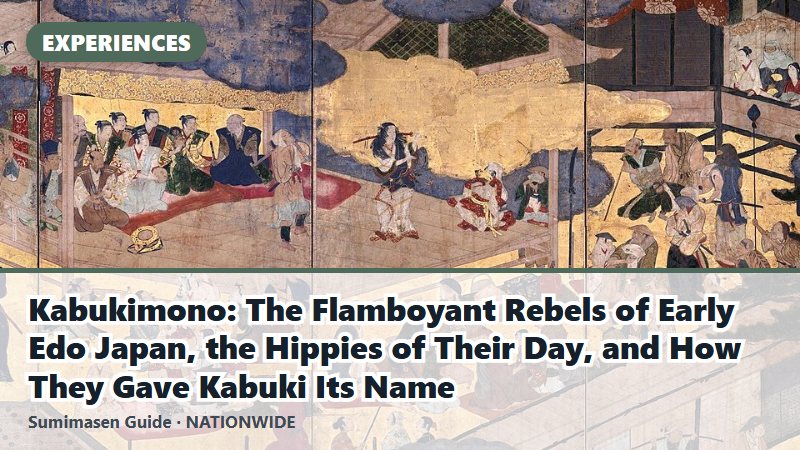 Kabukimono: The Flamboyant Rebels of Early Edo Japan, the Hippies of Their Day, and How They Gave Kabuki Its NameAt the start of the Edo period, young men in loud clothes, huge topknots and long swords swaggered through the streets of Kyoto and Edo (today's Tokyo).
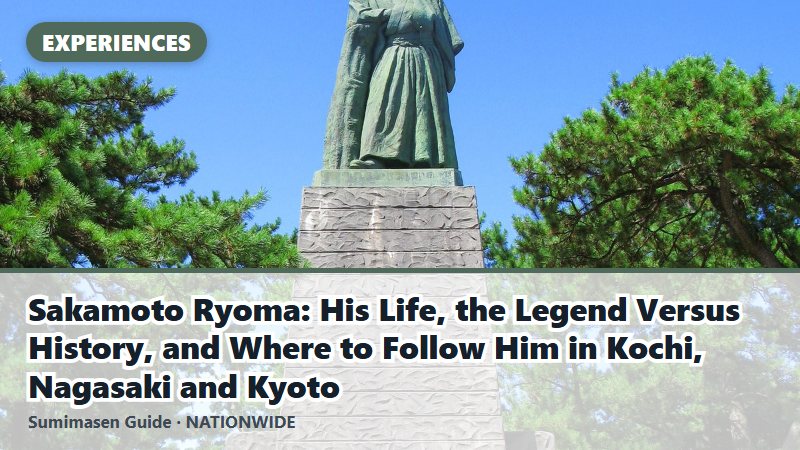 Sakamoto Ryoma: His Life, the Legend Versus History, and Where to Follow Him in Kochi, Nagasaki and KyotoSakamoto Ryoma is one of the most loved figures in Japanese history: a low-ranking samurai from Tosa (now Kochi Prefecture) who left his domain, started a…
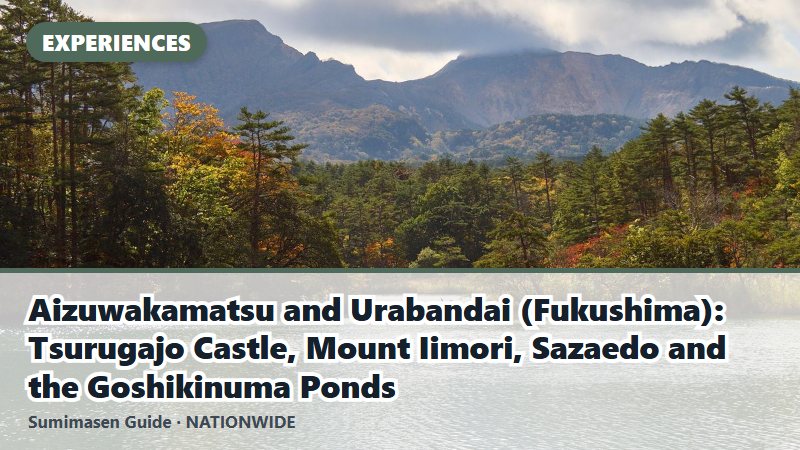 Aizuwakamatsu and Urabandai (Fukushima): Tsurugajo Castle, Mount Iimori, Sazaedo and the Goshikinuma PondsAizuwakamatsu (Fukushima) is an old castle town in Japan's Tohoku region, and Urabandai, on the north side of Mount Bandai, is a land of lakes and forest.
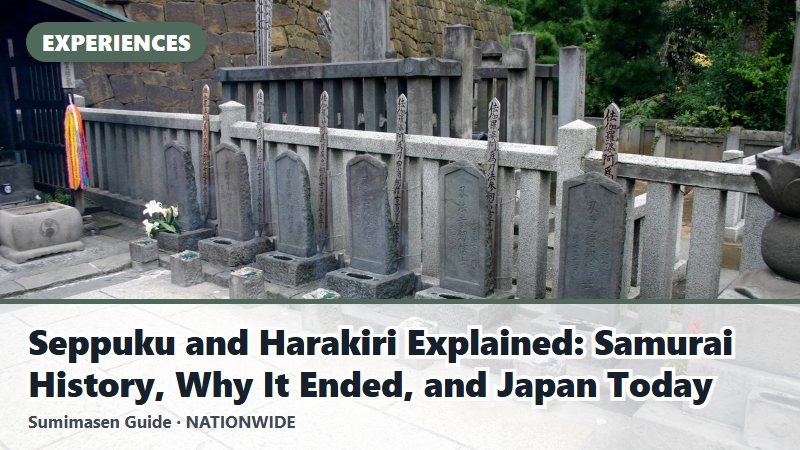 Seppuku and Harakiri Explained: Samurai History, Why It Ended, and Japan TodayVisitors to Japan often ask the same questions about seppuku, the samurai custom known in English as harakiri. Do Japanese people still do it?
 Japanese Tea GI Labels: What the GI Mark Means, Japan's Three Registered Tea Names, and How to Read a Tea PackageOn some Japanese tea packages you'll see a small mark showing Mt. Fuji and a red sun, next to a name such as "Yame Dento Hon Gyokuro." That is the GI…
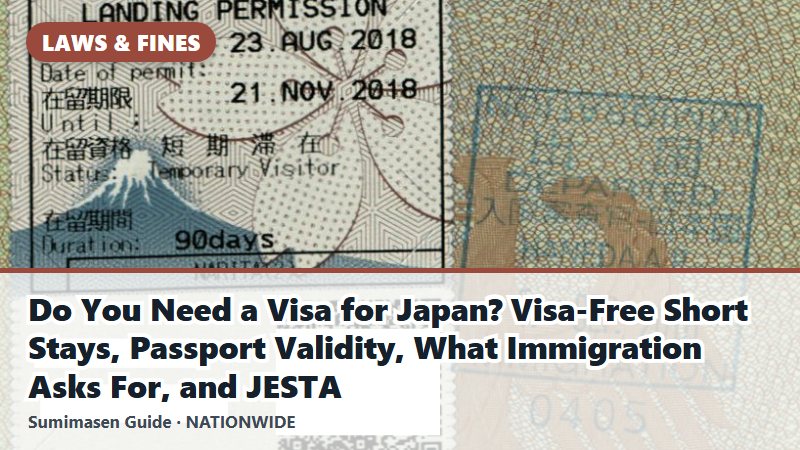 Do You Need a Visa for Japan? Visa-Free Short Stays, Passport Validity, What Immigration Asks For, and JESTAWhether you need a visa for Japan depends on two things: your nationality (more exactly, the passport you travel on) and what you plan to do here.
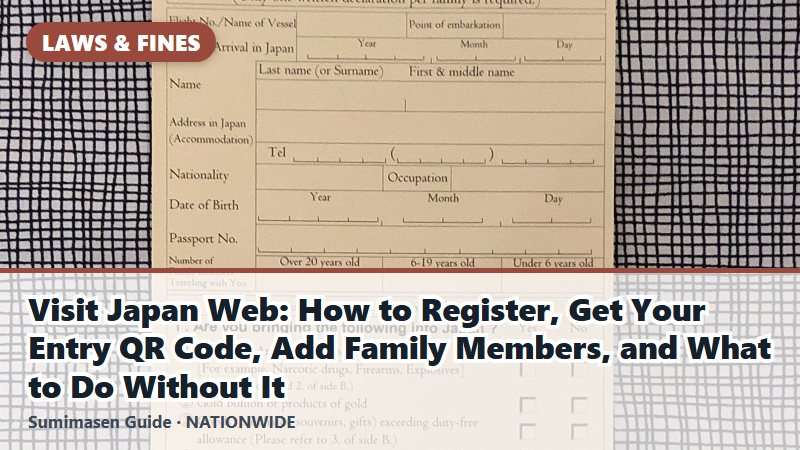 Visit Japan Web: How to Register, Get Your Entry QR Code, Add Family Members, and What to Do Without ItVisit Japan Web is the Japanese government's free website for your arrival paperwork.
 What to Book Before Your Japan Trip: When Tickets Go on Sale for the Ghibli Museum, teamLab, Sumo, Disney and the Shinkansen, and What You Don't Need to BookSome of Japan's best-known experiences can't be bought on the day. The Ghibli Museum, teamLab Planets and Tokyo Disney Resort sell no tickets at the door…
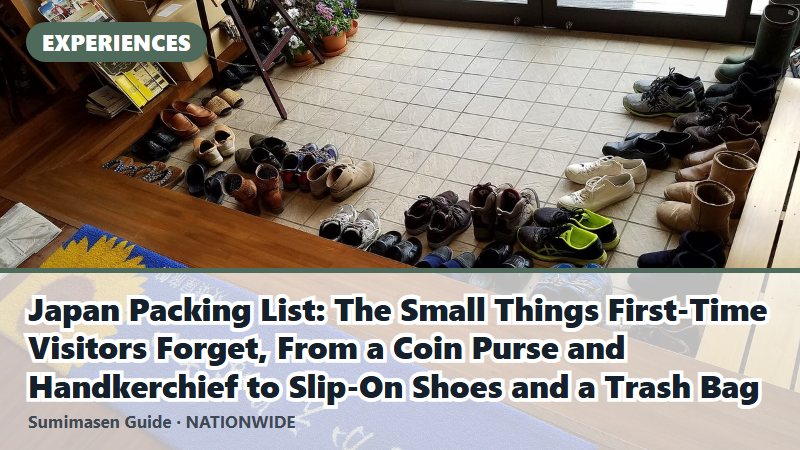 Japan Packing List: The Small Things First-Time Visitors Forget, From a Coin Purse and Handkerchief to Slip-On Shoes and a Trash BagPacking for Japan is mostly like packing for any trip, with a few small additions that make daily life easier: a coin purse, a handkerchief, a folded bag…
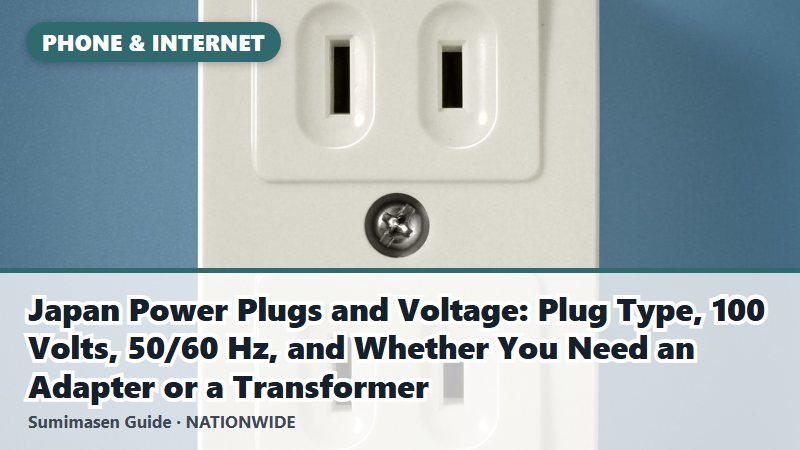 Japan Power Plugs and Voltage: Plug Type, 100 Volts, 50/60 Hz, and Whether You Need an Adapter or a TransformerJapan's sockets take a plug with two flat pins, and the electricity is 100 volts.
 Apps to Download Before Your Japan Trip: Maps, Trains, Translation, Taxis, Disaster Alerts and IC Cards, and Which Ones Need a Japanese NumberA few apps make a first trip to Japan much easier: one to find the right train, one to read a menu, one to call a taxi when you're tired, and one that…
 International Driving Permit for Japan: Which Permit Works, Getting It Before You Fly, the Translation Option and the One-Year RuleIf you'd like to drive in Japan, the document is the part to sort out at home.
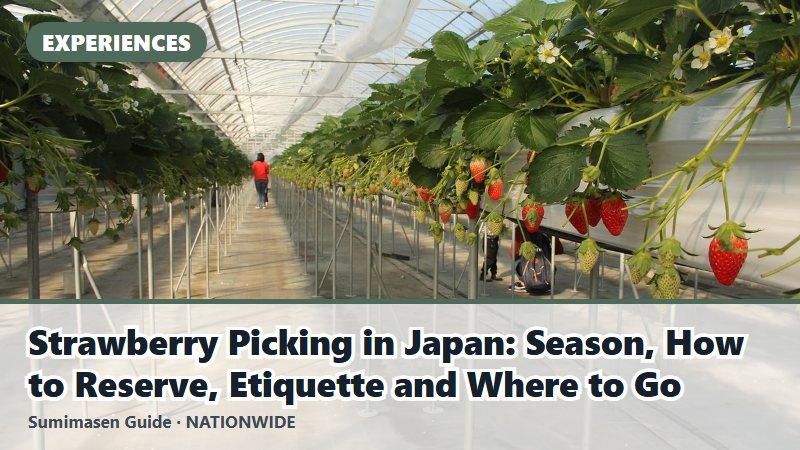 Strawberry Picking in Japan: Season, How to Reserve, Etiquette and Where to GoStrawberry picking ( ichigo-gari ) is one of Japan's favorite winter and spring outings: you walk into a warm greenhouse on a cold day, pick ripe berries…
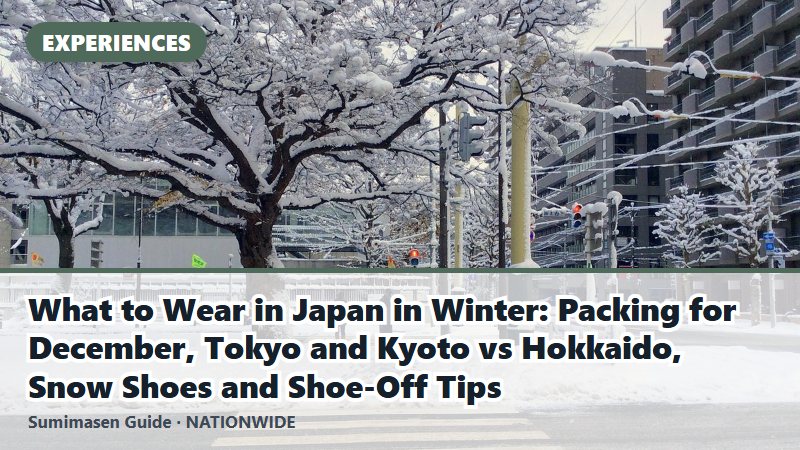 What to Wear in Japan in Winter: Packing for December, Tokyo and Kyoto vs Hokkaido, Snow Shoes and Shoe-Off TipsWondering what to wear in Japan in winter? The honest answer is that it depends on where you go.
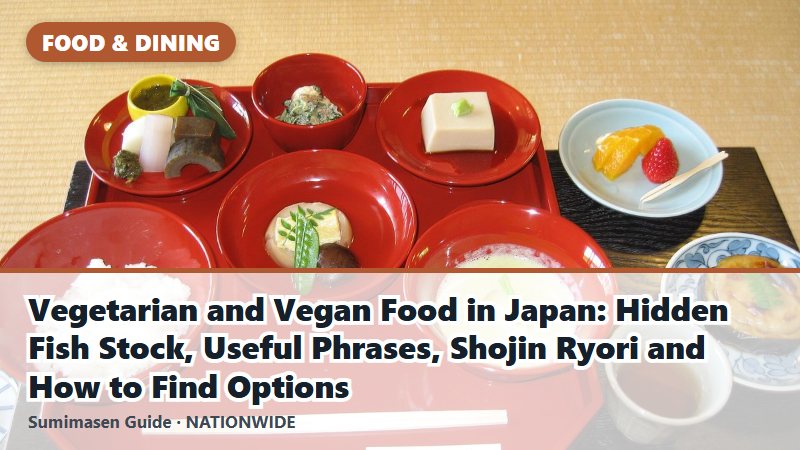 Vegetarian and Vegan Food in Japan: Hidden Fish Stock, Useful Phrases, Shojin Ryori and How to Find OptionsEating vegetarian or vegan in Japan is very doable, and the country has a beautiful meat-free tradition of its own in Buddhist temple cuisine.
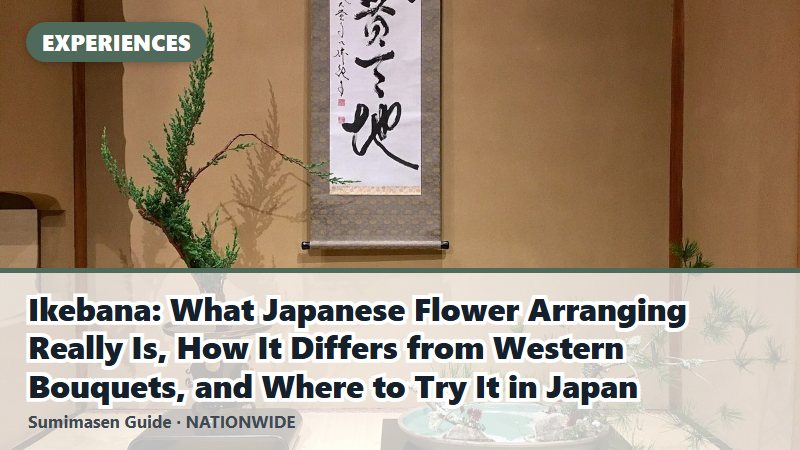 Ikebana: What Japanese Flower Arranging Really Is, How It Differs from Western Bouquets, and Where to Try It in JapanIn a ryokan room, a temple hall or a hotel lobby in Japan, you may notice a single branch and a few flowers standing in a plain vessel, with a lot of…
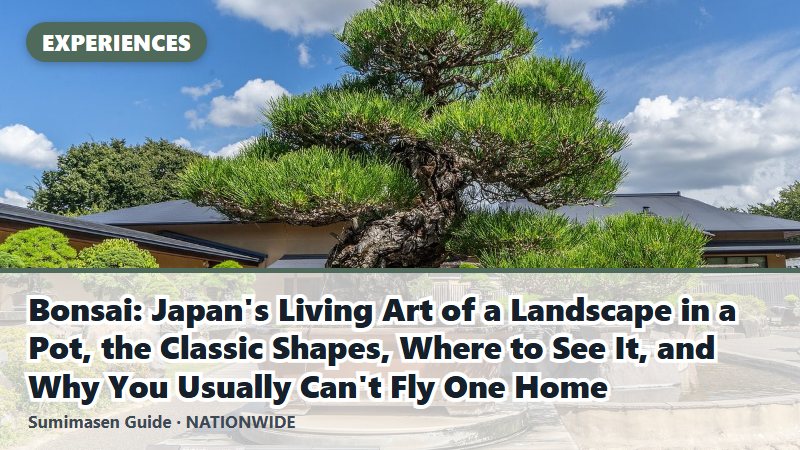 Bonsai: Japan's Living Art of a Landscape in a Pot, the Classic Shapes, Where to See It, and Why You Usually Can't Fly One HomeA bonsai can look like a small plant in a dish, but stand in front of a good one in Japan and it starts to look like an old tree on a windy cliff or a…
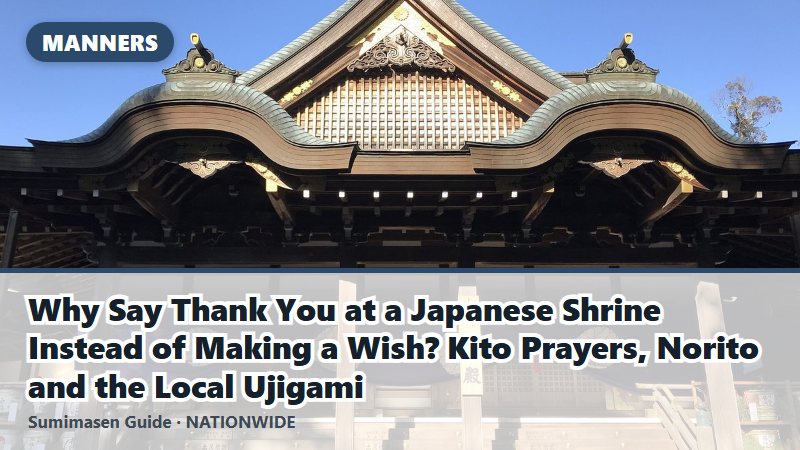 Why Say Thank You at a Japanese Shrine Instead of Making a Wish? Kito Prayers, Norito and the Local UjigamiAt a Japanese shrine, you will see people stand still for a moment in front of the offering box, hands together, eyes closed.
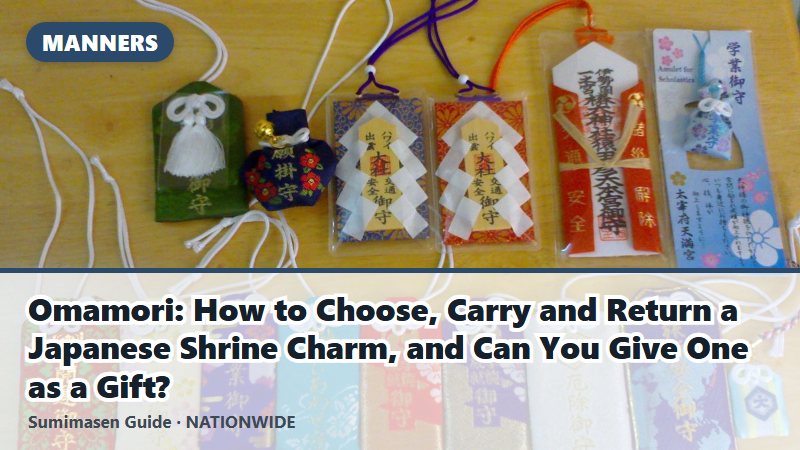 Omamori: How to Choose, Carry and Return a Japanese Shrine Charm, and Can You Give One as a Gift?Almost every shrine in Japan has a counter with rows of small, colorful cloth bags: omamori , charms for safe travel, health, exams, love and more.
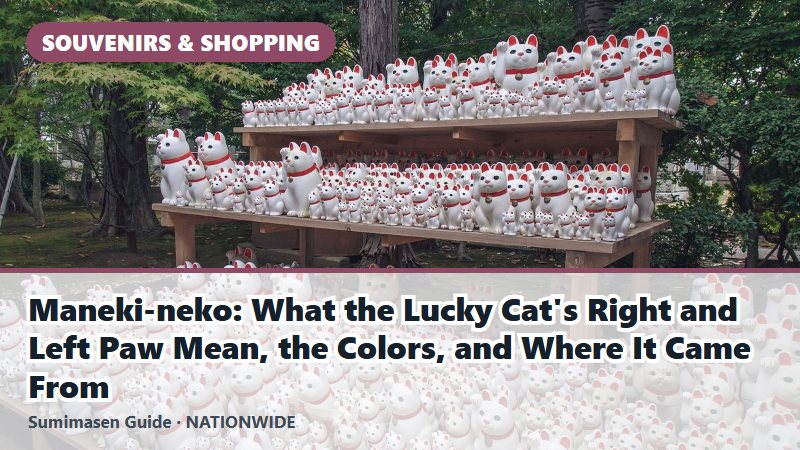 Maneki-neko: What the Lucky Cat's Right and Left Paw Mean, the Colors, and Where It Came FromWalk past almost any small shop or restaurant in Japan and you may spot a ceramic cat sitting near the register with one paw raised: the maneki-neko , or…
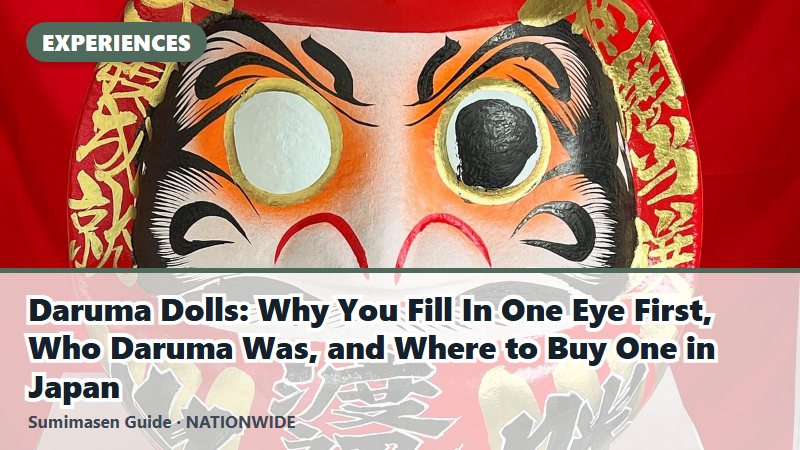 Daruma Dolls: Why You Fill In One Eye First, Who Daruma Was, and Where to Buy One in JapanRound, red and wide-eyed, the daruma doll is one of Japan's most familiar lucky charms.
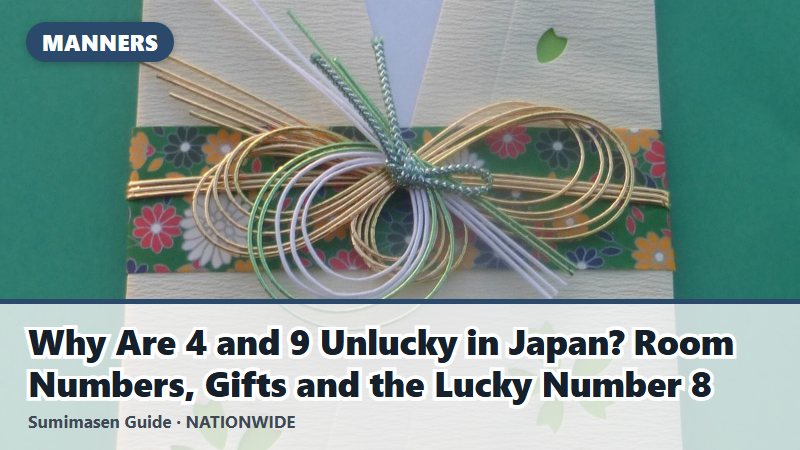 Why Are 4 and 9 Unlucky in Japan? Room Numbers, Gifts and the Lucky Number 8In Japan you may notice a building where the room numbers skip 4 or 9, or hear people count "yon" instead of "shi" for four.
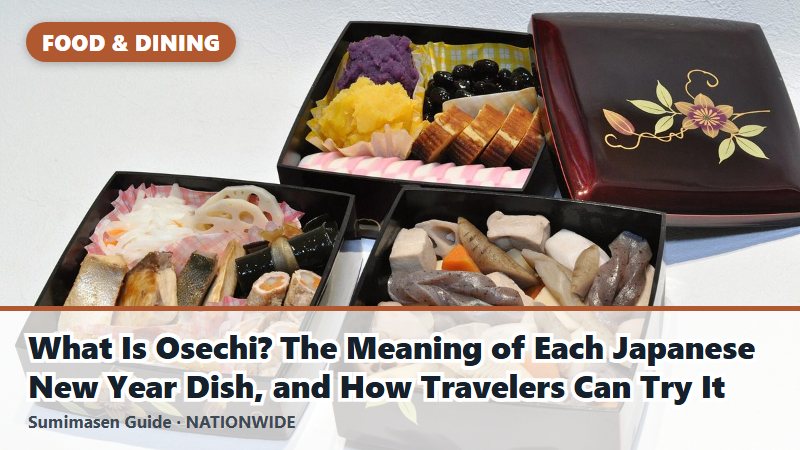 What Is Osechi? The Meaning of Each Japanese New Year Dish, and How Travelers Can Try ItIf you're in Japan over the New Year, you'll see colorful lacquered boxes of food in shop windows and ads: this is osechi (osechi ryori), the special food…
 Why Are Japanese Trains So Punctual? The Real Numbers, the Reasons, and Delay CertificatesJapan's trains are famous for running on time, and it's mostly deserved. But the official numbers tell a more interesting story: the Shinkansen really is…
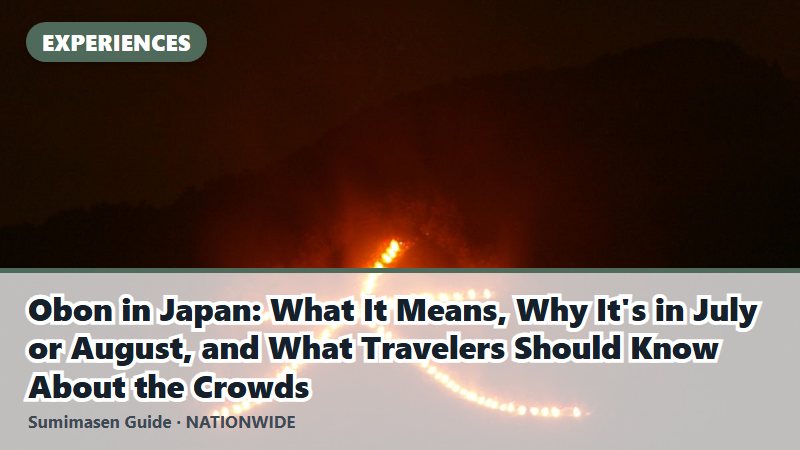 Obon in Japan: What It Means, Why It's in July or August, and What Travelers Should Know About the CrowdsShort answer: Obon (a Buddhist summer event, usually August 13 to 16) is when families in Japan welcome the spirits of their ancestors home, then send…
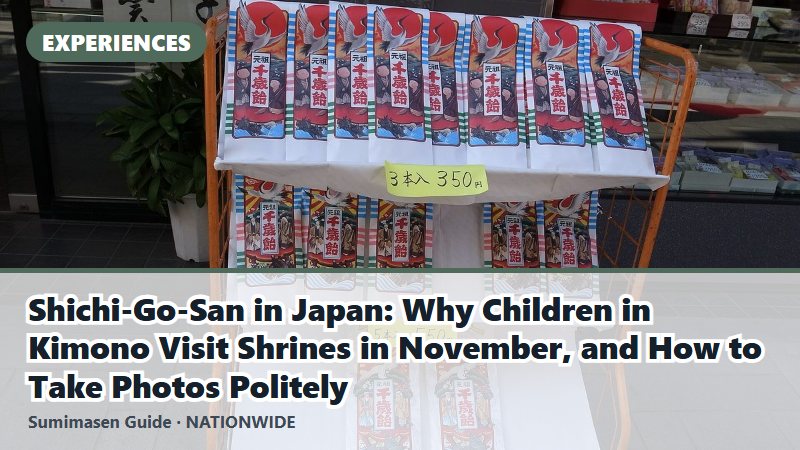 Shichi-Go-San in Japan: Why Children in Kimono Visit Shrines in November, and How to Take Photos PolitelyShort answer: Shichi-Go-San (literally "seven-five-three") is a family custom held on or around November 15.
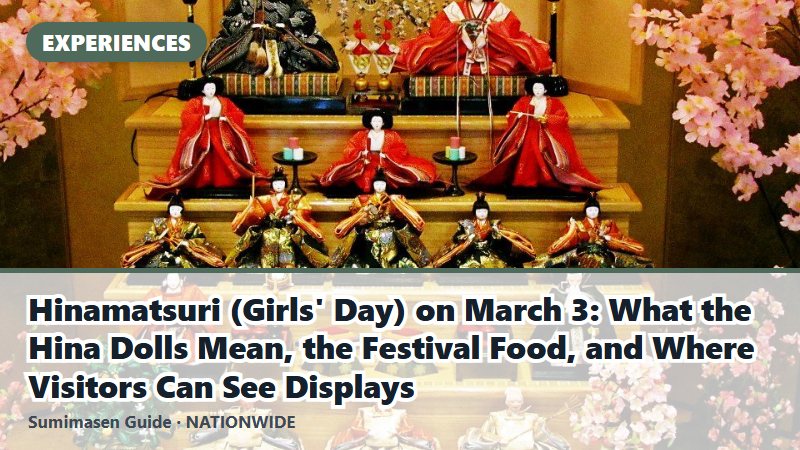 Hinamatsuri (Girls' Day) on March 3: What the Hina Dolls Mean, the Festival Food, and Where Visitors Can See DisplaysShort answer: Hinamatsuri (the Doll Festival, also called the Peach Festival) is on March 3.
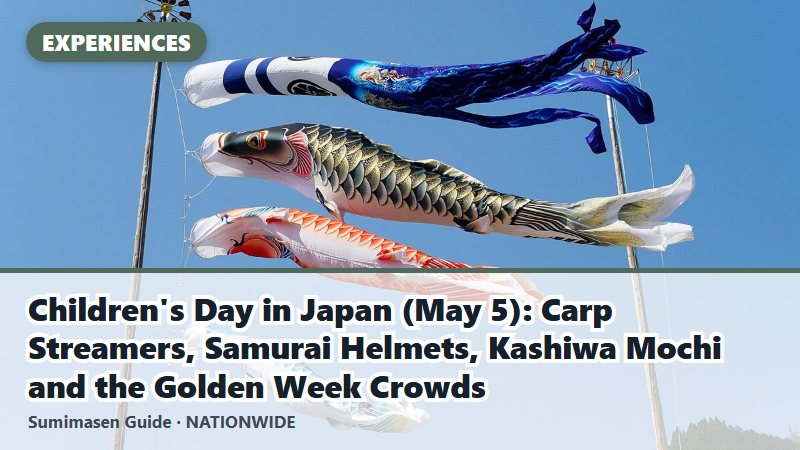 Children's Day in Japan (May 5): Carp Streamers, Samurai Helmets, Kashiwa Mochi and the Golden Week CrowdsShort answer: May 5 is Children's Day ( Kodomo no Hi ), a national holiday. By law, its purpose is to respect children as individuals, look after their…
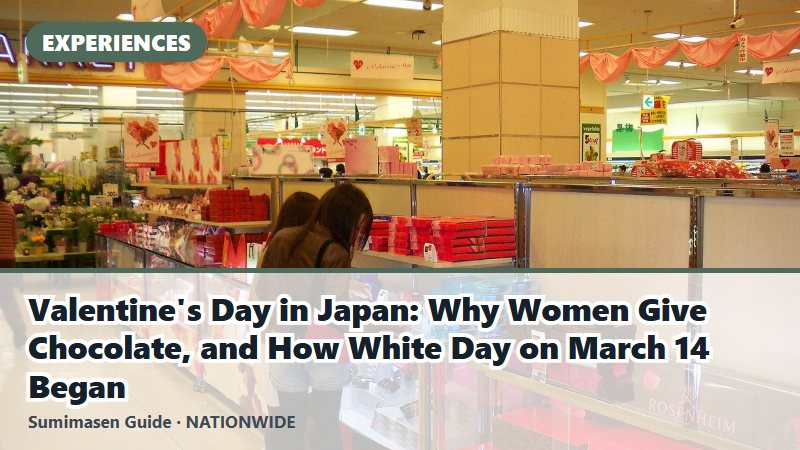 Valentine's Day in Japan: Why Women Give Chocolate, and How White Day on March 14 BeganIf you're in Japan in early February, you'll see chocolate everywhere: special counters in department stores, displays in supermarkets and big chocolate…
 Japanese Christmas: Why KFC and Christmas Cake Are EverywhereChristmas is not a public holiday in Japan, and most people celebrate it as a secular event: couples go out on Christmas Eve, and families usually eat…
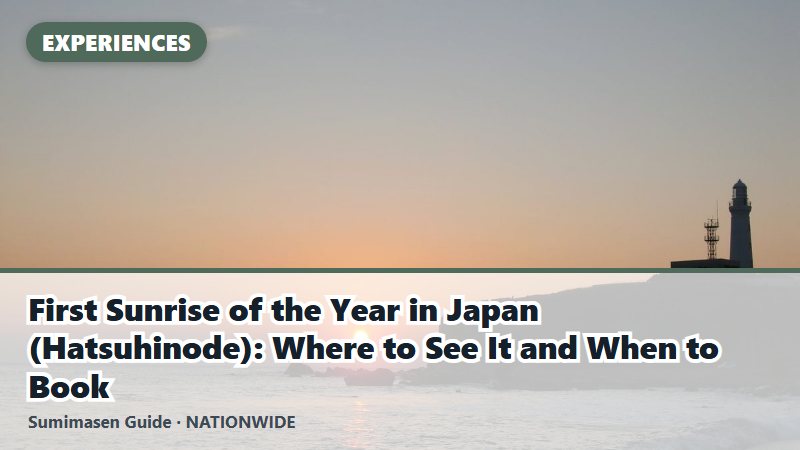 First Sunrise of the Year in Japan (Hatsuhinode): Where to See It and When to BookOn January 1, 2027, the sun rises at 6:50 in Tokyo and at 7:05 in Osaka and Kyoto, according to the National Astronomical Observatory of Japan (NAOJ).
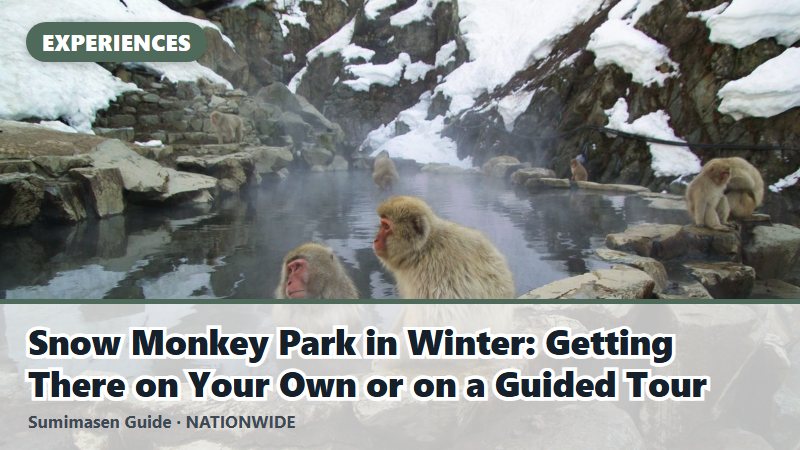 Snow Monkey Park in Winter: Getting There on Your Own or on a Guided TourYou can reach Jigokudani Snow Monkey Park in Yamanouchi (Nagano) on your own from Tokyo by shinkansen (bullet train) to Nagano, then a local train and bus…
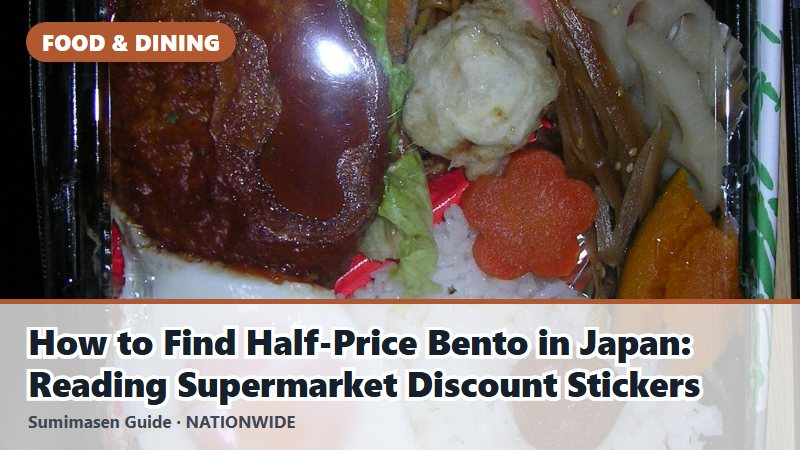 How to Find Half-Price Bento in Japan: Reading Supermarket Discount StickersMany Japanese supermarkets put discount stickers on bento, sushi and prepared food from the evening until closing, often 20–30% off first and half price…
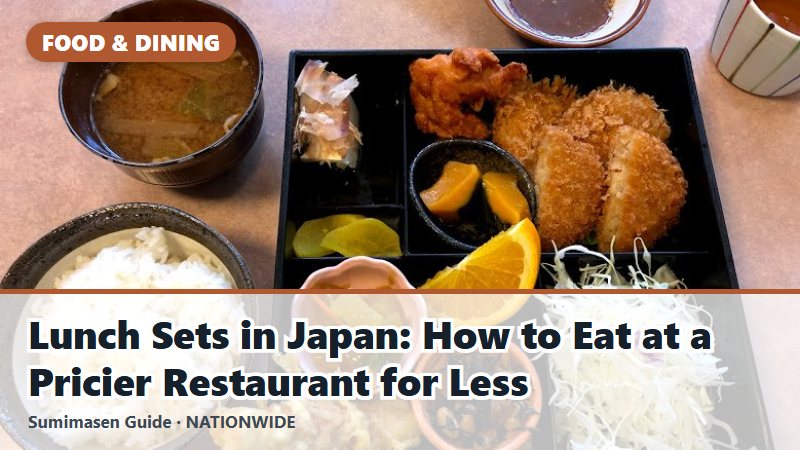 Lunch Sets in Japan: How to Eat at a Pricier Restaurant for LessMany restaurants in Japan serve lunch sets that cost far less than their evening menus, so going at lunchtime is the easiest way to try a place you…
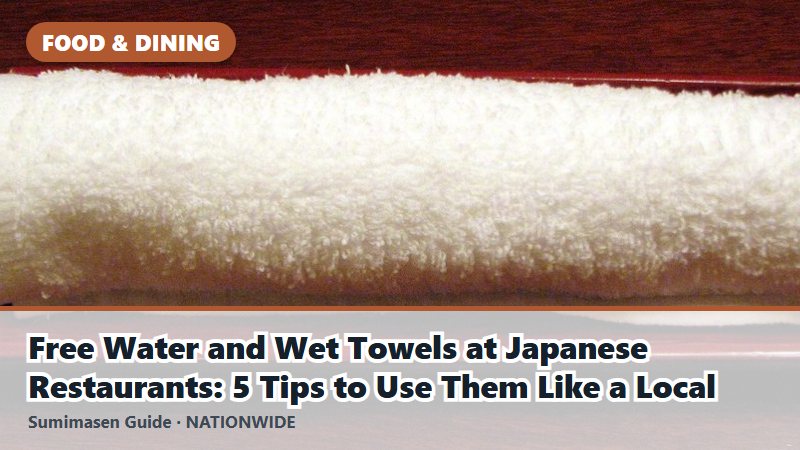 Free Water and Wet Towels at Japanese Restaurants: 5 Tips to Use Them Like a LocalAt many restaurants in Japan, a glass of water and a wet hand towel called oshibori are brought to your table as soon as you sit down, and you don't pay…
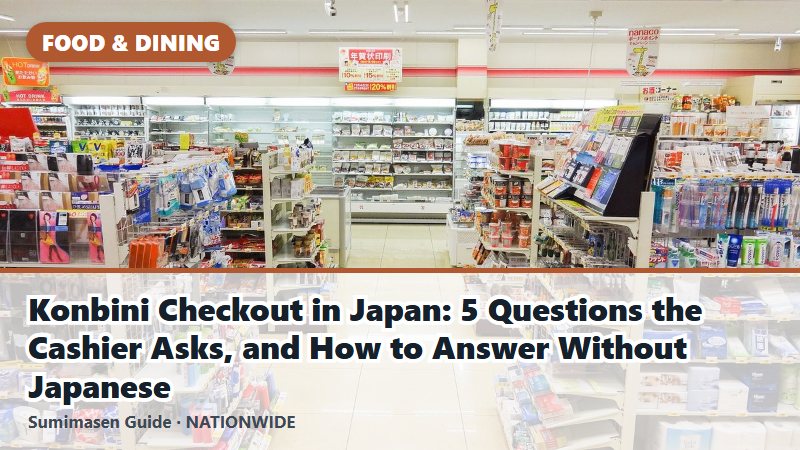 Konbini Checkout in Japan: 5 Questions the Cashier Asks, and How to Answer Without JapaneseAt a Japanese convenience store (konbini), the cashier often asks a few quick questions: whether to heat your food, whether you want a bag, whether you…
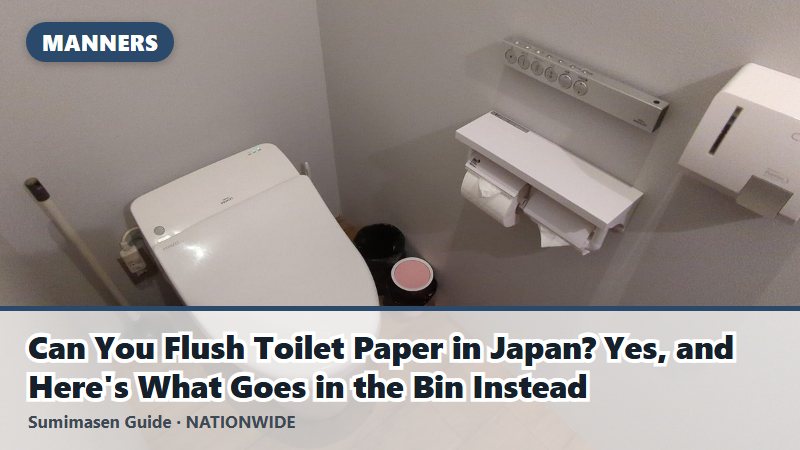 Can You Flush Toilet Paper in Japan? Yes, and Here's What Goes in the Bin InsteadYes: in Japan, used toilet paper goes into the toilet and is flushed, not put in the bin.
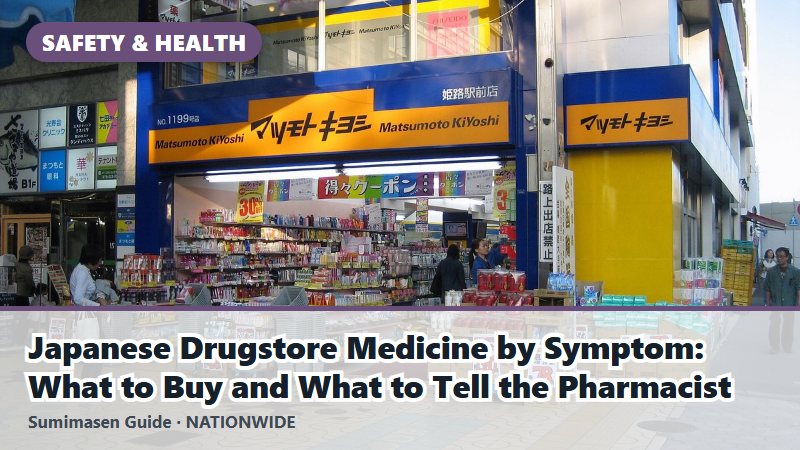 Japanese Drugstore Medicine by Symptom: What to Buy and What to Tell the PharmacistFeeling unwell on a trip to Japan? Find the shelf for your symptom, then check 3 lines on the box: the risk class, the age limit and the dose.
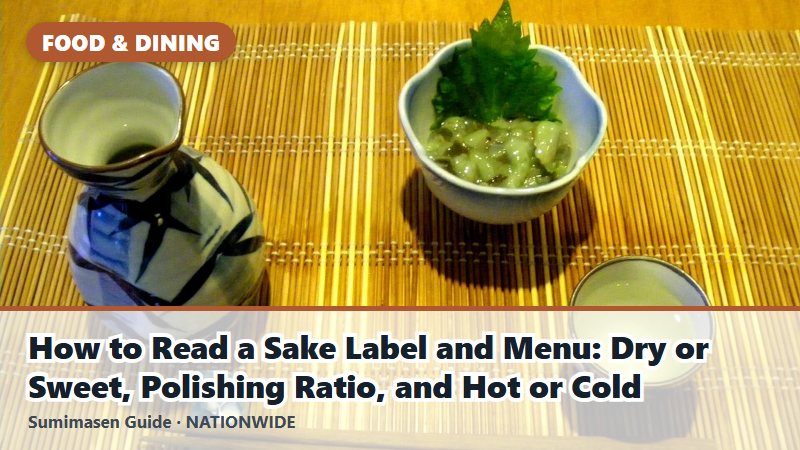 How to Read a Sake Label and Menu: Dry or Sweet, Polishing Ratio, and Hot or ColdTo read a sake label, look for 3 things: the grade word (such as junmai or ginjo ), the polishing ratio ( seimai-buai , the share of each rice grain that…
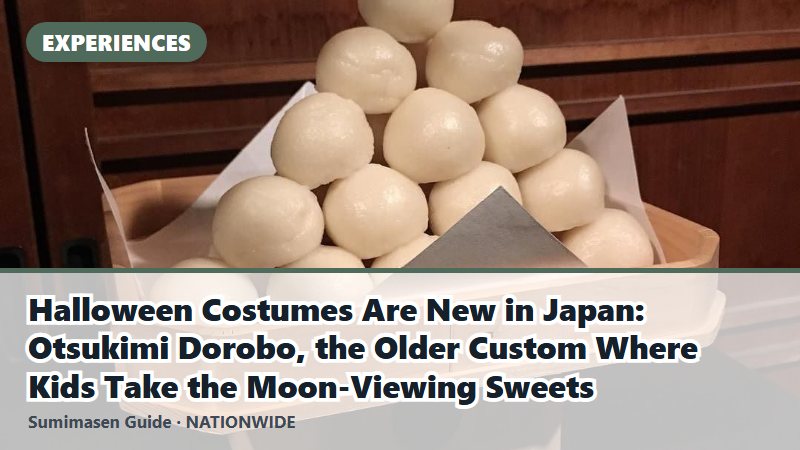 Halloween Costumes Are New in Japan: Otsukimi Dorobo, the Older Custom Where Kids Take the Moon-Viewing SweetsIf you're in Japan in October, you'll see pumpkins in shop windows, costumes at theme parks and Halloween sweets at convenience stores.
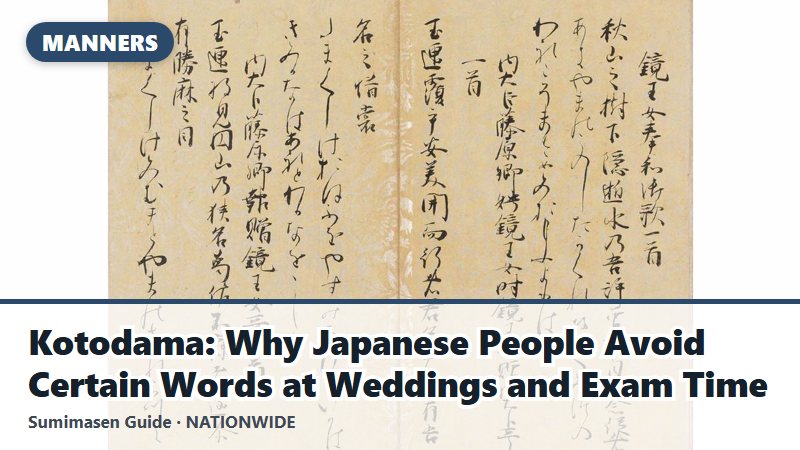 Kotodama: Why Japanese People Avoid Certain Words at Weddings and Exam TimeAt a Japanese wedding, nobody says the party is "over"; it "opens up" instead.
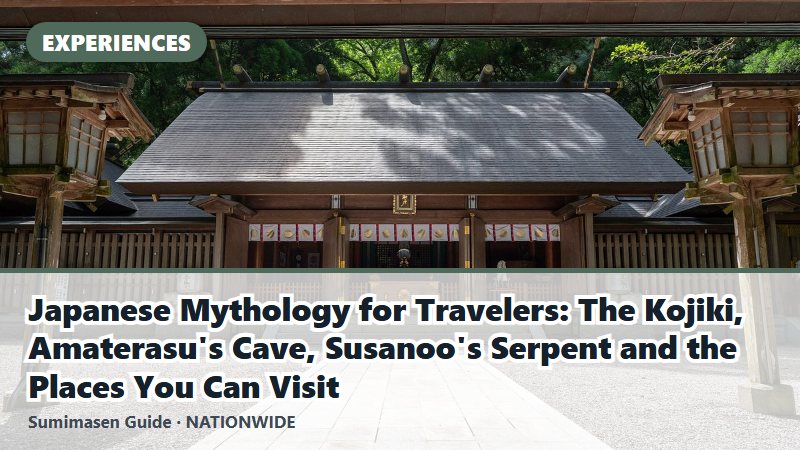 Japanese Mythology for Travelers: The Kojiki, Amaterasu's Cave, Susanoo's Serpent and the Places You Can VisitWalk into almost any Japanese shrine and you are stepping into a story. The kami (the Shinto gods) honored at Ise (Mie), Izumo (Shimane) and Takachiho…
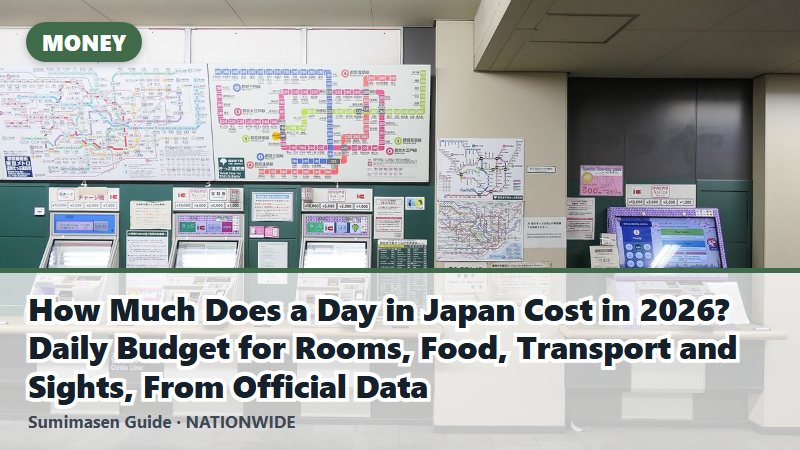 How Much Does a Day in Japan Cost in 2026? Daily Budget for Rooms, Food, Transport and Sights, From Official DataHow much money do you need for a day in Japan? The best answer comes from the Japan Tourism Agency (JTA), which surveys visitors leaving the country every…
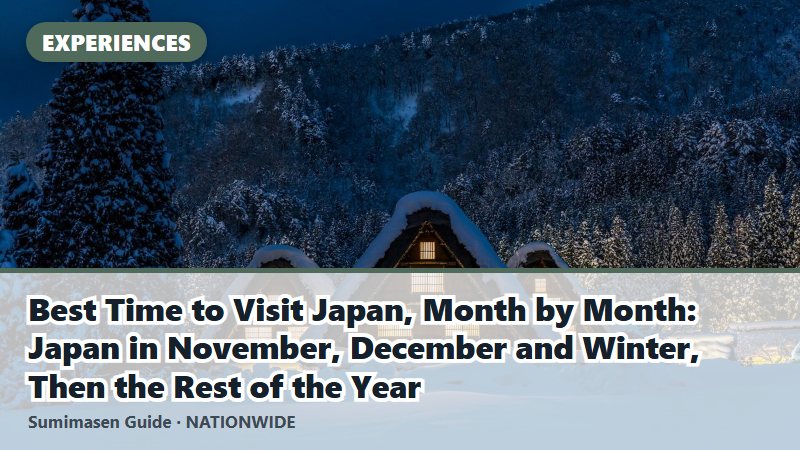 Best Time to Visit Japan, Month by Month: Japan in November, December and Winter, Then the Rest of the YearThere is no single best month to visit Japan. The right time depends on what you want to see, how much heat, rain or cold you are happy with, and whether…
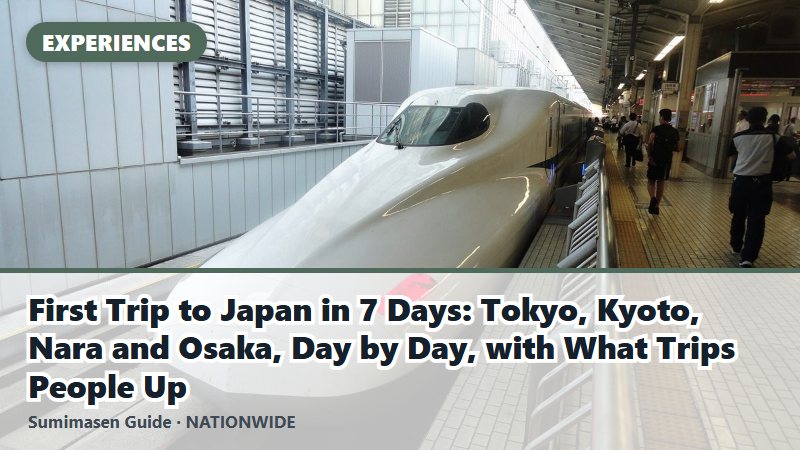 First Trip to Japan in 7 Days: Tokyo, Kyoto, Nara and Osaka, Day by Day, with What Trips People UpSeven days, Tokyo first, then the Shinkansen (bullet train) to Kyoto, a day trip to Nara and a last night in Osaka: it's the route many first-time…
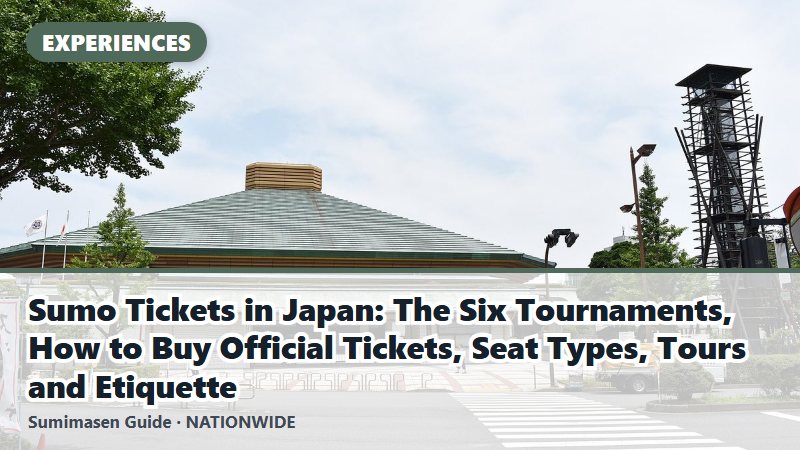 Sumo Tickets in Japan: The Six Tournaments, How to Buy Official Tickets, Seat Types, Tours and EtiquetteWatching a professional sumo tournament live is one of the most memorable things you can do in Japan: the salt throwing, the stare-downs and the few…
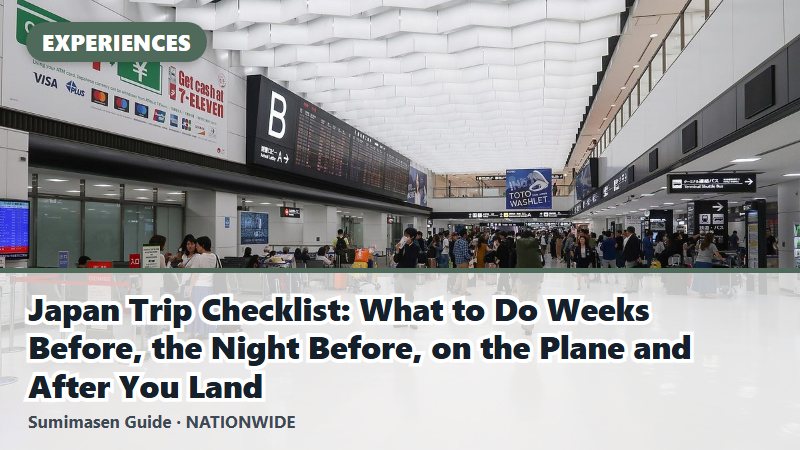 Japan Trip Checklist: What to Do Weeks Before, the Night Before, on the Plane and After You LandMost of the things that go wrong for first-time visitors to Japan can be fixed at home in an evening: a cold medicine that isn't allowed, a phone that…
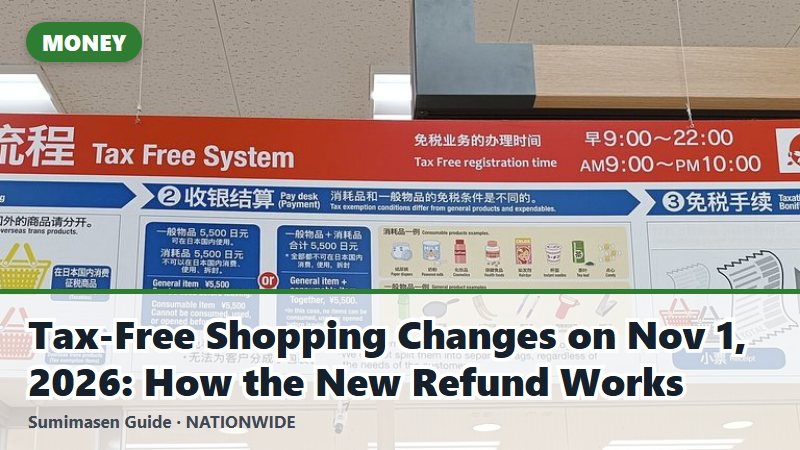 Tax-Free Shopping Changes on Nov 1, 2026: How the New Refund WorksIf you have shopped tax-free in Japan before, you probably remember the routine: show your passport at the register, and the price you pay already has the…
 Please Don't: Visitor Behavior That Made the News in Japan, and What to Do InsteadEvery year, a few scenes involving travelers make the Japanese news: crowds stepping into a road for a photo, a scratched shrine gate, a mountain climbed…
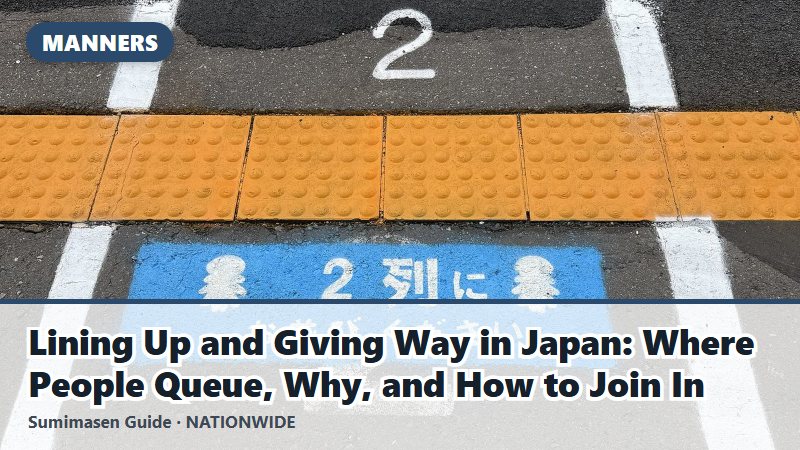 Lining Up and Giving Way in Japan: Where People Queue, Why, and How to Join InSpend a day in Japan and you'll stand in a lot of lines: on the station platform, at the taxi stand, outside a famous ramen shop, at a temple's photo spot.
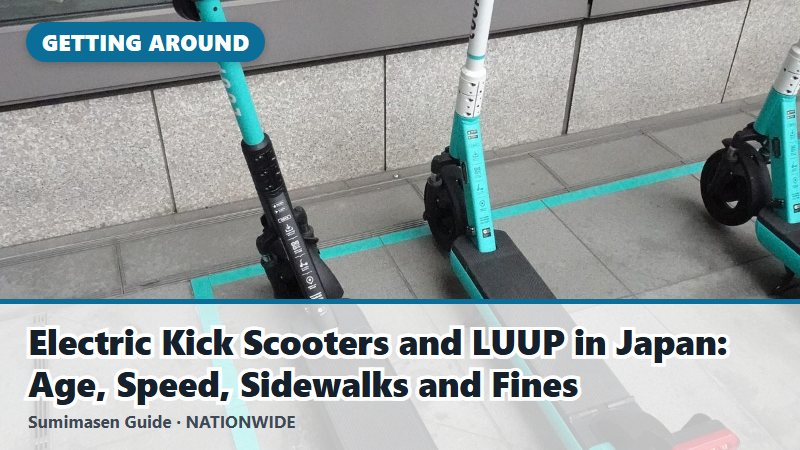 Electric Kick Scooters and LUUP in Japan: Age, Speed, Sidewalks and FinesShared electric kick scooters are now parked on street corners in many Japanese cities, and apps like LUUP let you ride one without a Japanese driver's…
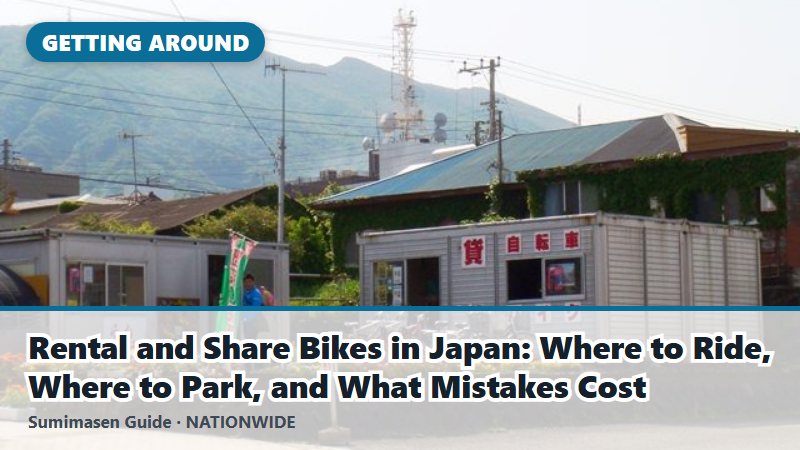 Rental and Share Bikes in Japan: Where to Ride, Where to Park, and What Mistakes CostA rented bicycle is one of the best ways to see Japan's cities at your own pace: temple to temple, café to riverbank, without waiting for a bus.
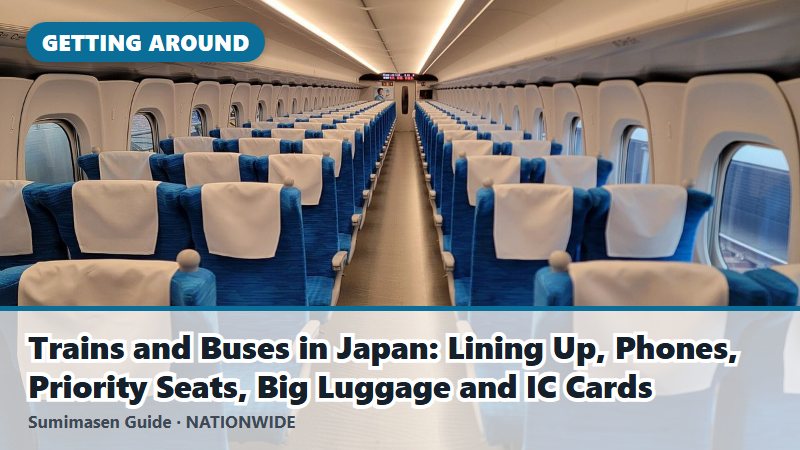 Trains and Buses in Japan: Lining Up, Phones, Priority Seats, Big Luggage and IC CardsJapan's trains and buses are easy to use once you know a handful of habits that everyone around you follows without thinking: where to stand on the…
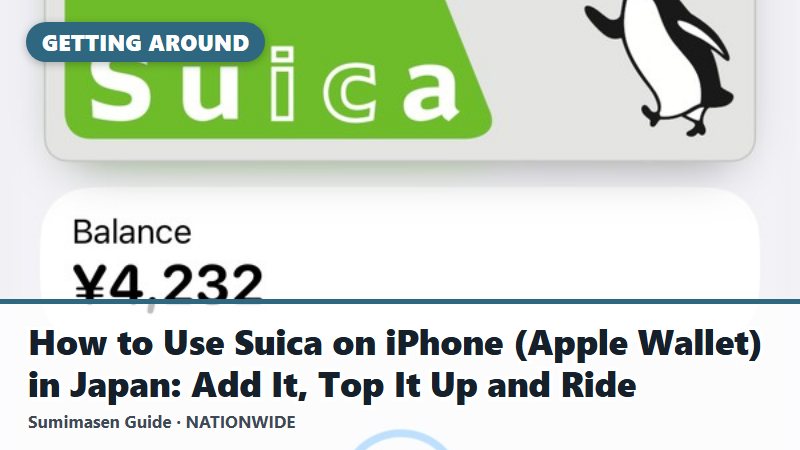 How to Use Suica on iPhone (Apple Wallet) in Japan: Add It, Top It Up and RideYou don't need a plastic card to ride trains in Japan if you have an iPhone.
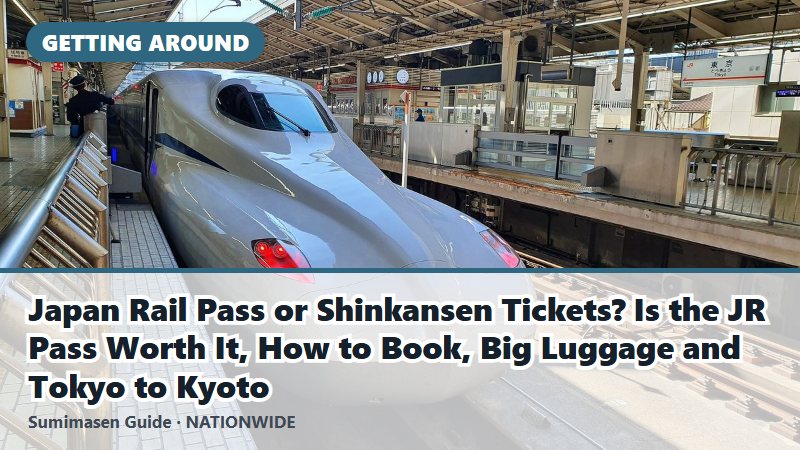 Japan Rail Pass or Shinkansen Tickets? Is the JR Pass Worth It, How to Book, Big Luggage and Tokyo to KyotoFor years, the Japan Rail Pass was the first thing many visitors bought. Then, on October 1, 2023, its price went up sharply, and for a lot of trips…
 Renting a Car in Japan: International Driving Permit, ETC Card, Driving on the Left and How to BookTrains take you almost everywhere in Japan's big cities, but for the flower fields of Hokkaido, the beaches of Okinawa or a road trip through the…
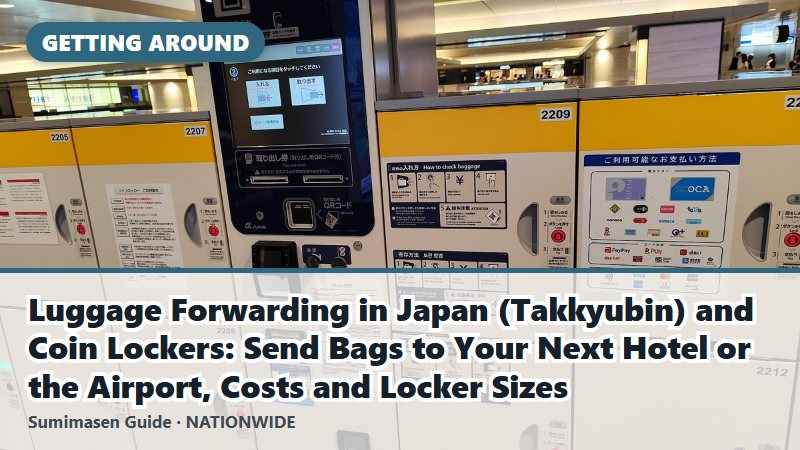 Luggage Forwarding in Japan (Takkyubin) and Coin Lockers: Send Bags to Your Next Hotel or the Airport, Costs and Locker SizesJapan is easy to travel around, until you try to do it with a large suitcase.
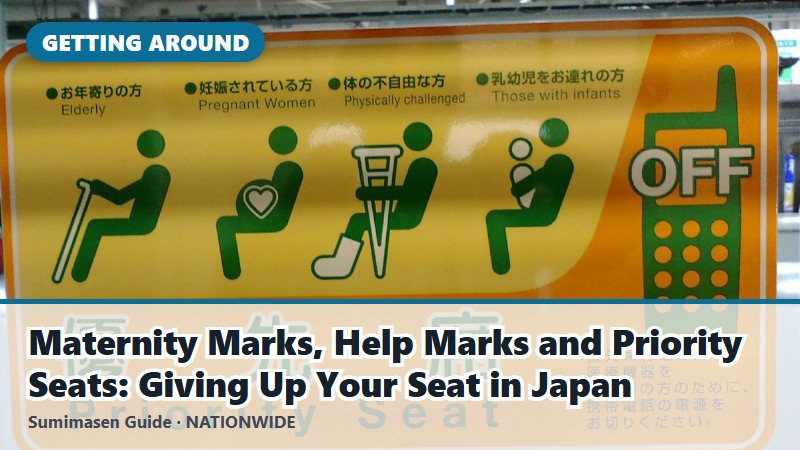 Maternity Marks, Help Marks and Priority Seats: Giving Up Your Seat in JapanOn trains and buses in Japan, you may notice a small pink tag on a bag, or a red tag with a white cross and heart.
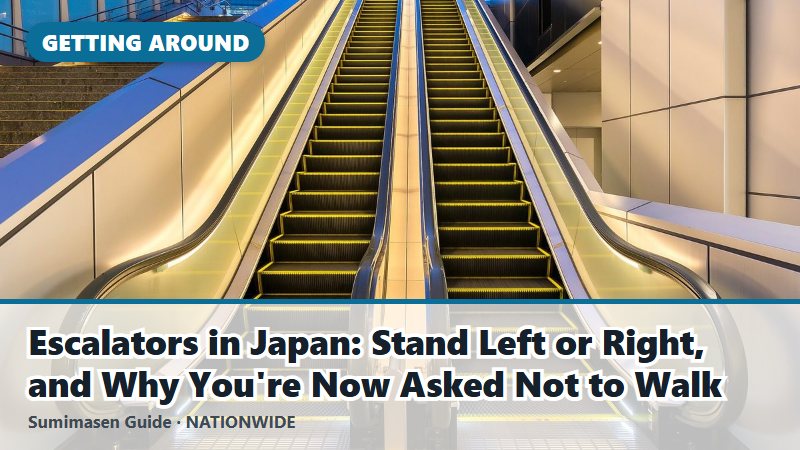 Escalators in Japan: Stand Left or Right, and Why You're Now Asked Not to WalkRide an escalator in Tokyo and most people stand on the left, leaving the right side for people walking up. Go to Osaka and it's the other way around.
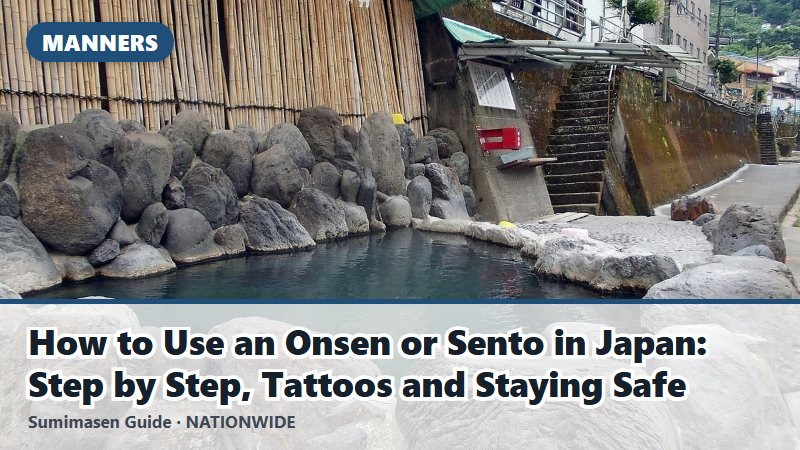 How to Use an Onsen or Sento in Japan: Step by Step, Tattoos and Staying SafeSinking into a hot spring after a day of walking is one of the best things you can do in Japan, and a neighborhood public bath (sento) is a small window…
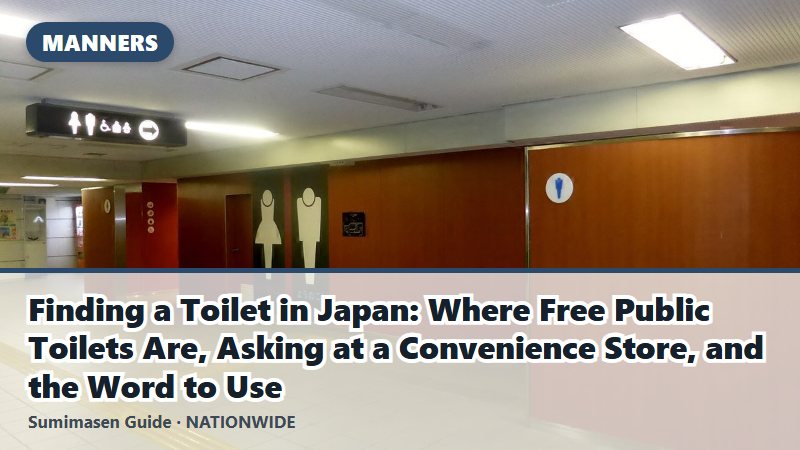 Finding a Toilet in Japan: Where Free Public Toilets Are, Asking at a Convenience Store, and the Word to UseJapan has a lot of free, clean public toilets, but when you suddenly need one in an unfamiliar city, knowing where to look makes all the difference.
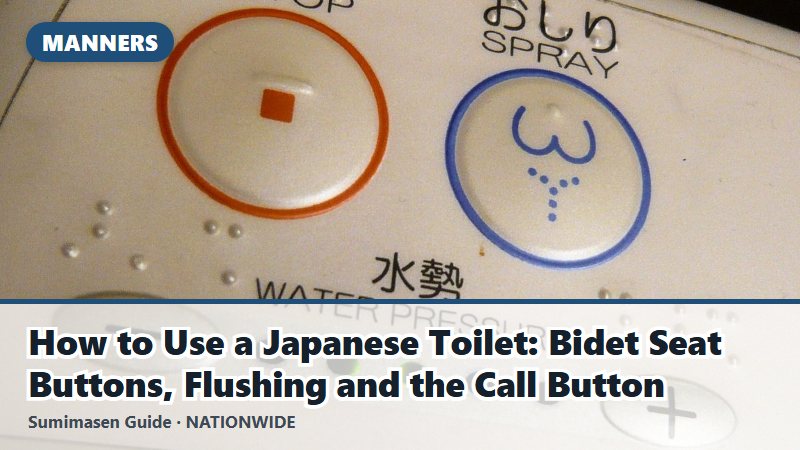 How to Use a Japanese Toilet: Bidet Seat Buttons, Flushing and the Call ButtonJapanese toilets are famously clean and comfortable, and also famously full of buttons.
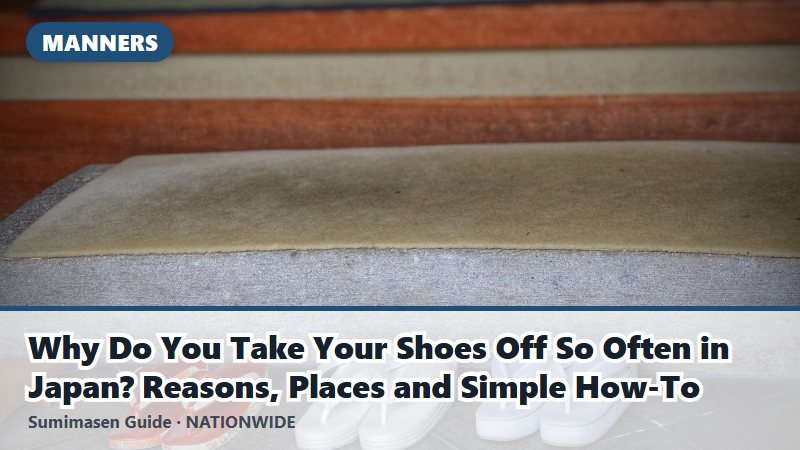 Why Do You Take Your Shoes Off So Often in Japan? Reasons, Places and Simple How-ToIn Japan you'll be asked to take your shoes off more often than you might expect: at the door of a home, at a ryokan (traditional Japanese inn), in some…
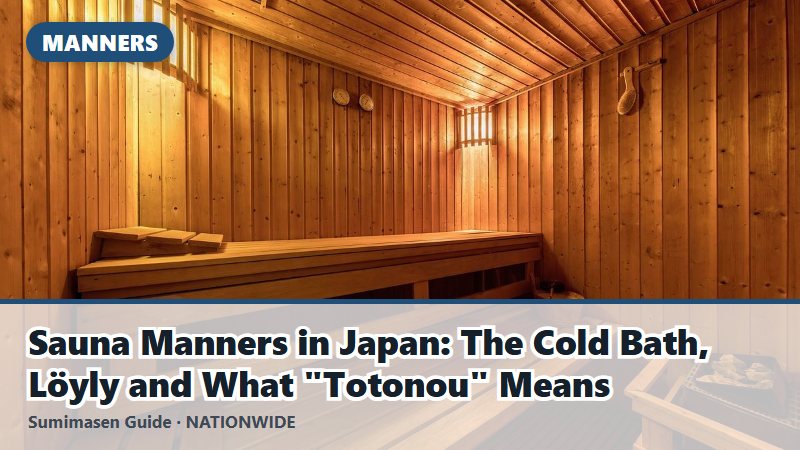 Sauna Manners in Japan: The Cold Bath, Löyly and What "Totonou" MeansJapan is in the middle of a sauna boom. Many onsen (hot-spring baths), sento (neighborhood public bathhouses) and hotels now have a hot sauna room, a cold…
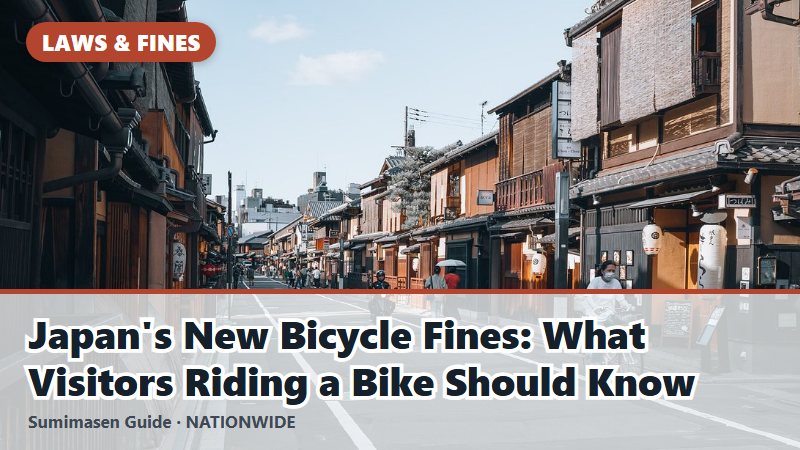 Japan's New Bicycle Fines: What Visitors Riding a Bike Should KnowRenting a bike in Kyoto, riding a shared e-bike across Tokyo, pedaling between temples in Nara: it's one of the nicest ways to see Japan.
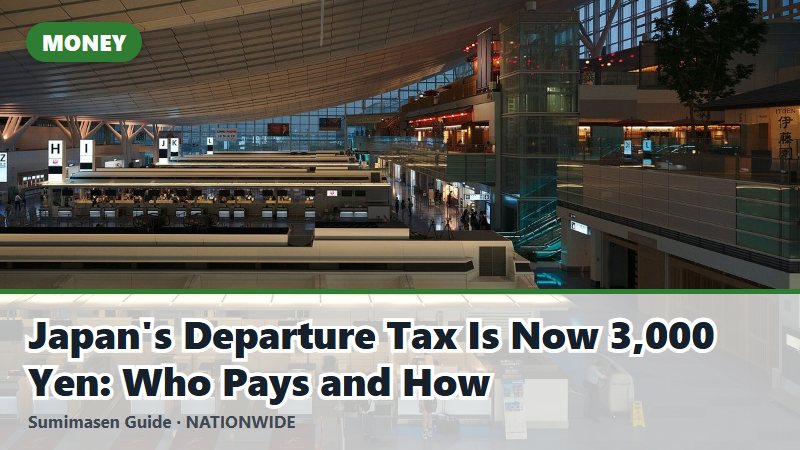 Japan's Departure Tax Is Now 3,000 Yen: Who Pays and HowComparing flight prices and noticed a "JP tax" or "international tourist tax" line on your fare?
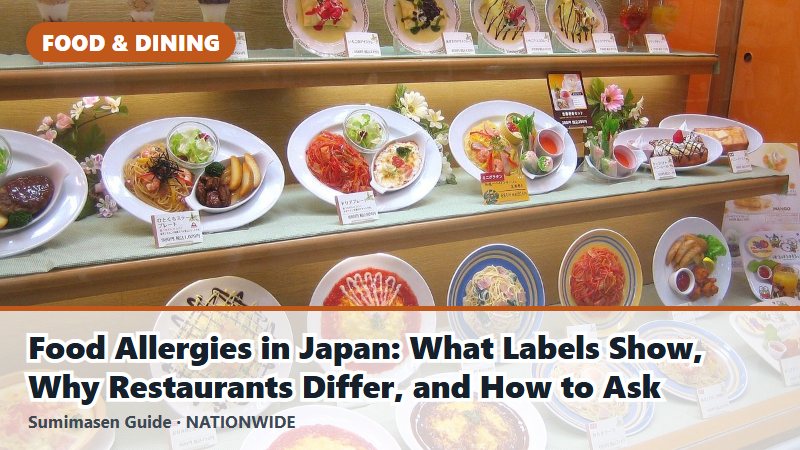 Food Allergies in Japan: What Labels Show, Why Restaurants Differ, and How to AskIf you live with a food allergy, eating in a country where you can't read the menu takes planning.
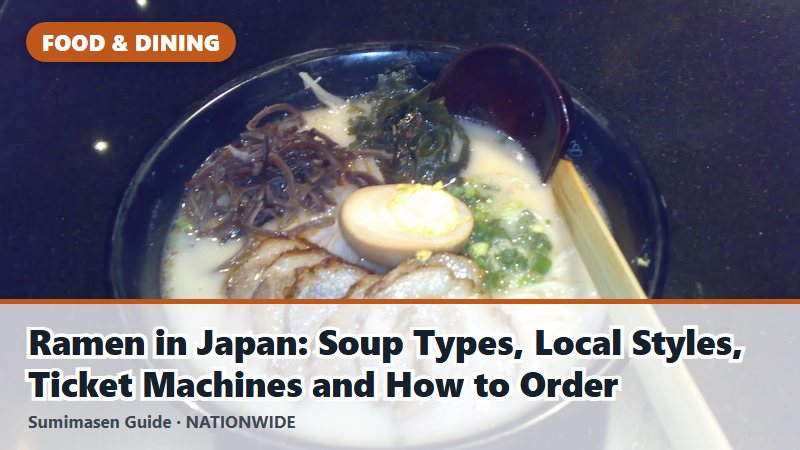 Ramen in Japan: Soup Types, Local Styles, Ticket Machines and How to OrderA bowl of ramen is one of the simplest pleasures of a trip to Japan, and one of the cheapest.
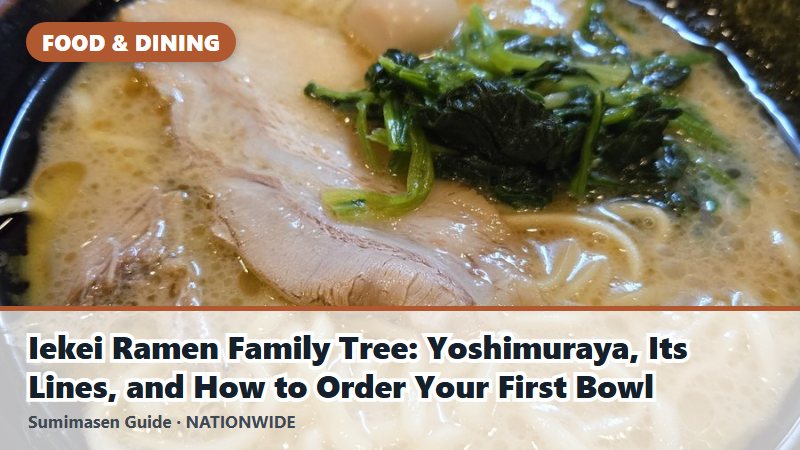 Iekei Ramen Family Tree: Yoshimuraya, Its Lines, and How to Order Your First BowlIekei ramen is the rich pork-bone and soy-sauce ramen that grew out of one shop, Yoshimuraya (吉村家), which opened in 1974 near Shin-Sugita Station in…
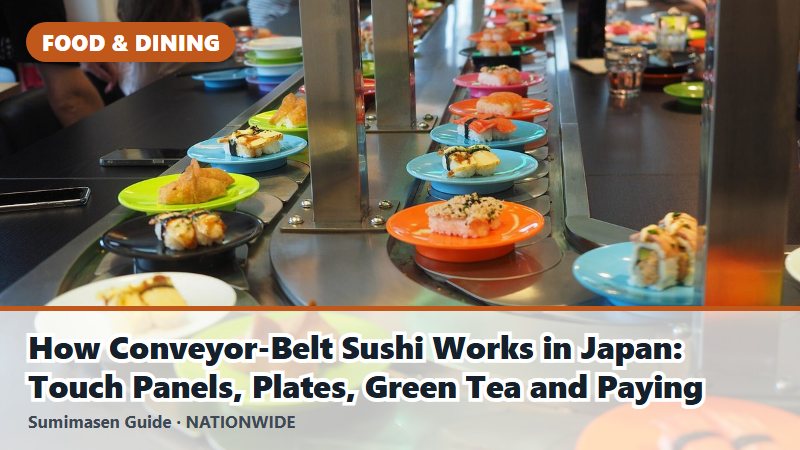 How Conveyor-Belt Sushi Works in Japan: Touch Panels, Plates, Green Tea and PayingConveyor-belt sushi ( kaiten-zushi ) is one of the most fun, affordable meals in Japan: plates glide past your table, you take what looks good, and you…
 Family Restaurants in Japan: Call Buttons, Drink Bars, Tablets and Robot ServersJapan's family restaurants, called famiresu , are casual chains with big menus, low prices and long opening hours, and they are a lifesaver for travelers…
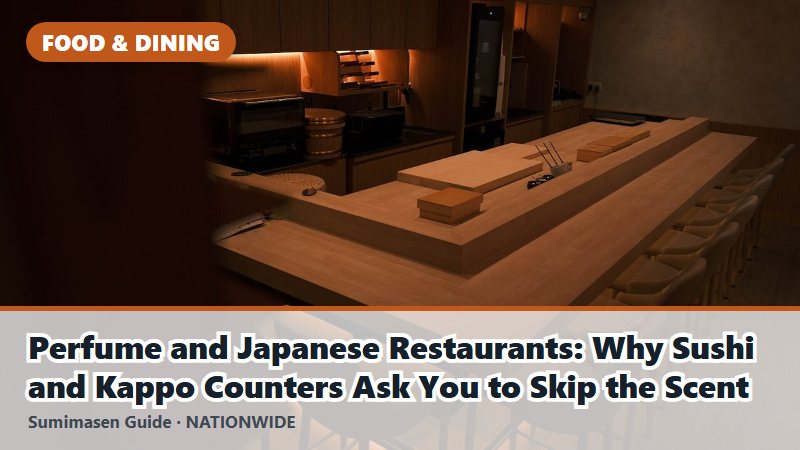 Perfume and Japanese Restaurants: Why Sushi and Kappo Counters Ask You to Skip the ScentYou've booked a sushi counter or a kappo restaurant for a special night, and you want to look and smell your best.
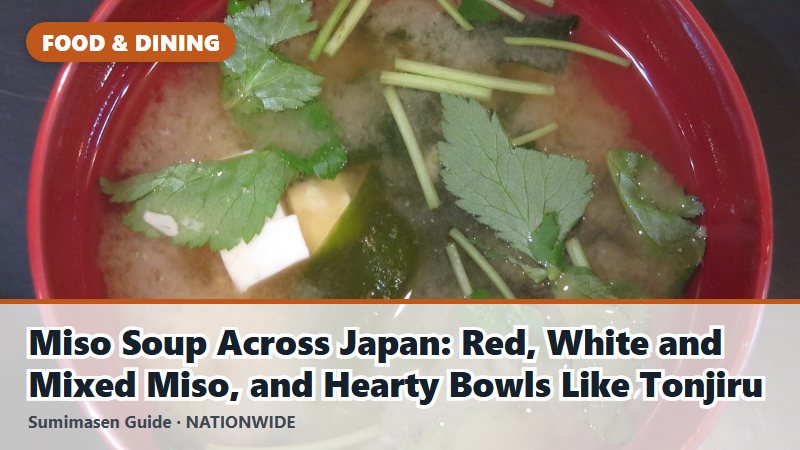 Miso Soup Across Japan: Red, White and Mixed Miso, and Hearty Bowls Like TonjiruA small bowl of miso soup comes with almost every Japanese set meal, but it doesn't taste the same everywhere.
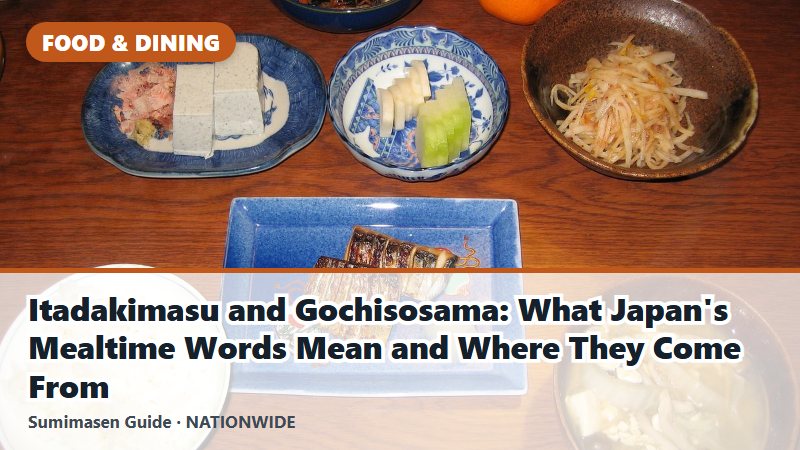 Itadakimasu and Gochisosama: What Japan's Mealtime Words Mean and Where They Come FromSit down to eat in Japan and you'll hear two short phrases again and again: itadakimasu before the first bite and gochisosama deshita after the last.
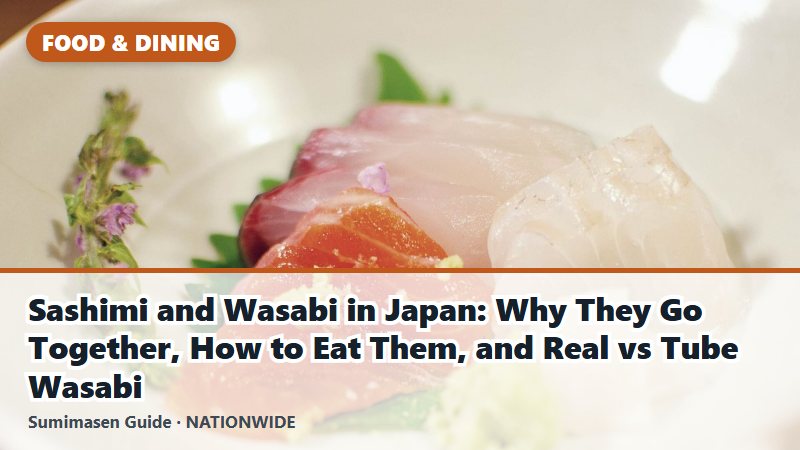 Sashimi and Wasabi in Japan: Why They Go Together, How to Eat Them, and Real vs Tube WasabiOrder sashimi in Japan and it almost always arrives with a small green mound of wasabi, a few garnishes and a little dish for soy sauce.
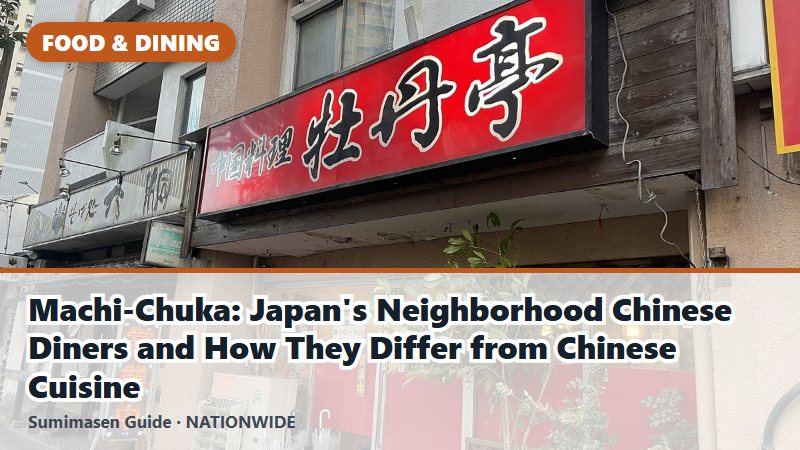 Machi-Chuka: Japan's Neighborhood Chinese Diners and How They Differ from Chinese CuisineOn many shopping streets in Japan you'll find a small restaurant with a red sign, ramen, fried rice and gyoza on the menu, and a counter where people eat…
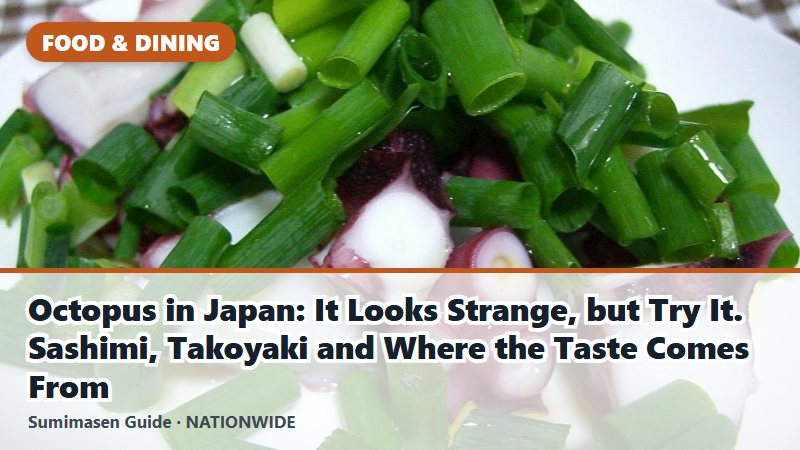 Octopus in Japan: It Looks Strange, but Try It. Sashimi, Takoyaki and Where the Taste Comes FromEight arms, rows of suckers, purple-red skin: for many visitors, octopus is the most alarming thing on a Japanese menu.
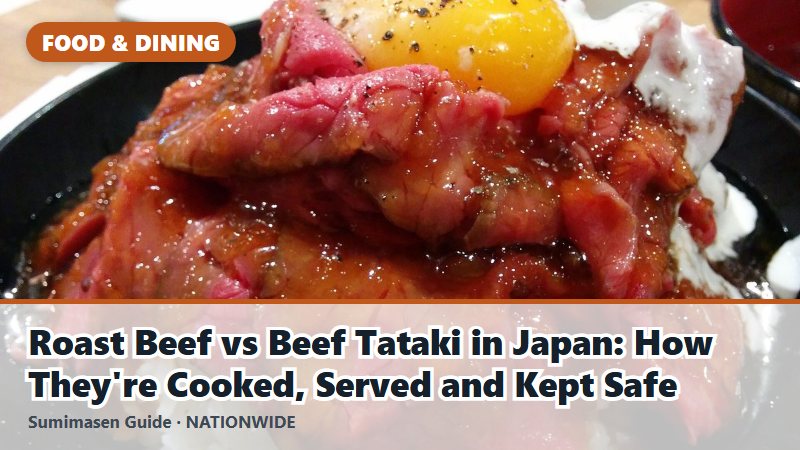 Roast Beef vs Beef Tataki in Japan: How They're Cooked, Served and Kept SafeIn Japan you'll find thin slices of pink beef in two very different dishes: roast beef , piled on rice bowls and sold in department store food halls, and…
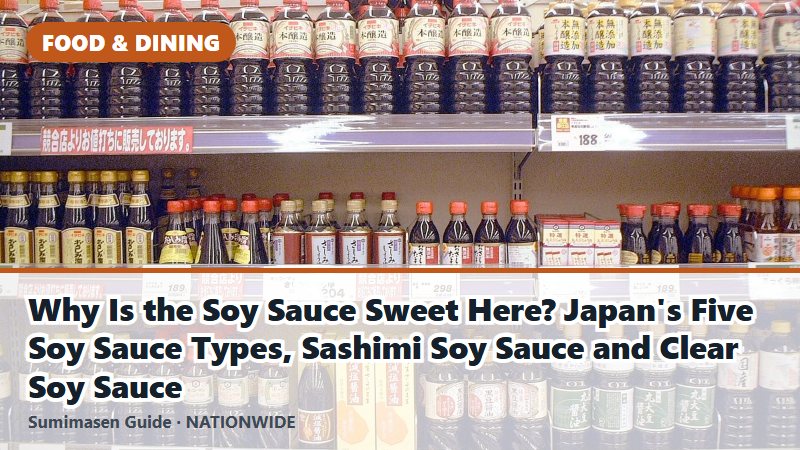 Why Is the Soy Sauce Sweet Here? Japan's Five Soy Sauce Types, Sashimi Soy Sauce and Clear Soy SaucePour soy sauce on your sashimi in Fukuoka and it may taste surprisingly sweet.
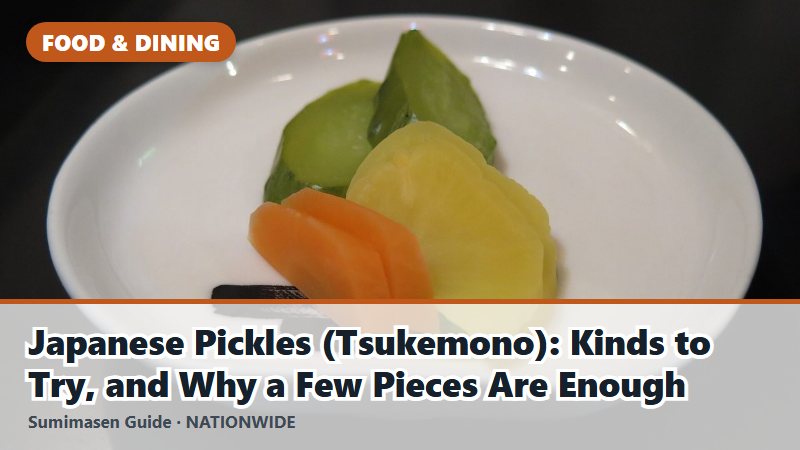 Japanese Pickles (Tsukemono): Kinds to Try, and Why a Few Pieces Are EnoughOrder almost any set meal in Japan and a tiny dish of pickles comes with it: a few yellow slices of radish, a sour red plum, some green leaves.
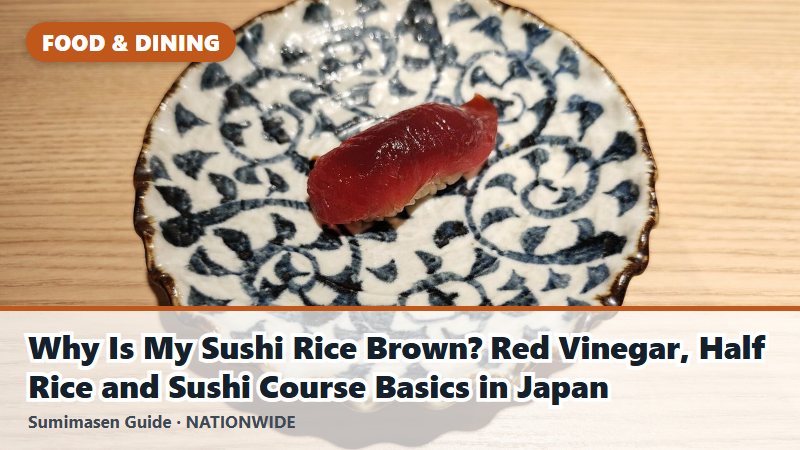 Why Is My Sushi Rice Brown? Red Vinegar, Half Rice and Sushi Course Basics in JapanMost sushi shops in Japan serve white rice, seasoned with white rice vinegar.
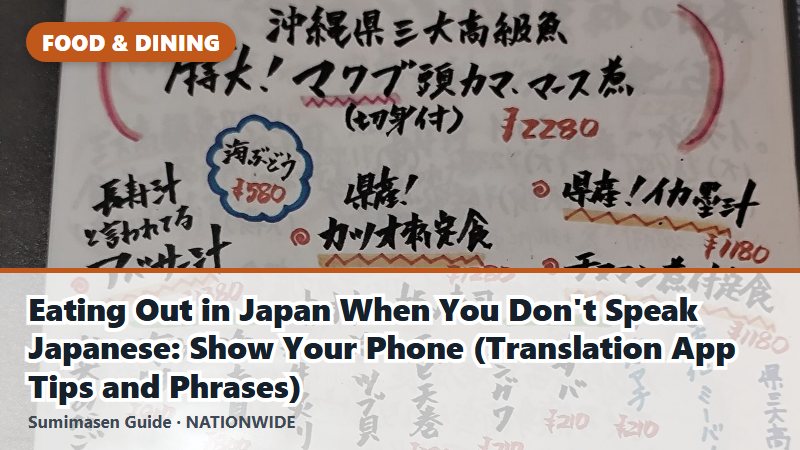 Eating Out in Japan When You Don't Speak Japanese: Show Your Phone (Translation App Tips and Phrases)Not many people in Japan use English every day, so restaurant staff can look a little unsure when a guest speaks to them in English.
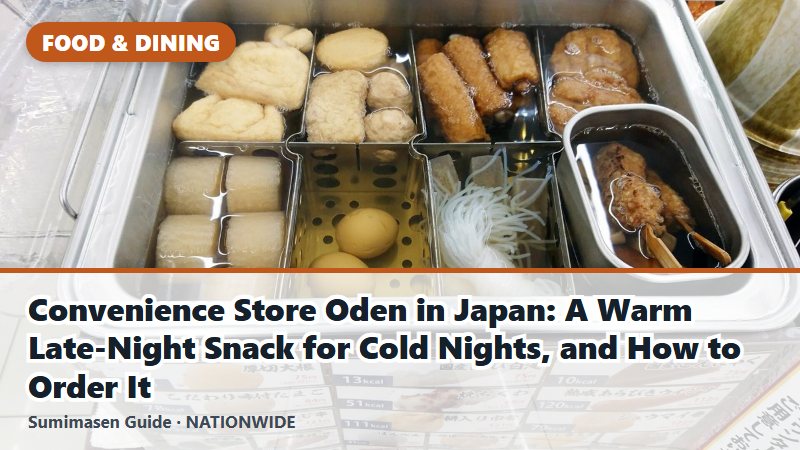 Convenience Store Oden in Japan: A Warm Late-Night Snack for Cold Nights, and How to Order ItWhen the evenings turn cold, a cup of oden from a convenience store is one of the easiest warm snacks you can find in Japan.
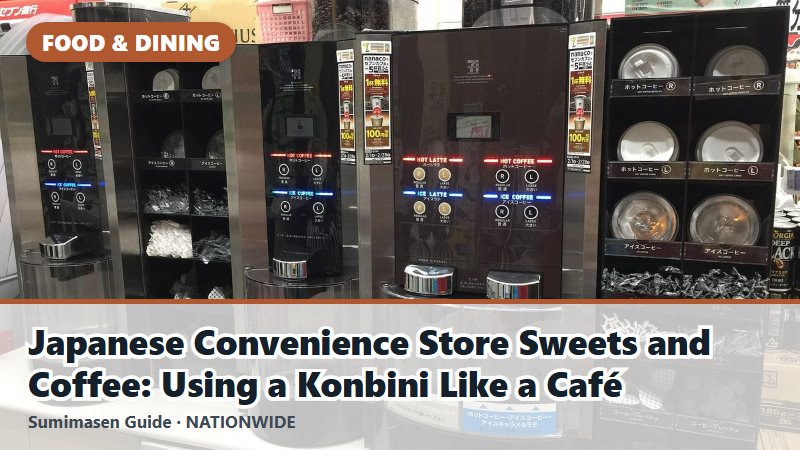 Japanese Convenience Store Sweets and Coffee: Using a Konbini Like a CaféYou don't need a reservation or a big budget to have cake and coffee in Japan.
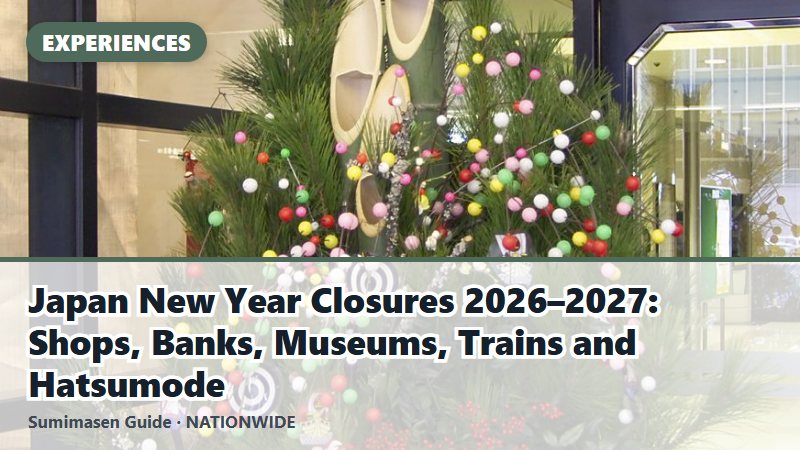 Japan New Year Closures 2026–2027: Shops, Banks, Museums, Trains and HatsumodeVisiting Japan around December 29 to January 3? You can still enjoy the New Year, but opening hours vary by place.
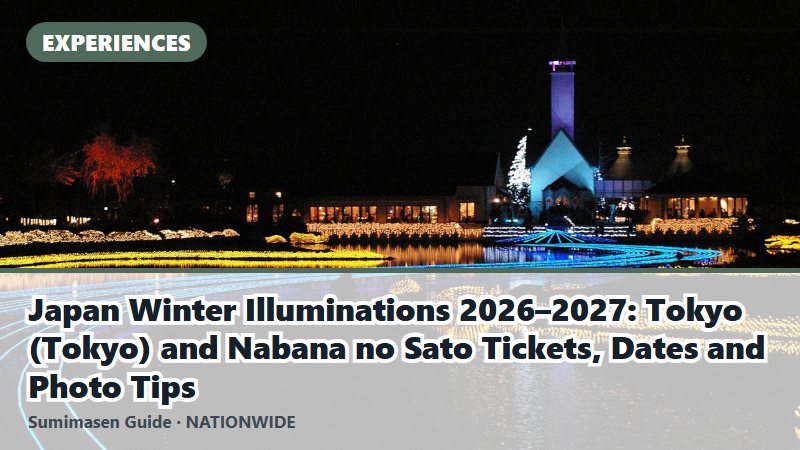 Japan Winter Illuminations 2026–2027: Tokyo and Nabana no Sato Tickets, Dates and Photo TipsLooking for winter lights during your trip? Start with your travel date and how much of the evening you want to spend outdoors.
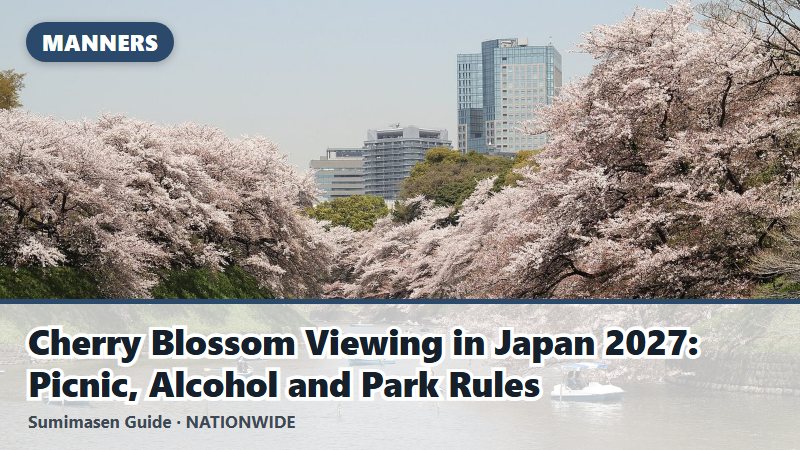 Cherry Blossom Viewing in Japan 2027: Picnic, Alcohol and Park RulesWould you like a picnic under the cherry trees, or a leisurely walk beside the blossoms?
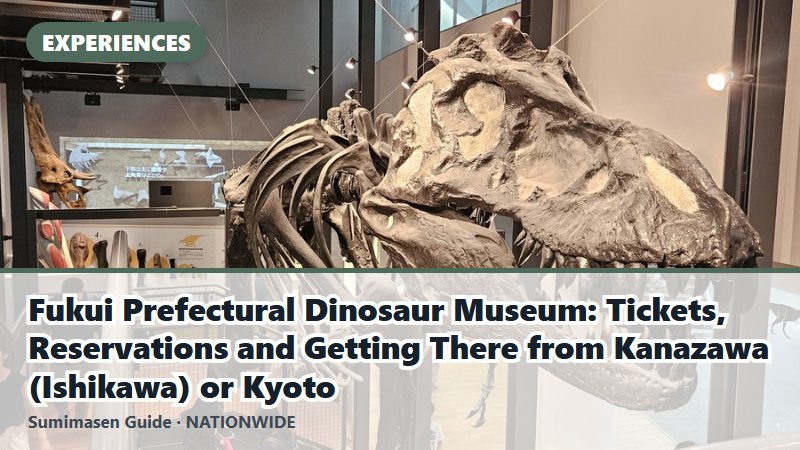 Fukui Prefectural Dinosaur Museum: Tickets, Reservations and Getting There from Kanazawa (Ishikawa) or KyotoThe Fukui Prefectural Dinosaur Museum in Katsuyama (Fukui) is one of the world's leading dinosaur museums, in a city known as Japan's treasury of dinosaur…
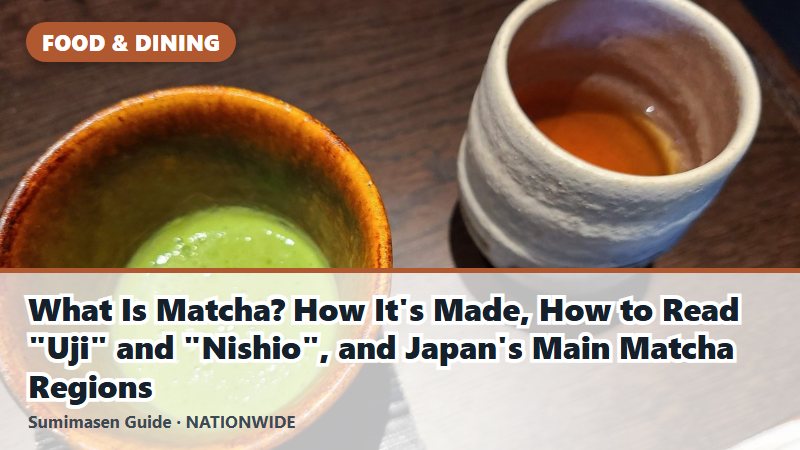 What Is Matcha? How It's Made, How to Read "Uji" and "Nishio", and Japan's Main Matcha RegionsMatcha isn't just green tea ground into powder. It starts as tencha , a tea grown in the shade and dried without rolling, which is then milled into a fine…
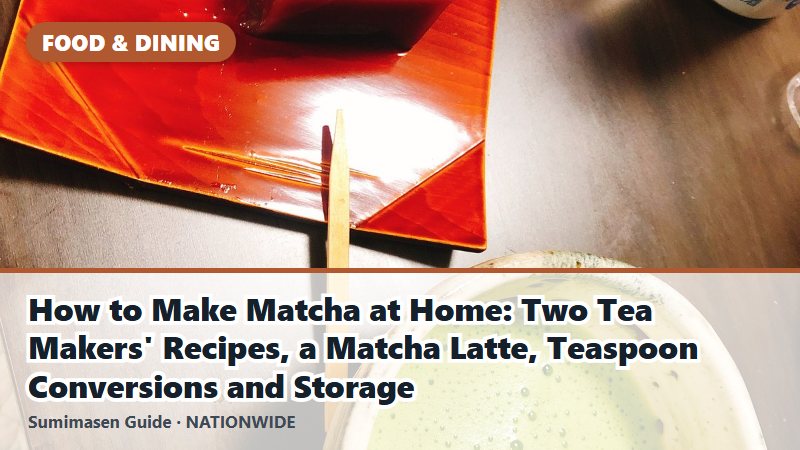 How to Make Matcha at Home: Two Tea Makers' Recipes, a Matcha Latte, Teaspoon Conversions and StorageBought matcha in Japan and want to make it the way the makers do? Two well-known tea houses in Kyoto publish their own recipes, and they don't use the…
 15 Matcha Recipes: Lattes, Pudding, Cookies and Easy CakesBring the matcha you bought in Japan into your kitchen at home. These 15 recipes range from a quick latte to pudding, cookies and microwave cupcakes.
 Reading a Japanese Matcha Menu: Shiratama, Anko and KuromitsuA matcha parfait arrives with white dumplings, red beans and cubes of jelly.
 Why Is Matcha So Green? What Its Colour Can—and Cannot—Tell YouA bowl of matcha, a pale latte and a dark green cake can look surprisingly different.
 When Should You Eat the Sweets at a Tea Ceremony? A Beginner's GuideA small sweet arrives before your bowl of matcha. Should you save it to eat between sips, as you might with coffee and cake?
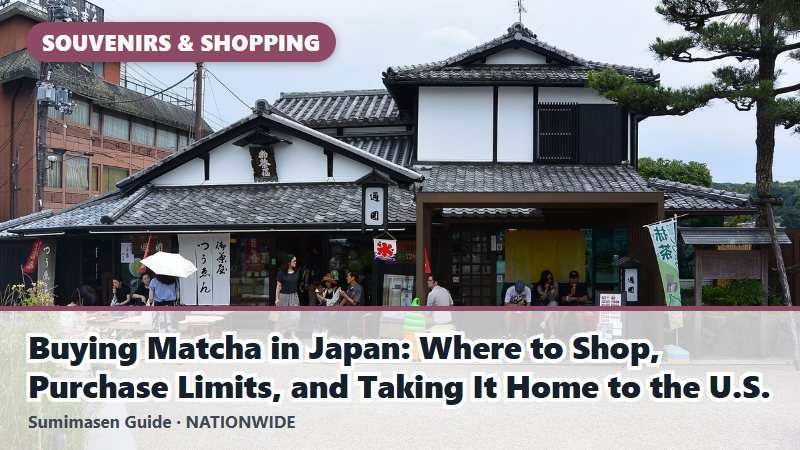 Buying Matcha in Japan: Where to Shop, Purchase Limits, and Taking It Home to the U.S.Many visitors want to bring matcha home from Japan, and some makers now limit how much each person can buy.
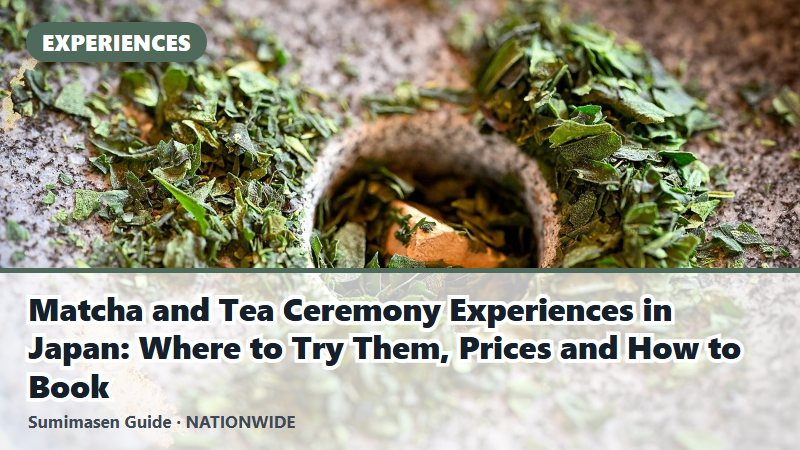 Matcha and Tea Ceremony Experiences in Japan: Where to Try Them, Prices and How to BookWhisking your own bowl of matcha, watching tea being ground in a stone mill, or sitting in a quiet tea room are some of the most memorable ways to meet…
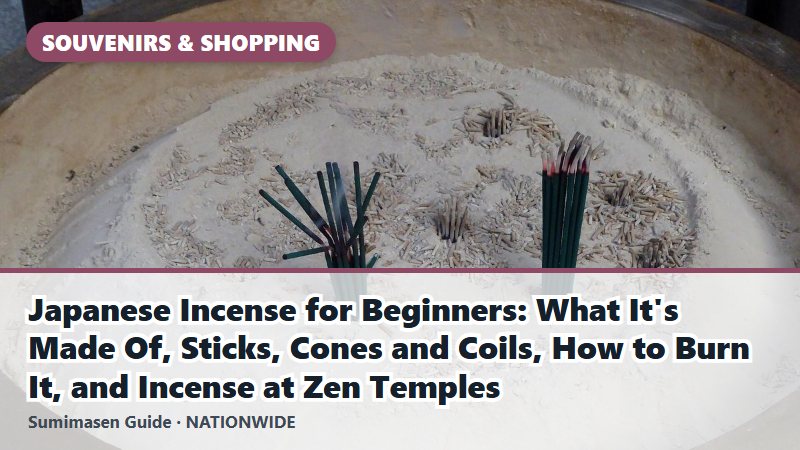 Japanese Incense for Beginners: What It's Made Of, Sticks, Cones and Coils, How to Burn It, and Incense at Zen TemplesThe scent of incense drifting from a temple burner is one of the first things many visitors notice in Japan, and a box of Japanese incense is a light…
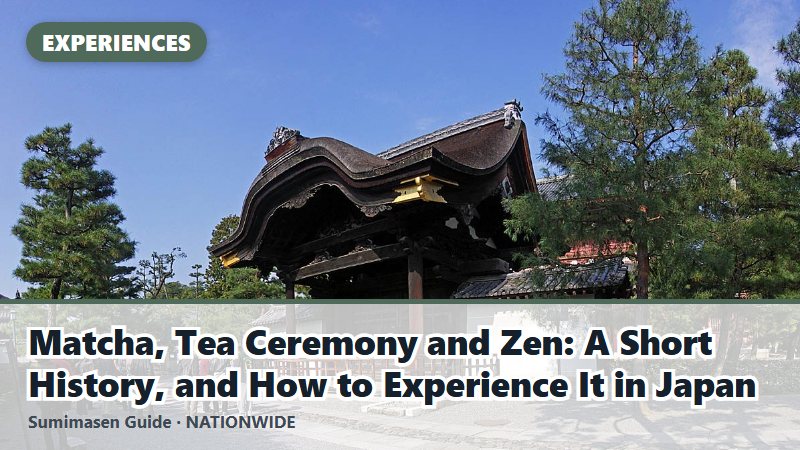 Matcha, Tea Ceremony and Zen: A Short History, and How to Experience It in JapanWhy is matcha so often linked with Zen? The connection is historical: the monk who introduced Rinzai Zen to Japan also brought powdered tea, and the tea…
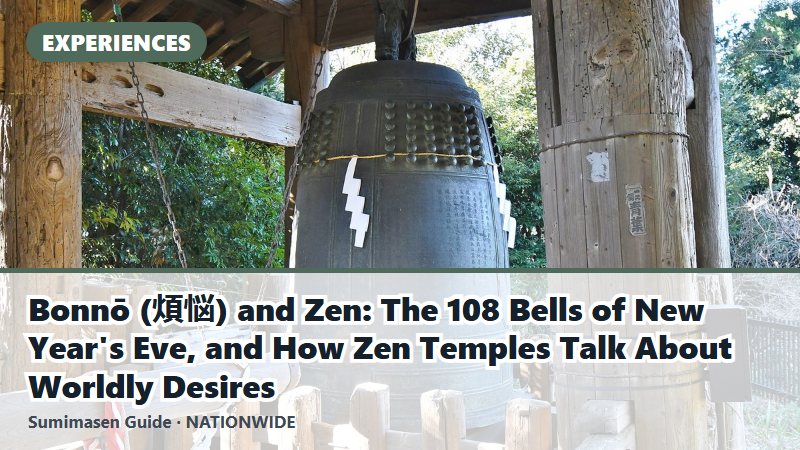 Bonnō (煩悩) and Zen: The 108 Bells of New Year's Eve, and How Zen Temples Talk About Worldly DesiresIf you spend New Year's Eve in Japan, you may hear temple bells ringing slowly through the night.
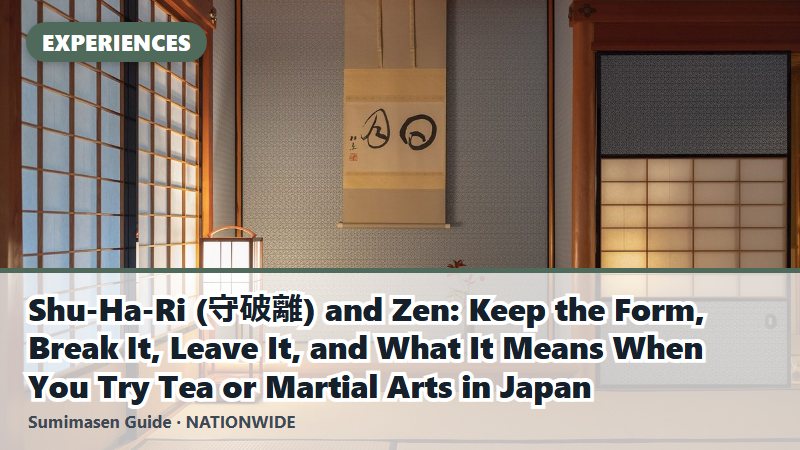 Shu-Ha-Ri (守破離) and Zen: Keep the Form, Break It, Leave It, and What It Means When You Try Tea or Martial Arts in JapanIn Japanese tea, martial arts and other traditional "ways," you may hear the phrase shu-ha-ri (守破離): first keep the form, then break it, then leave it.
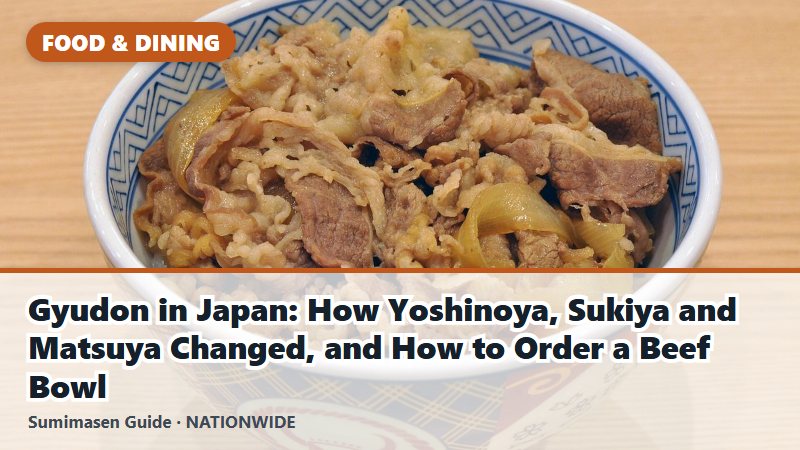 Gyudon in Japan: How Yoshinoya, Sukiya and Matsuya Changed, and How to Order a Beef BowlGyudon (牛丼), a bowl of rice topped with thinly sliced beef and onion simmered in a sweet soy-based sauce, is one of the quickest and cheapest hot meals in…
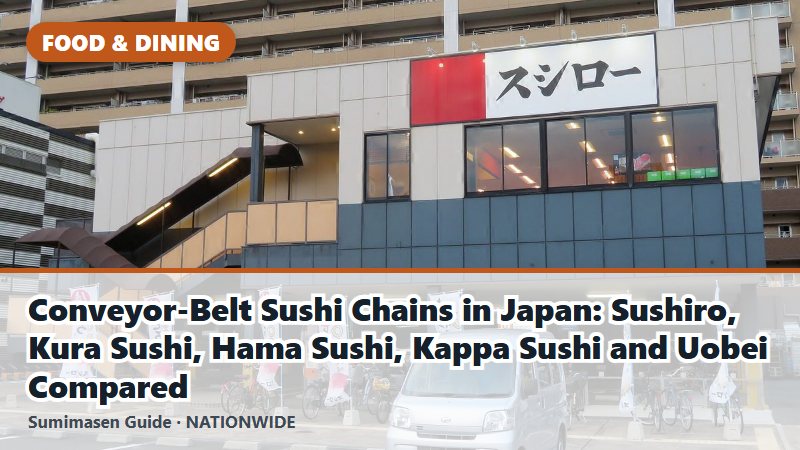 Conveyor-Belt Sushi Chains in Japan: Sushiro, Kura Sushi, Hama Sushi, Kappa Sushi and Uobei ComparedJapan's big conveyor-belt sushi chains have hundreds of restaurants each, many on main roads and in shopping centers, so there is often one near your…
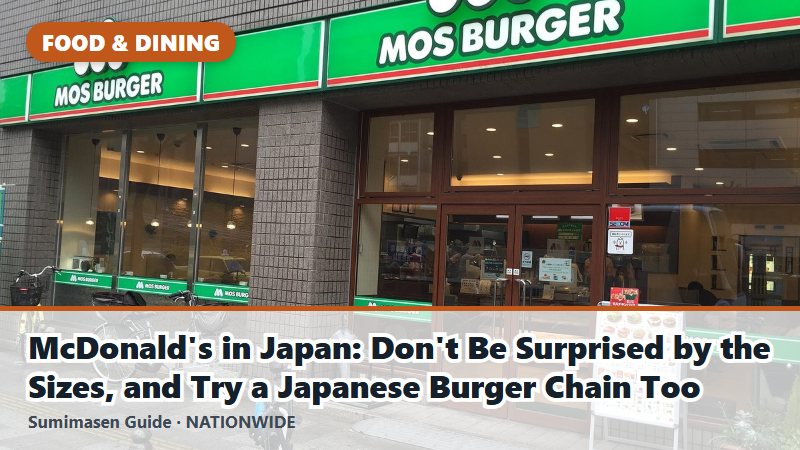 McDonald's in Japan: Don't Be Surprised by the Sizes, and Try a Japanese Burger Chain TooIf you travel with children, you know what happens the moment they spot the big yellow M: they want to go in.
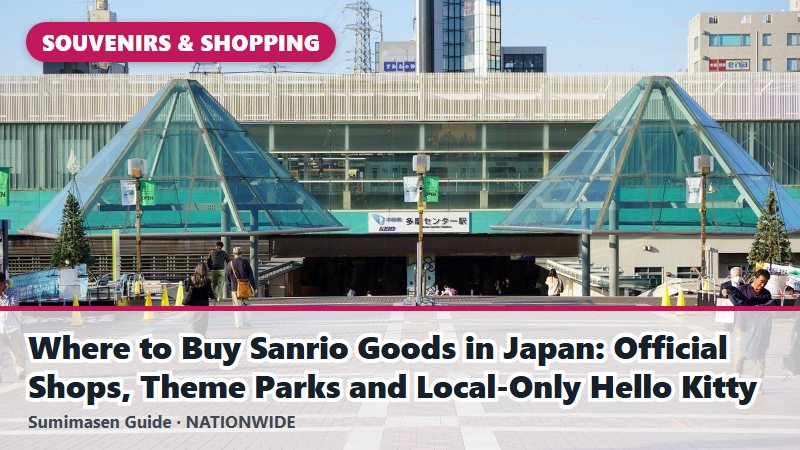 Where to Buy Sanrio Goods in Japan: Official Shops, Theme Parks and Local-Only Hello KittyHello Kitty, My Melody, Kuromi, Cinnamoroll and friends are everywhere in Japan, but if you want genuine goods, a wide selection and the things you can't…
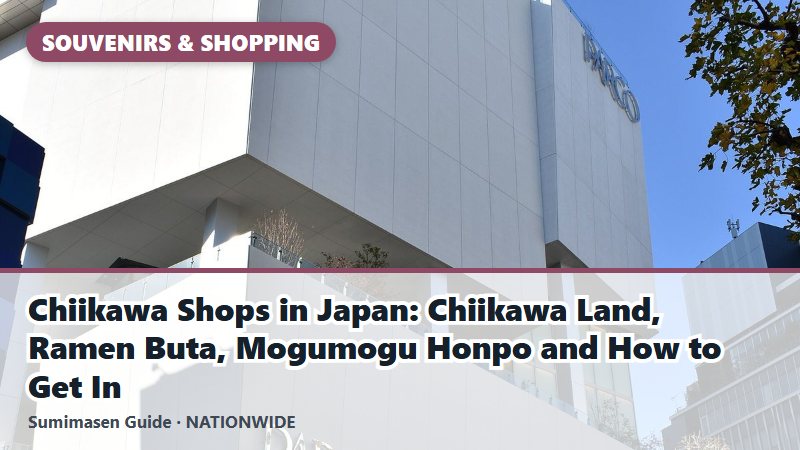 Chiikawa Shops in Japan: Chiikawa Land, Ramen Buta, Mogumogu Honpo and How to Get InChiikawa, the little characters drawn by the illustrator Nagano, have official shops all over Japan, and for many fans a visit is one of the best parts of…
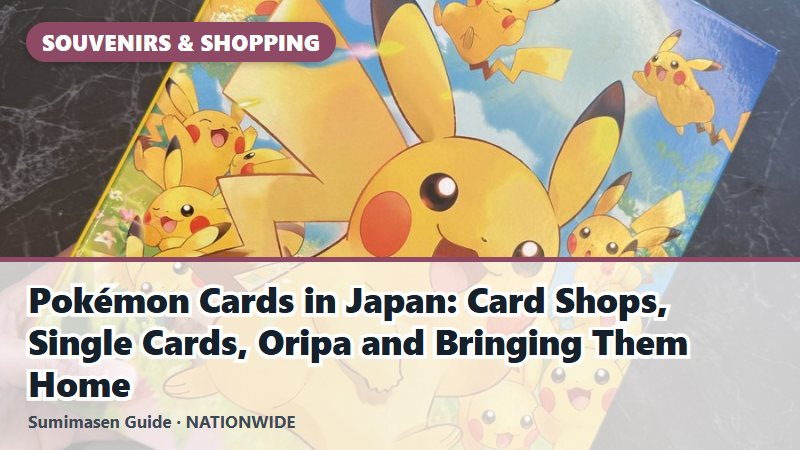 Pokémon Cards in Japan: Card Shops, Single Cards, Oripa and Bringing Them HomeHunting for Japanese Pokémon cards is a fun part of a trip to Japan, and you don't need to be a tournament player to enjoy them.
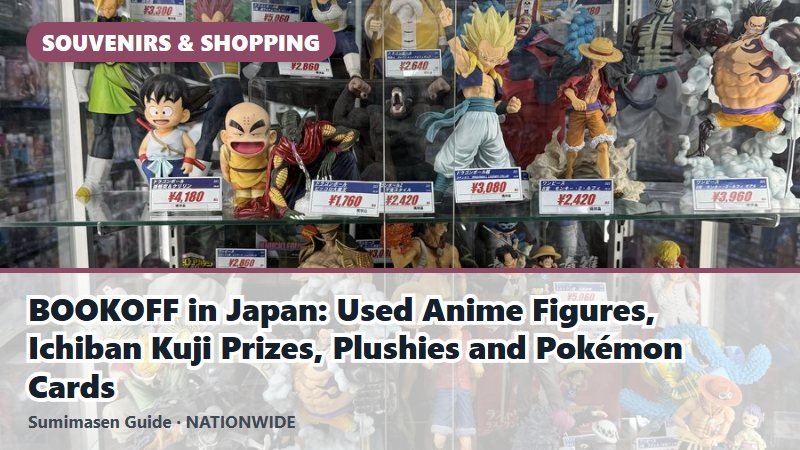 BOOKOFF in Japan: Used Anime Figures, Ichiban Kuji Prizes, Plushies and Pokémon CardsBOOKOFF is a chain of secondhand shops found all over Japan. Many people know it for used books, but many stores also sell used anime figures, plushies…
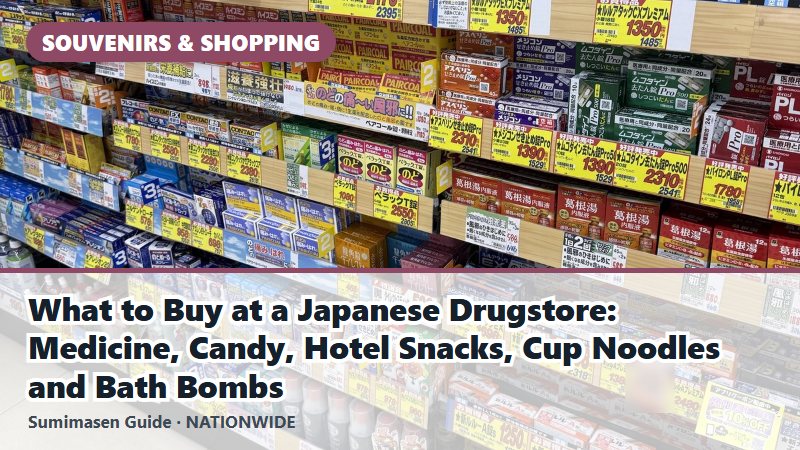 What to Buy at a Japanese Drugstore: Medicine, Candy, Hotel Snacks, Cup Noodles and Bath BombsA Japanese drugstore (ドラッグストア) is much more than a pharmacy. Alongside over-the-counter medicines, many sell candy, snacks, cup noodles, ice cream, drinks…
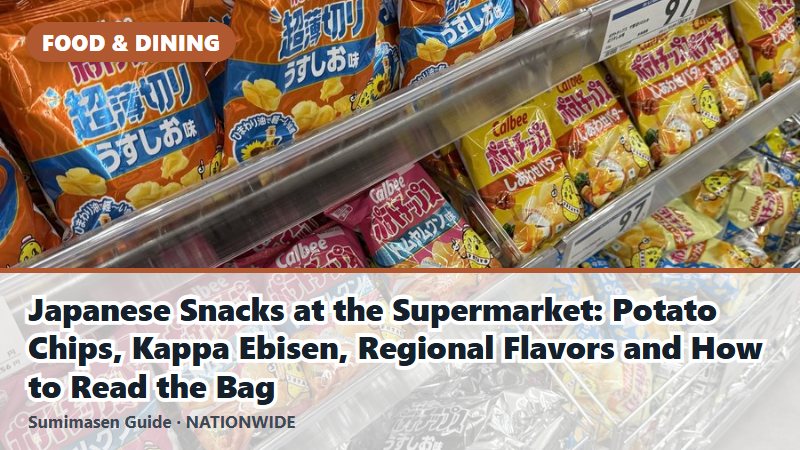 Japanese Snacks at the Supermarket: Potato Chips, Kappa Ebisen, Regional Flavors and How to Read the BagWalk into the snack aisle of a Japanese supermarket and you'll find shelves of potato chips, shrimp crackers and corn snacks in flavors you won't see at…
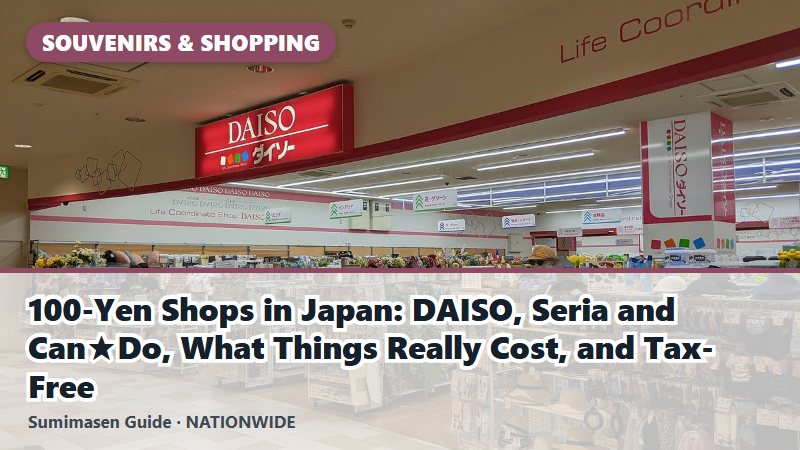 100-Yen Shops in Japan: DAISO, Seria and Can★Do, What Things Really Cost, and Tax-FreeA 100-yen shop (hyaku-en shop, often shortened to "hyakkin") sells most of its goods at a single price of 100 yen before tax.
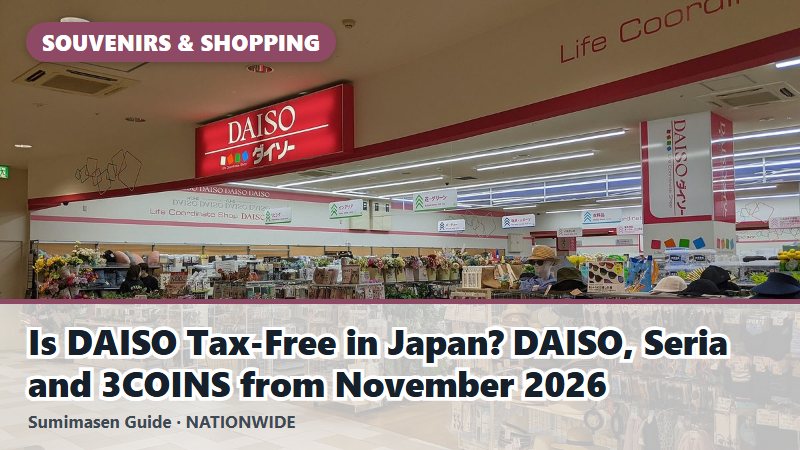 Is DAISO Tax-Free in Japan? DAISO, Seria and 3COINS from November 2026Tax-free shopping in Japan works shop by shop , not chain by chain. Some DAISO, Seria or 3COINS branches may be tax-free, but the branches checked for…
 Hatsumode in Tokyo for New Year 2027: When to Go, How Long the Queue Is, and What to Do at the ShrineHatsumode is the first visit of the year to a shrine or temple, and in Tokyo the busiest window is the night of December 31 through January 3.
 Is Tap Water Safe to Drink in Japan? Yes: What the Rules Say, Hotel Taps, Taste, and Where Not to DrinkYes. Tap water from Japan's public water supply has to meet national drinking water standards, so you can drink it straight from the tap, including at…
 Bonbon Drop Stickers in Japan: Why They're Hard to Find, How the Lotteries Work, Real Prices and How to Spot FakesBonbon Drop Stickers are glossy, puffy stickers that look like hard candy, made by two Japanese stationery companies: Q-LiA and Sun-Star Stationery.
 Japan's Buzzwords of the Year 2026: The 30 Nominees, and the Ones You Might Actually See on Your TripEvery year, Japan picks its "words of the year." On November 5, 2026, the organizers announced 30 nominees, from Chiikawa and puffy stickers to new…
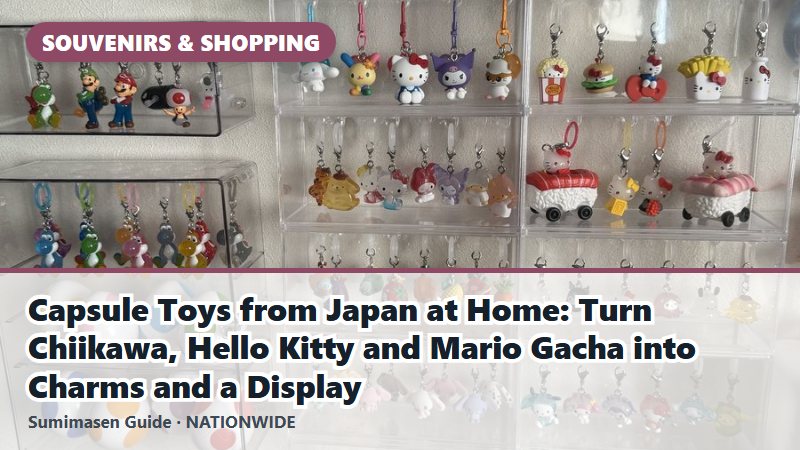 Capsule Toys from Japan at Home: Turn Chiikawa, Hello Kitty and Mario Gacha into Charms and a DisplayJapanese capsule toys (gacha), crane-game prizes and the tiny mascots hidden inside bath bombs are some of the most fun small souvenirs you can bring…
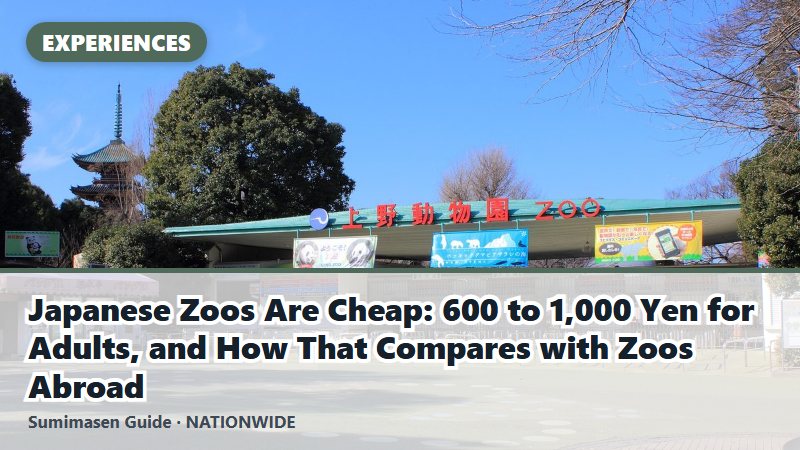 Japanese Zoos Are Cheap: 600 to 1,000 Yen for Adults, and How That Compares with Zoos AbroadAdult admission at the major Japanese zoos we checked is 600 to 1,000 yen : 600 yen at Ueno Zoo in Ueno (Tokyo), 800 yen at Tennoji Zoo in Osaka and 1,000…
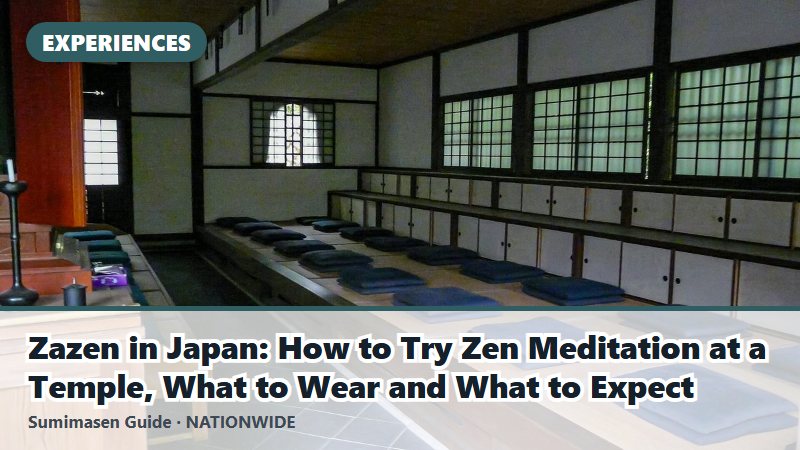 Zazen in Japan: How to Try Zen Meditation at a Temple, What to Wear and What to ExpectSitting quietly in an old temple hall, with nothing to do but breathe, is one of the most memorable things you can try in Japan.
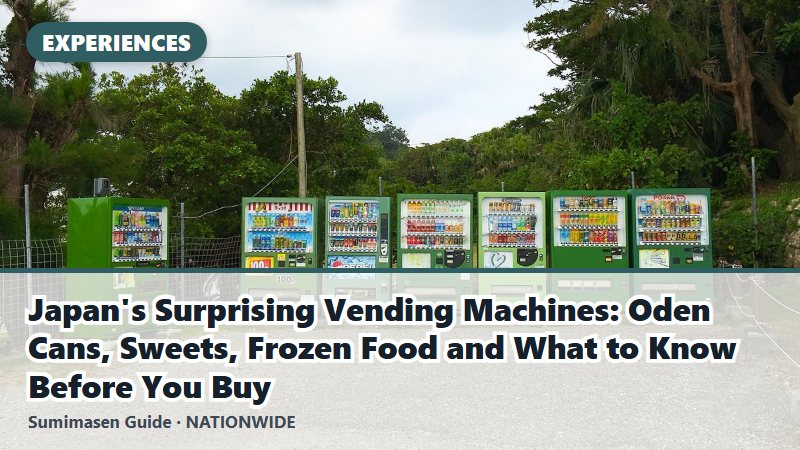 Japan's Surprising Vending Machines: Oden Cans, Sweets, Frozen Food and What to Know Before You BuyJapan's vending machines are one of the small joys of a trip. You'll find them on busy streets, on station platforms and next to rice fields, and some…
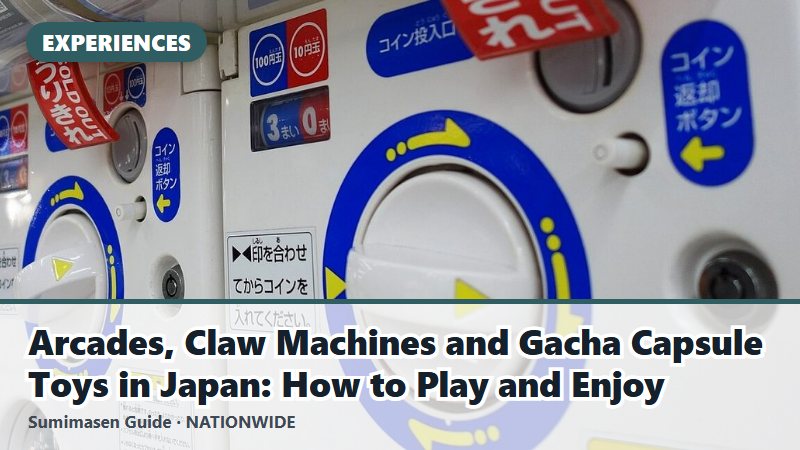 Arcades, Claw Machines and Gacha Capsule Toys in Japan: How to Play and EnjoyJapanese game centers (arcades) are loud, bright and a lot of fun, even if you've never played a video game.
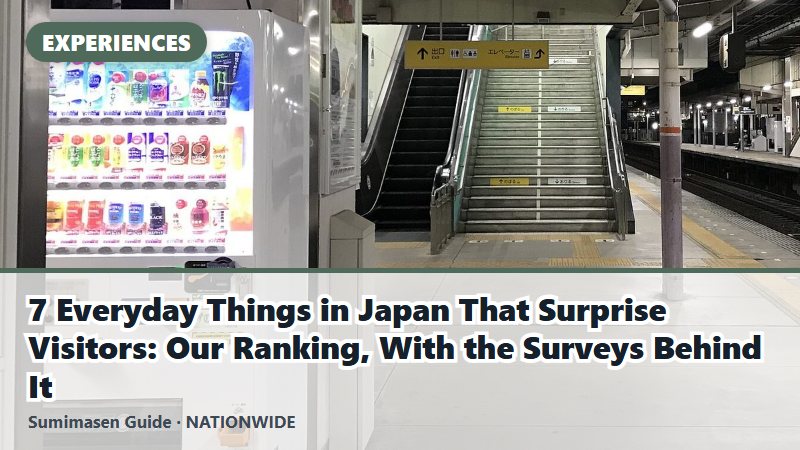 7 Everyday Things in Japan That Surprise Visitors: Our Ranking, With the Surveys Behind ItAsk people what surprised them most on a trip to Japan, and many don't name a temple or a view.
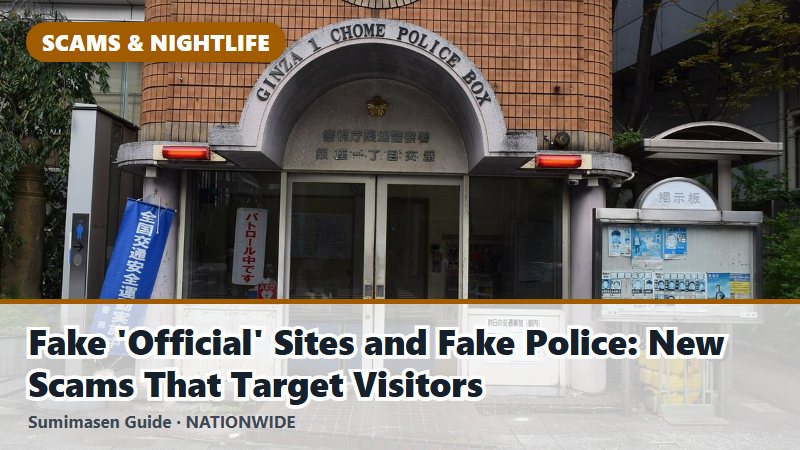 Fake 'Official' Sites and Fake Police: New Scams That Target VisitorsMost scam warnings about Japan are about nightlife: overpriced bars, pushy touts. The newer tricks are quieter, and they work because they look official.
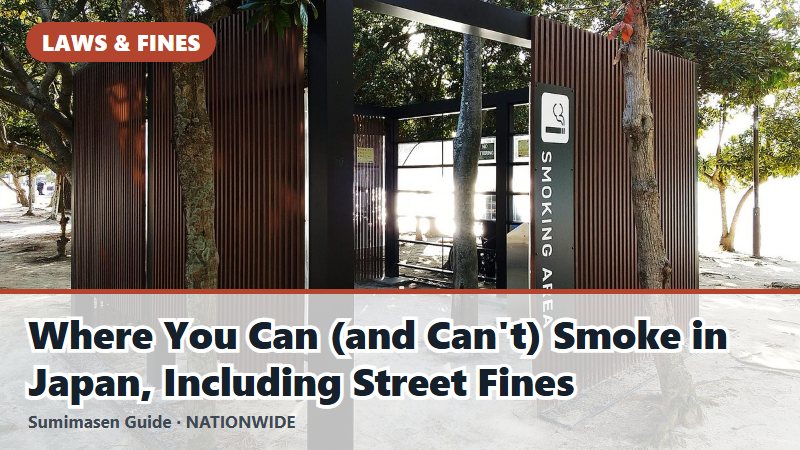 Where You Can (and Can't) Smoke in Japan, Including Street FinesJapan can be confusing for smokers. You may see people smoking in a bar, then walk outside and find a sign on the pavement saying smoking on the street is…
 Medicines You Can't Bring Into Japan (and What to Do Instead)You pack for Japan the way you pack for anywhere: passport, charger, and a small bag of the medicines you always carry. A cold tablet for the flight.
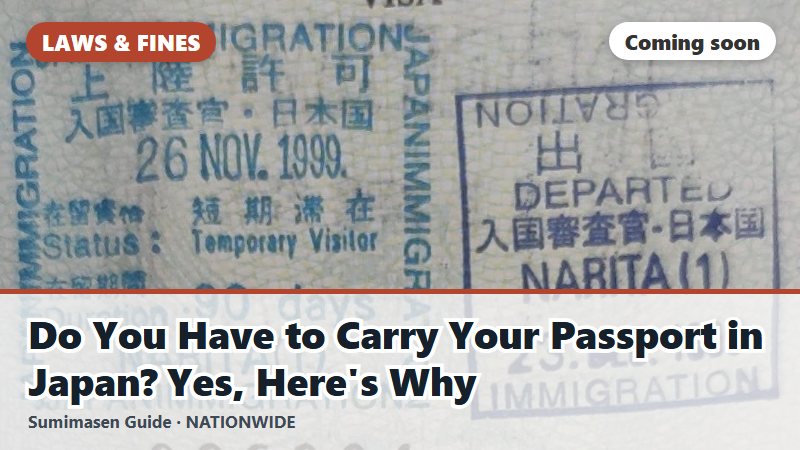 Do You Have to Carry Your Passport in Japan? Yes, Here's WhyIn many countries, travelers are told to lock their passport in the hotel safe and walk around with a copy. Japan works the other way.
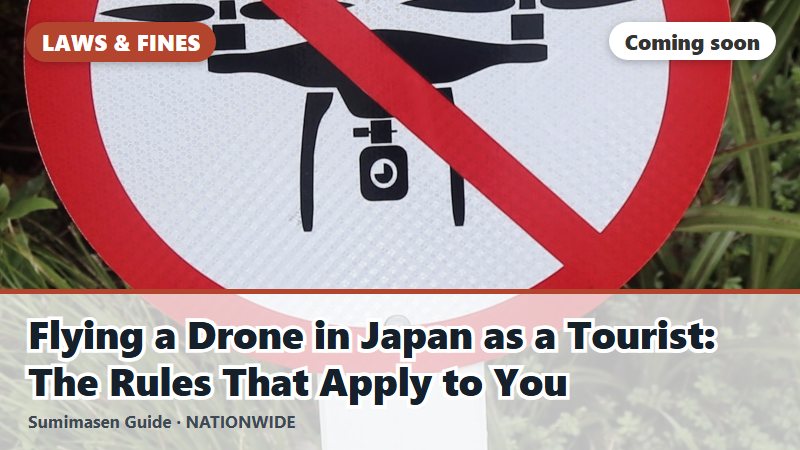 Flying a Drone in Japan as a Tourist: The Rules That Apply to YouMt. Fuji at sunrise, a shrine gate by the sea, a sea of autumn leaves: Japan looks wonderful from the air, and it's natural to want to pack your drone.
 No Trash Cans? How to Handle Garbage in Japan Without StressJapan's streets are famously clean, yet public trash cans are hard to find. If you've ever walked around holding an empty bottle for an hour, you're not…
 Shrines vs Temples in Japan: How to Tell Them Apart and How to PrayJapan has tens of thousands of shrines and temples, and on a trip you will walk through both, often on the same day.
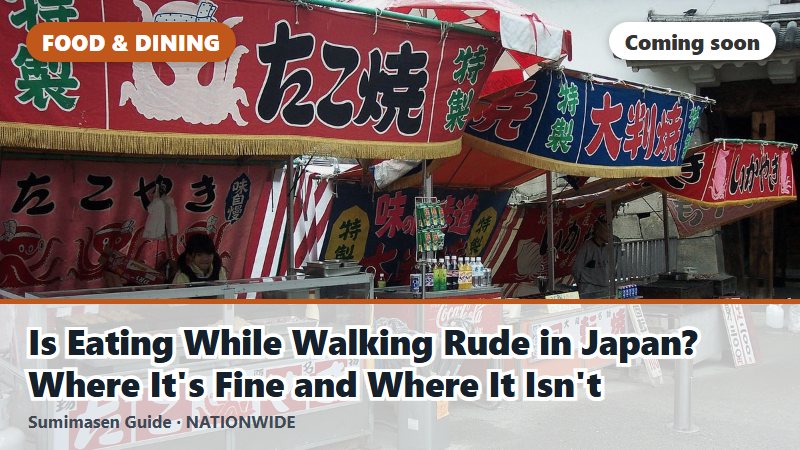 Is Eating While Walking Rude in Japan? Where It's Fine and Where It Isn'tYou've just bought a skewer of grilled mochi or a soft-serve cone, and you're wondering: is it rude to eat it as you walk?
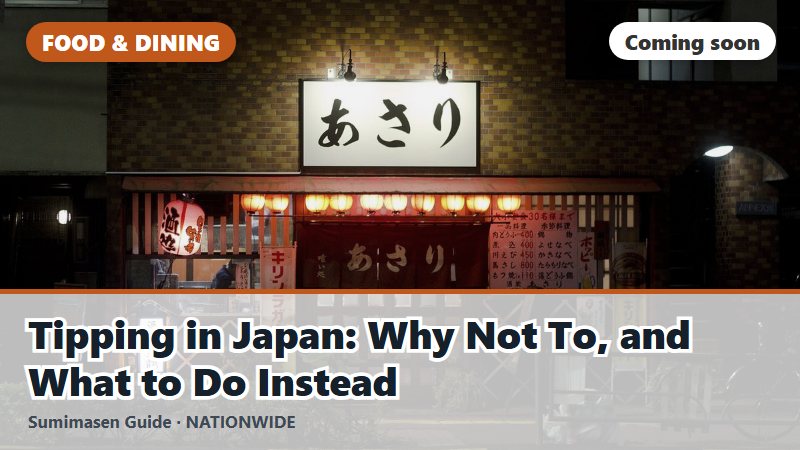 Tipping in Japan: Why Not To, and What to Do InsteadIf you come from a country where a tip is part of every meal and taxi ride, Japan can feel strange at first: there is no custom of tipping .
 Otoshi: The Small Dish and Table Charge at an IzakayaYou sit down at an izakaya, a Japanese pub, and before you've ordered anything a small dish appears: a few bites of simmered vegetables, pickles or…
 Cash-Only Restaurants in Japan: How to Tell Before You Sit DownJapan is paying by card and phone more every year, but you'll still find small restaurants, cafes, food stalls and ramen shops that take cash only .
 Restaurant Reservations in Japan: Booking, Cancelling and No-ShowsMany of Japan's most popular restaurants are booked out days or weeks ahead, while ramen shops and family restaurants simply seat whoever is in line.
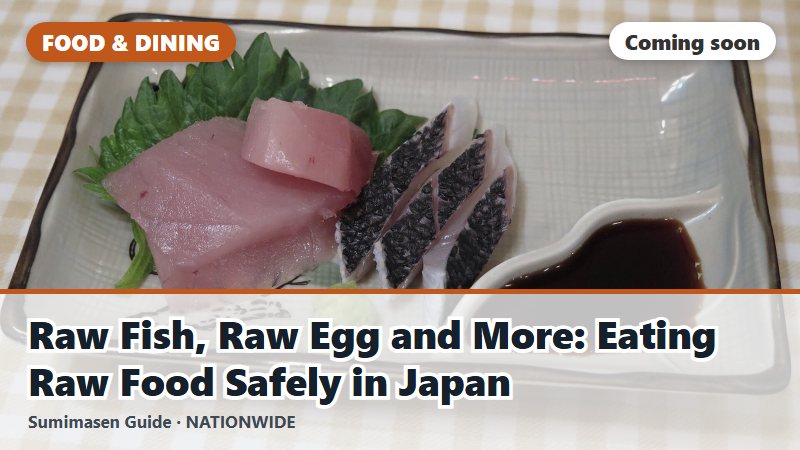 Raw Fish, Raw Egg and More: Eating Raw Food Safely in JapanSashimi, sushi, a raw egg stirred into hot rice: raw food is part of everyday eating in Japan, and restaurants handle it carefully.
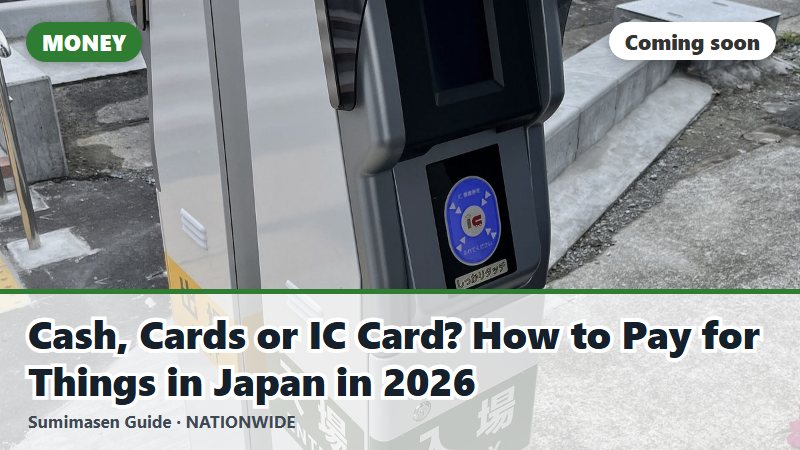 Cash, Cards or IC Card? How to Pay for Things in Japan in 2026Japan is no longer a cash-only country, but it isn't fully cashless either. Hotels, department stores and chain restaurants take credit cards, trains and…
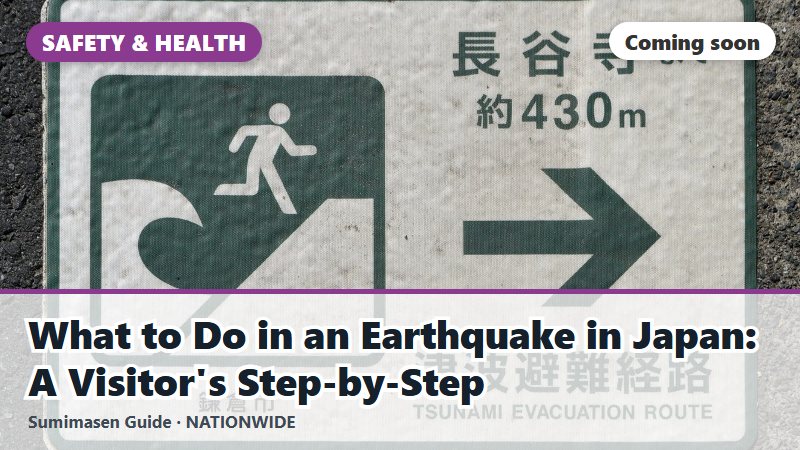 What to Do in an Earthquake in Japan: On a Train, in a Hotel, Outdoors and MoreJapan has a lot of earthquakes, and most of them are small. You might feel a gentle sway in your hotel room and notice that nobody around you seems…
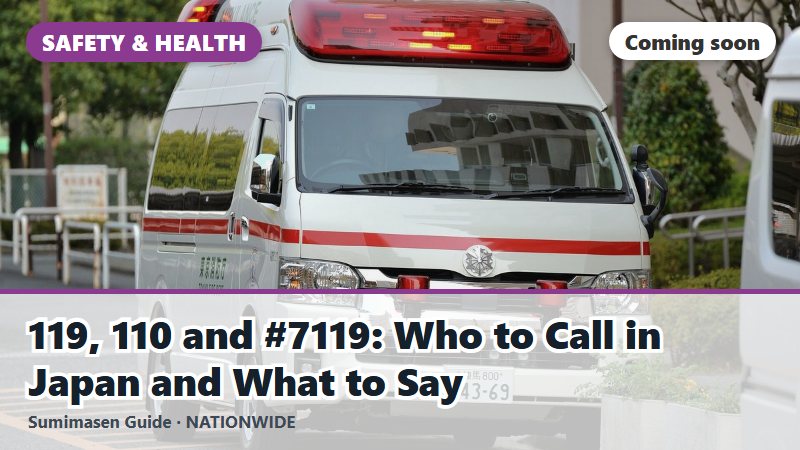 119, 110 and #7119: Who to Call in Japan and What to SayJapan doesn't use 911 or 112. It has separate short numbers for the fire department and ambulances, for the police, and for advice when you aren't sure…
 Halloween 2026 in Japan: Closures and Street Rules by CityHalloween falls on Saturday, October 31, 2026 , and several of Japan's busiest night spots have announced crowd measures.
 Travel Insurance for Japan: Why Visitors Need It, What to Check, and How to Find a HospitalJapan is a safe country, and most trips go without a single visit to a doctor.
 Typhoon Season in Japan: Warnings, Train Delays, and Flight and Ferry CancellationsTyphoons can reach Japan from early summer to autumn, and when a strong one comes close, trains and flights may stop for a day or more.
 Bar Scams and Touts in Tokyo Nightlife: How They Work, How to Say NoTokyo is one of the safest big cities in the world to go out at night, and most bars and izakaya (Japanese-style pubs) are honest, friendly places.
 eSIM or Pocket Wi-Fi for Japan? Choosing by Your Trip, Not the HypeYou will use your phone a lot in Japan: maps, train times, translation, the IC card app, messages home.
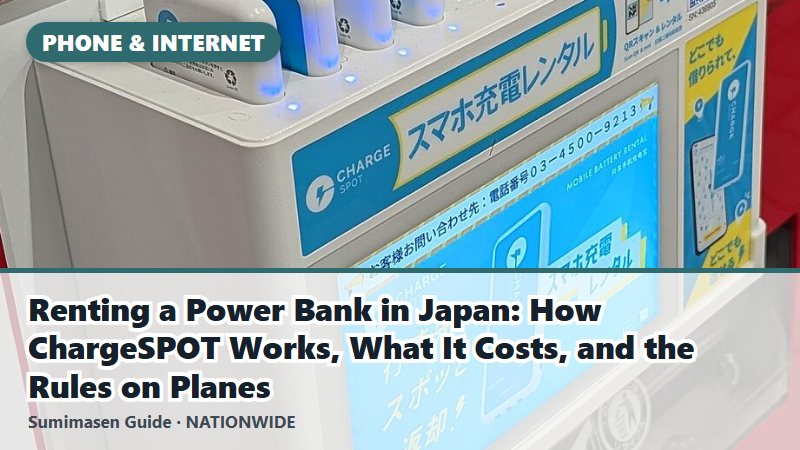 Renting a Power Bank in Japan: How ChargeSPOT Works, What It Costs, and the Rules on PlanesMaps, train apps, translation and photos can empty a phone battery before lunch.
Other destinations
- TokyoShibuya, Shinjuku and Asakusa (Tokyo)11 guides
- OsakaNamba, Umeda and Osaka Castle (Osaka)10 guides
- KyotoGion, Arashiyama and Fushimi Inari (Kyoto)12 guides
- HokkaidoSapporo, Niseko and Furano (Hokkaido)4 guides
- FukuokaHakata, Tenjin and Nakasu (Fukuoka)3 guides
- Kamakura & Hakone (Kanagawa)Kanagawa Prefecture3 guides
- Nagoya (Aichi)Nagoya Castle, Sakae, Osu and Atsuta (Aichi)13 guides
- Tokyo Disney Resort & Narita (Chiba)Urayasu (Chiba) and Narita (Chiba)3 guides
- Mt. Fuji area (Yamanashi / Shizuoka)Lakes, trails and views around Mt. Fuji4 guides
- Matsumoto (Nagano)Matsumoto Castle and the gateway to Kamikochi (Nagano)5 guides
- Kanazawa (Ishikawa)Higashi Chaya District and Kenrokuen (Ishikawa)2 guides
- Hiroshima & Miyajima (Hiroshima)Peace Memorial Park and Itsukushima Shrine3 guides
- Takayama & Shirakawa-go (Gifu)The old town of Takayama (Gifu) and the gassho-zukuri village2 guides
- Kobe & Himeji (Hyogo)Himeji Castle, Kobe beef and the port city (Hyogo)1 guide
- NaraNara Park and Todaiji (Nara)5 guides
- Ise-Shima (Mie)Ise Jingu, Okage Yokocho and the Shima Peninsula (Mie)4 guides